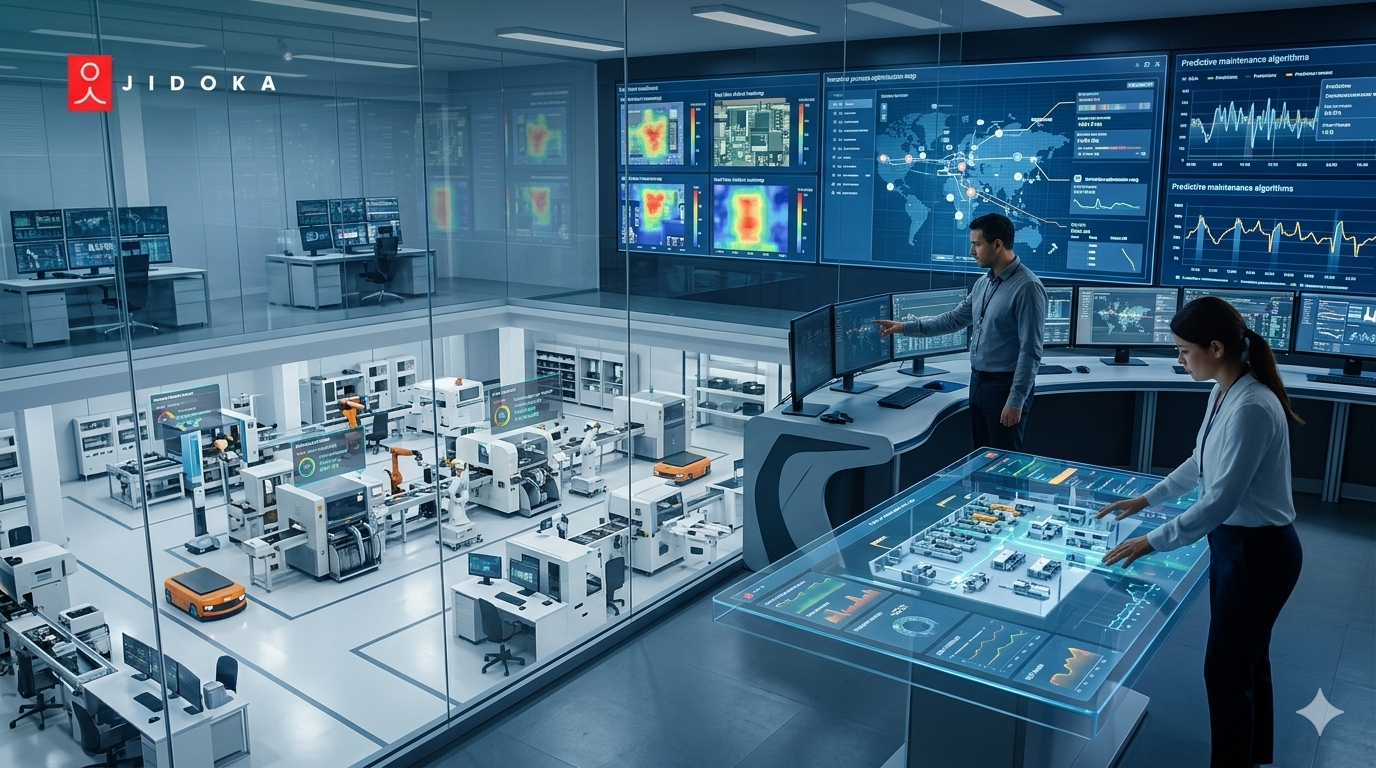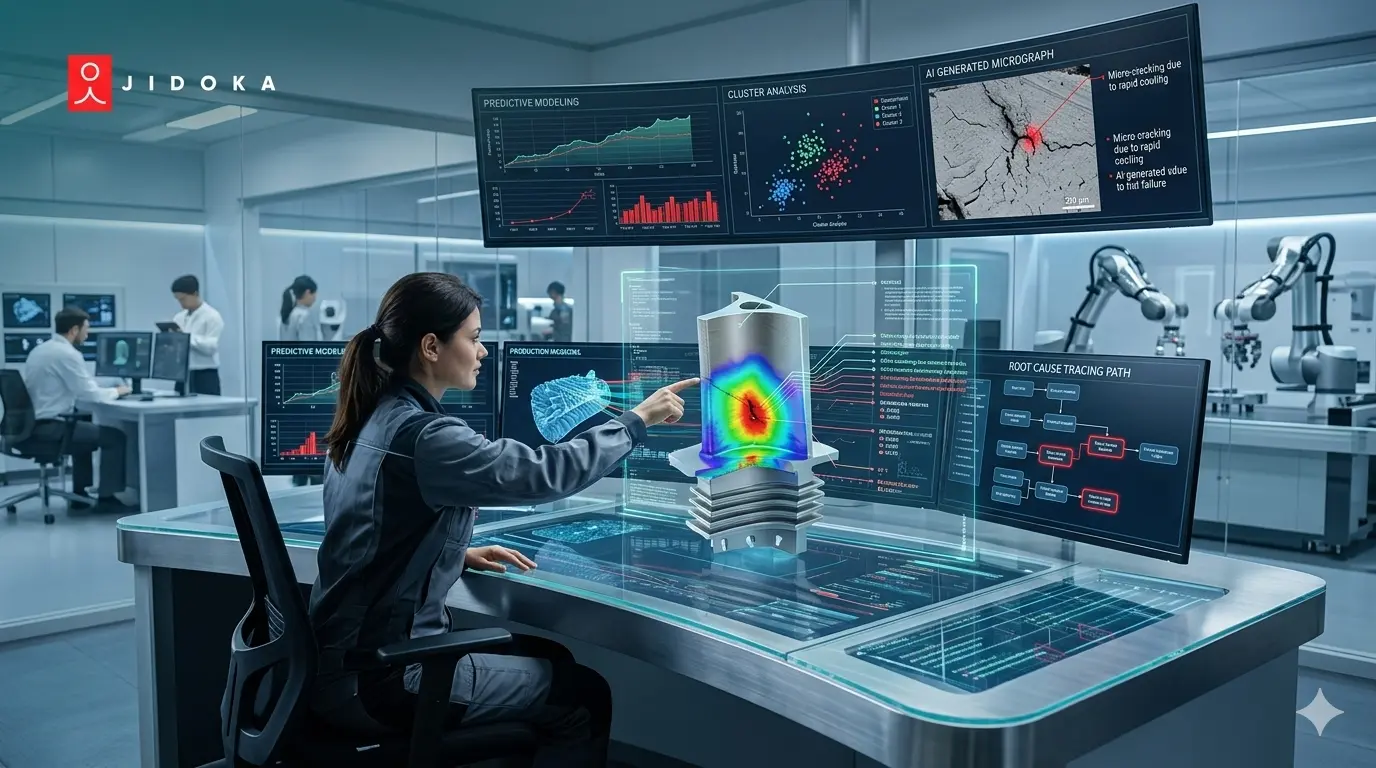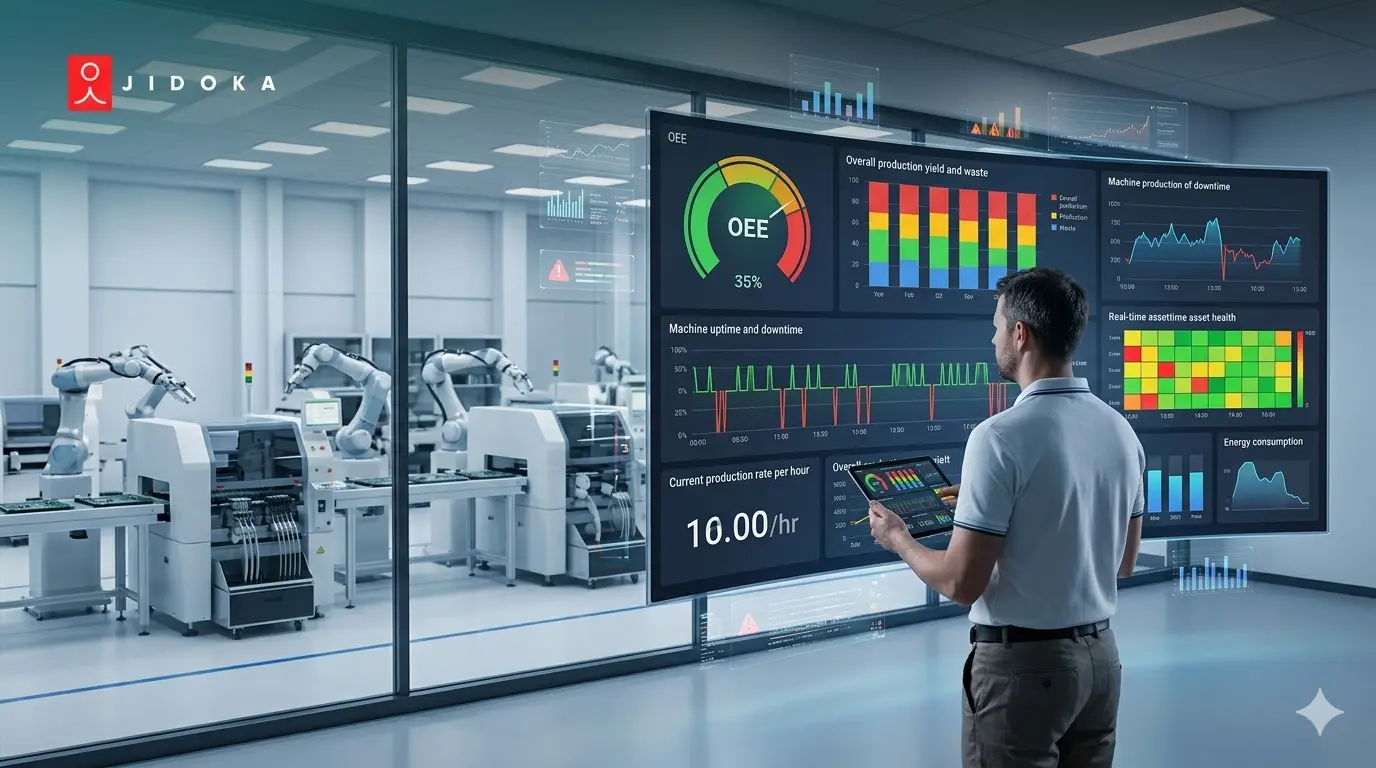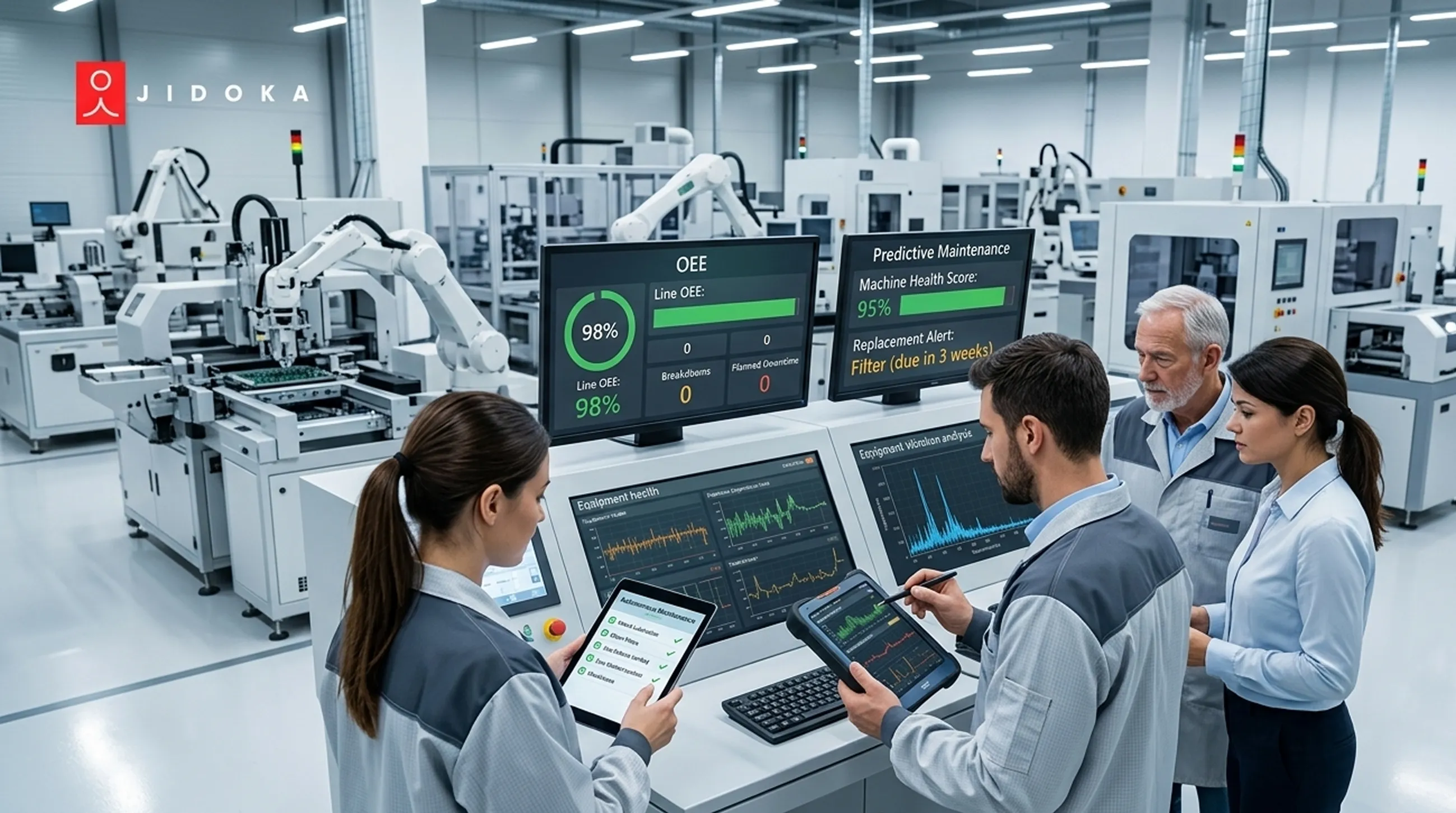
Das Marktwachstum für maschinelles Sehen erreicht in diesem Jahr neue Höchststände. Fabriken verwenden die Luftbildkamera, um winzige Defekte zu erkennen. Diese intelligenten Kamerasysteme bieten 99% Genauigkeit für Ihre Anforderungen an die visuelle Inspektion. Sie erzielen einen schnellen ROI durch Automatisierung der Qualitätskontrolle.
Der Aufbau eines industriellen Kamerasetups erfordert die richtige Bildverarbeitungsbeleuchtung, um gut zu funktionieren. Diese Anleitung zeigt Ihnen, wie eine Ai-Vision-Kamera Ihre Produktionslinie verbessert. Sie erfahren mehr über CMOS-Sensoren und wählen die beste Ausrüstung für Ihre Fabrik aus.
Auswahl der richtigen AI-Vision-Kamera: Sensoren, Auflösung und Leistung
Das Richtige auswählen Ai-Vision-Kamera bestimmt, wie gut Ihr System funktioniert. Sie müssen sich bestimmte Hardwareteile ansehen, um häufige Einrichtungsfehler zu vermeiden. Konzentrieren Sie sich darauf, wie sich CMOS-Sensoren und Kameraauflösung auf Ihre Bildverarbeitungsgeschwindigkeit auswirken.
1. CMOS- und CCD-Sensoren: Die Unterschiede verstehen
Moderne industrielle Kamera-Setup-Designs basieren auf CMOS-Sensoren. Diese Sensoren verarbeiten Daten schneller und verbrauchen weniger Strom als CCDs. Sie erhalten höhere Bildraten für Ihre Anforderungen an die visuelle Inspektion. Da CMOS-Sensoren die Arbeit am Chip übernehmen, verbessern sie die Automatisierung der Qualitätskontrolle, indem sie Verzögerungen reduzieren.
2. Auswahl der Kameraauflösung und Bildrate
Ihre Kameraauflösung muss dem kleinsten Defekt entsprechen, den Sie finden müssen. Eine Ai-Vision-Kamera mit hoher Auflösung erfasst winzige Fehler während Erkennung von Defekten. Sie müssen dies mit der Bildrate abwägen. Schnelle Produktionslinien benötigen eine hohe Kameraauflösung, um die Genauigkeit aufrechtzuerhalten, ohne Ihre Bildverarbeitungsaufgaben zu verlangsamen.
3. Intelligente Kameras im Vergleich zu PC-basierten Bildverarbeitungssystemen
Intelligente Kamerasysteme kombinieren Objektiv und Prozessor in einer Einheit. Dies vereinfacht die Einrichtung Ihrer Industriekamera für die standardmäßige visuelle Inspektion. Wenn Sie mehr Leistung für Deep Learning benötigen, verwenden Sie ein PC-basiertes System. Diese ermöglichen den Anschluss mehrerer Ai-Vision-Kameraeinheiten für eine fortschrittliche Automatisierung der Qualitätskontrolle in der gesamten Produktionslinie.
Gute Hardware braucht das richtige Licht, um zu funktionieren. Schauen wir uns an, wie Bildverarbeitungsbeleuchtung sicherstellt, dass Ihre Ai-Vision-Kamera jedes Detail erfasst.
Lichttechniken und Konfiguration der maschinellen Bildverarbeitung
Sie benötigen eine angemessene Beleuchtung, um Ihre Ai-Vision-Kamera optimal nutzen zu können. Selbst das beste Industriekamera-Setup versagt, wenn die Beleuchtung schlecht ist. Mit der richtigen Bildverarbeitungsbeleuchtung werden Teile hervorgehoben und Ihr System kann Fehler leicht erkennen.
1. Grundlegende Beleuchtungsarten: LED, Ring, Hintergrundbeleuchtung und Kuppel
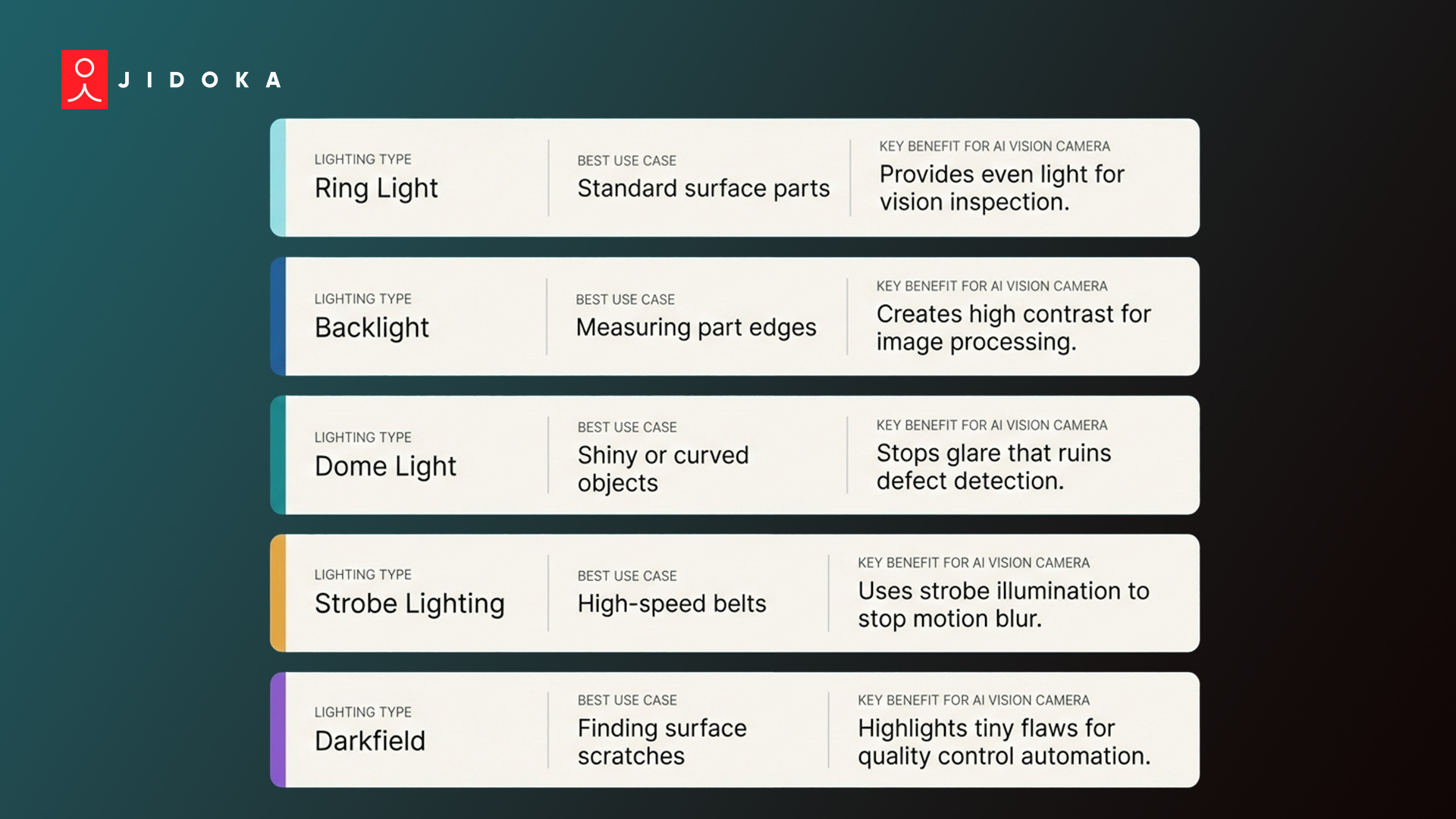
Die Beleuchtung für maschinelles Sehen beginnt mit der Auswahl der richtigen Lampe. Ringlichter bieten gleichmäßiges Licht für Ihre Einrichtung einer Industriekamera. Hintergrundbeleuchtung sorgt für klare Silhouetten für die visuelle Inspektion. Kuppelleuchten streuen das Licht und verhindern so Blendung auf glänzenden Teilen. Diese Tools helfen Ihrer Ai-Vision-Kamera bei der zuverlässigen Bildverarbeitung.
2. Blitzbeleuchtung und Übersteuerung für Inspektionen mit hoher Geschwindigkeit
Hochgeschwindigkeitslinien verursachen Bewegungsunschärfe. Sie können dies beheben, indem Sie Strobe verwenden Beleuchtung für maschinelles Sehen. Durch das Stroboskop wird das Teil an Ort und Stelle für die Luftbildkamera eingefroren. Durch Übersteuerung wird die Lichtintensität um das Fünffache erhöht, was bei der Fehlererkennung hilft. Dadurch bleibt Ihre Automatisierung der Qualitätskontrolle schnell und präzise.
3. Auswahl der Beleuchtungsgeometrie für Ihre Anwendung
Die Beleuchtungsgeometrie verändert, wie Ihre Ai-Vision-Kamera ein Teil sieht. Hellfeldbeleuchtung hebt Oberflächendetails hervor. Dunkelfeldbeleuchtung lässt Kratzer vor einem dunklen Hintergrund leuchten. Die richtige Geometrie ist ein Muss für ein solides Industriekamera-Setup. Sie stellt sicher, dass Ihre visuelle Inspektion jeden Fehler fehlerfrei erkennt.
Vergleich der Beleuchtung für maschinelles Sehen
Die richtige Beleuchtung bereitet das Bild vor, aber das Objektiv fängt es ein. Schauen wir uns an, wie man mit der Einrichtung von Industriekameras und der Integration von Produktionslinien umgeht.
Einrichtung von Industriekameras und Integration der Produktionslinie
Die Installation Ihrer Ausrüstung ist genauso wichtig wie die Auswahl. Ein armer Einrichtung einer Industriekamera führt zu verwackelten Bildern und fehlgeschlagenen Prüfungen. Sie müssen Ihre ausrichten Ai-Vision-Kamera und Linse, um die besten Ergebnisse für Ihre Automatisierung der Qualitätskontrolle System.
1. Objektivauswahl: Brennweite, Arbeitsabstand und Sichtfeld
Die Wahl der richtigen Objektivbrennweite stellt sicher, dass Ihre Ai-Vision-Kamera den gesamten Teil sieht. Wenn Ihr Arbeitsbereich eng ist, eignet sich eine kurze Brennweite am besten. Bei weit entfernten Teilen liefert ein längeres Objektiv die Details, die für die Fehlererkennung erforderlich sind. Berechnen Sie immer Ihr Sichtfeld, bevor Sie Ihre Hardware montieren.
2. Verfahren zur Kamerakalibrierung und -ausrichtung
Korrekturen bei der Kalibrierung Bildverzerrung von deiner Linse. Verwenden Sie ein Rastermuster, damit Ihre Ai-Vision-Kamera reale Größen lernt. Dieser Schritt ist für eine genaue visuelle Inspektion und Messung von Teilen unerlässlich. Die richtige Ausrichtung Ihrer Industriekameraeinrichtung verhindert Fehler und sorgt dafür, dass Ihre Automatisierungsdaten für die Qualitätskontrolle sauber und zuverlässig sind.
3. Systemintegration: Anschließen von Kameras an SPS und HMI
Ihre Ai-Vision-Kamera muss mit der SPS Ihrer Fabrik über Protokolle wie PROFINET oder Ethernet/IP. Diese Verbindung ermöglicht es der Kamera, nach der Erkennung eines Defekts einen Auswurfarm auszulösen. Die Anzeige der Echtzeit-Bildverarbeitung auf einem HMI hilft dem Bediener, die Anlage zu überwachen und die Konfiguration der Industriekamera schnell anzupassen.
Wenn Ihr System läuft, benötigen Sie möglicherweise Hilfe bei der Skalierung. Lassen Sie uns sehen, wie Jidoka Tech Sie bei Ihren spezifischen Inspektionsanforderungen unterstützen kann.
Wie Jidoka Tech Ihnen bei der Implementierung von AI-Vision-Kameralösungen helfen kann
Jidoka Tech baut ein Ai-Vision-Kamerasystem, das unter echtem Produktionsdruck funktioniert. Ihr Team richtet Kameras, Bildverarbeitungsbeleuchtung, SPS-Timing und Edge-Einheiten so aus, dass das System in allen Schichten funktioniert.
Ihre Anlage kann eine gleichbleibende Leistung auch bei Über 12.000 Teile pro Minute mit diesem industriellen Kamera-Setup. Die Stärke von Jidoka liegt in der Kombination zweier Spezialwerkzeuge, die Ihre visuelle Inspektion verbessern:
- KOMPASS (Hochgenauigkeitsinspektor): Dieses Tool erreicht eine Genauigkeit von über 99,8% auf Live-Linien und überprüft Frames in weniger als 10 ms. Es hilft Ihrer Ai-Vision-Kamera beim Erlernen neuer Teile 60— 70% weniger Proben.
- NAGARE (Prozess- und Montageanalyst): Dieses System verfolgt 100% der Montageschritte. Es meldet fehlende Teile in Echtzeit, was Ihrer Automatisierung in der Qualitätskontrolle hilft, Nacharbeiten zu reduzieren bis zu 35%.
Durch den Betrieb des vollständigen Ai-Vision-Kamerasystems auf lokalen Edge-Geräten vermeidet Jidoka Datenverzögerungen. Erfahren Sie, wie die KI-Vision-Kameralösungen von Jidoka Tech kann Ihre Automatisierung der Qualitätskontrolle verändern.
Fazit
Die Verwendung einer Ai-Vision-Kamera verändert die Art und Weise, wie Sie mit der Werksqualität umgehen. Wenn Sie CMOS-Sensoren mit der richtigen Bildverarbeitungsbeleuchtung kombinieren, erhalten Sie ein System, das bei jeder Schicht scharf bleibt.
Ein solides Industriekamera-Setup stellt sicher, dass Ihre Automatisierung der Qualitätskontrolle schnell und genau bleibt. Diese intelligenten Kamerasysteme helfen Ihnen, Fehler durch fortschrittliche Fehlererkennung und Bildverarbeitung zu erkennen.
Für einen bewährten Partner Jidoka Tech bietet eine komplette Ai-Vision-Kameralösung. Ihre Systeme bieten eine Genauigkeit von 99,8% für Ihre Anforderungen an die visuelle Inspektion.
Wenden Sie sich noch heute an Jidoka Tech um zu erfahren, wie unsere Ai-Vision-Kameralösungen Ihre Automatisierung der Qualitätskontrolle optimieren können.
Häufig gestellte Fragen
1. Was sind die wichtigsten Unterschiede zwischen Smart-Kameras und PC-basierten AI-Vision-Kamerasystemen?
Intelligente Kamerasysteme bieten ein kompaktes Industriekamera-Setup, indem Prozessor und Objektiv zusammen untergebracht werden. Sie vereinfachen Ihre visuelle Inspektion für spezielle Aufgaben. PC-gestützte Systeme bewältigen jedoch umfangreiche Bildverarbeitungsvorgänge über mehrere Ai-Vision-Kameraeinheiten hinweg und bieten so eine höhere Leistung für die komplexe Automatisierung der Qualitätskontrolle.
2. Wie berechne ich die erforderliche Kameraauflösung für meine Inspektionsanwendung?
Um die richtige Kameraauflösung zu finden, teilen Sie Ihr Sichtfeld durch die kleinste Teilgröße. Für eine zuverlässige Fehlererkennung benötigen Sie mehrere Pixel pro Feature. Dadurch wird sichergestellt, dass Ihre Ai-Vision-Kamera und Ihre CMOS-Sensoren jedes Detail erfassen, um eine genaue Bildverarbeitung und visuelle Inspektion zu ermöglichen.
3. Warum ist Blitzbeleuchtung für Hochgeschwindigkeits-Produktionslinien wichtig?
Hochgeschwindigkeitslinien benötigen eine Stroboskopbeleuchtung, um Bewegungsunschärfe zu verhindern. Diese spezielle Bildverarbeitungsbeleuchtung erzeugt scharfe Bilder für Ihre Ai-Vision-Kamera. Indem Sie Impulse mit Ihrem industriellen Kamera-Setup synchronisieren, verbessern Sie die Fehlererkennung und sorgen dafür, dass Ihre Qualitätskontrollautomatisierung mit Höchstleistung läuft.
4. Welchen ROI können Hersteller von der Implementierung von KI-Vision-Kamerasystemen erwarten?
Ihre Ai-Vision-Kamera macht sich durch Automatisierung der Qualitätskontrolle und weniger Abfall bezahlt. Die meisten Fabriken erzielen innerhalb von 18 Monaten einen ROI. Eine bessere visuelle Inspektion mit hoher Kameraauflösung verhindert den Versand fehlerhafter Teile, während die Bildverarbeitung die manuellen Arbeitskosten in Ihrer industriellen Kameraeinrichtung überflüssig macht.
5. Wie wähle ich die passende Lichttechnik für meine Bildverarbeitungsanwendung aus?
Wählen Sie die Beleuchtung für maschinelles Sehen auf der Oberfläche Ihres Bauteils aus. Hintergrundbeleuchtung hilft beim Messen von Formen, während Kuppelleuchten Blendung verhindern. Dadurch wird sichergestellt, dass Ihre Ai-Vision-Kamera und Ihre CMOS-Sensoren klare Bilder erhalten. Die richtige Geometrie ist entscheidend für die Fehlererkennung und eine konsistente Automatisierung der Qualitätskontrolle.