%20How%20Does%20Assembly%20Verification%20in%202025%20Looks%20Like_.jpg)
Checking a complex engine block used to take a human inspector nearly sixty seconds. Today, autonomous AI completes that same assembly verification in just 2.2 seconds. This massive speed upgrade drives the market growth as manufacturers demand "Zero-Defect" production.
We have moved beyond rigid assembly verification machine vision systems that require heavy coding. The 2025 standard uses AI that learns from just five images. This guide explores how automated component verification eliminates errors using 3D tech and Edge AI. You will see how modern assembly verification drops costs by 30x while boosting line speed.
Let’s look at the real technology driving this change.
Manual vs. AI Assembly Verification in 2025
Factories historically relied on human inspectors or basic sensors to catch mistakes. That approach causes bottlenecks on high-speed lines. You need systems that understand context, not just pixels.
1. The Old Way:
Reactive and Rigid Reliability suffers when you depend solely on human eyes. Fatigue sets in quickly. Studies show human accuracy drops to 85% after just two hours of repetitive checking.
Traditional assembly verification machine vision systems offered a slight upgrade but came with headaches. They required rigid programming for every new part. If a component shifted just 2mm, the code broke, and the line stopped.
2. The New Way:
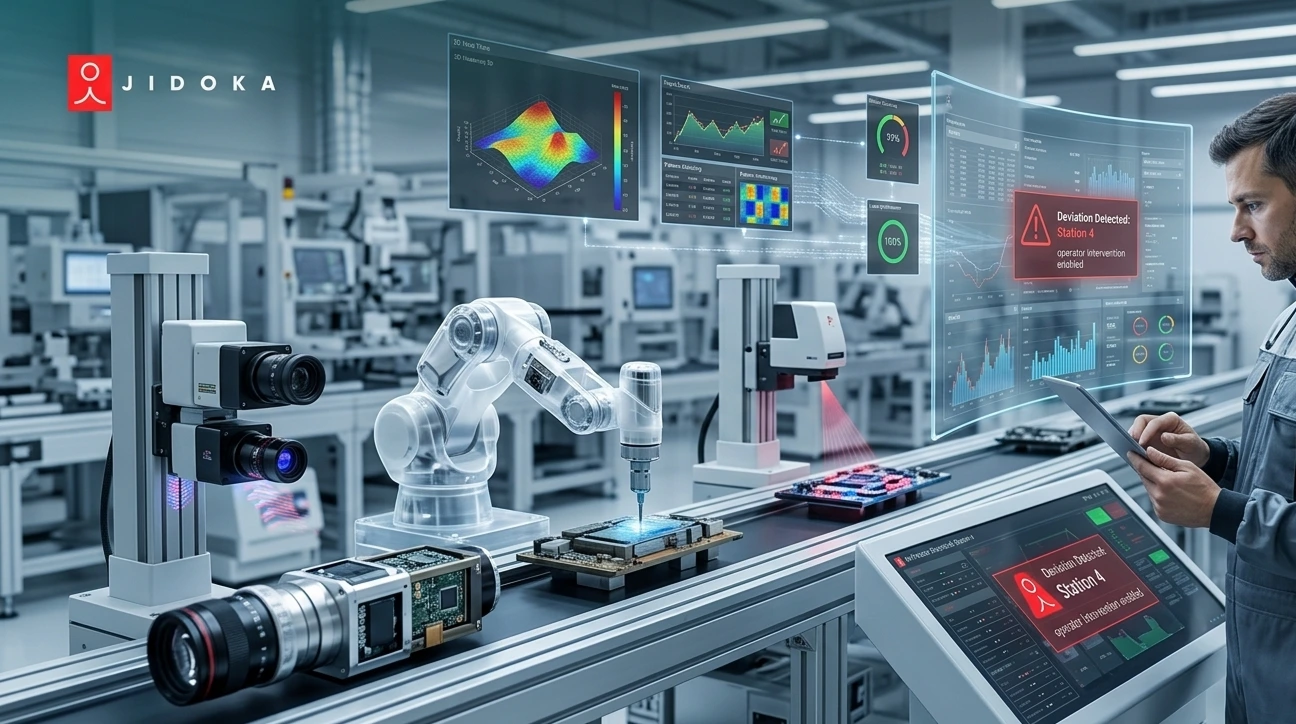
Proactive and Autonomous Automated component verification in 2025 acts proactively. The system monitors process trends and flags drifts, like glue pressure drops, before a defect occurs. It also handles simultaneous checks.
Modern AI verifies component presence verification, orientation, and sequence in a single frame. You no longer choose between speed and accuracy.
Key Stats: AI-driven assembly verification delivers a 30x cost reduction compared to manual inspection by eliminating scrap and false rejects.
This performance jump relies on specific hardware and software upgrades. Let's look at the three core technologies making this possible.
Core Technologies Driving the Change
You don't need to understand every line of code to see why 2025 systems outperform their predecessors. Three specific advancements have turned assembly verification from a bottleneck into a productivity driver.
1. Deep Learning & Transfer Learning
The biggest hurdle used to be "Big Data." Training a model required thousands of defect images. Factories rarely have that many bad parts. Transfer Learning changes this.
By using models pre-trained on millions of industrial images, systems now achieve 95%+ accuracy with just five sample images. This "Small Data" approach allows automated component verification to adapt to new variants in minutes, not months.
2. 3D Vision Integration
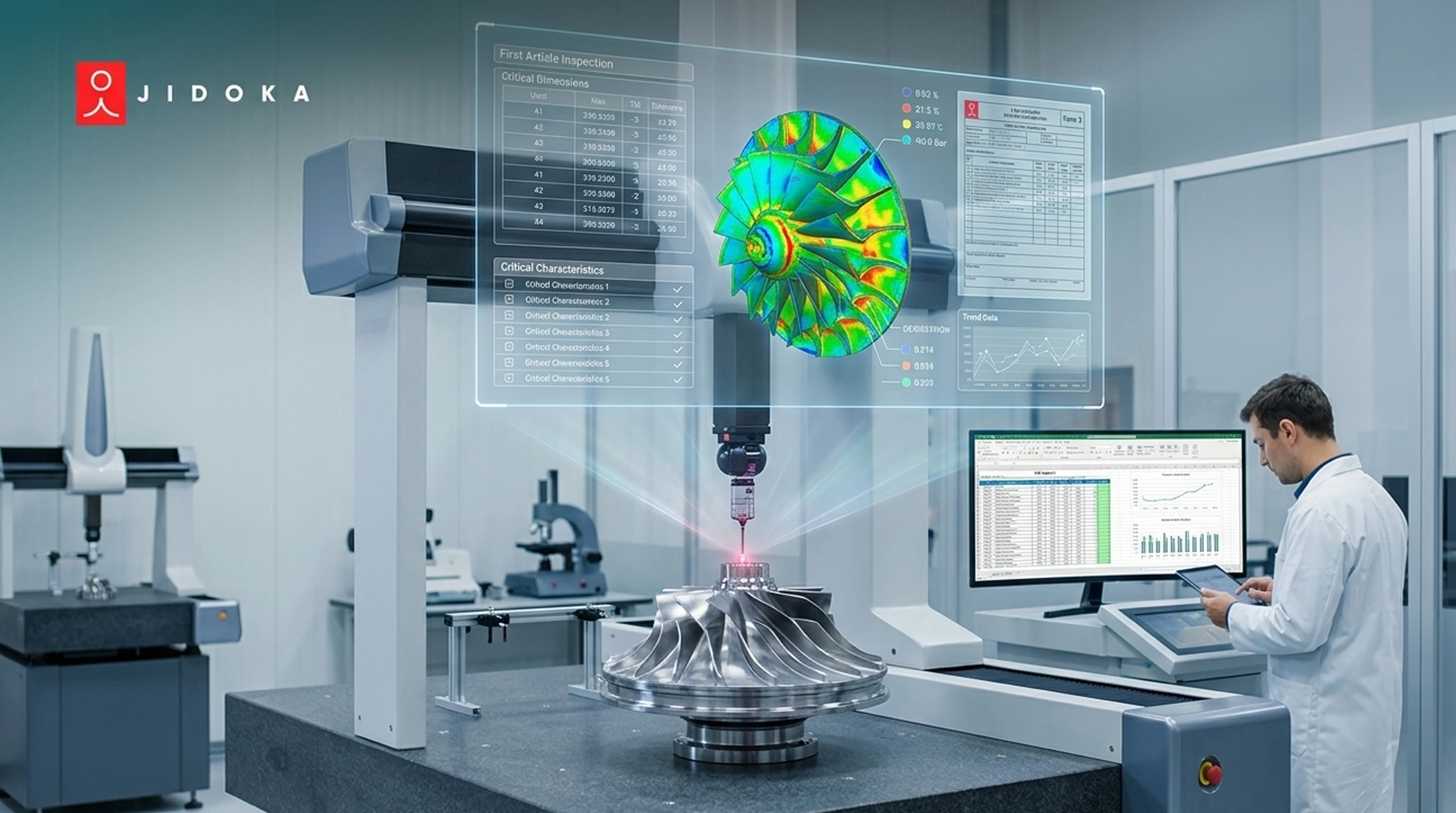
Standard 2D cameras miss depth-based issues, like a black connector not fully seated against a black housing. Modern setups use LiDAR and Stereoscopic 3D cameras to verify the Z-axis.
This tech answers the critical question: "Is it installed correctly?" rather than just "Is it there?" It enables precise component presence verification even for complex geometries like snap-fits.
3. Edge AI Processing
Sending high-res video to the cloud creates lag. That fails on lines running at 12,000 parts per minute. Edge AI processes data locally on the machine, cutting latency to sub-10 milliseconds.
This speed allows assembly verification machine vision systems to trigger a rejector instantly without slowing down the conveyor.
| Technology | Mechanism | 2025 Advantage |
|---|---|---|
| Deep Learning and Transfer Learning | Uses pre trained industrial models that adapt with small datasets, even five samples | Rapid setup with over 95 percent accuracy for component verification without long training cycles |
| 3D Vision Integration (LiDAR) | Captures depth and volume to confirm parts are fully seated and structurally correct | Overcomes 2D system limits by verifying presence and structural integrity in assembly |
| Edge AI Processing | Processes data directly on machine hardware instead of cloud based systems | Reduces latency to under 10 ms for reject triggers on fast conveyors exceeding twelve thousand ppm |
These technologies are reshaping production floors in demanding sectors. Let’s see where they make the biggest impact.
Real-World Applications of Assembly Verification by Industry
Different sectors face unique quality challenges. Assembly verification adapts to fit specific safety regulations and miniaturization trends.
1. Automotive
Automakers use assembly verification for safety-critical parts. Cameras check brake calipers, EV battery modules, and engine blocks. AI confirms if locking clips engage and if thermal paste volume is correct. Tier 1 suppliers report a 40% defect reduction. This eliminates warranty claims related to missing parts.
2. Electronics
PCBs require micro-level checks. End of line verification using vision inspects capacitor polarity and solder joint quality under UV light. This prevents "Dead-on-Arrival" units. It boosts yield rates by catching errors that human inspectors miss due to eye strain.
3. Pharma & MedTech
Kit accuracy matters here. Automated component verification ensures the right dosage leaflet, syringe, and vial sit in the box before sealing. This technology provides 100% digital audit trails. It replaces paper logs and simplifies FDA compliance.
These use cases prove the value of assembly verification. Implementing it correctly requires a specific strategy.
Implementation Guide: Best Practices for Assembly Verification
Successful assembly verification relies on more than just buying a camera. You must optimize the environment where the inspection happens. Follow these three rules to get it right.
1. Start with Data Diversity
You don't need a massive dataset to start. You need diversity. Collect images of your "Golden Sample" (the perfect part) under different lighting conditions and angles. This helps the automated assembly verification model understand what "good" really looks like. It builds a robust baseline. This prevents false rejects when natural light shifts on the factory floor.
2. Lighting Matters
Even the smartest AI is blind in bad light. Standard overhead lights create shadows that confuse sensors. Use structured light or patterned projection to create contrast on monochromatic parts.
This highlights surface textures and depth variations. Proper lighting allows the assembly verification software to see features that flat lighting misses.
3. Integration & Closed-Loop Quality
Don't just install a camera; connect it. Integrate the vision system with your PLC or robot. A true 2025 system creates a "Closed-Loop." If the machine vision verify assembly process detects a recurring alignment error, it signals the robot arm to self-correct its placement coordinates. This fixes the root cause automatically.
How Jidoka Tech Optimizes Assembly Verification
Jidoka Tech builds an assembly verification system that performs under real production pressure. Their team aligns cameras, lighting, PLC timing, and edge units so the system works across all shifts.
Plants running Jidoka’s setup report consistent performance even at 12,000+ parts per minute and up to 300 million inspections per day. Jidoka’s strength comes from combining two platforms that extend assembly verification machine vision systems beyond standard checks:
1. KOMPASS: High-Accuracy Inspector KOMPASS acts as your primary automated component verification engine. It supports deployments where consistency matters most.
- Speed & Scale: Reviews each frame in under 10 ms, reaching 99.8%+ accuracy on live lines.
- Fast Adaptation: Learns new variants with 60–70% fewer samples, solving the "cold start" problem.
- Material Versatility: Handles reflective metals, printed surfaces, and textured parts that confuse traditional sensors.
2. NAGARE: Process and Assembly Analyst NAGARE reinforces machine vision verify assembly processes by tracking the "how," not just the "what."
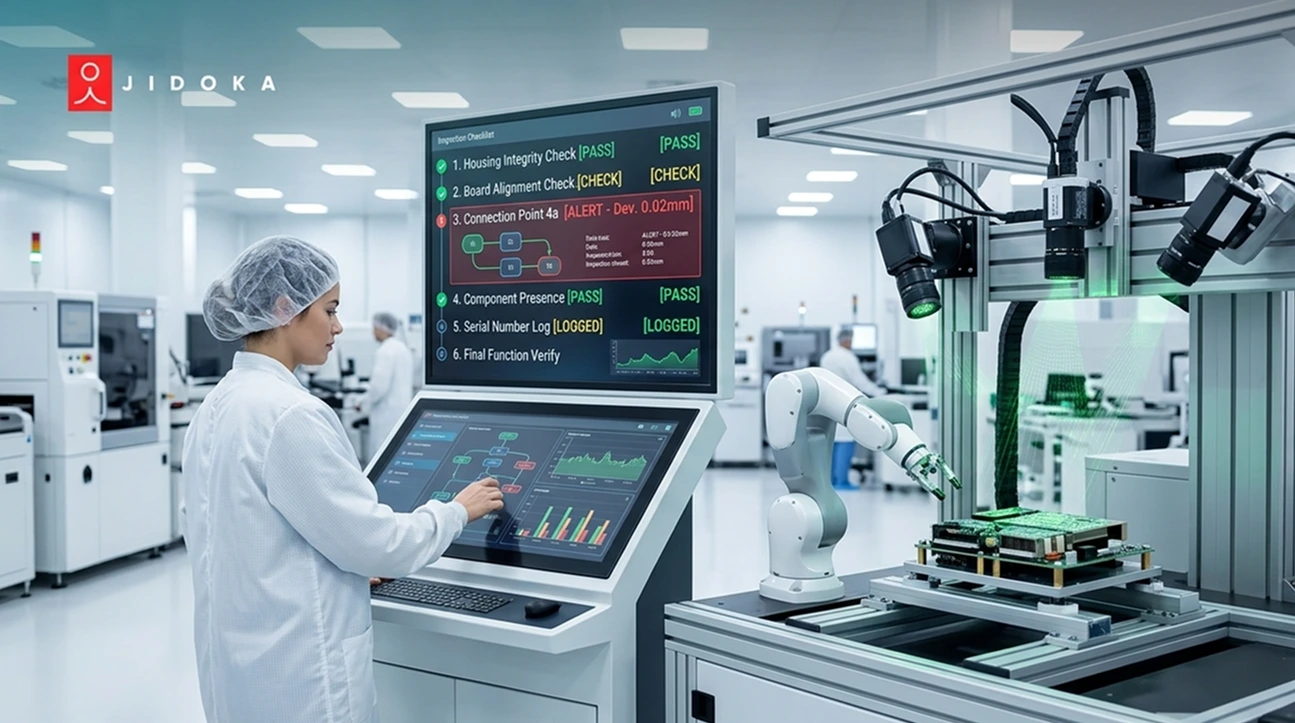
- Real-Time Guardrails: Tracks 100% of assembly steps through existing cameras to flag missing parts or wrong sequences instantly.
- Error Prevention: Cuts rework by 20–35% by catching mistakes before the product moves to the next station.
- Intelligent Insights: Turns standard station checks into data-driven quality improvements.
Jidoka runs the full assembly verification system on local edge units to avoid delays. Many teams extend this coverage with automated defect detection and inline inspection tools for total quality control.
Request a Proof of Concept (PoC) on your line today and see the speed difference firsthand.
Conclusion
Fighting defects with manual checks is a losing battle. Human accuracy drops to 85% quickly. Even rigid assembly verification machine vision systems fail when parts shift, causing expensive false rejects.
These failures destroy profitability. A single escape triggers warranty claims and lawsuits that damage your brand permanently. If your current assembly verification process creates bottlenecks, you hemorrhage money every minute the line runs.
Jidoka Tech stops this bleeding. By combining the KOMPASS inspector with the NAGARE analyst, you get a solution that adapts to your line instantly. You achieve 99.8% accuracy.
Automate your assembly verification with Jidoka today to secure a zero-defect future.
FAQs
1. How many images do I need for assembly verification?
You do not need thousands. With modern assembly verification, Transfer Learning allows you to build a reliable model using just 5–10 images. This efficiency makes automated component verification faster to deploy than older methods. It simplifies the setup for any vision system assembly check while ensuring high precision immediately for your production line.
2. Can it inspect moving parts?
Yes, absolutely. High-speed Global Shutter cameras freeze motion to perform a precise machine vision verify assembly process without blurring. This technology enables automated assembly verification on fast conveyors running at 12,000 ppm. It ensures accurate component presence verification even when parts move at full production speeds, effectively preventing expensive bottlenecks.
3. What is the typical ROI?
Most plants see full ROI in 8–12 months. This quick payback comes from reducing scrap and labor costs through assembly verification. By replacing manual labor with end of line verification using vision, you eliminate costly rework. Efficient assembly verification machine vision systems stop defects early, protecting your bottom line instantly.
4. Does it work for "High-Mix" lines?
Yes, AI handles variety easily. Unlike rigid assembly verification machine vision systems, modern tools store unlimited recipes. You can switch automated component verification criteria instantly for different models. This flexibility supports high-mix manufacturing, allowing the vision system assembly check to adapt to new variants without stopping your daily production flow.