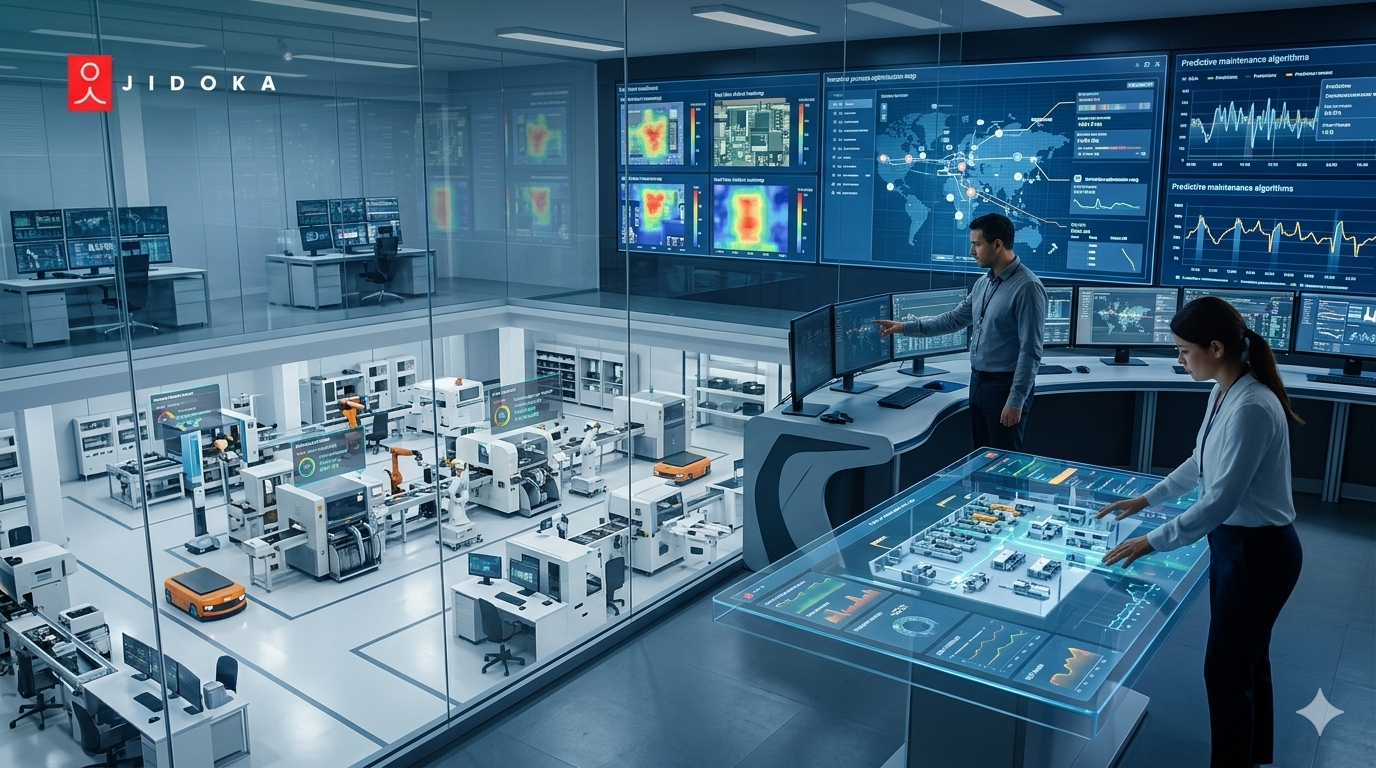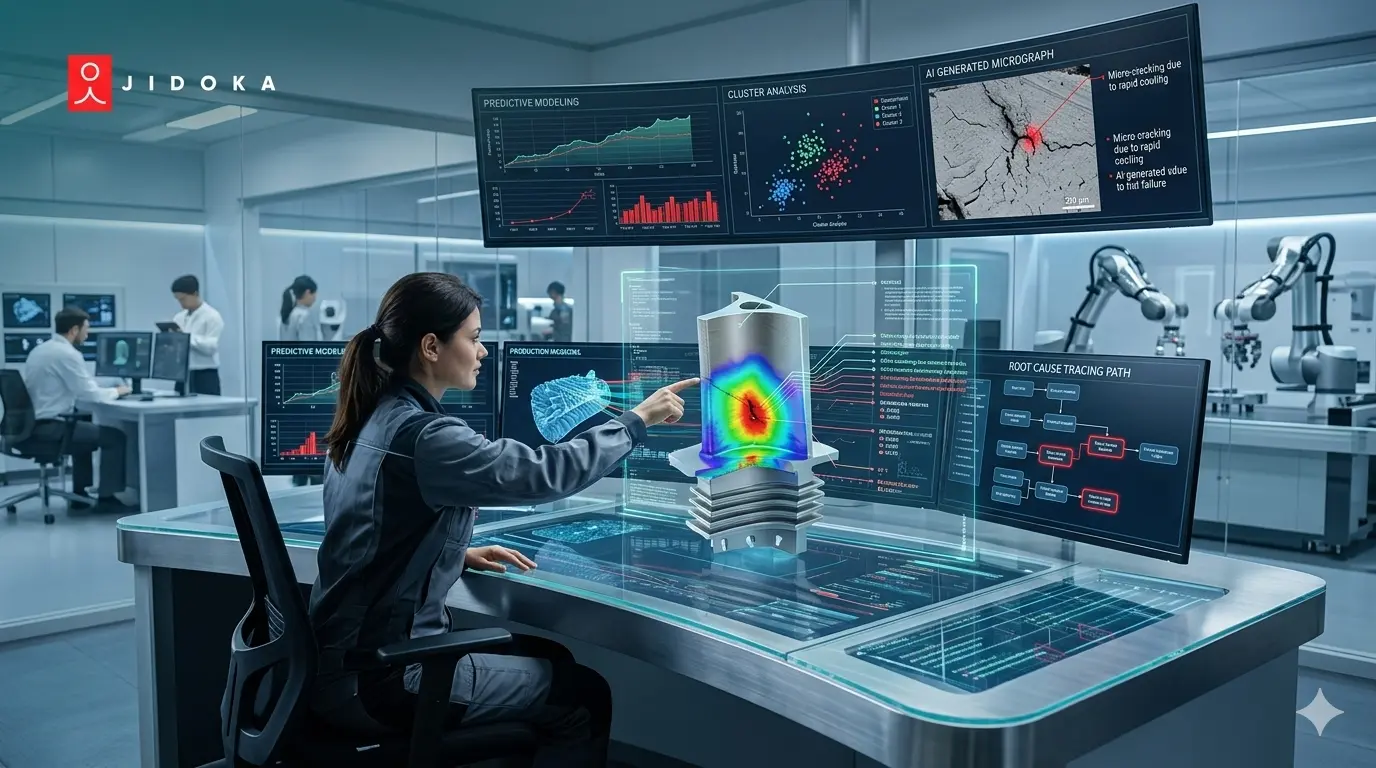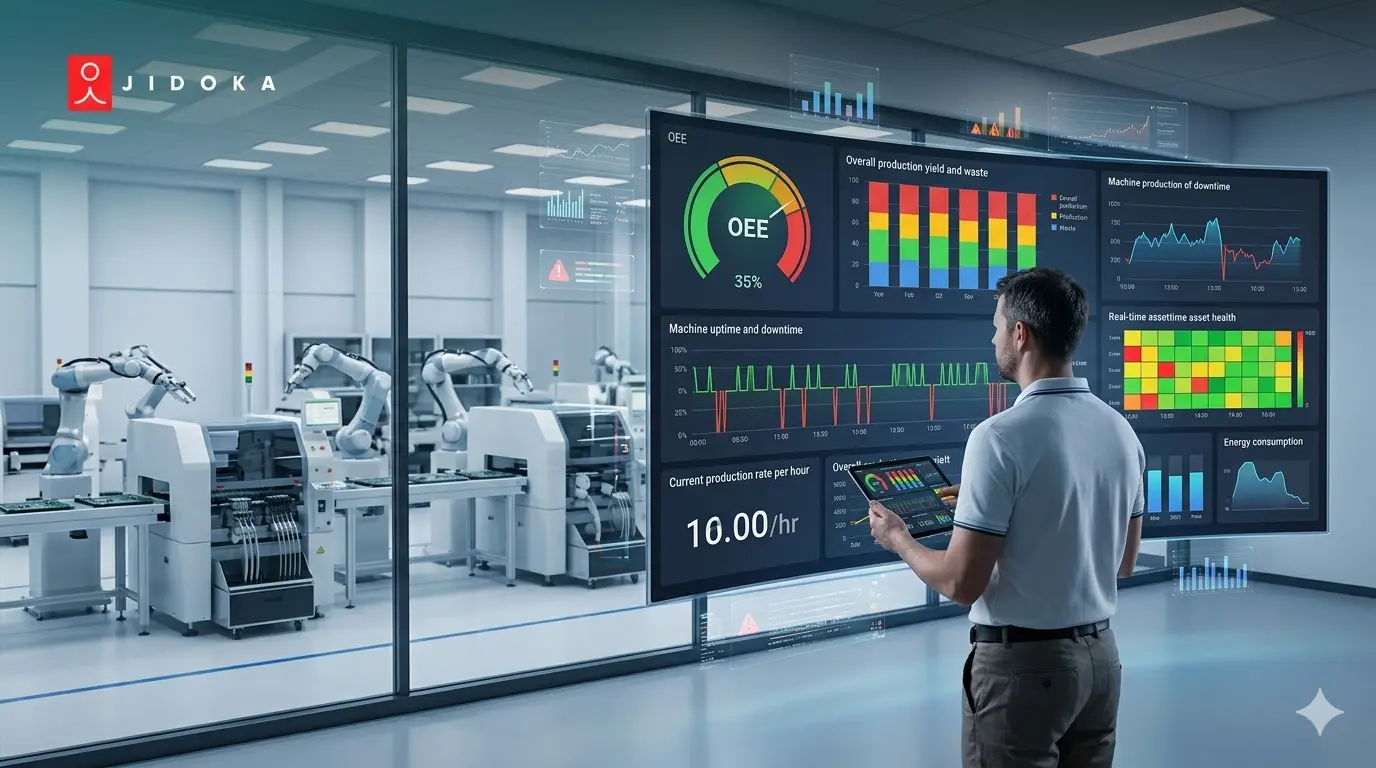
Las plantas industriales de la India han alcanzado niveles de producción sin precedentes, y la automatización es la razón principal. El mercado de automatización industrial del país se proyecta que crezca de 17.28 mil millones de USD en 2025 a 28.73 mil millones de USD para 2031, avanzando a una tasa de crecimiento anual compuesta (CAGR) del 8.41%. Mientras tanto, el 54% de las empresas manufactureras indias ya han implementado tecnologías de IA y análisis en sus líneas de producción activas.
El impulso no proviene de un solo sector. Más de 50 mil millones de USD en nuevos anuncios de fabricación durante 2024-2025 establecieron una base sólida para la demanda de automatización, con plantas automotrices y de electrónica especificando controladores programables y robots colaborativos como equipo esencial, no como mejoras opcionales.
Los desembolsos del esquema PLI vinculados al cumplimiento de la Industria 4.0 han acelerado aún más la adopción entre los fabricantes del mercado medio que anteriormente no podían justificar la inversión de capital.
Esta guía analiza las 10 principales empresas de automatización industrial que operan en la India en 2026: clasificadas por lo que realmente hacen dentro de las fábricas, no solo por lo que dice su marketing.
Las 10 principales empresas de automatización industrial en la India (2026)
Las diez empresas a continuación abarcan inspección nativa de IA, infraestructura global de PLC/SCADA, robótica de origen indio y control de procesos especializado. Cada entrada se evalúa por la profundidad de su tecnología, su enfoque industrial y la evidencia verificada de implementaciones específicas en la India.
1. Jidoka Technologies
Descripción general: Jidoka Technologies desarrolla sistemas de inspección por IA que funcionan bajo la presión real de la producción. Su equipo alinea cámaras, iluminación, temporización de PLC y unidades de borde para que el sistema funcione en todos los turnos. Las plantas que utilizan la configuración de Jidoka reportan un rendimiento constante de más de 12,000 piezas por minuto y hasta 300 millones de inspecciones al día.
Características:
- KOMPASS Inspector: Más del 99,8 % de precisión en líneas de producción en vivo, revisión de fotogramas en menos de 10 ms, aprendizaje de nuevas variantes con un 60-70 % menos de muestras: gestiona metales reflectantes, superficies impresas y piezas texturizadas
- Analista de procesos NAGARE: rastrea el 100 % de los pasos de ensamblaje a través de cámaras existentes, detecta piezas faltantes o secuencias incorrectas en tiempo real, reduce el retrabajo en un 20-35 %
- La inspección por IA completa se ejecuta en unidades locales de borde (edge): sin dependencia de la nube, sin riesgo de latencia, sin retrasos en la producción.
Ideal para: Inspección visual impulsada por IA, detección de defectos y automatización de calidad para líneas de automoción, electrónica, farmacéutica y bienes de consumo masivo (FMCG)
Industrias: Automoción, electrónica, farmacéutica, bienes de consumo masivo (FMCG)
Aspectos destacados: Se integra directamente en la infraestructura de producción y transporte existente: no requiere una renovación completa de la línea. Cada resultado de inspección se incorpora a datos de calidad auditables sobre los que los sistemas SCADA o MES pueden actuar de inmediato.
2. Siemens India
Descripción general: Siemens India es líder en implementaciones de PLC y SCADA tanto en el sector privado como en la infraestructura gubernamental. Su plataforma Totally Integrated Automation (TIA) conecta PLC, SCADA y simulación de gemelos digitales bajo una misma arquitectura. En noviembre de 2025, Siemens India obtuvo un pedido de 800 millones de rupias de BHEL para sistemas de control distribuido en dos unidades supercríticas en Chhattisgarh.
Características:
- TIA Portal: marco de ingeniería unificado que conecta PLC, accionamientos, HMI y sistemas de seguridad en todas las plantas de producción
- Sistemas de automatización SIMATIC integrados con la plataforma de gemelos digitales Xcelerator para flujos de trabajo de simulación antes de la implementación
- Aumento documentado del 25 % en la eficiencia de producción y 15 % de reducción energética para fabricantes de automóviles en la India que implementan soluciones de líneas de ensamblaje inteligentes
Ideal para: Transformación digital a gran escala en los sectores automotriz, cementero, farmacéutico y de generación de energía
Industrias: Automotriz, cementera, generación de energía, farmacéutica, infraestructura
Destacado: Posee la mayor presencia en proyectos de infraestructura gubernamental y empresarial en la India: es el proveedor de referencia para proyectos industriales nacionales de ciclo largo.
3. ABB India
Descripción general: La plataforma Ability de ABB India fusiona robótica, control de movimiento y análisis predictivo en una arquitectura conectada. En enero de 2026, ABB India firmó un acuerdo plurianual de 500 millones de rupias con Tata Steel para implementar las soluciones digitales ABB Ability en cinco plantas siderúrgicas. En octubre de 2025, ABB amplió sus instalaciones de Peenya en Bengaluru, aumentando en un 25 % su capacidad de variadores de velocidad, lo que redujo los plazos de entrega para los clientes indios.
Características:
- Controlador de robot OmniCore: gestiona el movimiento, los sensores y la seguridad bajo una arquitectura única para lograr tiempos de ciclo más rápidos y un menor consumo energético
- Los robots colaborativos (cobots) se utilizan ampliamente en la fabricación por contrato de productos electrónicos para tareas de precisión submilimétrica.
- Análisis predictivo ABB Ability: monitoreo de condiciones y gestión de activos para los sectores metalúrgico, cementero y de servicios públicos
Ideal para: Fabricación con alta intensidad robótica, metalurgia, ensamblaje de productos electrónicos y modernización de fábricas sostenibles
Sectores: Automoción, metales, electrónica, energía, servicios públicos
Aspectos destacados: Se asoció con PwC en diciembre de 2024 para apoyar la transformación digital y la integración de criterios ESG en los fabricantes indios.
4. Schneider Electric India
Descripción general: La plataforma EcoStruxure de Schneider Electric integra la gestión energética con el control de procesos, ofreciendo a los jefes de planta visibilidad simultánea en las capas de energía, automatización y software. En febrero de 2026, Schneider Electric India inauguró en Hyderabad una planta de aparamenta de media tensión de 1.100 millones de rupias, equipada con autodiagnóstico mediante EcoStruxure.
Características:
- EcoStruxure: integración en tiempo real de la gestión energética y la automatización de procesos: supervisa y ajusta ambos parámetros simultáneamente
- Open Automation Movement (lanzado en India en mayo de 2025): conectividad plug-and-play independiente del proveedor en entornos de fábrica con múltiples fabricantes
- 3.200 millones de rupias destinados a tres nuevas plantas en India anunciadas en ELECRAMA 2025: prioridad a la producción local de aparamenta y controladores
Ideal para: Industrias de consumo intensivo de energía, incluyendo productos químicos, servicios públicos, bienes de consumo de alta rotación (FMCG) y fábricas con entornos de control de múltiples proveedores
Sectores: Productos químicos, servicios públicos, bienes de consumo de alta rotación (FMCG), infraestructura, procesamiento de alimentos
Aspectos destacados: El proveedor más sólido para fábricas que deben equilibrar los plazos de cumplimiento de normativas ESG con los objetivos de eficiencia operativa.
5. Rockwell Automation India
Descripción general: El hardware de Allen-Bradley junto con el software FactoryTalk proporciona una visibilidad integral de la producción en todas las implementaciones de Rockwell en la India. Rockwell planea duplicar sus ingresos en la India en un plazo de ocho años, respaldado por una planta de 80 millones de dólares en Chennai dedicada a la automatización discreta. En diciembre de 2025, Rockwell lanzó FactoryTalk Design Hub: una suite de ingeniería en la nube alineada con los estándares de validación GAMP 5 para la industria farmacéutica.
Características:
- FactoryTalk Design Hub: suite de ingeniería nativa en la nube diseñada para la validación farmacéutica GAMP 5: lanzada en diciembre de 2025
- PAC de Allen-Bradley: controladores de automatización programables modernizados que integran lógica, movimiento y seguridad en una sola unidad
- Un fabricante farmacéutico asociado que utiliza la configuración de planta conectada de Rockwell informó una mejora del 40% en la calidad de producción mediante el monitoreo del cumplimiento en tiempo real.
Ideal para: Trazabilidad en alimentos y bebidas, cumplimiento normativo farmacéutico y fabricación discreta con integración IIoT
Industrias: Farmacéutica, Alimentos y Bebidas, Automotriz, Embalaje
Destacado: La planta de Chennai posiciona a Rockwell para una entrega más rápida de controles y paneles a los fabricantes del sur de la India.
6. Honeywell Automation India
Descripción general: Honeywell Automation India ofrece DCS, PLC y análisis de Honeywell Forge para industrias de procesos críticos donde la seguridad y el tiempo de actividad no son negociables. La empresa reportó un mayor crecimiento en sus ganancias e ingresos trimestrales en noviembre de 2025, vinculado a una mejor ejecución de pedidos y una mayor actividad en las actualizaciones de refinerías y servicios públicos en la India.
Características:
- Honeywell Forge: una plataforma de análisis industrial que conecta los datos operativos con paneles de control de seguridad y cumplimiento en tiempo real
- DCS y sistemas de seguridad para petróleo, gas, petroquímica y refinación: construidos bajo los estándares de seguridad funcional IEC 61511
- Modelo de servicios de ciclo de vida: obtiene contratos recurrentes a medida que los operadores de refinerías en la India endurecen los requisitos de cumplimiento de emisiones y seguridad
Ideal para: Petróleo y gas, productos químicos y refinerías que requieren servicios de seguridad de procesos, DCS y automatización del ciclo de vida
Industrias: Petróleo y gas, productos químicos, refinerías, servicios públicos, farmacéutica
Destacado: El proveedor más sólido para instalaciones donde la certificación de instrumentos de seguridad y el cumplimiento de las normativas de emisiones determinan las decisiones de compra.
7. Larsen and Toubro (L&T) Automation
Descripción general: L&T Automation gestiona grandes proyectos de ingeniería a medida que los proveedores globales suelen evitar. Su experiencia en EPC a lo largo de décadas de ejecución de proyectos nacionales los convierte en la opción predeterminada para la automatización de infraestructuras nacionales de ciclo largo, especialmente cuando la adquisición, la construcción y la puesta en marcha deben realizarse bajo un mismo contrato.
Características:
- Entrega EPC completa: ingeniería, adquisición y construcción bajo un mismo contrato para la automatización industrial a gran escala
- Integración de sistemas de control para plantas de energía, tratamiento de agua, señalización de metro y actualizaciones de DCS en refinerías
- Relaciones establecidas con organismos gubernamentales indios y empresas del sector público en los sectores de energía e infraestructura
Ideal para: Automatización a escala de infraestructura en refinerías, metro, ciudades inteligentes y redes de servicios públicos
Industrias: Refinerías, metro, ciudades inteligentes, energía, tratamiento de agua
Destacado: Socio preferente para proyectos que requieren cumplimiento de adquisiciones nacionales y responsabilidad a largo plazo como contratista gubernamental.
8. Tata Elxsi
Descripción general: Tata Elxsi combina sistemas embebidos, soluciones basadas en IA y diseño industrial de una forma que pocos proveedores de automatización especializados pueden replicar. Su experiencia en investigación y desarrollo de ingeniería los posiciona como la opción ideal para fabricantes que necesitan una automatización alineada con los estándares globales de los fabricantes de equipos originales (OEM), y no solo con los requisitos de implementación local.
Características:
- Sistemas embebidos e IoT industrial: firmware de automatización personalizado y capas de conectividad para proveedores automotrices de primer nivel (Tier-1)
- marcos de trabajo de IA para calidad predictiva y optimización de la producción: diseñados para integrarse con la infraestructura de MES y ERP existente
- Diseño para el cumplimiento normativo: soluciones de automatización creadas para satisfacer los requisitos de documentación de las normas IATF 16949, ISO 13485 y AS9100 para el sector aeroespacial
Ideal para: Fabricantes de los sectores automotriz, aeroespacial y de la salud que necesitan una automatización alineada con los estándares globales de cumplimiento de los OEM
Industrias: Automotriz, Aeroespacial, Salud, Electrónica de consumo
Aspectos destacados: Sus importantes asociaciones globales con OEM convierten a Tata Elxsi en el socio de integración preferido para los fabricantes que abastecen cadenas de suministro orientadas a la exportación.
9. Wipro PARI
Descripción general: Wipro PARI integra IA y análisis con robótica industrial, enfocándose en fabricantes que están pasando de la detección manual de defectos a sistemas de calidad automatizados. Su fortaleza radica en cerrar la brecha entre los sistemas de TI a nivel empresarial y la tecnología operativa en la planta: conectando celdas de trabajo robóticas con sistemas de datos que los gerentes de planta realmente pueden interpretar.
Características:
- Detección de defectos basada en IA integrada con sistemas de inspección robótica para paneles de carrocería automotriz, bienes de consumo y ensamblajes
- Habilitación de fábricas inteligentes: conecta celdas de trabajo robóticas con capas de MES y ERP para obtener inteligencia de producción en tiempo real
- Integración de sistemas para celdas multirrobot: gestiona la ingeniería de celdas de trabajo, la integración de PLC y la certificación de seguridad
Ideal para: Automatización del control de calidad, integración robótica y habilitación de fábricas inteligentes para fabricantes que realizan la transición desde la inspección manual
Industrias: Automotriz, bienes de consumo, electrónica, fabricación general
Destacado: Especialmente sólido para fabricantes que operan líneas de producción de modelos mixtos que requieren configuraciones de inspección robótica flexibles y reconfigurables.
10. Addverb Technologies
Descripción general: Addverb Technologies se ha convertido en una de las empresas de automatización de almacenes más reconocidas de Asia, respaldada por una participación significativa de Reliance Industries. Su gama de productos abarca Zippy (AMR flexible para preparación de pedidos de mercancía a persona), Veloce (robot de clasificación de alta velocidad) y Dynamo (AMR de carga pesada para entornos de fabricación), cubriendo toda la cadena de intralogística.
Características:
- Robots móviles autónomos: los AMR Zippy, Veloce y Dynamo cubren tareas de preparación de pedidos, clasificación y fabricación de carga pesada
- Sistemas automatizados de almacenamiento y recuperación (AS/RS): reducen los tiempos de preparación de pedidos y los errores de inventario en la distribución vinculada a la fabricación
- Software de gestión de almacenes integrado con la flota de AMR: una plataforma única para la coordinación de robots y la visibilidad del inventario
Ideal para: Automatización de fabricación adyacente al almacén, robots móviles autónomos e intralogística conectada a líneas de producción
Industrias: Preparación de pedidos de comercio electrónico, distribución de fabricación, bienes de consumo de alta rotación (FMCG), logística minorista
Destacado: El respaldo de Reliance Industries otorga a Addverb una escala de distribución y una capacidad de implementación que pocas startups de robótica de la India pueden igualar.
Tendencias para 2026 que definen la automatización de la manufactura inteligente en la India
Cinco cambios estructurales están definiendo cómo las fábricas indias eligen e implementan sistemas de automatización en 2026. Comprender estas tendencias ayuda a los fabricantes a alinear la selección de proveedores con el rumbo de la industria, y no solo con su pasado.
1. El mantenimiento predictivo impulsado por IA pasa de piloto a estándar
El mercado de IA en la manufactura de la India se proyecta que alcance los 4890 millones de dólares para 2030 con una tasa de crecimiento anual compuesta (CAGR) del 41,5 %, donde el aprendizaje automático ocupa la mayor cuota en mantenimiento predictivo y optimización de la producción.
Las plantas que implementaron sensores de monitoreo de condiciones hace tres años ahora están integrando inferencia de IA: pasando de la reparación reactiva al mantenimiento programado, lo que reduce el tiempo de inactividad no planificado entre un 20 % y un 30 %.
2. La implementación de cobots se acelera en la electrónica
Los fabricantes de productos electrónicos por contrato implementaron más de 1200 robots colaborativos en 2025 para lograr la precisión de colocación submilimétrica requerida por las marcas globales de teléfonos inteligentes. Los cobots son especialmente valiosos en líneas de alta mezcla y bajo volumen, donde las celdas robóticas completas son excesivas y el ensamblaje manual es demasiado propenso a errores para los estándares de calidad de exportación.
3. Los gemelos digitales pasan de la simulación a la producción
La simulación virtual de líneas de ensamblaje es ahora un estándar en los proveedores de nivel 1 en Chennai y Pune. Los gemelos digitales se utilizan para validar previamente los cambios en las líneas, optimizar los turnos de trabajo y capacitar a los operarios en nuevas variantes de productos, todo sin tocar el equipo físico. Siemens y Rockwell son los principales proveedores que impulsan esta capacidad en la India.
4. La arquitectura de automatización abierta reemplaza la dependencia de proveedores exclusivos
El movimiento de automatización abierta de Schneider Electric, lanzado en la India en mayo de 2025, refleja un cambio de mercado más amplio: las fábricas del mercado medio se resisten a los ecosistemas de un solo proveedor.
La conectividad plug-and-play, neutral respecto al proveedor, es ahora un requisito de adquisición en las plantas de alimentos, bebidas y empaquetado, donde los equipos provienen de múltiples países y deben comunicarse mediante protocolos estándar.
5. La automatización ecológica está vinculada a los plazos de cumplimiento de ESG
El monitoreo automatizado de la energía ya no es una medida de control de costos: es un requisito normativo. Las normas de motores IE3-plus de la Oficina de Eficiencia Energética y los marcos de informes ESG están obligando a los fabricantes a conectar los datos de consumo eléctrico a los paneles de control de producción. La inversión de 140 millones de rupias de ABB en capacidad de motores de eficiencia ultra premium apunta directamente a esta demanda regulatoria.
Cómo Jidoka Technologies le ayuda a construir fábricas sin defectos a la velocidad de la línea
La mayoría de la automatización de manufactura se limita al movimiento y el control. Jidoka Technologies va un nivel más allá: hacia lo que su línea está produciendo realmente. Nuestros sistemas de inspección visual impulsados por IA detectan defectos superficiales, discrepancias dimensionales y errores de ensamblaje en tiempo real, antes de que una unidad defectuosa salga de la línea: a través de 300 millones de inspecciones por día si la línea lo requiere.
Para los fabricantes que gestionan operaciones de gran volumen y alta variedad de SKU en los sectores automotriz, electrónico o farmacéutico, Jidoka se integra directamente en la infraestructura de transporte y líneas de producción existentes: sin necesidad de renovar toda la línea ni proyectos de integración prolongados. El resultado es cuantificable:
- KOMPASS ofrece una precisión de inspección superior al 99,8% en líneas de producción en tiempo real, analizando cada fotograma en menos de 10 ms
- NAGARE supervisa el 100% de los pasos de ensamblaje a través de cámaras existentes y reduce el retrabajo entre un 20% y un 35%
- La implementación completa en el borde (edge) elimina la dependencia de la nube: sin riesgos de latencia ni exposición de la seguridad de los datos
Si su línea produce a gran escala y sus datos de calidad aún provienen de muestreos al final de la línea, vale la pena que hablemos. Reserve una demostración con el equipo de Jidoka para ver cómo su sistema de inspección por IA se adapta a su configuración de producción específica.
Conclusión
El mercado de automatización industrial de la India ya no se concentra en uno o dos actores dominantes. El panorama de 2026 premia la experiencia sectorial: una planta farmacéutica requiere una automatización fundamentalmente distinta a la de una línea de ensamblaje de vehículos eléctricos, y las empresas que triunfan son aquellas que comprenden esa distinción antes de que llegue la solicitud de propuesta (RFP).
Los cinco proveedores globales (Siemens, ABB, Schneider, Rockwell, Honeywell) controlan aproximadamente entre el 45% y el 50% de los ingresos en la India y ofrecen paquetes integrales de hardware y software. Sin embargo, empresas de origen indio como Jidoka Technologies, Addverb y Wipro PARI están ganando proyectos donde la velocidad de implementación local, la agilidad de ingeniería y la estructura de costos son más importantes que el reconocimiento de marca global.
Utilice el marco de coincidencia vertical de esta guía, valídelo con una prueba piloto en su caso de uso específico y priorice a los socios que ya operan a gran escala dentro de su clúster industrial.
Si la inspección de calidad mediante IA está en su hoja de ruta para 2026, exploremos cómo se configura Jidoka en su línea de producción.
Blogs relacionados
Inspección de calidad en la fabricación: todos los métodos, etapas y estándares explicados
- ¿Qué es la inspección de control de calidad? (Guía 2026)
- Proceso de garantía de calidad: definición, funciones y métodos
- Inspección y control de calidad: una referencia práctica para ingenieros de planta
- Inspección de calidad del producto: lista de verificación paso a paso desde el IQC hasta la liberación final
- Los 25 mejores sistemas de inspección visual por IA para el control de calidad en 2025
- Lista de verificación de inspección de fabricación: lo que todo equipo de control de calidad debe verificar en cada etapa
Monitoreo de la producción: la guía completa de 2026 para equipos de fabricación
- Las 8 mejores herramientas de monitoreo de producción para la automatización industrial en 2026
- ¿Qué es el software de monitoreo de procesos de producción? (Y cómo Nagare lo redefine)
- Cómo configurar el monitoreo de producción en tiempo real utilizando su infraestructura de cámaras existente
- Monitoreo de OEE en tiempo real sin sensores nuevos: guía práctica
- Análisis de CCTV para la fabricación: cómo convertir cámaras pasivas en una capa de inteligencia operativa
- Nagare: de CCTV a monitoreo de operaciones en tiempo real (2026)
Automatización industrial en 2026: tendencias, tecnologías y ejemplos del mundo real
- ¿Conoce alguna empresa de automatización de fábricas? ¡Sí, las conocemos!
- Todos los tipos de soluciones de automatización de fábricas + lista de marcas reconocidas
- Las 10 mejores empresas de automatización industrial en la India en 2026
- ¿Qué es la automatización industrial? Los 5 componentes principales para 2026
- Optimización de la fabricación en 2026: por qué la monitorización con IA supera a los métodos Lean tradicionales
- Optimización de procesos de fabricación en 2026: un marco que combina Lean e IA
Sistemas de inspección en la fabricación: tipos, casos de uso y criterios de selección
- 7 tipos de sistemas de inspección de calidad automatizados (2026)
- ¿Qué sistema de visión industrial gana: la IA o las reglas tradicionales?
- ¿Cómo funciona un sistema de inspección automatizado?
- Inspección de maquinaria: comparativa de todos los métodos, desde la medición manual hasta la visión por IA
- Los 7 mejores sistemas de visión para inspección de calidad en 2025
- ¿Qué máquina de inspección visual elegir en 2025?
¿Qué es la inspección visual por IA? Una guía para principiantes
- ¿Cómo funciona la inspección por visión artificial? ¿Cómo se configura?
- ¿Qué es un sistema de inspección por IA y cómo funciona?
- Detección de defectos con IA: guía para alcanzar un 99,9 % de precisión en 2026
- Los 5 mejores softwares de inspección por IA en la India
- 10 proveedores de sistemas de inspección visual por IA que debe evaluar hoy mismo
- Casos de éxito: resultados reales de la detección visual de defectos con IA
Gestión de calidad total en la fabricación: principios, implementación y evolución impulsada por la IA
- Optimización de procesos Six Sigma con IA | Cerrando el ciclo DMAIC
- Mejora continua en la fabricación: marcos de trabajo, herramientas y el valor añadido de la IA en 2026
- Fabricación a la primera: la métrica, el método y los sistemas de IA
- Análisis de causa raíz: definición, métodos y ejemplos para 2026
- FMEA en la fabricación: cómo funciona el análisis de modos de fallo y dónde la IA cierra el ciclo
- Mantenimiento productivo total (TPM): qué es y cómo la monitorización por IA proporciona los datos necesarios
Trazabilidad en la fabricación: una guía práctica para 2026
- Análisis de datos de fabricación: convertir los datos de planta en decisiones de calidad y eficiencia
- Informes de no conformidad en la fabricación: cómo redactarlos, hacerles seguimiento y evitar su recurrencia
- Panel de KPI de fabricación: las 12 métricas que todo jefe de planta debería ver en tiempo real
- Cumplimiento de los SOP en la fabricación: pasos y auditorías (2026)
- ¿Qué es el OEE? Cómo calcularlo (guía 2026)
Monitorización de fábricas inteligentes: qué requiere realmente y cómo lo ofrece Nagare
- IIoT en la fabricación: cómo el IoT industrial y la visión por IA están transformando el control de calidad
- ¿Qué es la fabricación inteligente? Guía actualizada 2026
- ¿Qué es exactamente la inteligencia de fabricación? Tendencias, casos de uso y ejemplos
- Gemelo digital en la fabricación: qué es, cómo funciona y por qué lo necesitan los equipos de calidad
- Software de monitorización de trabajadores para la fabricación: qué se puede medir, qué es ético y qué funciona
- 5 herramientas de monitorización de flujo de trabajo que reducen los cuellos de botella en la fabricación sin necesidad de nuevo hardware
Producto relacionado
KOMPASS Vision AI: inspección cognitiva de productos en 360° a 12 000 PPM
- KOMPASS frente a los métodos de inspección tradicionales (Guía 2026)
- Cognex frente a Landing AI: Comparativa a fondo para inspección por visión
- Lincode frente a Jidoka: Análisis y reseña comparativa
- Visión artificial para el control de calidad: Explicación de KOMPASS frente a Nagare
- Software de gestión de calidad en fábrica: Lo que Nagare y KOMPASS hacen y los sistemas heredados no pueden
- Los 25 mejores sistemas de inspección visual por IA para el control de calidad en 2025
- 10 proveedores de sistemas de inspección visual por IA que debe evaluar hoy mismo
- Detección de defectos mediante IA: Guía para una precisión del 99,9 % en 2026
Nagare™ Vision AI para el ensamblaje en tiempo real y la optimización de procesos
- Nagare: De CCTV a la monitorización de operaciones en tiempo real (2026)
- Visión artificial para el control de calidad: Explicación de KOMPASS frente a Nagare
- Monitorización de fábricas inteligentes: Qué requiere realmente y cómo lo ofrece Nagare
- ¿Qué es el software de monitorización de procesos de producción? (Y cómo lo redefine Nagare)
- Inspección de líneas de ensamblaje con IA: Cómo Nagare detecta errores de fabricación antes de que avancen en la cadena
- Monitorización de la producción: La guía completa de 2026 para equipos de fabricación
- Monitorización de OEE en tiempo real sin sensores nuevos: Guía práctica
- Software MES frente a monitorización de procesos por IA: Qué deberían elegir los fabricantes del mercado medio en 2026
Suite de hardware de visión modular para inspección por IA
- Las 10 mejores cámaras para visión artificial según el caso de uso
- Los 5 mejores sistemas de cámaras industriales para aplicaciones de visión artificial
- ¿Qué son las cámaras industriales y cómo ayudan a detectar defectos?
- Integraciones de sistemas de visión: todo lo que necesita saber
- ¿Cómo optimizar la implementación de su sistema de visión artificial?
- ¡Los 3 mejores sistemas de inspección por visión 3D del mundo!
Caso de uso relacionado
Detección de defectos con IA para cero fugas y calidad integrada en la fabricación
- Detección de defectos con IA: guía de precisión del 99,9 % para 2026
- Cómo detecta la IA los defectos superficiales: técnicas y tecnologías
- Detección automatizada de defectos, visión artificial y todo lo que necesita saber
- ¿Cómo detectar defectos superficiales de forma eficaz con visión artificial?
- Análisis de defectos de producción: cómo identificar las causas raíz antes de que provoquen paradas de línea
- Control de calidad predictivo: cómo la IA transforma la fabricación de la inspección a la prevención
Instrucciones de trabajo digitales basadas en IA y Poka Yoke para el ensamblaje
- Procedimientos operativos estándar digitales: manual de implementación para plantas de producción
- Software de instrucciones de trabajo digitales: qué hace y qué buscar
- Dispositivos Poka Yoke en 2026: desde accesorios físicos hasta la prevención de errores mediante IA
- 15 ejemplos de Poka Yoke: prevención de errores en el mundo real
Precisión de inventario en tiempo real con visión por IA para fabricación y logística
- 7 beneficios clave de la verificación física de existencias en 2026
- ¿Qué es la gestión de inventario? Tipos y beneficios en 2026
- Los 20 mejores programas de gestión de inventario de almacenes en la India en 2026
- Los 8 mejores programas de gestión de inventario de fabricación en 2026
Precisión en el kitting y verificación en tiempo real mediante IA
- Verificación de kitting en la fabricación: cómo eliminar errores en los kits desde el origen
- Las 10 mejores máquinas contadoras de piezas pequeñas para conteo y embolsado a granel
- Máquina contadora de tornillos: ¿cómo funciona el conteo por visión para elementos de fijación?
Verificación de etiquetas y reconocimiento de texto mediante IA para eliminar errores de etiquetado
- Inspección de etiquetas: ¡no pase por alto estos pasos importantes!
- Inspección de embalaje: casos de uso, calidad de impresión, OCR, fallos de sellado y daños
Inspección de ensamblaje y trazabilidad mediante IA para fabricación y logística
- Inspección de líneas de ensamblaje con IA: cómo Nagare detecta errores de montaje antes de que avancen en la cadena
- Calidad en la fabricación de productos electrónicos: cómo supervisar la precisión del ensamblaje sin reducir el rendimiento
- Inspección del primer artículo: una guía paso a paso para fabricantes que lanzan piezas nuevas
Clasificación y conteo mediante IA para la categorización en tiempo real en la fabricación
- Clasificación robótica con visión artificial: ¿cómo funciona la clasificación de preparación de pedidos?
- Máquina de empaquetado con conteo por visión: qué hace y dónde encaja en el proceso de embalaje
- Las 10 mejores máquinas contadoras de piezas pequeñas para conteo y embolsado a granel
Formación de operarios y evaluación de competencias mediante IA para la fabricación
- Software de supervisión de trabajadores para la fabricación: qué se puede medir, qué es ético y qué funciona
- Metodología 5S en la fabricación ajustada: la base que toda fábrica inteligente necesita antes de implementar IA
Página del sector relacionado
Visión artificial para control de calidad automotriz: inspección 360°, verificación de ensamblaje y OCR
- Control de calidad automotriz en 2026: cómo el monitoreo de procesos con IA cumple con la norma IATF 16949
- Inspección del primer artículo: guía paso a paso para fabricantes que lanzan piezas nuevas
- AMEF en la fabricación: cómo funciona el análisis de modos de falla y dónde la IA cierra el ciclo
Visión artificial para inspección electrónica: calidad de soldaduras, PCB y conectores
- Las mejores herramientas de IA para la inspección de PCB en la fabricación de productos electrónicos
- Inspección de pasta de soldadura: todo lo que necesita saber en 2026
- Inspección de uniones de soldadura por rayos X: defectos, vacíos, puentes, circuitos abiertos y cortocircuitos
- Calidad en la fabricación de productos electrónicos: cómo monitorear la precisión del ensamblaje sin reducir el rendimiento
- Métodos de inspección de obleas: clasificación de defectos basada en óptica, haz de electrones e IA
Visión artificial para bienes de consumo rápido (FMCG): inspección de calidad, verificación de empaquetado, kits y OCR
- Control de calidad en FMCG: por qué los fabricantes de bienes de consumo están adoptando el monitoreo de procesos con IA
- Control de calidad en la fabricación de alimentos: cómo las cámaras con IA reemplazan las auditorías reactivas por monitoreo en tiempo real
- Inspección de nivel de llenado: guía para principiantes
- Inspección de sellado mediante visión artificial frente a cámaras térmicas: ¿cuándo funciona cada una?
Inspección visual con IA para la fabricación general: soldaduras, ensamblajes y componentes
- Automatización industrial en 2026: tendencias, tecnologías y ejemplos del mundo real
- Inspección de calidad en la fabricación: explicación de todos los métodos, etapas y estándares
- 7 beneficios de la visión artificial en plantas de fabricación
- Fabricación de software de calidad: cómo evaluar, comparar y elegir la plataforma adecuada en 2026
Visión artificial para una calidad y cumplimiento farmacéutico del 99,5 %
- Gestión de calidad farmacéutica: uniendo el cumplimiento de las BPF con la monitorización de procesos en tiempo real
- Autoinspección de BPF: qué verifican realmente los auditores y cómo ayuda la monitorización mediante IA
- Los 10 mejores proveedores de inspección de tabletas y cápsulas de 2025
Soluciones de visión artificial para almacenamiento y logística: inventario, preparación de kits y etiquetas
- Automatización de almacenes explicada: guía actualizada 2026
- ¿Qué es la gestión de almacenes? Guía 2026
- El mejor software de gestión de inventario de almacenes en la India en 2026
- El futuro de la optimización de la cadena de suministro en la fabricación ajustada
- Inspección previa al envío: cómo realizarla, qué comprobar y cómo la IA la hace más rápida
Preguntas frecuentes
1. ¿Cuál es la empresa de automatización industrial más grande de la India?
Siemens India posee la mayor presencia en proyectos de infraestructura gubernamentales y empresariales, respaldada por décadas de implementación local y una completa gama de hardware y software que abarca PLC, SCADA y gemelos digitales. Las cinco principales multinacionales (Siemens, ABB, Schneider, Rockwell y Honeywell) concentraron en conjunto una cuota de ingresos estimada del 45-50 % en el mercado de automatización industrial de la India en 2025.
2. ¿Qué empresa de origen indio lidera la robótica de fabricación y la automatización de almacenes?
Addverb Technologies es el actor local más activo en robótica industrial y sistemas móviles autónomos, con el respaldo de Reliance Industries. Su gama de productos AMR abarca el cumplimiento de pedidos de mercancía a persona, la clasificación de alta velocidad y entornos de fabricación de carga pesada, con implementaciones en operaciones de distribución vinculadas a la fabricación en toda la India y a nivel internacional.
3. ¿Es asequible la automatización de la fabricación para las MIPYMES indias en 2026?
Las soluciones de automatización de nivel básico basadas en IoT y edge computing comienzan ahora en 5-10 lakh de rupias para configuraciones básicas de PLC, HMI y sensores. La automatización parcial de líneas de tamaño mediano con SCADA suele oscilar entre 50 lakh y 2 millones de rupias. La automatización completa de plantas con robótica y gemelos digitales comienza a partir de 5 millones de rupias. La caída en los costes de los sensores y las plataformas de control modulares basadas en SaaS han hecho que la automatización de nivel básico sea realmente accesible para las MIPYMES.
4. ¿Qué papel desempeña el plan PLI en la adopción de la automatización de la fabricación?
El programa PLI de la India ha generado inversiones por valor de 1,46 billones de rupias en catorce sectores hasta agosto de 2025, con desembolsos vinculados al cumplimiento de la Industria 4.0. Esto incentiva directamente a las fábricas a automatizar y digitalizar sus líneas de producción: los fabricantes que cumplen con los estándares de automatización califican para niveles de incentivos PLI más altos, lo que acelera el retorno de la inversión en automatización.
5. ¿Cuál es la diferencia entre la automatización industrial y la automatización de fábricas?
La automatización de fábricas se centra específicamente en las líneas de producción: robots, PLC, cintas transportadoras y sistemas de ensamblaje que controlan cómo se fabrican los productos. La automatización industrial es más amplia y abarca industrias de procesos como el petróleo, el gas, los servicios públicos y los productos químicos, donde el objetivo es controlar procesos continuos en lugar del ensamblaje de productos discretos. La mayoría de las empresas de esta lista operan en ambas categorías.
6. ¿Qué sectores están impulsando la mayor inversión en automatización en la India en 2026?
El sector automotriz lidera con una penetración de automatización del 35-40%, seguido por el farmacéutico con un 25-30% y el procesamiento de alimentos con un 15-20%. La fabricación de productos electrónicos y semiconductores son los sectores verticales de más rápido crecimiento en 2025-2026, debido a las entradas de capital vinculadas al PLI y a los mandatos de calidad de los OEM globales que exigen datos de inspección documentados y repetibles a los fabricantes por contrato de la India.