.jpg)
La mayoría de las fábricas recopilan una gran cantidad de datos, pero siguen teniendo dificultades para tomar decisiones. El mercado de la inteligencia de fabricación alcanzará los 4100 millones de dólares en 2025. Los líderes del sector reconocen este cambio. Deloitte informa que el 55% de los fabricantes ya utiliza herramientas de IA generativa para mejorar sus operaciones. La implementación de soluciones de fabricación inteligente reduce el tiempo de inactividad no planificado hasta en un 50%.
TXI Digital señala que la inteligencia de fabricación se centra en utilizar datos de producción en tiempo real para tomar decisiones más rápidas. Analizamos qué significa esto, las tendencias que ganarán escala en 2025 y cómo son las implementaciones en planta hoy en día.
¿Qué es la inteligencia de fabricación? Más allá de los paneles de control hacia decisiones reales
A menudo, los gerentes confunden la recopilación de datos con la verdadera inteligencia de fabricación. Puede que tenga sensores que rastrean la vibración, pero si un operario todavía tiene que adivinar cuándo fallará un motor, le falta inteligencia. El software de inteligencia de fabricación resuelve esta brecha: procesa los datos de producción en tiempo real para decirle a su equipo exactamente qué reparar y cuándo.
La pila de MI: desde los datos brutos de planta hasta la acción de ciclo cerrado
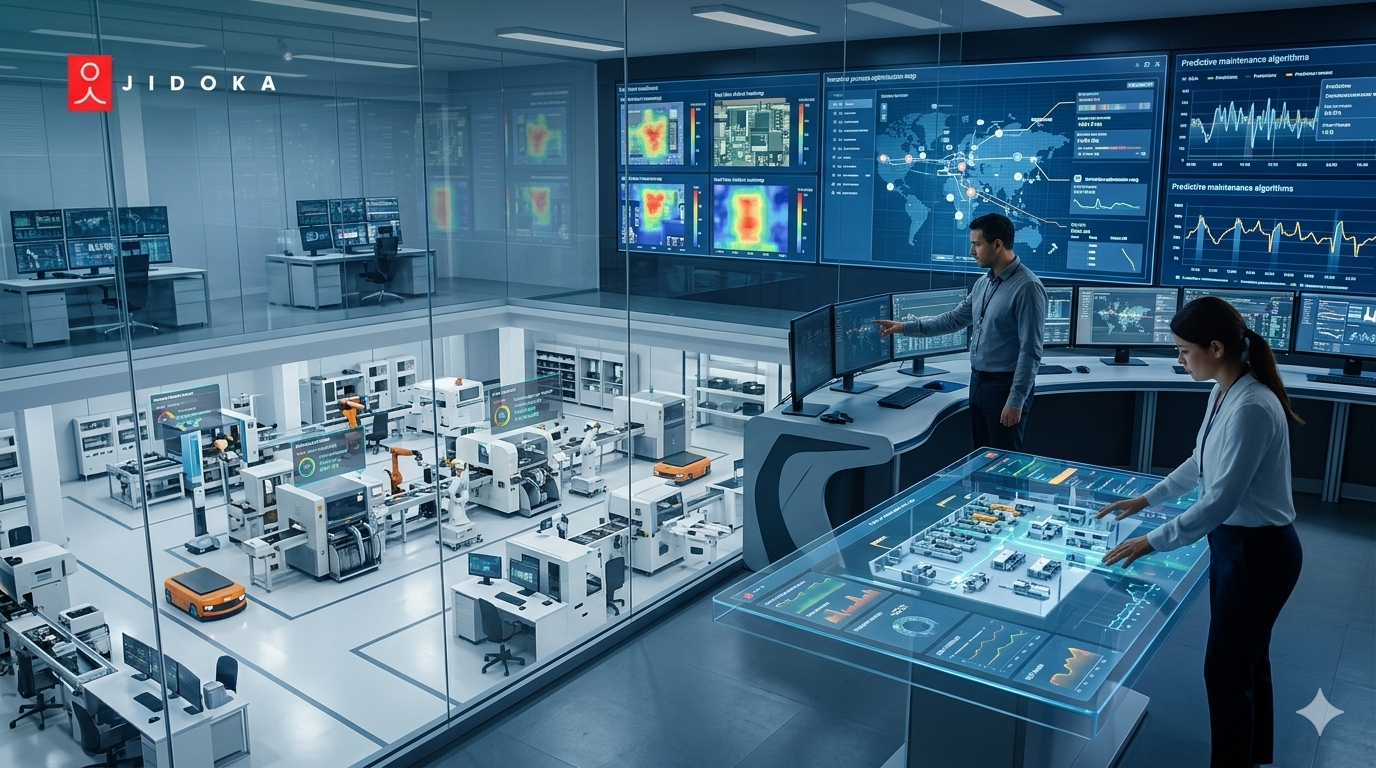
Una verdadera pila de inteligencia de fabricación atraviesa cuatro capas distintas. Primero, las máquinas generan datos brutos. A continuación, el sistema contextualiza esos datos en formatos legibles. En tercer lugar, aplica análisis de IoT industrial para detectar patrones ocultos.
Finalmente, proporciona acciones prescriptivas. El sistema deja de informar sobre problemas y comienza a resolverlos directamente. Esta configuración impulsa soluciones de fabricación inteligente que se adaptan sin necesidad de intervención humana constante.
MI vs. MES vs. ERP: por qué no son intercambiables
Estos sistemas realizan trabajos completamente diferentes. Su ERP gestiona las cadenas de suministro y la contabilidad. Su sistema de ejecución de fabricación (MES) gestiona el flujo físico de materiales. La inteligencia de fabricación sirve de puente entre estas herramientas separadas: extrae datos financieros del ERP y tasas de producción del MES, y luego ejecuta una planificación de producción impulsada por IA para optimizar ambos conjuntos de datos. Así, obtiene una visión unificada de toda su operación.
Comprender esta arquitectura le prepara para aplicar las tendencias específicas que dominan las plantas de producción este año.
4 soluciones y tendencias de fabricación inteligente que definen las plantas de producción en 2025
Las plantas líderes ya no tratan las soluciones de fabricación inteligente como simples experimentos. El paso de la fase de prueba a la de escalado es el tema que define el 2025. Necesita saber cómo la inteligencia de fabricación cambia el trabajo diario en su planta.
La IA generativa pasa de la fase piloto a la producción: por fin
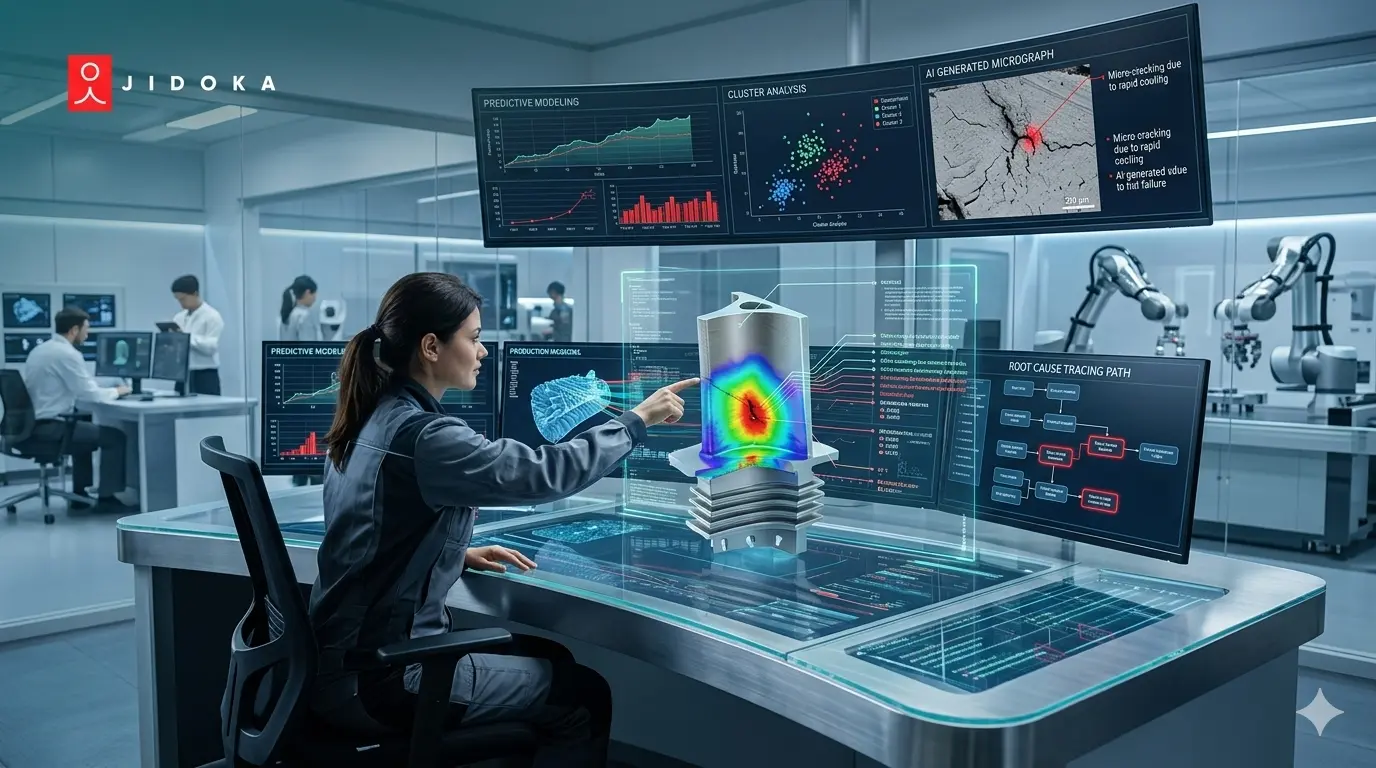
La IA generativa ha superado los simples chats para convertirse en una "IA agente" capaz de razonar ante problemas. Estos sistemas utilizan inteligencia de fabricación para identificar causas raíz, verificar el inventario de piezas y generar órdenes de trabajo de forma autónoma. Actúa como un compañero de trabajo digital, ayudando a su equipo a escalar su experiencia mediante una mejor inteligencia de fabricación.
La IA de borde lleva la inteligencia de fabricación al nivel de la máquina
La latencia arruina las decisiones en tiempo real en líneas de alta velocidad. La IA de borde traslada la potencia de procesamiento directamente a cámaras y PLC. Esto permite un control de calidad por visión artificial en fracciones de segundo, sin las demoras de la nube. Ahora puede detectar defectos y detener líneas en milisegundos utilizando datos de producción procesados in situ en tiempo real.
Los sistemas prescriptivos reemplazan a las alertas predictivas
El mantenimiento predictivo le indica cuándo podría fallar una bomba. El software de inteligencia de fabricación prescriptiva le dice exactamente qué hacer al respecto. El mantenimiento predictivo moderno en la fabricación utiliza ahora sistemas autónomos para ajustar los parámetros operativos. Esto integra una "capacidad de recuperación" en su estrategia de inteligencia de fabricación.
Los gemelos digitales pasan de ser herramientas de diseño a activos operativos en vivo
La fabricación con gemelos digitales ya no es solo para la preproducción. Los modelos vivos ahora funcionan junto a las líneas activas, integrándose con su sistema de ejecución de fabricación. Puede ejecutar escenarios de simulación para ver cómo los cambios de material afectan la optimización del OEE o la planificación de la producción impulsada por IA antes de tocar los controles físicos.
Utilizar análisis de IoT industrial dentro de un marco más amplio de inteligencia de fabricación empresarial le ayuda a mantener su competitividad. La tecnología de fábrica inteligente solo funciona si ofrece resultados.
Estas tendencias se vuelven concretas cuando observa cómo resuelven problemas específicos y cotidianos de la producción.
Casos de uso de inteligencia de fabricación con ejemplos del mundo real
Los datos por sí solos no solucionarán sus tasas de desperdicio. Necesita inteligencia de fabricación para convertir las observaciones en correcciones. Veamos cómo los líderes mundiales utilizan estas soluciones de fabricación inteligente para mantenerse a la vanguardia.
Inspección visual de calidad: detectar defectos antes de que salgan de la línea
Las comprobaciones manuales no logran seguir el ritmo de la producción de alta velocidad. Las empresas ahora utilizan el control de calidad por visión artificial para detectar fallos en milisegundos.
- General Motors: En 2025, GM aplicó sistemas robóticos basados en IA en sus líneas. Esta aplicación de inteligencia de fabricación mejoró la detección de fallos en un 25%.
- Tesla: Al utilizar modelos de aprendizaje profundo para inspecciones autónomas, Tesla aumentó la identificación de fallos en un 28% en sus gigafábricas.
Estos sistemas utilizan datos de producción en tiempo real para garantizar que cada unidad cumpla con los estándares sin ralentizar la línea. Esta es una parte fundamental de la tecnología de fábrica inteligente moderna.
Mantenimiento predictivo y prescriptivo: cerrando el ciclo
La mayoría de las plantas esperan a que suenen las alarmas. El mantenimiento predictivo en la fabricación utiliza análisis de IoT industrial para actuar antes de que ocurra una avería.
- Siemens: Gracias al uso de sistemas de IA, Siemens redujo el tiempo de inactividad de sus equipos en un 30 % en Alemania.
- Tetra Pak: Este líder en envasado ahorró a sus clientes más de 140 horas de inactividad al programar las reparaciones según el desgaste real, y no solo por calendario.
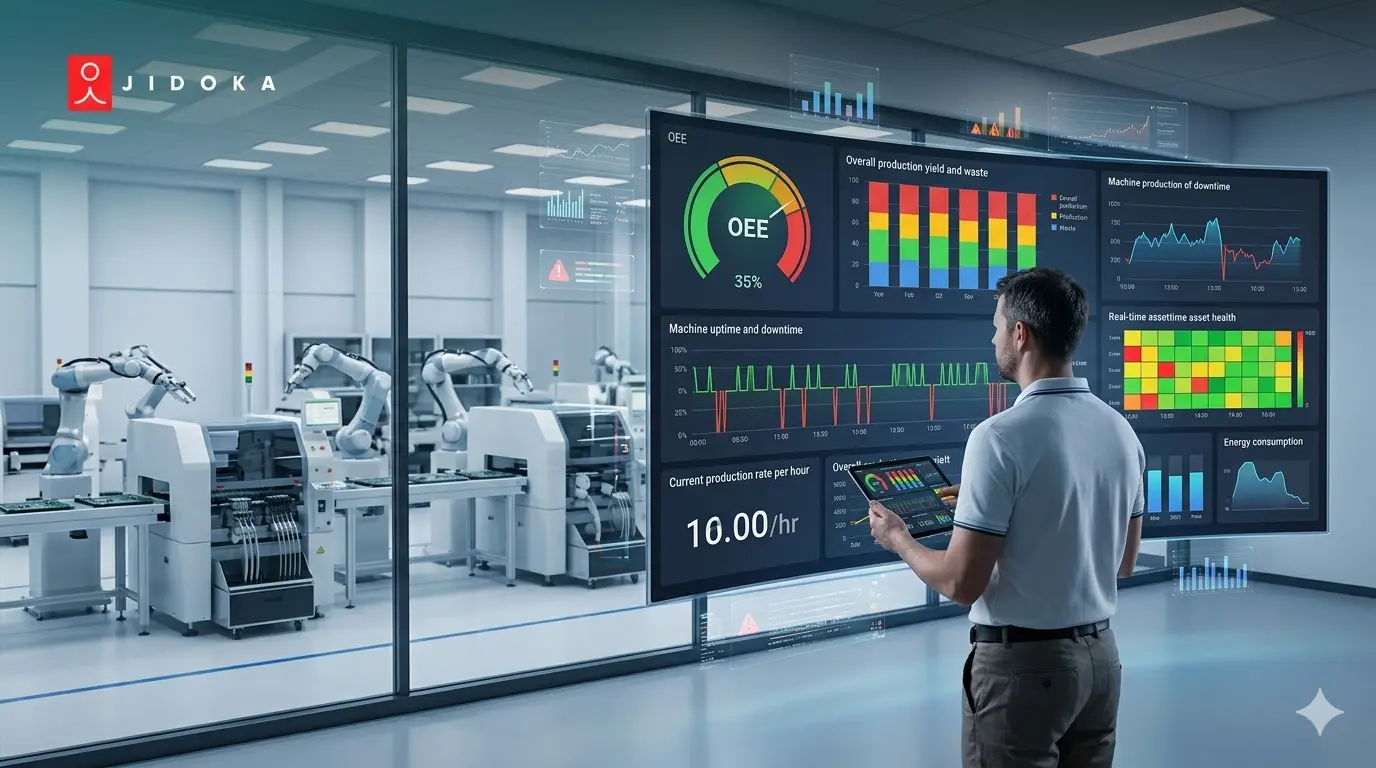
El software moderno de inteligencia de fabricación ahora actúa de forma autónoma. Comprueba la disponibilidad de piezas en su sistema de ejecución de fabricación y programa a los técnicos sin necesidad de intervención humana. Este cambio protege la optimización de su OEE y reduce los residuos.
Planificación de producción adaptativa: respuesta a la demanda
Cuando las cadenas de suministro cambian, la planificación manual falla. La planificación de la producción impulsada por IA es actualmente la aplicación de mayor crecimiento en el sector. La inteligencia de fabricación conecta su planta directamente con la demanda del mercado. Si un proveedor falla, el sistema recalcula automáticamente los requisitos. Este enfoque de inteligencia de fabricación empresarial mantiene sus líneas operativas incluso cuando cambian los factores externos.
Aplicar la inteligencia de fabricación en estas áreas garantiza que su planta siga siendo rentable y flexible. El siguiente paso es elegir una plataforma que integre esta lógica directamente en su hardware actual.
Cómo Jidoka Technologies integra el software de inteligencia de fabricación directamente en su línea de producción
La mayoría de las plantas tienen dificultades con los controles de calidad inconsistentes y el "retraso en la nube". Jidoka Technologies resuelve estos inconvenientes integrando el software de inteligencia de fabricación directamente en su hardware.
Nos centramos en una inteligencia de fabricación capaz de procesar más de 12 000 piezas por minuto. Al sincronizar la iluminación y la temporización del PLC, garantizamos que sus soluciones de fabricación inteligente funcionen bajo una presión intensa.
- KOMPASS: Alcanza una precisión del 99,8 % en el control de calidad mediante visión artificial, revisando fotogramas en menos de 10 ms, incluso en superficies reflectantes.
- NAGARE: Utiliza datos de producción en tiempo real para realizar un seguimiento de los pasos de montaje, reduciendo el retrabajo hasta en un 35 % al detectar piezas faltantes.
- Procesamiento en el borde (Edge): Se ejecuta localmente para evitar la latencia y proteger la optimización de su OEE.
Jidoka convierte su hardware en un motor de datos de alta velocidad, asegurando que su estrategia de inteligencia de fabricación genere un retorno de la inversión medible.
Contacte con Jidoka para ver cómo este software de inteligencia de fabricación se adapta a sus objetivos de producción específicos.
Conclusión
La inteligencia de fabricación transforma su planta de una simple colección de máquinas en un sistema nervioso receptivo. Los líderes del sector ganan al ir más allá de los datos brutos y utilizar software de inteligencia de fabricación para impulsar los resultados en planta. Reducir el tiempo entre la detección y la corrección es su mayor ventaja competitiva.
La integración de soluciones de fabricación inteligente a través de plataformas como Jidoka garantiza que su línea funcione como un motor de autooptimización. Cada byte de inteligencia de fabricación debe activar una acción específica. Céntrese en el procesamiento en el borde (edge) para mantener el control de calidad mediante visión artificial y los estándares de rendimiento hasta 2025.
Programe una auditoría de línea gratuita con Jidoka para ver cómo este software de inteligencia de fabricación puede adaptar sus equipos actuales para una producción sin defectos.
Preguntas frecuentes
1. ¿Qué es la inteligencia de fabricación y en qué se diferencia de la fabricación inteligente (smart manufacturing)?
La tecnología de fábrica inteligente representa la visión general de una planta conectada. La inteligencia de fabricación proporciona el software específico y la analítica de IoT industrial necesarios para hacer realidad esa visión. Se centra en convertir los datos de producción en tiempo real en decisiones que generen beneficios en la planta.
2. ¿Qué tecnologías impulsan un sistema de inteligencia de fabricación?
Estos sistemas utilizan soluciones de fabricación inteligente como el control de calidad por visión artificial, el gemelo digital y el mantenimiento predictivo. Una plataforma sólida de inteligencia de fabricación empresarial conecta su sistema de ejecución de fabricación (MES) con herramientas de planificación de producción basadas en IA, garantizando que cada decisión se base en datos precisos y en vivo.
3. ¿Qué sectores de fabricación se benefician más de la inteligencia de fabricación?
La automoción, la electrónica y la farmacéutica obtienen un alto retorno de inversión (ROI) gracias a la inteligencia de fabricación. Estos sectores utilizan soluciones inteligentes para gestionar tolerancias estrictas. El software de inteligencia de fabricación ayuda a estas plantas a mantener la optimización del OEE y a escalar el control de calidad por visión artificial para gestionar requisitos de producción complejos y de alta velocidad a diario.
4. ¿Cuál es la diferencia entre la inteligencia de fabricación predictiva y la prescriptiva?
El mantenimiento predictivo pronostica cuándo podrían fallar las máquinas. La inteligencia de fabricación prescriptiva le indica exactamente cómo solucionar el problema. Al utilizar software de inteligencia de fabricación y datos de producción en tiempo real, su equipo elimina las conjeturas e implementa soluciones inteligentes específicas para evitar tiempos de inactividad.
5. ¿Cuánto tiempo se tarda en ver el retorno de inversión de una implementación de inteligencia de fabricación?
La mayoría de las plantas ven el retorno de inversión en un plazo de 3 a 6 meses. El control de calidad por visión artificial de alta velocidad y el mantenimiento predictivo ofrecen los resultados más rápidos. Un software de inteligencia de fabricación eficaz mejora la optimización de su OEE casi de inmediato al procesar datos de producción en tiempo real para eliminar residuos y errores.
6. ¿Pueden los fabricantes implementar inteligencia de fabricación sin reemplazar sus equipos actuales?
Sí. Puede añadir soluciones de fabricación inteligente a las líneas actuales utilizando dispositivos de borde (edge). El software de inteligencia de fabricación de Jidoka funciona con las cámaras existentes para proporcionar control de calidad mediante visión artificial. Esto le permite adoptar tecnología de fábrica inteligente sin necesidad de sustituir todo su hardware.