El ochenta por ciento de los almacenes en todo el mundo sigue operando sin automatización, y están pagando las consecuencias. Los costes laborales representan entre el 50 y el 70 % del presupuesto total de almacenamiento, y los salarios en el sector aumentaron entre un 7 y un 9 % interanual en 2024. El mercado global de automatización de almacenes se valoró en 31 210 millones de dólares en 2025 y se prevé que alcance los 119 860 millones de dólares para 2034, con una tasa compuesta anual del 16,13 %. En 2025 se vendieron más de 450 000 robots logísticos en todo el mundo, frente a los apenas 75 000 de 2019, lo que supone un incremento del 500 % en seis años.
Este crecimiento no se debe a una moda pasajera. Está impulsado por la escasez de mano de obra que afecta al 76 % de las operaciones de la cadena de suministro a nivel mundial y por el auge del comercio electrónico, que ha convertido la entrega en el mismo día en una expectativa básica. Esta guía explica qué es la automatización de almacenes, cómo funcionan sus tecnologías principales, cómo se traduce el retorno de inversión en implementaciones reales y qué deberían priorizar las instalaciones en 2026.
¿Qué es la automatización de almacenes? (La respuesta va más allá de los "robots")
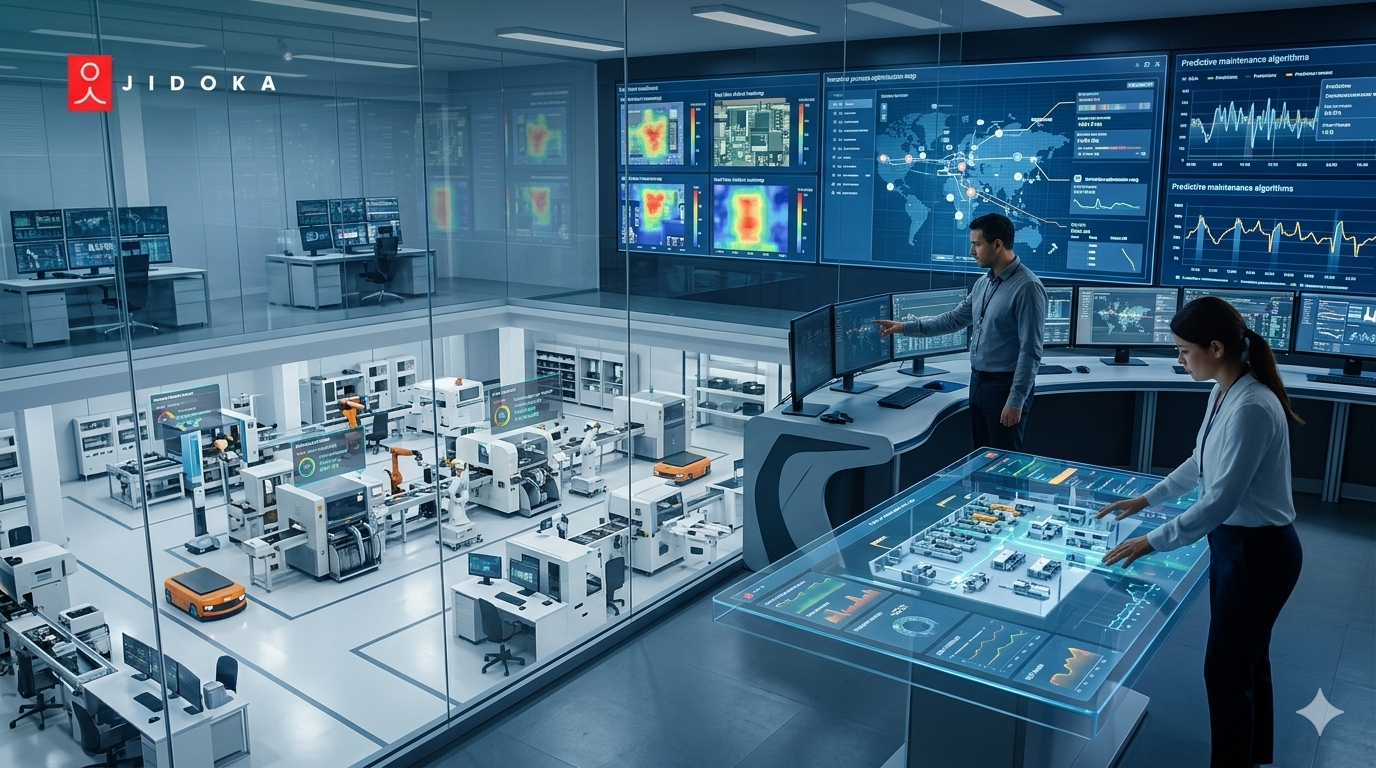
La automatización de almacenes es el uso de robótica, software de control, inteligencia artificial y hardware conectado para mover, almacenar, clasificar y realizar el seguimiento del inventario con una mínima intervención humana. No se trata de un único producto, sino de un sistema por capas. En la parte superior se encuentra un Sistema de Gestión de Almacenes (WMS) que toma las decisiones. Por debajo, equipos físicos como los AMR, los sistemas AS/RS y los sistemas de transporte ejecutan dichas decisiones.
La razón por la que la mayoría de las instalaciones subestiman lo que implica la automatización es que compran un robot y esperan resultados sin invertir en la capa de orquestación que hace que ese robot sea útil. Las instalaciones que obtienen un retorno de inversión superior al 250 % gracias a la automatización no hacen nada exótico: simplemente conectan el hardware adecuado a un software capaz de coordinarlo todo. Vea cómo la inspección de calidad mediante IA encaja en este panorama de orquestación.
Perspectiva del sector: "Tras dos décadas en la gestión de almacenes, la automatización ya no es opcional, es esencial para seguir siendo competitivos. Las empresas que adopten estas tecnologías ahora dominarán el mercado dentro de cinco años". - Total Warehouse, 2025
Las tecnologías clave que impulsan los sistemas de almacenes automatizados en 2026
Estas son las tecnologías específicas que marcan la diferencia entre las instalaciones de alto rendimiento y aquellas que siguen absorbiendo el aumento de los costes laborales sin obtener beneficios compensatorios.
AMR frente a AGV: el robot en su planta no es lo mismo
Los AGV (vehículos de guiado automático) siguen rutas fijas preestablecidas mediante marcadores en el suelo o cables guía. Son rentables en entornos estables y predecibles, pero carecen de flexibilidad ante cambios en la distribución. Los AMR (robots móviles autónomos) navegan de forma dinámica mediante LiDAR, cámaras e IA integrada, recalculando rutas en tiempo real para esquivar obstáculos sin necesidad de modificar la infraestructura.
Los AMR son la categoría de hardware con mayor crecimiento en los sistemas de almacén automatizados, con una tasa de crecimiento anual compuesto (CAGR) proyectada del 20,5 % hasta 2030. Los AMR modernos se implementan en semanas, no en trimestres. No requieren infraestructura de rutas fijas y las flotas pueden ampliarse para las temporadas altas y reducirse sin compromisos permanentes. En despliegues reales, los AMR ofrecen un periodo de recuperación de la inversión inferior a 24 meses y un ROI superior al 250 % cuando la infraestructura los respalda.
AS/RS: La tecnología que triplica silenciosamente la densidad de almacenamiento
Los sistemas de almacenamiento y recuperación automatizados (AS/RS) utilizan grúas robóticas, lanzaderas, carruseles y módulos de elevación vertical para almacenar y recuperar mercancías en configuraciones verticales de alta densidad. El mercado de AS/RS espera crecer de 10 000 millones de dólares en 2025 a 15 000 millones en 2030. Esto es lo que aporta el AS/RS en la práctica:
- Hasta un 85 % de ahorro en espacio de suelo en comparación con las estanterías convencionales, el principal atractivo para instalaciones donde los metros cuadrados son caros o escasos
- Precisión de picking de aproximadamente el 99 %, frente al 80-85 % en operaciones manuales
- El 86 % de los almacenes ya cuenta con AS/RS o está planificando activamente su implementación
- Una demanda impulsada tanto por las limitaciones de espacio vertical como por los costes laborales. Vea cómo se relaciona esto con las tendencias en automatización del control de calidad en 2026.
WMS y software de orquestación: el aspecto en el que más instalaciones se equivocan
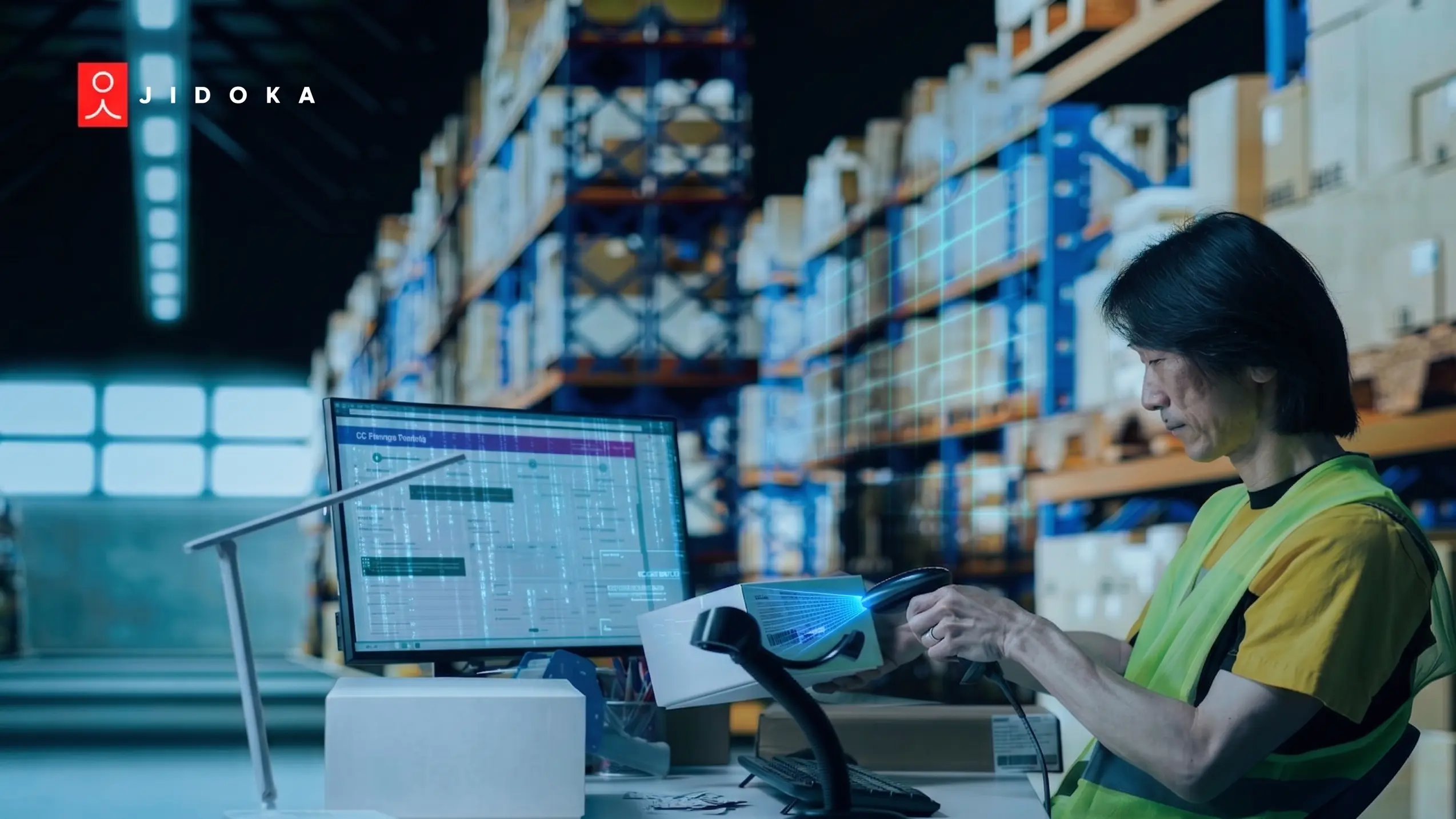
Un sistema de gestión de almacenes (WMS) es la capa de software que indica a cada componente de automatización qué hacer y cuándo. Sin un WMS configurado correctamente, los transportadores, los AMR y los AS/RS funcionan como soluciones aisladas y las mejoras en el rendimiento son mínimas.
Un WMS puede proporcionar hasta un 40 % más de capacidad de almacenamiento, un 30 % menos de operaciones de manipulación y una reducción del 99 % en los errores de inventario. Para 2024, el 70 % de los almacenes a gran escala habían adoptado soluciones WMS basadas en IA para la previsión de la demanda, la optimización del inventario y la planificación de rutas. El modelo emergente de robótica como servicio (RaaS) incluye el acceso al WMS junto con el hardware. El 72 % de las empresas de logística planea adoptar contratos RaaS que convierten los gastos de capital en costes operativos mensuales predecibles.
Lo que la robótica de almacén aporta realmente a los resultados financieros
Reducción de costes laborales: las cifras que ya no se pueden ignorar
El almacén promedio gasta más de 3,7 millones de dólares anuales solo en costes laborales, sin contar beneficios, formación o rotación de personal. Las instalaciones que utilizan AMR y almacenamiento automatizado reportan una reducción del 30-40% en costes laborales en cinco años y una disminución del 42% en los gastos operativos a cinco años en comparación con los procesos manuales.
Una implementación documentada de AMR: reasignar a cuatro trabajadores a tareas de mayor valor mediante la integración de AMR generó un periodo de recuperación de la inversión de ocho meses, uno de los casos de ROI más sólidos en el sector de la robótica para almacenes. El sesenta por ciento de los almacenes informó planes para aumentar sus presupuestos de automatización en un 20% para 2026, siendo la robótica y los AGV las principales prioridades.
Precisión en los pedidos y velocidad de cumplimiento: las dos métricas que los clientes realmente siguen
Las operaciones de picking manual tienen una precisión promedio del 80-85%. Los sistemas AS/RS y la inspección guiada por visión artificial elevan esa cifra al 99%. El mantenimiento predictivo impulsado por IA en instalaciones automatizadas ha demostrado una reducción del 60% en el tiempo de inactividad no planificado en estudios de caso documentados de 90 días.
Las plataformas de ejecución de almacenes centradas en la orquestación reducen el tiempo de inactividad en sistemas de cintas transportadoras, AS/RS y AMR al coordinar las misiones desde la capa de programación, no solo a nivel de equipo. El 79% de las empresas de cadena de suministro de alto rendimiento superan a sus competidores en crecimiento de ingresos, una correlación directa con la inversión en automatización y la consistencia en el cumplimiento. Consulte los estudios de caso de inspección visual por IA y datos de ROI de las instalaciones donde se ha implementado Jidoka.
Datos del sector: "La dirección general es clara: diseño centrado en la orquestación. Las plataformas WMS/WES que coordinan misiones entre cintas transportadoras, AS/RS, AMR y celdas robóticas reducen el tiempo de inactividad, agilizan las fusiones y acortan la recuperación ante excepciones". - Modern Materials Handling / Peerless Research Group, 2025
Cómo Jidoka Technologies ejecuta la inspección por IA en operaciones de almacén automatizadas
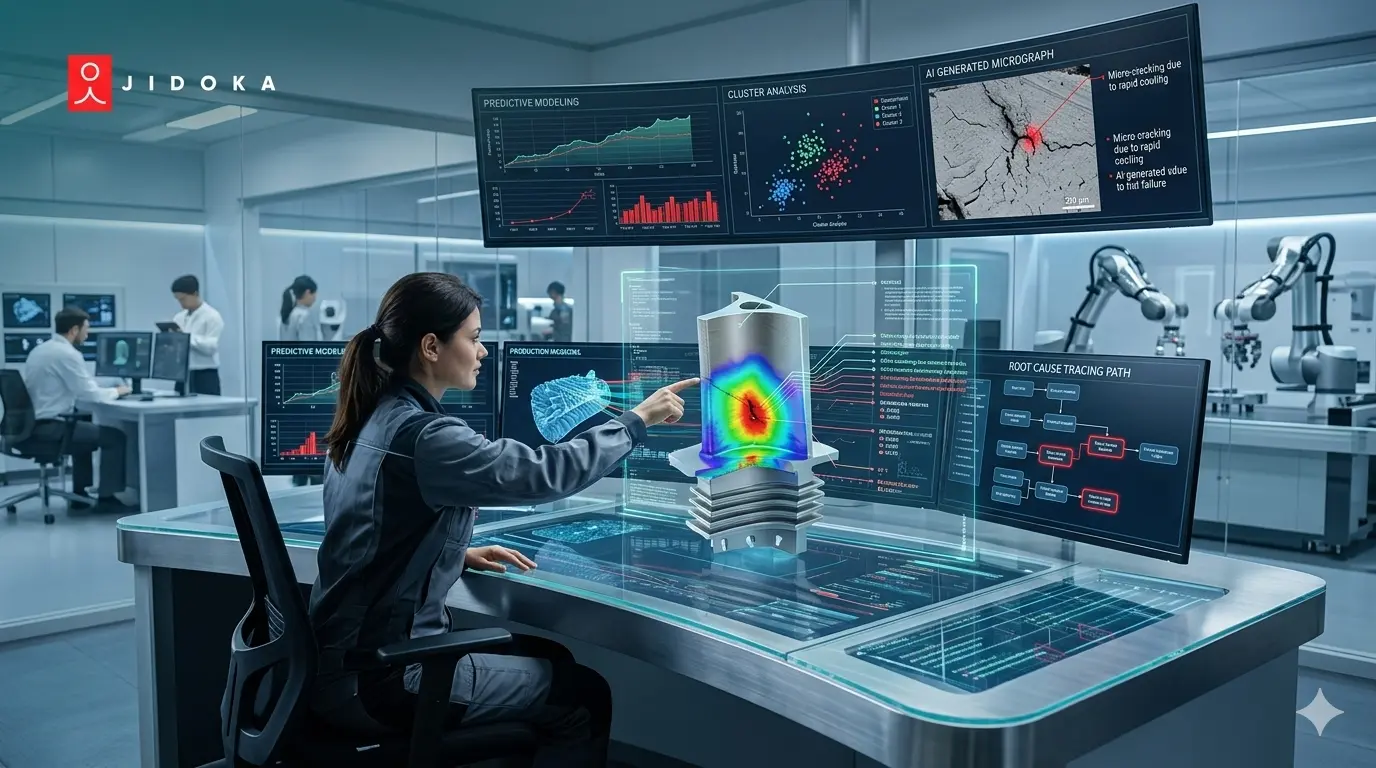
La mayoría de la automatización de almacenes falla en la capa de inspección de calidad, no en la de transporte. Los productos llegan dañados, mal etiquetados o mal ensamblados, y el sistema automatizado los mueve de todos modos. Jidoka Technologies cierra esa brecha con dos productos diseñados para entornos de almacén inteligentes.
KOMPASS es un sistema de visión artificial basado en IA que realiza inspecciones de calidad en tiempo real en puntos de control de entrada, salida o en línea. KOMPASS identifica defectos, errores dimensionales y problemas de etiquetado a la velocidad de la línea, antes de que los productos dañados o mal seleccionados provoquen devoluciones, penalizaciones o fallos en el cumplimiento de pedidos.
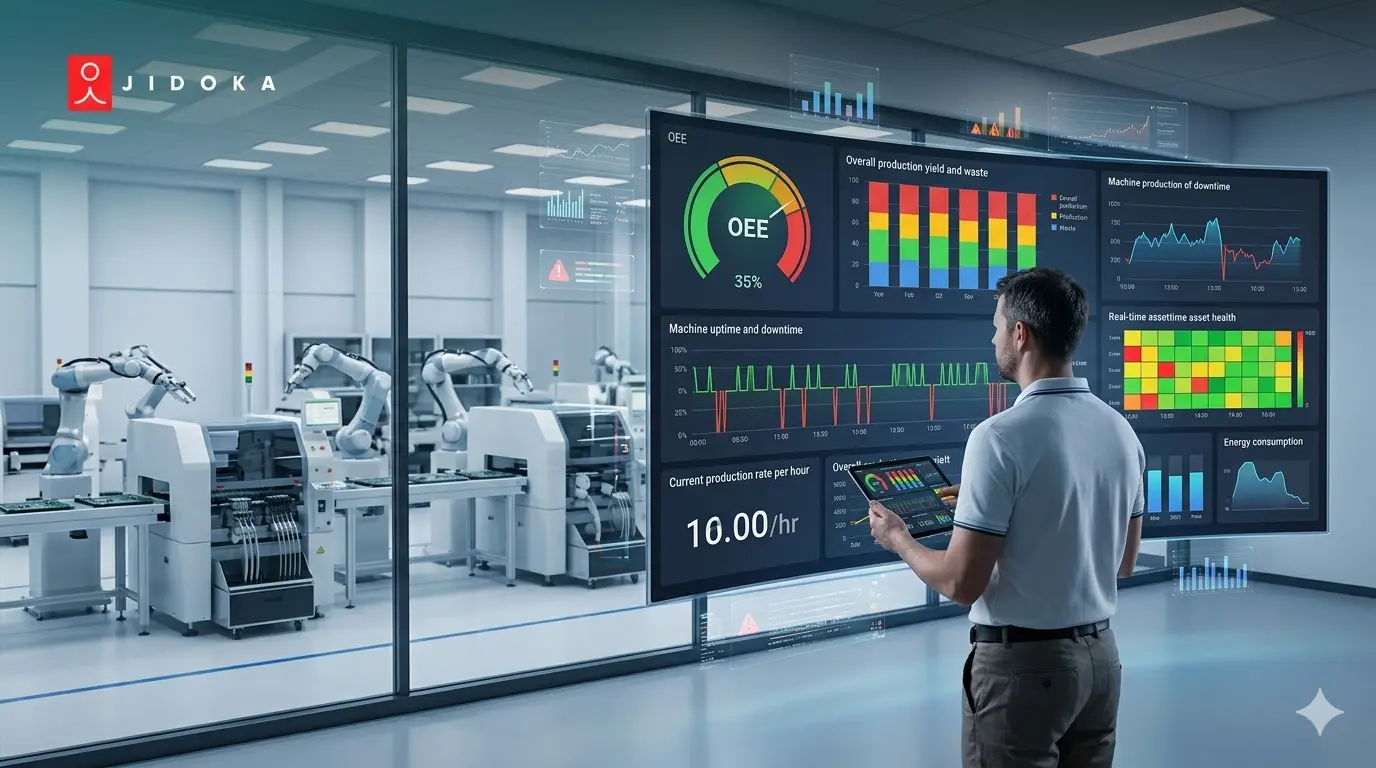
NAGARE es una plataforma de ejecución de fabricación y visibilidad de la producción que conecta los datos de planta en tiempo real con los flujos de trabajo de programación y calidad. Para almacenes que operan con sistemas híbridos de humanos y robots, NAGARE proporciona la capa de orquestación necesaria para realizar un seguimiento del rendimiento y actuar en consecuencia. Descubra cómo NAGARE evolucionó con P&G y Maruti Suzuki para ofrecer mejoras medibles en los procesos.
Tanto si una instalación está automatizando por primera vez como si está cerrando brechas de calidad en un sistema ya automatizado, ambas herramientas se integran sin necesidad de reemplazar todo el sistema. Explore la gama completa de capacidades de detección automática de defectos que soportan un rendimiento a nivel de almacén.
Conclusión
La automatización de almacenes en 2026 no consiste en reemplazar a los trabajadores. Se trata de hacer que la economía del almacenamiento sea sostenible mientras se cumplen unas expectativas de cumplimiento que no dejan de aumentar. Los AMR, los AS/RS y las plataformas WMS son la base fundamental. Pero las instalaciones que obtienen mayor rentabilidad son aquellas que orquestan bien estos sistemas, invierten en infraestructura de red antes de la implementación y cierran las brechas de inspección de calidad que el movimiento de los robots por sí solo no puede solucionar.
Si su instalación está evaluando por dónde empezar o dónde mejorar, explore cómo KOMPASS y NAGARE de Jidoka Technologies pueden proporcionar a su almacén la capa de calidad necesaria para obtener el máximo valor de cada inversión en automatización que realice.
Preguntas frecuentes sobre la automatización de almacenes
¿Qué es la automatización de almacenes y cómo funciona?
La automatización de almacenes es el uso de robots, software de IAy hardware conectado para mover, almacenar, clasificar y realizar el seguimiento del inventario con una mínima intervención manual. Un SGA coordina el sistema. Equipos físicos como los AMR, AGV y AS/RS ejecutan las tareas según las instrucciones del software, todo ello operando en tiempo real.
¿Cuál es la diferencia entre los AMR y los AGV en un almacén?
Los AGV siguen rutas fijas en el suelo y requieren infraestructura como cintas magnéticas o cables guía. Los AMR utilizan sensores integrados e IA para navegar de forma dinámica, recalculando rutas para esquivar obstáculos sin necesidad de infraestructura fija. Para almacenes con distribuciones cambiantes o una gran variedad de SKU, los AMR ofrecen mucha más flexibilidad y plazos de implementación más rápidos.
¿Cuánto tiempo se tarda en obtener el retorno de la inversión (ROI) de la automatización de almacenes?
Las implementaciones de AMR en instalaciones adecuadamente preparadas muestran un periodo de recuperación inferior a 24 meses y un ROI superior al 250% en implementaciones reales. Las instalaciones que reasignaron a sus trabajadores a tareas de mayor valor, en lugar de eliminarlas, han reportado periodos de recuperación de tan solo ocho meses. La preparación de la red y del software son los factores más importantes.
¿Pueden los almacenes pequeños y medianos permitirse la automatización en 2026?
Sí. Los modelos de Robótica como Servicio (RaaS) permiten ahora a las instalaciones acceder a AMR y plataformas SGA mediante contratos de suscripción basados en el uso, eliminando la barrera de la inversión inicial millonaria. Los sistemas AS/RS modulares también permiten a las operaciones medianas automatizar una única zona de alto volumen antes de escalar a toda la instalación.
¿Qué es un AS/RS y por qué el 86% de los almacenes lo está adoptando?
Los Sistemas Automatizados de Almacenamiento y Recuperación utilizan grúas robóticas, lanzaderas y módulos de elevación vertical para almacenar y recuperar mercancías en configuraciones verticales densas. Ahorran hasta un 85% de espacio en el suelo y elevan la precisión de preparación de pedidos a aproximadamente el 99%. Para instalaciones con espacio limitado y un gran número de SKU, los AS/RS ofrecen ganancias inmediatas en densidad. Véase también: soluciones y tipos de automatización industrial.
¿Cuál es el mayor error que cometen los almacenes al automatizar?
Comprar hardware sin invertir en software de orquestación. Los robots, transportadores y AS/RS que operan como soluciones aisladas alcanzan rápidamente sus límites de rendimiento. El segundo mayor error es omitir la infraestructura de red. Las actualizaciones cuestan entre 30.000 y 150.000 dólares y rara vez se incluyen en los presupuestos de los proveedores, pero son la base sobre la que funciona todo lo demás. Para las instalaciones que añaden inspección a su conjunto de automatización, consulte cómo funciona la inspección por visión artificial y cómo configurarla.