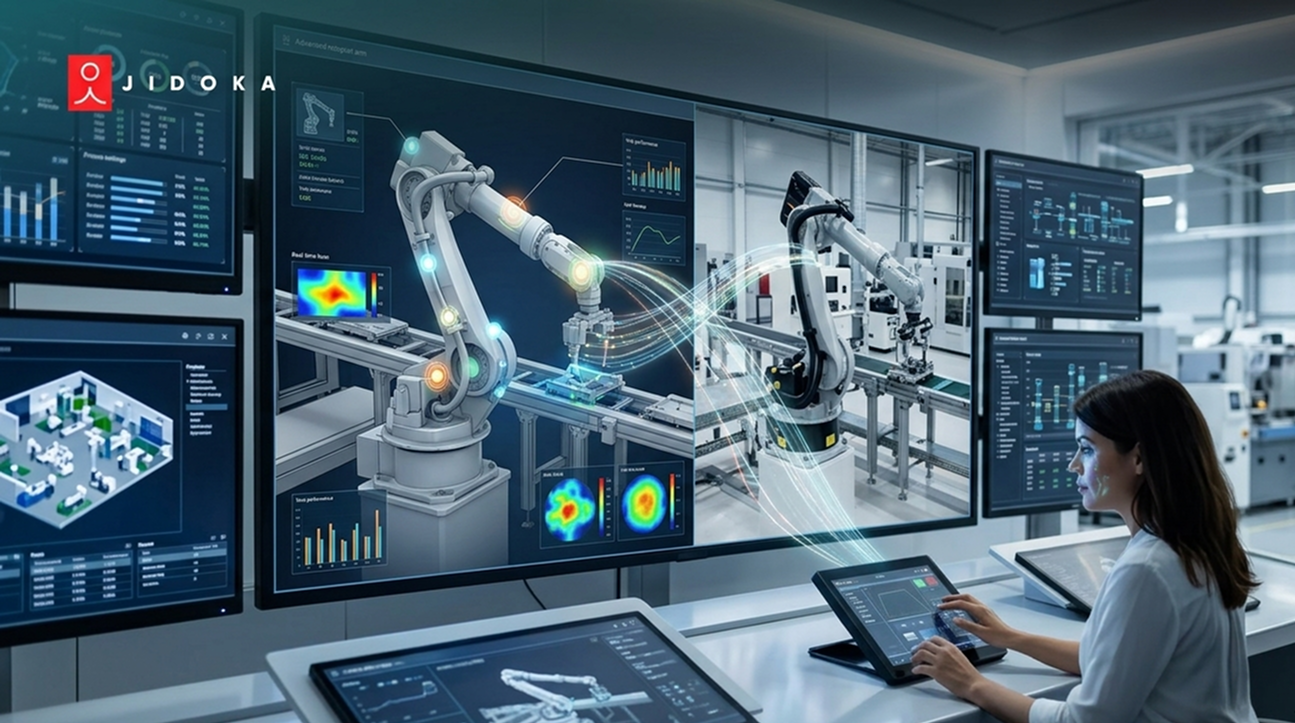
The term 'digital twin' appeared in nearly half of keynote presentations at three consecutive major manufacturing technology conferences. It was described as everything from a 3D CAD model to an autonomous AI factory.
The clarity gap between how the technology is sold and what it actually requires to function is where most digital twin pilot projects fail. A quality director who cannot distinguish between a simulation and a digital twin manufacturing system cannot evaluate which one their facility needs.
This guide establishes that distinction and builds the case for quality teams.
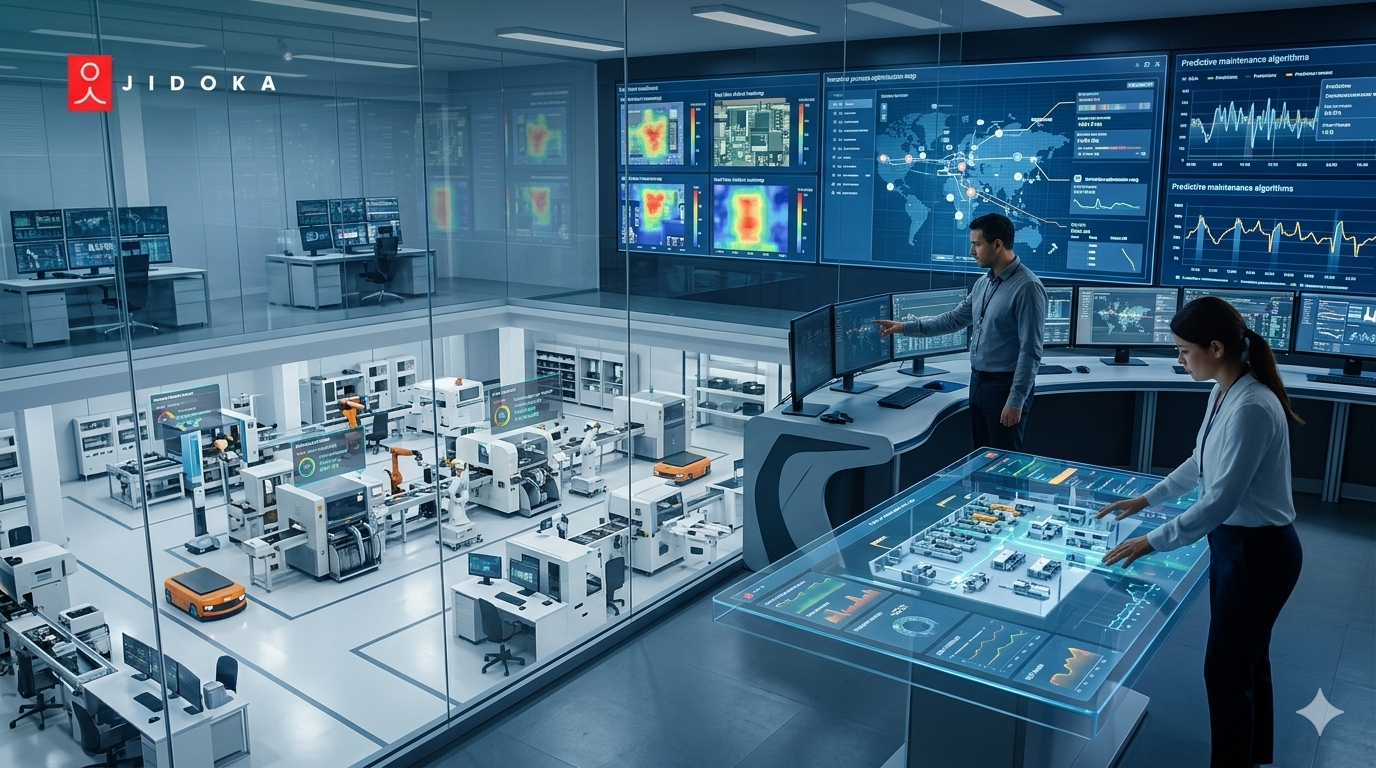
A digital twin in manufacturing is a real-time virtual replica of a physical production system, a product, a machine, a production line, or an entire factory, that updates continuously from live data. Unlike a simulation, which models a scenario once, a factory digital replica stays in sync with the physical system at all times, enabling quality teams to detect deviations, test process changes, and predict outcomes in the virtual model before they affect real production.
What a Digital Twin Actually Is, and What It Is Not
A digital twin manufacturing system is a continuously updated virtual replica of a physical production asset or process, connected to the physical system by real-time data flows. It is not a 3D model, not a one-time simulation, and not a dashboard. The data connection is what makes it a twin: remove real-time connectivity and it becomes a simulation.
The global digital twin manufacturing market grew from $21.14 billion in 2025 and is projected to reach $149.81 billion by 2030 at a compound annual growth rate of 47.9%, making it the fastest-growing technology category in industrial operations (Industrial Sage, 2025). Digital twin patent filings surged 600% between 2017 and 2025, with 2,451 applications filed in 2025 alone (PatSnap Digital Twin Tech Landscape 2026). The investment signal is clear. The implementation clarity is not.
Digital Twin vs Simulation: The Distinction That Changes the Use Case
A simulation is a one-time or periodic analysis of a specific scenario using an approximate model of the system. Output: insight about a potential future state. A digital twin production system is an ongoing, live-connected model that updates with every production event. Output: current state plus real-time recommendations.
A simulation answers 'what would happen if we changed X?' with a static, approximate model. A digital twin manufacturing system answers 'what is happening right now, and what will happen if the current trend continues?' with live production data. This distinction determines which quality decisions each tool can support.
What a Digital Twin Is Not
A real-time OEE dashboard is not a digital twin. A 3D model of a production line is not a digital twin. A PLM system with process documentation is not a digital twin. All three can feed a manufacturing simulation model or a digital twin, but none of them constitutes one. The defining requirement is bidirectional, continuous data connectivity: the physical system updates the virtual model; the virtual model generates recommendations that influence the physical system.
The Four Types of Manufacturing Digital Twins
Component twins replicate individual parts or sensors, primarily used for lifecycle tracking and component failure prediction. Asset twins replicate complete machines or equipment. System twins replicate a full production line. Factory twins replicate an entire facility across all lines, systems, and resources.
Quality teams typically start with an asset twin for a specific production line, integrating AI vision inspection data as the real-time quality input. Factory twins require complete facility-level data integration and are appropriate only after asset and system twins have been validated on individual lines. The digital twin quality control use case is most achievable at the asset and system tier.
How a Manufacturing Digital Twin Works for Quality Teams
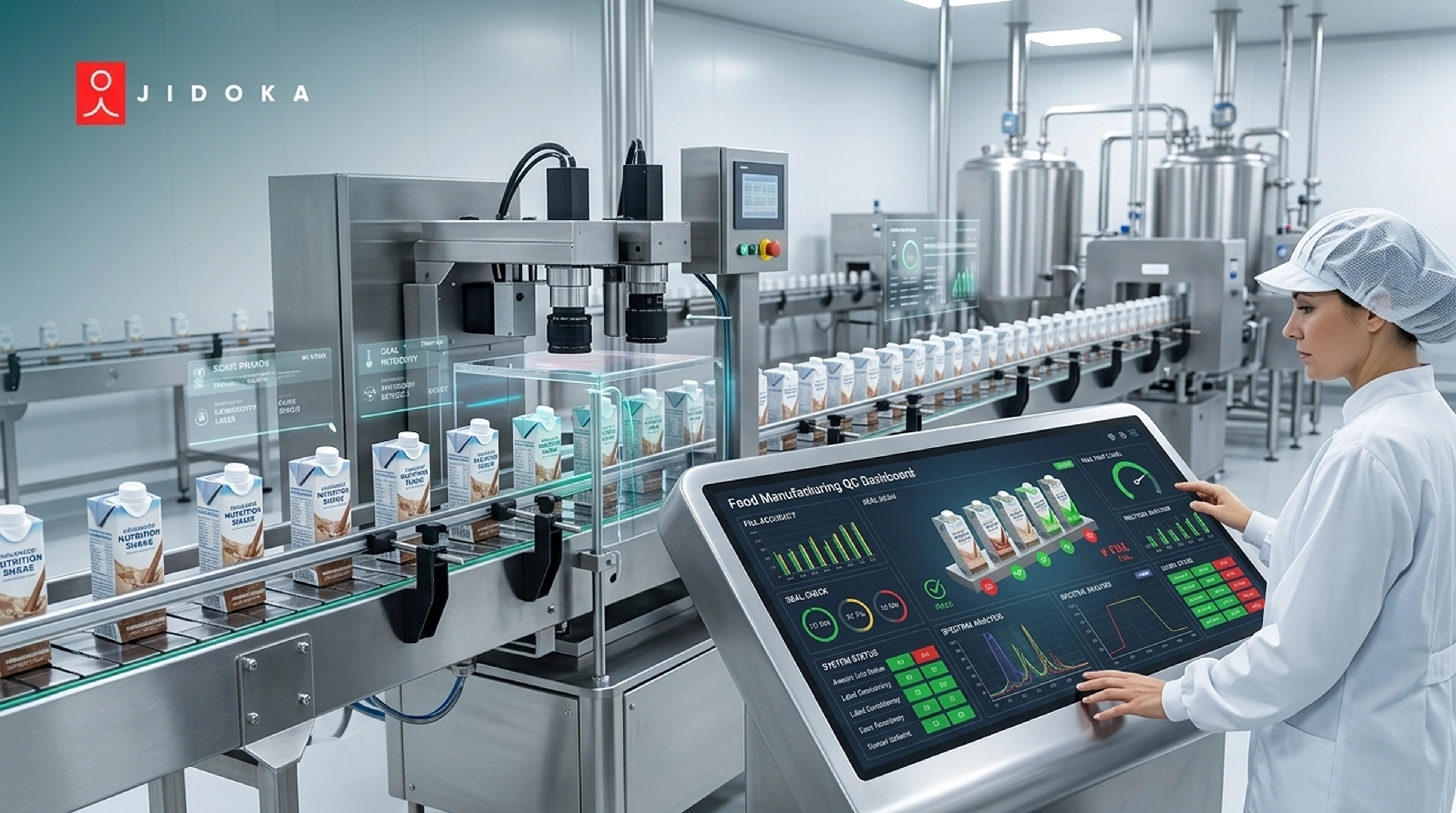
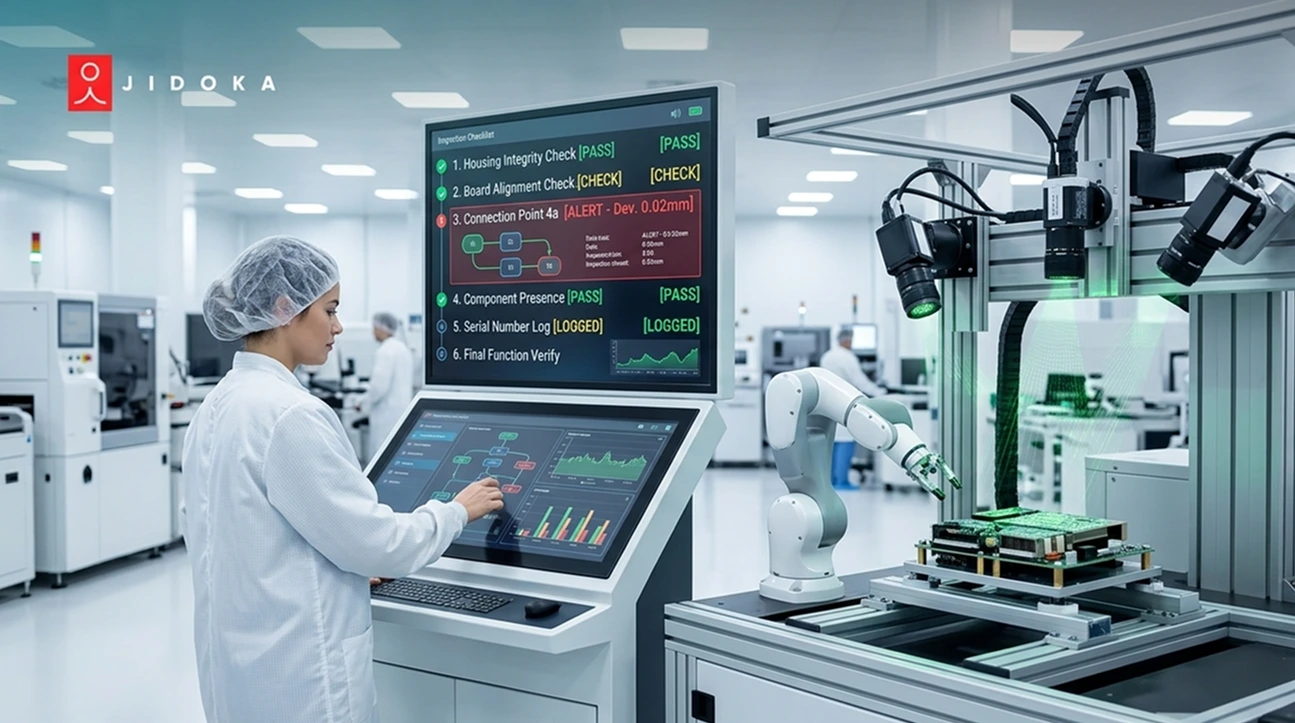
A digital twin manufacturing system works through a continuous, bidirectional data loop between the physical production line and the virtual model. KOMPASS AI vision inspection and NAGARE process monitoring provide the highest-frequency, highest-information-density structured data in that loop: defect classification, process compliance events, and timestamped inspection records at the unit level.
The Five-Step Data Loop
- Step 1: The physical production line generates events: units inspected, process steps executed, parameters measured, lots recorded.
- Step 2: KOMPASS and NAGARE capture those events as structured data streams. KOMPASS generates classified defect events per unit; NAGARE generates process compliance events per step.
- Step 3: Data integration (Layer 2 of the analytics stack) connects those streams to asset master records, shift schedules, and lot context from the MES and ERP.
- Step 4: The contextualized data updates the virtual model in near-real-time.
- Step 5: The analytics interface generates deviation alerts, what-if scenario results, and process recommendations based on the virtual model's current state.
Why KOMPASS Provides the Richest Quality Data in the Loop
A vibration sensor tells the digital twin that a machine is vibrating differently than its baseline. KOMPASS tells the digital twin that 23 units of defect type 'seal gap' appeared on Lot 2026-06-14-B between 02:14 and 02:32. The KOMPASS data carries a defect type, not just a binary pass/fail signal. That classification is what enables the virtual production model to correlate specific machine conditions with specific defect types, the cause-effect relationship that makes quality prediction possible.
NAGARE adds the process compliance layer: whether the operator executed the sealing procedure in the correct sequence, whether the verification step was completed before the seal head engaged. This operator execution data is what identifies process-origin defects that sensors cannot detect, completing the digital twin manufacturing quality data picture.
Simulation vs Digital Twin in Practice for Quality Teams
A quality team using a manufacturing simulation model can test 'what would happen if we raise seal head temperature by 3 degrees?' using historical production parameters. The simulation runs against an approximate model of the line and returns a predicted outcome.
A quality team using a digital twin manufacturing system runs the same scenario in a virtual model that mirrors the current production state, trained on KOMPASS defect history and NAGARE process compliance data from the actual line. The output is not a prediction from a generic model. It is a recommendation from a model that knows this specific machine, this specific defect history, and this specific operator SOP deviation pattern.
Three Quality Use Cases Where Digital Twins Deliver Measurable ROI
Three quality use cases deliver clear ROI from digital twin manufacturing investment: real-time quality deviation detection, process change simulation before physical implementation, and operator training on the virtual line. Each use case requires an asset twin as the minimum viable starting configuration, fed by structured AI inspection and process data.
Use Case 1: Real-Time Quality Deviation Detection
KOMPASS inspection events feed the asset twin continuously. The virtual model flags when FPY for a specific defect type is trending toward threshold, before the count triggers a shutdown. The quality alert fires on the trend, not on the event, giving the quality engineer or automated system time to intervene before the defect batch is complete.
McKinsey research on digital twin quality control shows 20% improvement in consumer promise fulfillment and 5% revenue increase from digital twin deployment at scale (iFactory Digital Twin Guide). The primary ROI driver for quality teams is scrap and rework cost avoided by catching process drift before a defect batch is produced.
Use Case 2: Process Change Simulation Before Implementation
A proposed CAPA changes the sealer dwell time. Before the quality engineer approves the change for physical implementation, the digital twin production system runs the change against the virtual model, trained on KOMPASS defect history. The model predicts the likely defect profile under the new parameter setting, including any secondary effects on adjacent process variables.
This virtual validation reduces CAPA implementation risk. It does not guarantee the correction will work on the physical line. It eliminates the most likely secondary failure modes before the correction is applied, shortening the CAPA cycle. Maintenance cost reductions of 20 to 30% and throughput improvements above 5% are reported across digital twin manufacturing implementations (Insider Monkey Digital Twin Technology).
Use Case 3: Operator Training on the Virtual Line
NAGARE digitizes the standard SOP for a production step and records actual operator execution sequences. The digital twin manufacturing asset uses that data to mirror standard work on the virtual line. New operators can train on the virtual line before being assigned to the physical station, with the training validated against the same compliance criteria the real line uses.
How to Implement a Manufacturing Digital Twin for Quality
A digital twin manufacturing implementation follows three phases: asset selection and data connection with fidelity validation (Weeks 1 to 8), alert deployment and recommendation deployment (Weeks 8 to 20), and expansion to a second asset or system twin (Months 6+). Pilot projects commonly start under $50,000 and deliver ROI signals within six months (iFactory Digital Twin Guide).
Phase 1: Asset Selection, Data Connection, and Fidelity Validation (Weeks 1 to 8)
Select the production line or machine where the quality problem is most costly. Connect KOMPASS inspection event data and NAGARE process compliance data to the integration layer. Add sensor telemetry from the target machine parameters. Validate virtual model fidelity: the model should reflect the physical line's behavior accurately enough that a process deviation visible in the sensor data produces a corresponding change in the virtual model's quality output prediction.
Start the asset twin, not the factory twin. Starting with a factory twin requires complete facility-level data integration that takes years to build. An asset twin on one critical line can be operational in eight weeks, providing real-time digital twin quality control value while the broader architecture is built.
Phase 2: Alert and Recommendation Deployment (Weeks 8 to 20)
Deploy quality deviation alerts based on the virtual model's FPY and defect type trends. Configure process change simulation workflows so quality engineers can test CAPA scenarios in the virtual model before physical implementation. Measure CAPA cycle time before and after. This is the clearest early ROI signal for digital twin manufacturing investment.
Phase 3: Expansion (Months 6 and Beyond)
Apply the validated asset twin architecture to a second production line. After two or more asset twins are validated, connect them into a system twin for production line-level OEE optimization and throughput bottleneck analysis. The factory twin is the long-term objective. It requires validated system twins across all production lines first.
McKinsey's analysis shows digital twin manufacturing at scale delivers 50% reduction in product development times, 10% labor cost reduction, and 20% improvement in consumer fulfillment (iFactory, 2025). Payback periods under 24 months are typical for targeted pilot implementations.
Conclusion
The quality directors who cannot distinguish a digital twin manufacturing system from a simulation are right to be skeptical of most of what is sold in the category. The real technology stays connected to the physical system, updates with every production event, and generates recommendations before defects occur.
The market is growing from $21.14 billion in 2025 to $149.81 billion by 2030. Facilities building the data infrastructure now are building the foundation that makes that investment compound.
See how KOMPASS inspection data and NAGARE process data anchor the quality layer of your factory digital replica at jidoka-tech.ai.
Frequently Asked Questions
1. What Are the Four Types of Digital Twins in Manufacturing?
The four types of manufacturing digital twins are component twins (individual part or sensor), asset twins (complete equipment or machine), system twins (production line or cell), and factory twins (entire facility). Quality teams typically start with an asset twin for a specific production line, integrating AI vision inspection data as the real-time quality input. Factory twins require complete facility-level data integration and are appropriate after asset and system twins have been validated on individual lines.
2. How Is a Digital Twin Different From a Simulation?
A simulation is a one-time scenario analysis using an approximate model of a production system; a digital twin is an ongoing, continuously connected model that mirrors real-world behavior in near real time. A simulation answers 'what would happen if we changed X?' with a static model. A digital twin manufacturing system answers 'what is happening right now and what will happen if the current trend continues?' with live production data. This distinction determines which quality decisions each tool can support.
3. What ROI Does a Digital Twin Deliver for Manufacturing Quality Teams?
McKinsey research shows that digital twins cut product development times by up to 50%, deliver 20% improvement in consumer promise fulfillment, reduce labor costs by 10%, and increase revenue by 5%. For quality teams specifically, the most direct ROI comes from detecting quality deviations before they produce defective units and from validating process changes in the virtual model before physical implementation. Payback periods for targeted pilot projects commonly run under 24 months.
4. What Data Does a Manufacturing Digital Twin Need to Support Quality Control?
A digital twin for quality control requires four continuous data types: real-time process parameter readings from IIoT sensors, AI vision inspection event data (defect classification, timestamp, lot, station), process compliance event data from operator monitoring systems, and production context data from MES. The AI vision inspection stream, when it classifies every unit in real time, is the richest quality data source available to a digital twin manufacturing system because it carries defect type, not just a binary pass/fail signal.
5. What Is a Virtual Factory Model Production System and How Does It Differ From a Dashboard?
A virtual factory model production system is a continuously updated digital replica that mirrors the physical facility's operational state and generates process recommendations. A dashboard displays data from the physical system but does not generate a virtual model, does not run scenario simulations, and does not update a connected virtual representation. The key test: if you disconnect the physical system, does the model still exist as a live representation? A virtual factory model production system stops updating. The dashboard stops refreshing.