Product Inspection & Process Verification Solutions with Vision AI
Two AI Engines. Eight Solutions. Zero Quality Gaps.
Trusted by industry-leaders for zero-defect production









Vision AI Solutions For Product Correctness
Catch defects, verify labels, validate assemblies, and classify components — every product inspected at 99.9% accuracy, inline, at full production speed.
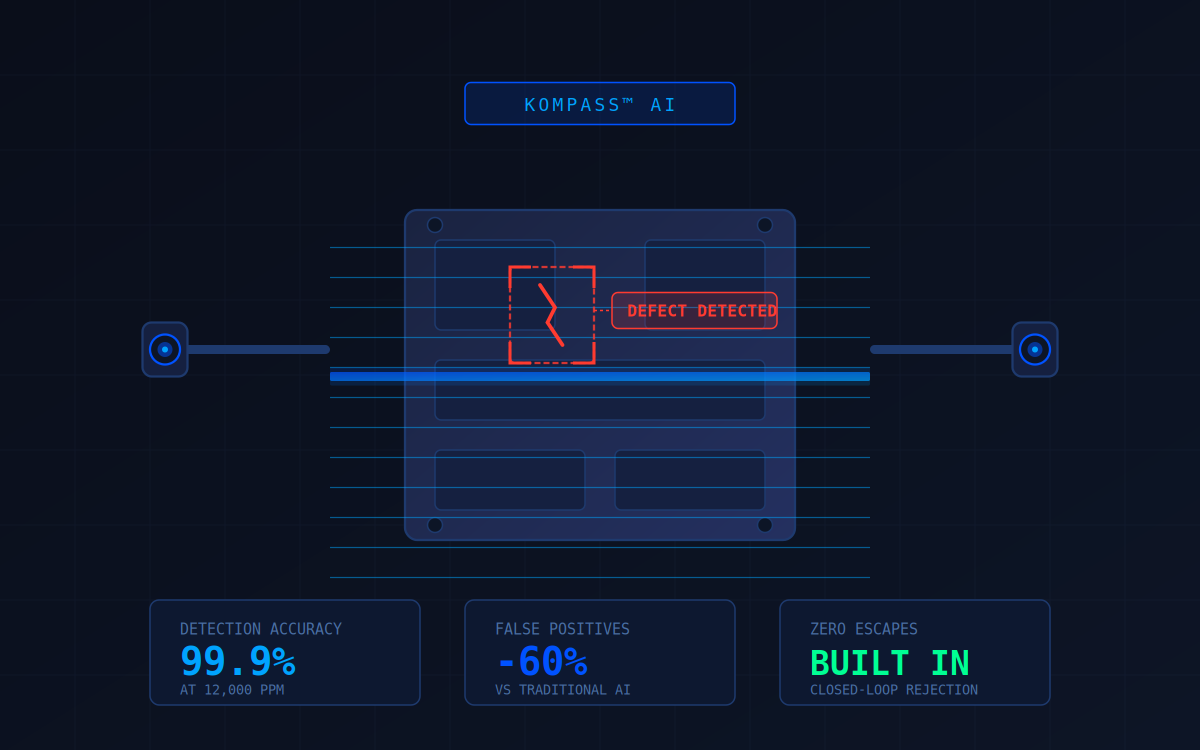
Defect Detection
Catch micro-defects humans and rule-based systems miss.
- Surface & cosmetic defects
- Dimensional validation
- End-of-line inspection
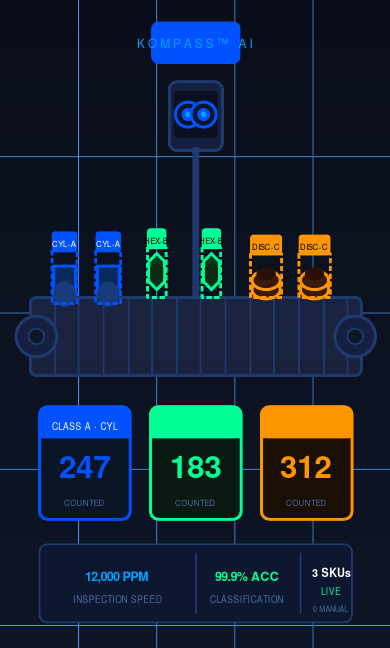
Counting & Classification
High-speed counting and precision SKU validation.
- Component counting
- Mixed batch sorting
- Automated classification
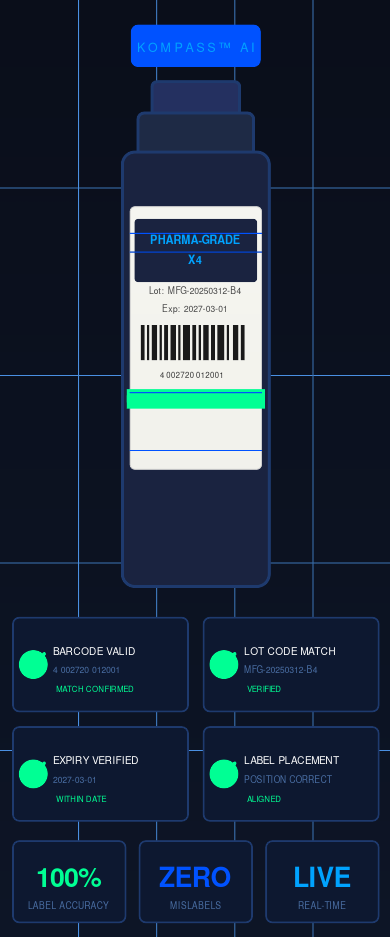
Code & Character Reading (OCR / OCV / Barcode)
Protect packaging accuracy and traceability.
- Barcode & QR validation
- OCR text verification
- Serialization checks
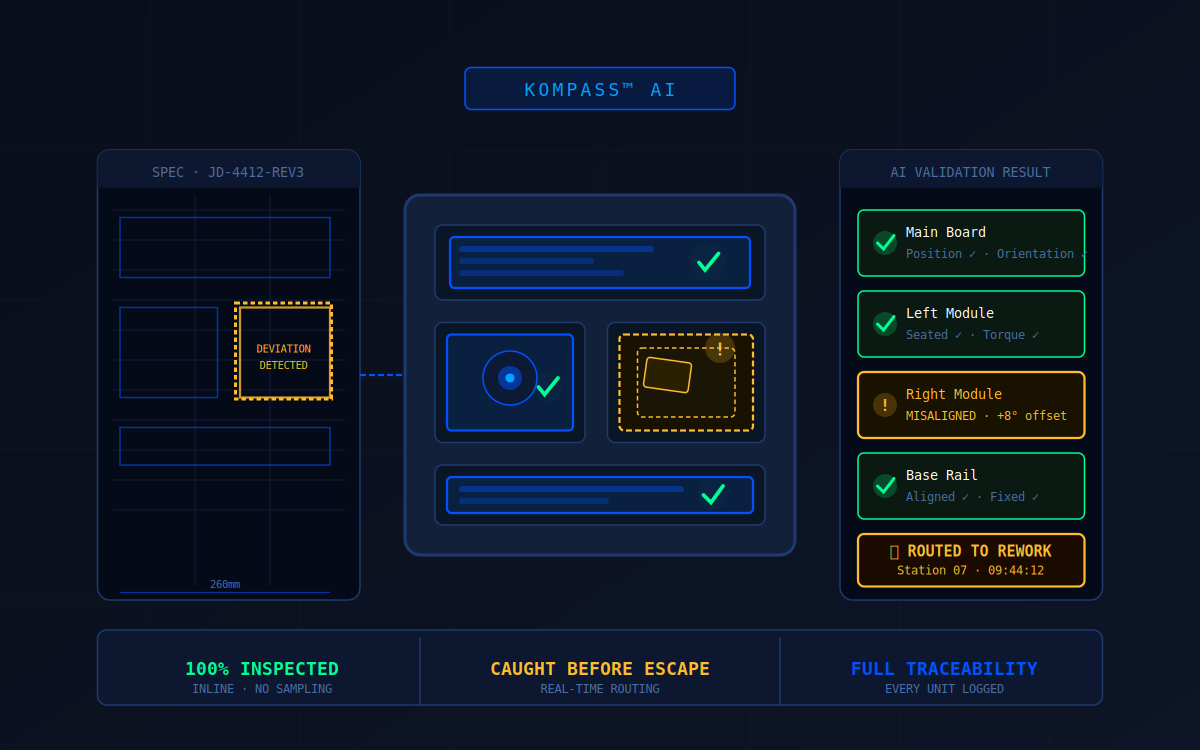
Ensure Product Integrity
Multi-Component Assembly Validation
Ensure assembled products meet exact specification.
- Inline inspection
- End-of-line validation
- Complex component checks
Vision AI Solutions For Process Correctness
Verify kitting completeness, guide operators through every assembly step, assess skills in real time, and keep inventory records aligned with physical reality.
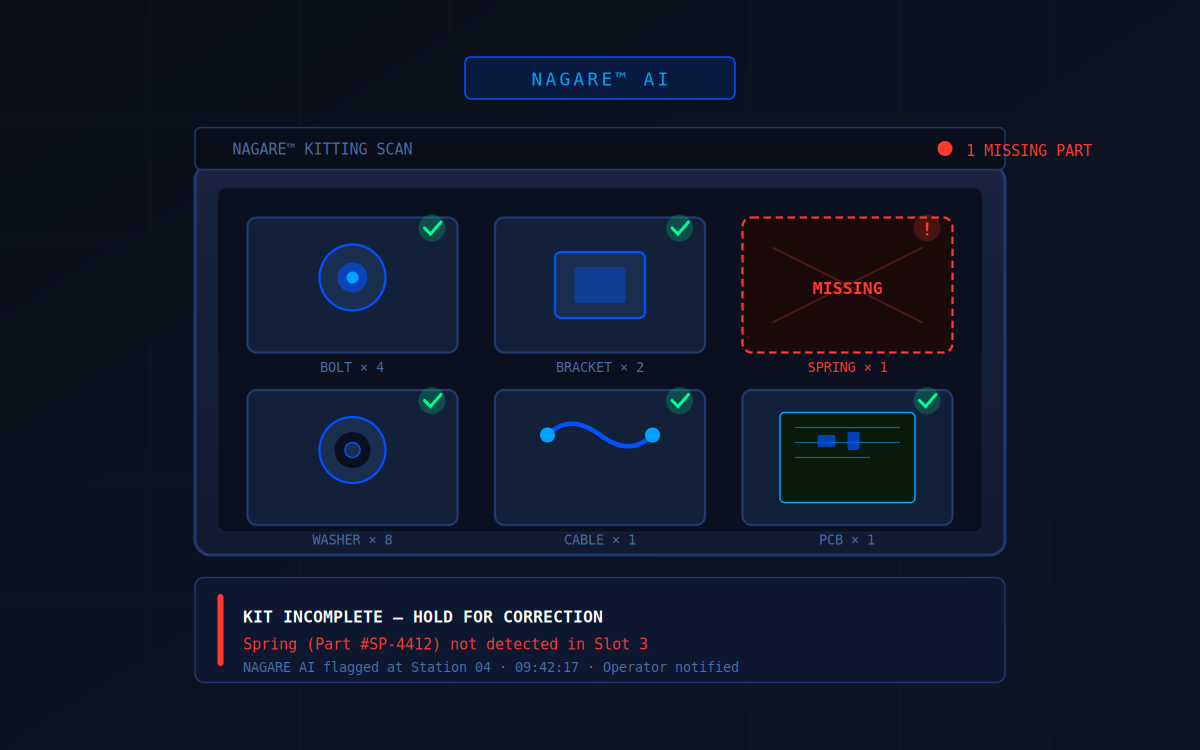
Kitting
Ensure every kit is complete and correct before assembly begins.
- Missing part detection
- SKU validation
- Kit confirmation workflows
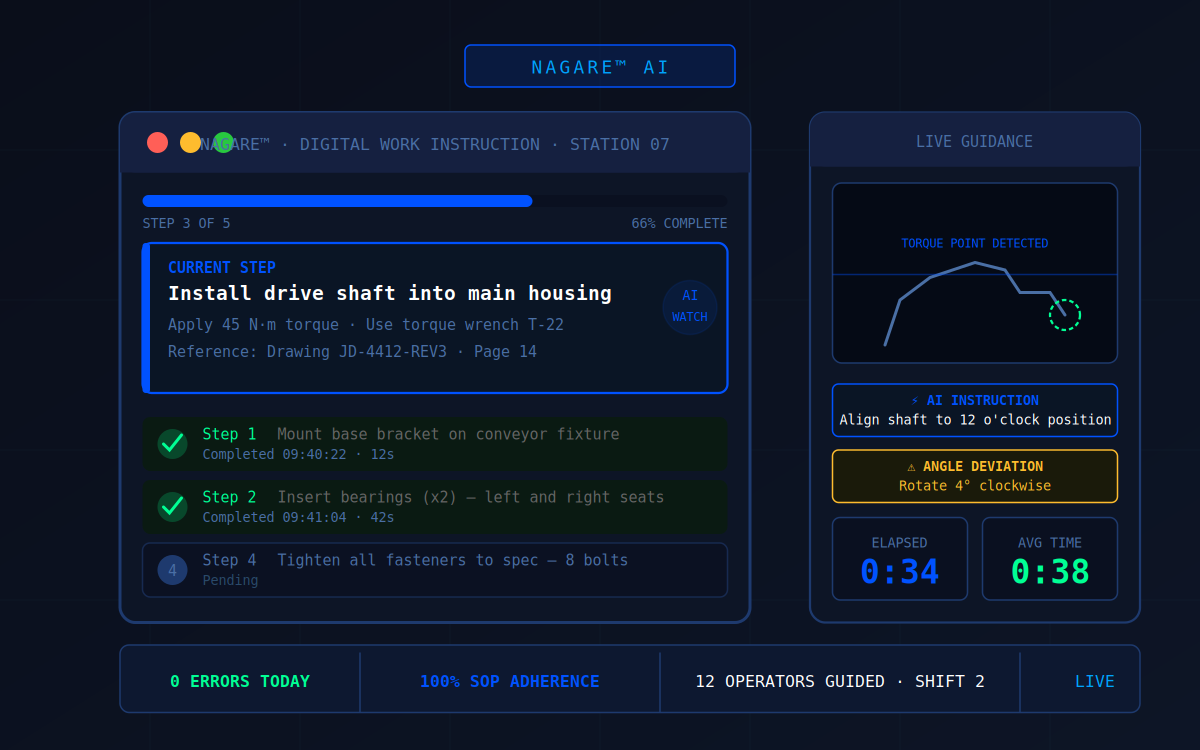
Digital Work Instructions
Guide operators in real time while preventing assembly mistakes before they become defects.
- Real-time operator guidance
- Deviation alerts
- Wrong-part & tool verification
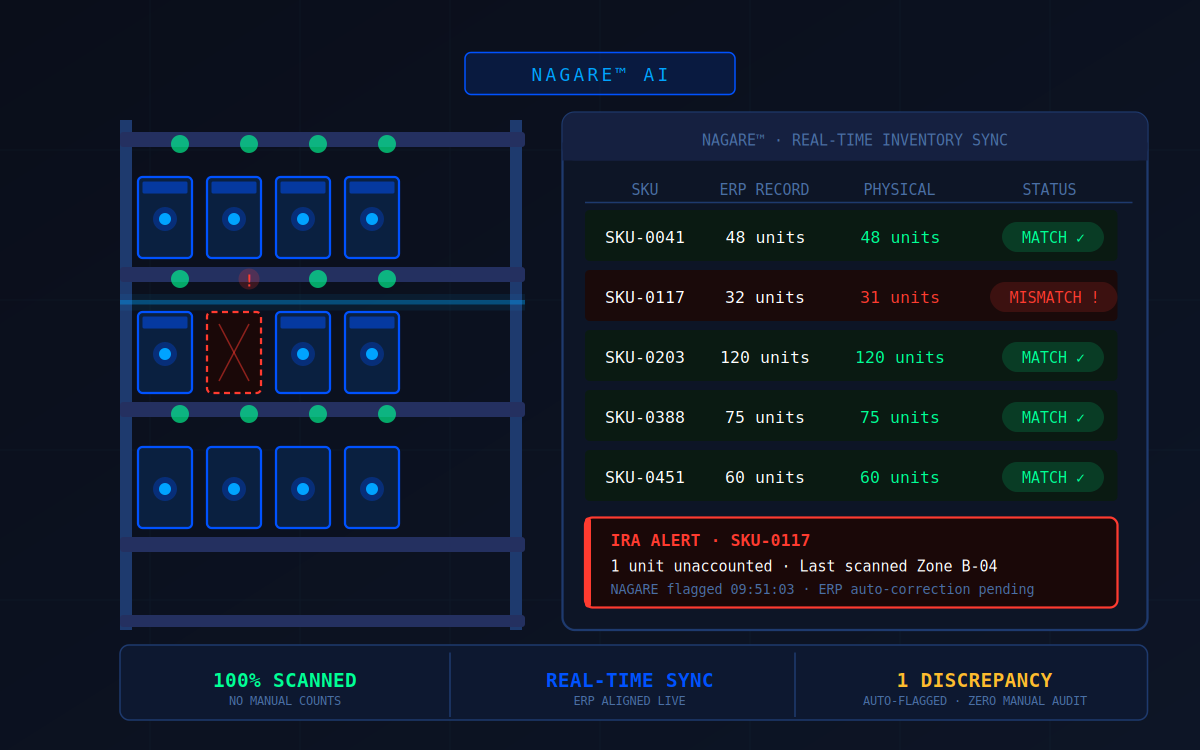
Inventory Record Accuracy (IRA)
Protect packaging accuracy and traceability.
- WIP validation
- Batch integrity checks
- Automated record verification
Ensure Process Integrity
Training & Skills Assessment
Standardize operator performance and reduce dependency on tribal knowledge.
- Certification tracking
- Performance benchmarking
- Error trend insights

Frequently Asked Questions
Can AI visual inspection be integrated into existing quality control setups?

Absolutely. Most modern AI-powered systems are designed to retrofit existing cameras and inspection hardware, augmenting, not replacing, legacy setups. This makes deployment faster, less disruptive, and more cost-effective.
How accurate are AI-powered visual inspection systems compared to manual inspection?
AI systems typically outperform human inspectors in today’s day & age. However, in the case of Jidoka’s Kompass, we deliver over 99% defect detection accuracy while handling high throughput consistently and without fatigue. This reduces false negatives, inspection bottlenecks, and human error.
How does AI defect detection compare to traditional machine vision systems?
AI-powered systems use deep learning to identify complex anomalies, like scratches, deformations, or subtle misalignments, that rule-based machine vision often misses. They adapt, learn, and evolve with your production environment.
How quickly can an AI defect detection system be implemented, and what’s the ROI timeline?
Many systems can be deployed in as little as 2–4 weeks using no-code or plug-and-play platforms. ROI is typically realized within 6–18 months, thanks to reduced rejects, fewer recalls, and higher inspection throughput.
Is AI visual inspection accessible for small-to-medium manufacturers, or only for large enterprises?
That’s a myth. AI inspection solutions are scalable and cost-effective for businesses of all sizes. Deployment can begin with critical production areas and expand gradually to maximize budget efficiency and impact.
Can AI visual inspection systems support remote or hazardous environments?
Absolutely. Remote visual inspection (RVI) allows operators or AI systems to analyze inspection data from a safe distance, ideal for environments that are unsafe or inaccessible to humans.
CONNECT WITH OUR EXPERTS
Maximize Quality & Productivity with Our Vision Inspection System for Manufacturing and Logistics.


.svg)