.jpg)
Ihr OEE-Dashboard zeigt 91%an. Ihr Nacharbeitsbehälter ist voll. Das ist kein Maschinenproblem. Die meisten Werke haben jahrelang Sensoren verkabelt, SPS angeschlossen und Dashboards erstellt, die ihnen zwar genau zeigen, wie ihre Maschinen laufen, aber fast nichts darüber verraten, warum weiterhin Fehler auftreten.
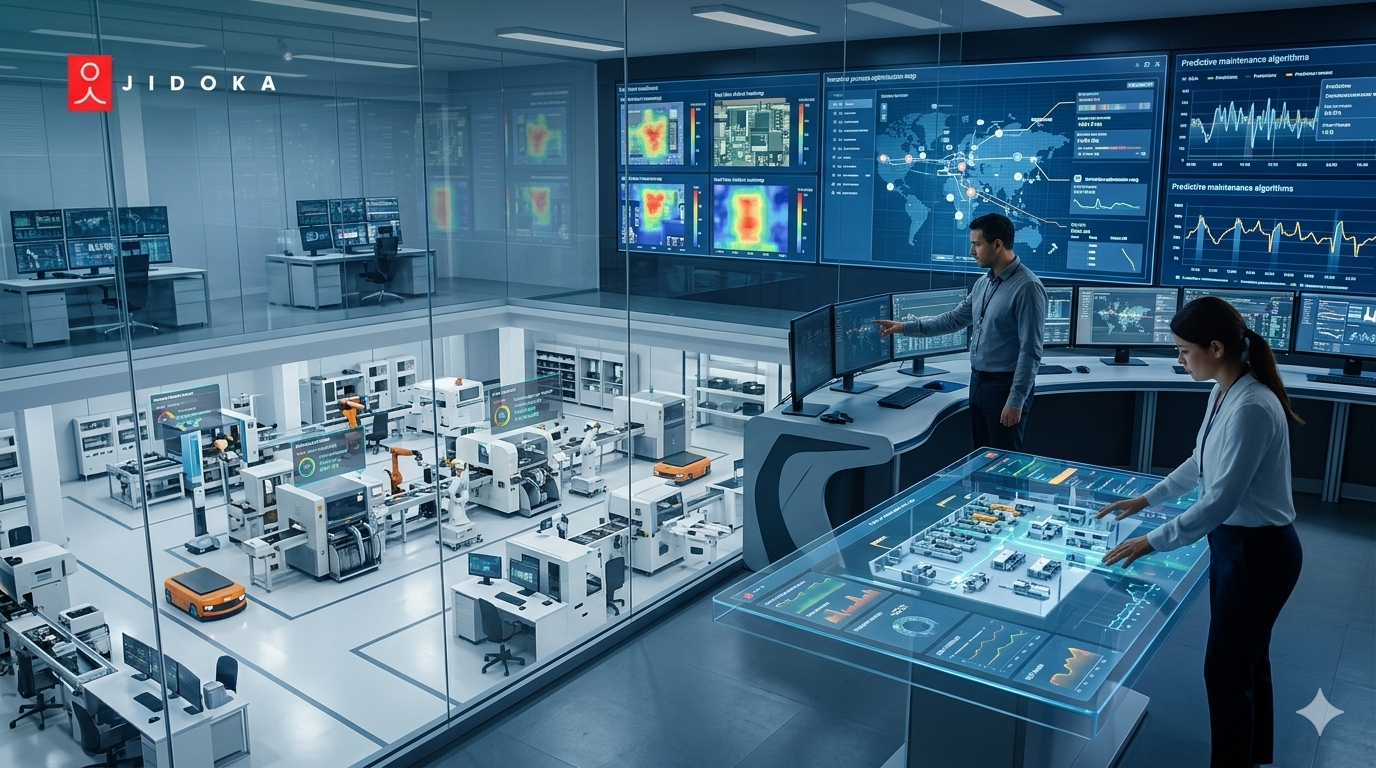
Software zur Überwachung von Produktionsprozessen soll diese Lücke schließen. Die meisten tun das jedoch nicht. Dieser Leitfaden erläutert, was diese Kategorie tatsächlich abdeckt, wo herkömmliche Tools an ihre Grenzen stoßen und wie bildbasierte Edge-KI die Transparenz in der Fertigung neu definiert.
Was ist Software zur Überwachung von Produktionsprozessen?
Software zur Überwachung von Produktionsprozessen erfasst, protokolliert und meldet jedes messbare Ereignis entlang einer Fertigungslinie. Eine umfassende Plattform wandelt Aktivitäten in der Fertigung in Echtzeit in strukturierte Daten um: Maschinenleistung, Arbeitsabläufe, OEE-Monitoring, Stillstandszeiten und Qualitätskontrolle über alle Schichten hinweg.
Die Kategorie ist nicht neu. Neu ist jedoch, was heute von ihr erwartet wird.
Frühere Plattformen zur Prozessüberwachung basierten auf Maschinentelemetrie: SPS-Signalen, Stromsensoren und Taktzählern.
Sie beantworteten eine Frage sehr gut: Läuft die Maschine? Moderne Software zur Echtzeit-Produktionsüberwachung basiert auf Bildverarbeitungssystemen, Edge-KI-Einheiten und Sensorfusion. Sie beginnt, eine schwierigere Frage zu beantworten: wird der Prozess korrekt eingehalten?
Dieser Unterschied ist für viele Hersteller bedeutender, als sie annehmen. Die Überwachung von Produktionsprozessen ist Teil des übergeordneten Technologie-Stacks neben MES, ERP und SCADA. Es liefert diesen Systemen granulare Daten aus der Fertigung in einer Auflösung, die sie selbst nicht generieren können.
Die Lücke zwischen „Maschine läuft“ und „Prozess wird eingehalten“ ist der Ort, an dem die meisten Qualitätsmängel entstehen.
Was erfasst ein Produktionsüberwachungssystem eigentlich?
Die ehrliche Antwort: Die meisten Systeme erfassen drei Ebenen. Ein vollständiges System zur Überwachung von Fertigungsprozessen benötigt jedoch sechs.
Die meisten Plattformen zur Überwachung von Fertigungsprozessen decken die Ebenen eins bis vier ab. Sensoren und SPS bewältigen diesen Bereich gut. Die Ebenen fünf und sechs sind das Problem.
Die sechs Überwachungsebenen:
- Maschinenleistung umfasst Taktzeiten, Durchsatzraten und Geschwindigkeitsabweichungen. Dies ist der Bereich, für den die meisten sensorbasierten Plattformen konzipiert sind.
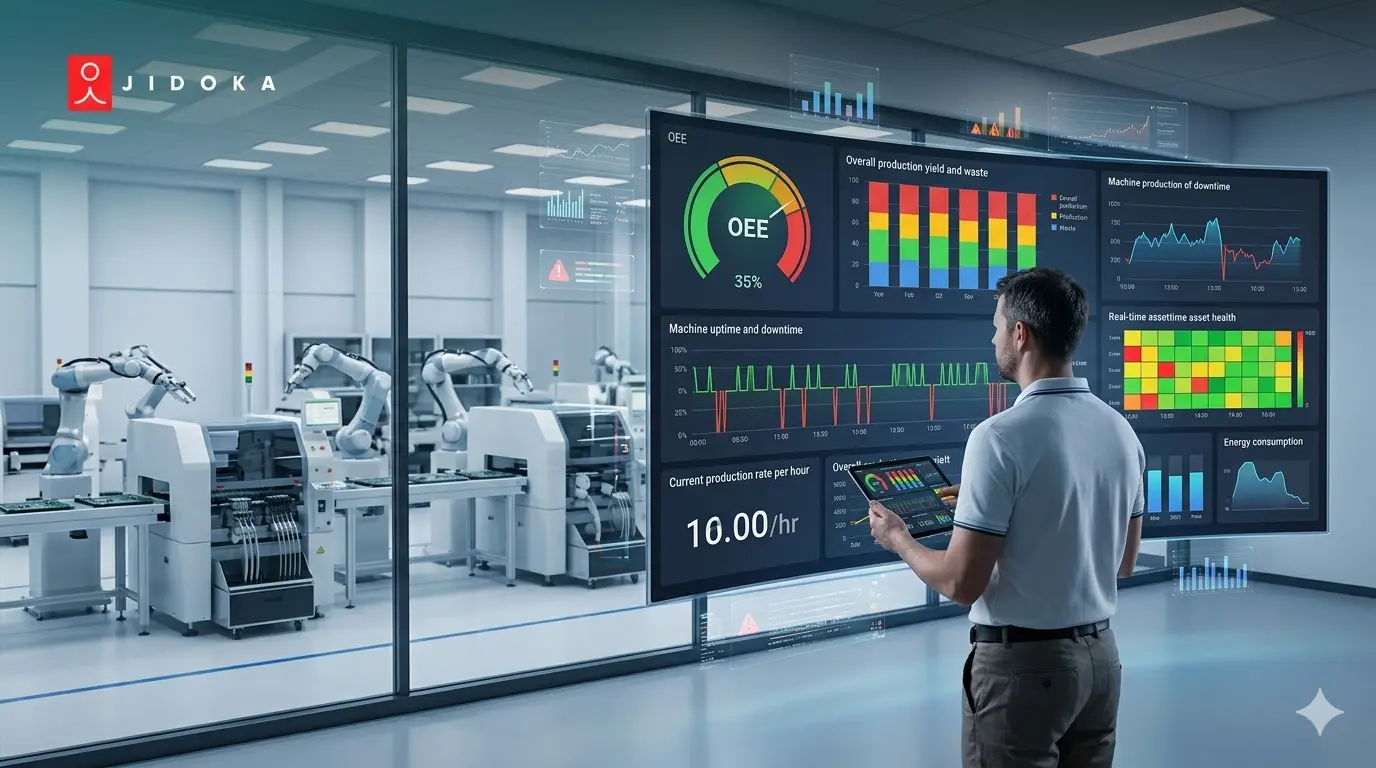
- OEE (Gesamtanlageneffektivität) misst Verfügbarkeit, Leistungsgrad und Qualitätsrate als Gesamtwert. Eine erstklassige OEE liegt bei 85 % oder höher.
- Stillstandszeiten protokollieren geplante und ungeplante Unterbrechungen, MTTR (Mean Time to Repair) und MTBF (Mean Time Between Failures). Die meisten IoT-Plattformen beherrschen dies gut.
- Qualitätskontrolle erfasst Fehlerraten in der Fertigung, Auslöser für Nacharbeiten sowie Durchlaufquoten bei Inspektionen. Einige fortschrittliche Plattformen decken dies durch Bildverarbeitungssysteme ab.
- Bedienerhandlungen und Prozesseinhaltung überprüft, ob Standardarbeitsanweisungen (SOPs) Schritt für Schritt, in der richtigen Reihenfolge und mit den korrekten Komponenten befolgt werden. Die meisten Tools können diese Ebene überhaupt nicht erfassen.
- Logistik und Materialfluss deckt die Einhaltung von Kommissionierrouten, Bestandslücken und Lagerbewegungen ab. Kaum eine herkömmliche Überwachungsplattform reicht so weit.
Fehler in der Bedienerreihenfolge, fehlende Komponenten, die fälschlicherweise als installiert protokolliert wurden, fehlerhafte Etikettierungen und das Überspringen von Montageschritten: Nichts davon erscheint auf einem Dashboard für den Maschinenzustand. Die Maschine hat den Zyklus abgeschlossen. Das Signal wurde ausgelöst. Der Fehler wanderte die Linie entlang. Industriedaten zeigen konsistent, dass 60–80 % der Qualitätsmängel auf Abweichungen bei den Prozessschritten zurückzuführen sind, nicht auf Geräteausfälle.
Ihr OEE-Wert hat das nicht erkannt. Er wurde nicht dafür entwickelt.
Die Abdeckungslücke auf den Ebenen fünf und sechs ist kein Konfigurationsproblem Ihrer aktuellen Produktionsüberwachungssoftware. Es ist ein architektonisches.
Warum herkömmliche Produktionsüberwachungssoftware die größten Probleme übersieht
Sensorbasierte Plattformen sind darauf ausgelegt, Maschinen zu überwachen. Das ist ihre Architektur, und das beherrschen sie gut. Das Problem ist: Maschinen überspringen keine Schritte. Bediener schon.
Ein standardmäßiges Überwachungssystem für Produktionslinien verbindet sich mit SPS oder CNC-Steuerungen und liest den Maschinenzustand aus. Es meldet Ihnen, dass ein Stillstand aufgetreten ist. Es sagt Ihnen, dass die Zykluszeit um 4 % abgewichen ist. Was es Ihnen jedoch nicht sagen kann, ist, dass der Stillstand passierte, weil ein Bediener Schritt sieben vor Schritt fünf ausführte und das in falscher Reihenfolge installierte Teil jeden nachgelagerten Sensor passierte, weil es zwar das richtige Teil war, sich aber an der falschen Position befand.
Dieses Szenario ist nicht hypothetisch. Es ist der Grund, warum Werke mit hervorragenden OEE-Werten dennoch Nacharbeitsquoten von 8–12 % aufweisen.
Die häufigsten blinden Flecken bei der rein sensorbasierten industriellen Prozessüberwachung:
- Fehler in der Bedienerreihenfolge, die den Maschinenzyklus zwar abschließen, aber ein fehlerhaftes Teil produzieren
- Fehlende Komponenten, die physisch verbaut, aber digital als prozessfertig protokolliert wurden
- Etikettierung außerhalb der vorgesehenen Reihenfolge durchgeführt
- Teileprüfung bei der Vorinstallation übersprungen, bei der Endkontrolle erkannt (oder auch nicht)
Die meisten Werke nutzen als Rückfalloption die Qualitätskontrolle am Ende der Linie oder Rundgänge durch Vorgesetzte. Beides ist reaktiv. Ein Fehler, der erst bei der Endkontrolle entdeckt wird, ist in der Behebung deutlich teurer als einer, der direkt bei seinem Entstehen markiert wird. Rundgänge decken in einer geschäftigen Schicht vielleicht 5 % des Produktionsvolumens ab.
Die Überwachung des Produktionsprozesses durch eine Vision-Ebene direkt am Prozessschritt ist die strukturelle Lösung. Genau hier kommt Edge AI ins Spiel.
Wie Edge AI die Echtzeit-Produktionsüberwachung verändert
Edge AI führt KI-Modelle auf lokaler Hardware direkt in der Fertigung aus, ohne dass Daten in die Cloud übertragen werden. In der Fertigung ist das kein Thema des Datenschutzes, sondern eine Anforderung an die Latenz.
Cloud-abhängige Software zur Produktionsüberwachung verursacht Verzögerungen. Bei einer Linie, die 12.000 Teile pro Minuteproduziert, ist eine Abweichung, die 800 Millisekunden nach ihrem Auftreten gemeldet wird, bereits an der nächsten Station. Eine Inferenzzeit von unter 100 ms bedeutet, dass der Alarm in derselben Sekunde ausgelöst wird, in der der Schritt übersprungen wurde – noch bevor der nächste Schritt beginnt.
Drei Dinge, die Edge AI ermöglicht und die sensorbasierte Echtzeit-Produktionsüberwachungssoftware nicht leisten kann:
- Aktionserkennung erkennt, was ein Bediener tut, nicht in welchem Zustand sich eine Maschine befindet. Eine Kamera identifiziert, wenn der Mitarbeiter das falsche Bauteil greift. Die SPS hat davon keine Ahnung.
- Die Überprüfung der Bauteilpräsenz bestätigt, dass ein Teil physisch installiert ist, bevor die Linie weiterläuft. Bei der Installation, nicht erst bei der Endkontrolle.
- SOP-Sequenzüberwachung erkennt Abweichungen in der Reihenfolge der Arbeitsschritte in Echtzeit. Kein Sensor in der Fertigung kann das erfassen.
Die Verarbeitung bleibt lokal. Für Betriebe, die auf ISO-Konformität abzielen oder in regulierten Branchen arbeiten, verlässt kein Videomaterial die Anlage – ein entscheidender Punkt.
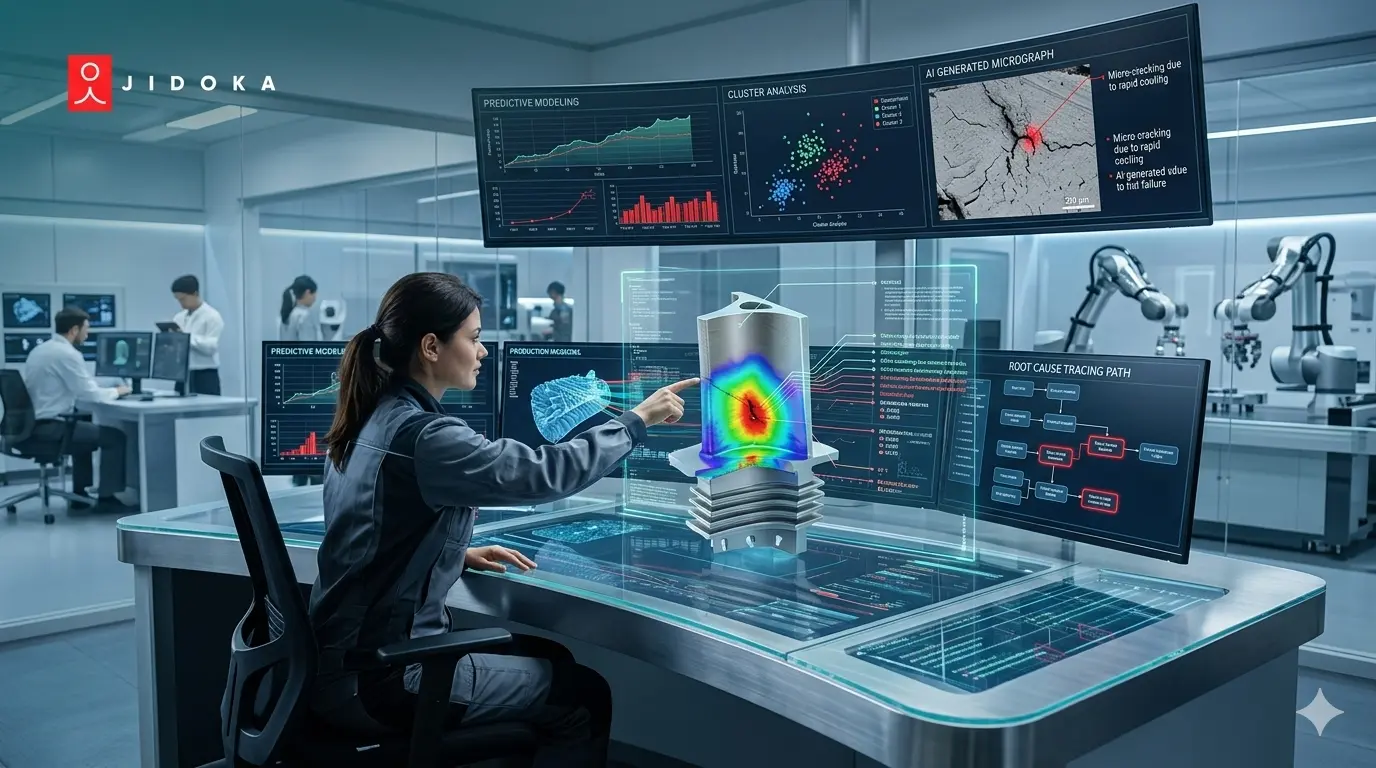
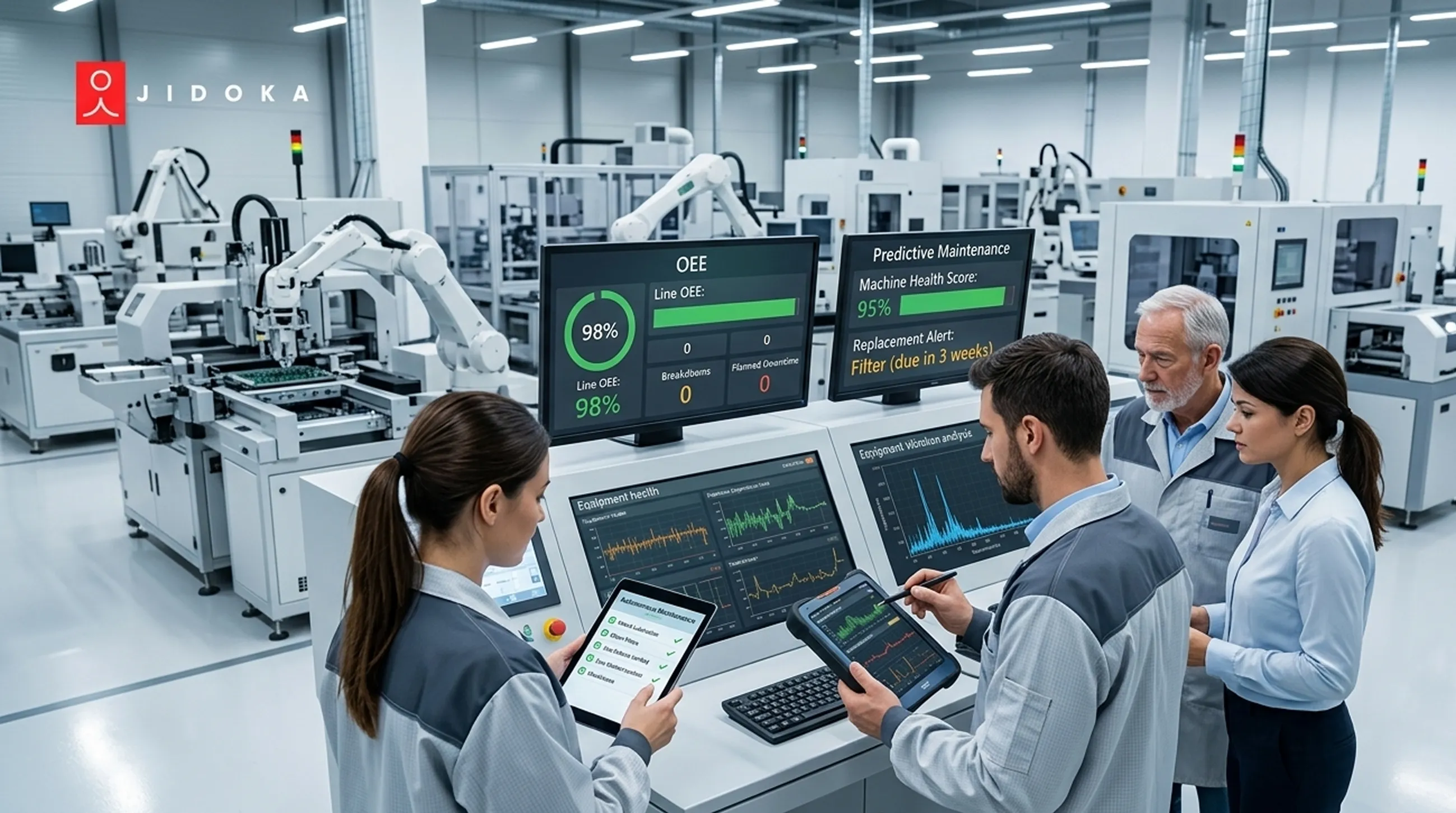
Vorausschauende Wartungsüberwachung und Prozessverifizierung laufen gleichzeitig auf derselben Edge-Einheit. Eine Hardware-Investition. Zwei Überwachungsebenen, die mit sensorbasierter Prozessverfolgung bisher nicht erreichbar waren.
Genau das unterscheidet die nächste Generation der Produktionsüberwachungssoftware grundlegend von dem, was die meisten Werke heute einsetzen.
Wie Nagare die Produktionsprozessüberwachung mit Vision AI neu definiert
Nagare von Jidoka Technologies wurde für die Ebenen fünf und sechs entwickelt: die blinden Flecken bei Bedieneraktionen und der Einhaltung von SOPs, die sensorbasierte Plattformen offen lassen. Es läuft auf bestehender CCTV-Infrastruktur. Keine neue Hardware, kein Austausch bestehender Systeme, keine monatelange Integrationsarbeit.
A) Was Nagare überwacht (was Ihr OEE-Dashboard übersieht)
Die Dual-Stream-Analyse läuft simultan: Überprüfung der Bauteilpräsenz und Erkennung von Bedieneraktionen über denselben Kamera-Feed. Jede Aktion wird in Echtzeit mit der digitalen SOP abgeglichen, statt sie erst in einem Audit nach der Schicht zu prüfen.
Was Nagare bei jeder Einheit und in jeder Schicht erkennt:
- Übersprungene Montageschritte, bevor die Linie zur nächsten Station weiterläuft
- Fehlende oder falsch ausgerichtete Komponenten bei der Installation, nicht erst bei der Endkontrolle
- Abweichungen in der Schrittfolge, abgeglichen mit der aktuellen digitalen SOP
- Fehler bei der Etikettierung und bei der Überprüfung von Teilen vor der Installation
- Nacharbeitsauslöser, die direkt beim jeweiligen Schritt protokolliert werden, statt als Qualitätsereignis auf Chargenebene
Skelett-Tracking identifiziert Bedieneraktionen, ohne Gesichter zu erfassen. Die Privatsphäre der Mitarbeiter bleibt gewahrt. Die Überwachung der Maschinenleistung und die vollständige Abdeckung der Prozessschritte erfolgen gemeinsam in derselben Implementierung.
Werke, die Nagare einsetzen, berichten von 20-35 % weniger Nacharbeit. Dieser Wert ergibt sich daraus, dass Abweichungen direkt beim Arbeitsschritt erkannt werden und nicht erst am Ende der Linie.
B) Wo Nagare über die Montagelinie hinaus funktioniert
Die meisten Systeme zur Verfolgung von Fertigungsprozessen enden in der Werkshalle. Nagare deckt drei Betriebszonen mit derselben Implementierung ab:
- Produktionshalle: Montageprüfung, Drehmomentreihenfolge, Bestätigung der Komponenteninstallation und Einhaltung der SOPs an jeder Station.
- Lagerhaltung: Bestandsabgleich über vorhandene CCTV-Systeme, Einhaltung der Kommissionierrouten, Erkennung von Bestandslücken, ohne zusätzliche Hardware.
- Logistik: Materialfluss, Erkennung von Engpässen in Bereitstellungszonen, Versandprüfung.
Das ist eine durchgängige industrielle Prozessüberwachung und Echtzeit-Produktionsüberwachung, die auf bereits vorhandenen Kameras basiert. Der Funktionsumfang unterscheidet sich grundlegend von dem, was eine SPS-basierte Plattform bieten kann.
Kontaktieren Sie Jidoka und finden Sie heraus, welche Prozessschritte in Ihrem aktuellen Setup unüberwacht bleiben.
Worauf Sie bei einer Lösung zur Produktionsprozessüberwachung achten sollten
Die Checkliste zur Bereitschaft für die Prozessüberwachung bietet Ihnen eine strukturierte Methode, um jede Plattform zur Produktionsprozessüberwachung anhand Ihrer tatsächlichen Anforderungen in der Fertigung zu bewerten – und nicht anhand der Feature-Liste eines Anbieters.
Eine Plattform, die bei der Maschinenkonnektivität gut abschneidet, aber bei der Bedienerebene und der Einhaltung von SOPs schwächelt, deckt nur die Ebenen eins bis vier ab. Genau diese Lücke ist das Thema dieses Artikels.
FAQ
1. Was ist der Unterschied zwischen Produktionsüberwachung und Prozessüberwachung?
Die Produktionsüberwachung verfolgt Output-Kennzahlen: produzierte Einheiten, Schichtziele und OEE. Die Prozessüberwachung verfolgt, ob jeder Schritt in der Fertigungssequenz korrekt, in der richtigen Reihenfolge und mit den richtigen Komponenten ausgeführt wurde. Wenn Sie eine Produktionsprozessüberwachung ohne die Prozessebene betreiben, erhalten Sie zwar Durchsatzzahlen, aber die Ursachen für Qualitätsmängel bleiben unsichtbar.
2. Kann Software zur Produktionsprozessüberwachung mit Altanlagen funktionieren?
Ja. Bildbasierte Plattformen wie Nagare funktionieren in jeder Anlage mit CCTV-Abdeckung, unabhängig vom Alter der Maschinen. Sensorbasierte Software zur Produktionsüberwachung erfordert SPS-Konnektivität oder nachgerüstete IoT-Hardware, was die meisten Altanlagen ausschließt. Kamerabasierte Edge-KI überwacht den Prozess visuell und umgeht die Maschinentelemetrie vollständig.
3. Was ist OEE und warum ist sie für die Produktionsüberwachung wichtig?
Die OEE kombiniert Maschinenverfügbarkeit, Leistungsgeschwindigkeit und Qualitätsrate zu einem einzigen Effizienzwert. Eine erstklassige OEE liegt bei 85 %. Sie ist der Standard-KPI für Produktionseffizienz. Was sie jedoch nicht zeigt, ist, ob die Bediener die korrekten Prozessschritte befolgt haben, um diese Einheiten zu produzieren – genau hier schließt Software zur Produktionsprozessüberwachung die Lücke.
4. Wie unterscheidet sich die Echtzeit-Produktionsüberwachung von der traditionellen Qualitätskontrolle?
Herkömmliche Qualitätskontrolle ist reaktiv: Sie erkennt Fehler erst nach der Produktion, meist bei der Endkontrolle. Die Echtzeit-Überwachung von Produktionsprozessen hingegen meldet Abweichungen bereits während des Ablaufs, noch bevor ein fehlerhaftes Teil fertiggestellt ist. Bei hohen Stückzahlen summieren sich die Unterschiede bei den Fehlerbehebungskosten extrem schnell.
5. Welche Branchen profitieren am meisten von Software zur Überwachung von Produktionsprozessen?
Automobilindustrie, Elektronik, Konsumgüterindustrie (FMCG) und Feinmechanik erzielen den deutlichsten ROI durch die Überwachung von Produktionsprozessen. Hohe Komplexität bei der Montage, enge Toleranzen und erhebliche Nacharbeitskosten machen den Nutzen schnell sichtbar. Lagerhaltung und Logistik profitieren, wenn die Verfolgung von Fertigungsprozessen über die Werkshalle hinausgeht und auch den Materialfluss sowie die Bestandsgenauigkeit in großem Maßstab abdeckt.
Was man sieht, kann man verbessern
Das Problem ist nicht, dass Hersteller zu wenig überwachen. In den meisten Werken gibt es mehr Dashboards, als ein Mensch erfassen kann. Die eigentliche Lücke besteht darin, dass die Überwachung der Produktionsprozesse an der Maschine endet und der eigentliche Prozess unbeobachtet bleibt.
Genau dort entstehen Fehler. Nicht durch Maschinenausfälle, sondern durch den sechssekündigen Arbeitsschritt, den kein Sensor erfasst hat.
Nagare überwacht jeden Prozessschritt, jede Bedieneraktion und jede SOP-Abfolge mithilfe der Kameras, die bereits in Ihrer Fertigung installiert sind. Buchen Sie eine Demo und sehen Sie selbst, was Ihrer aktuellen Software zur Überwachung von Produktionsprozessen entgeht.