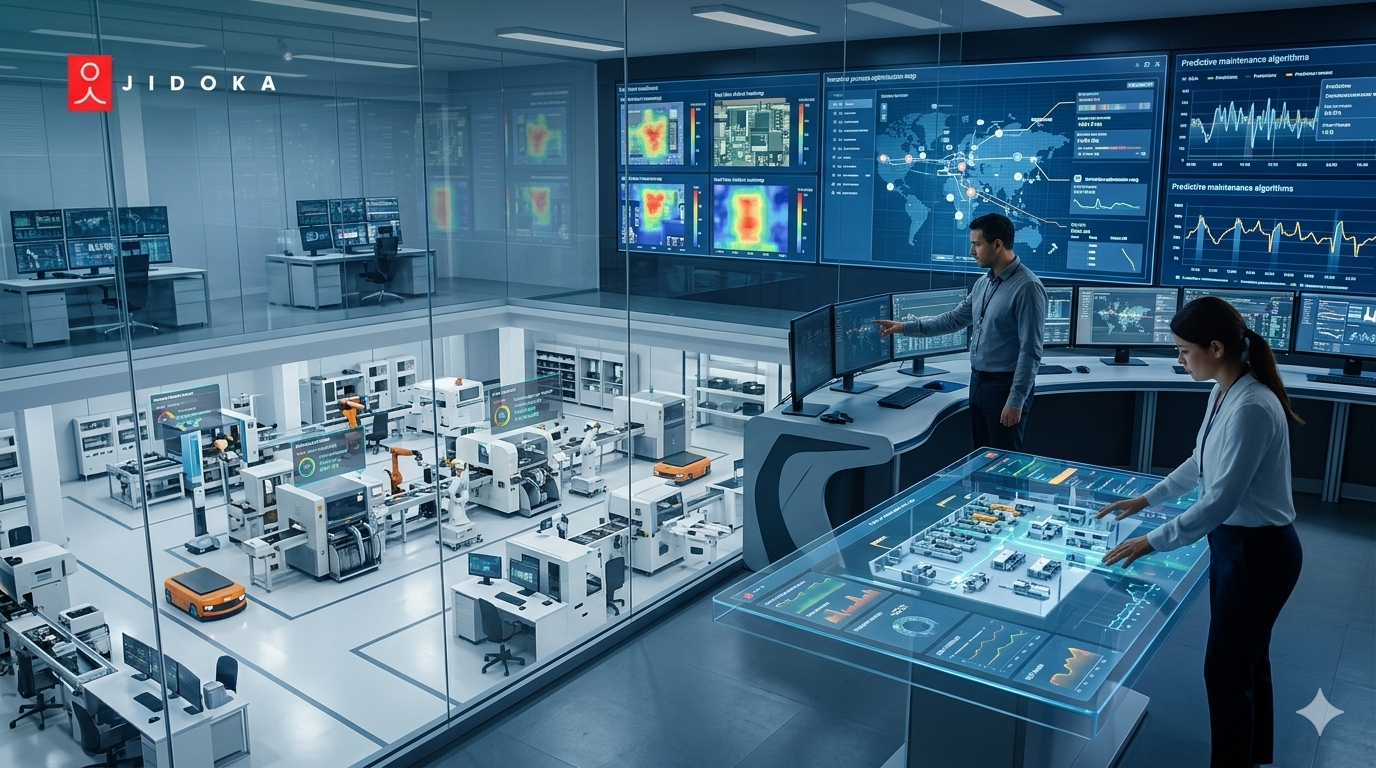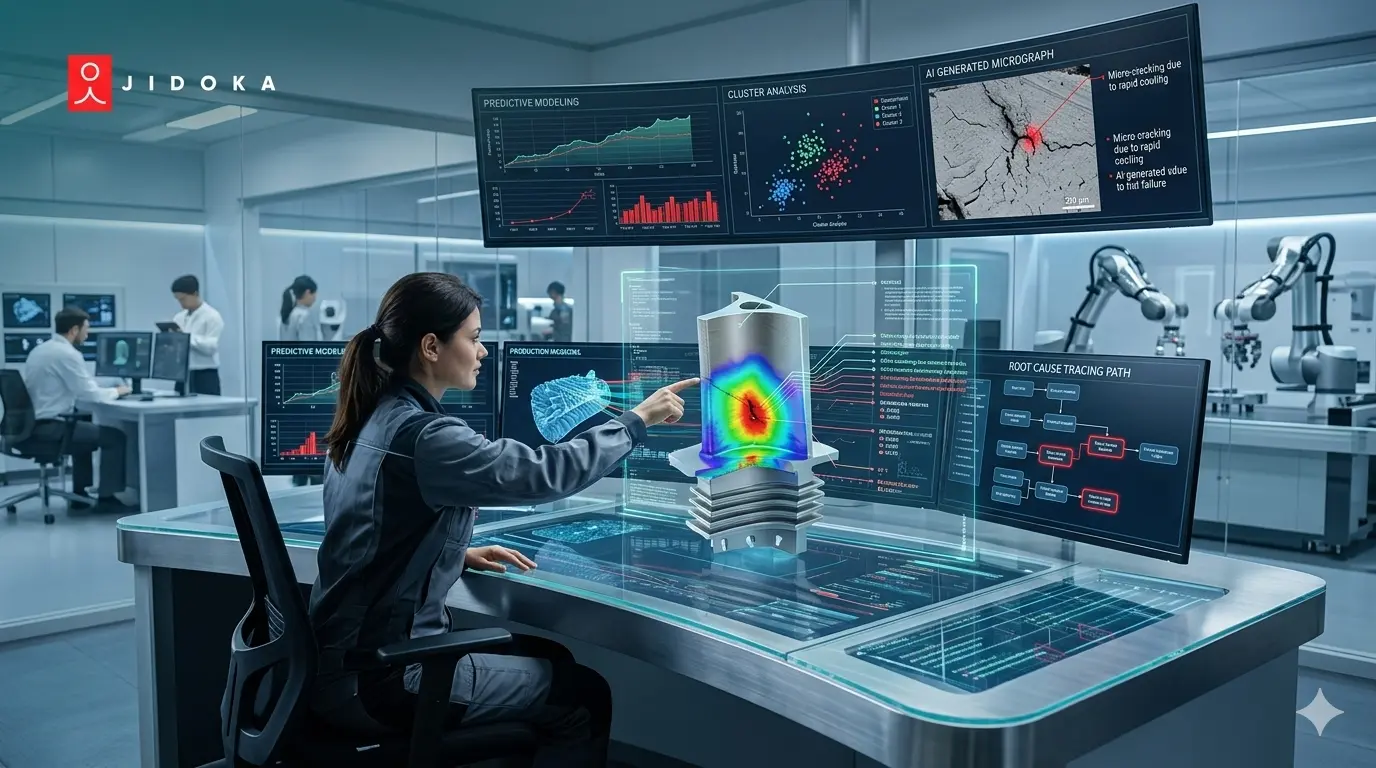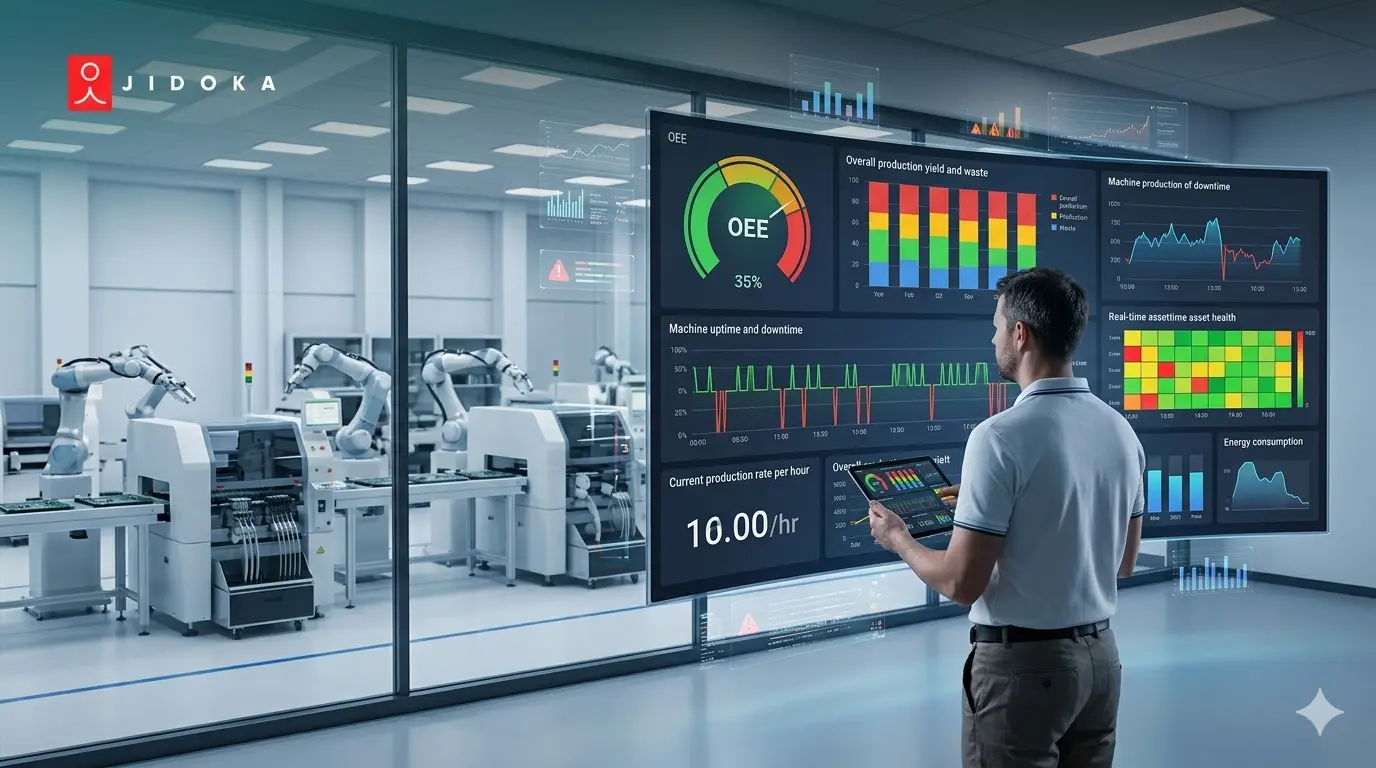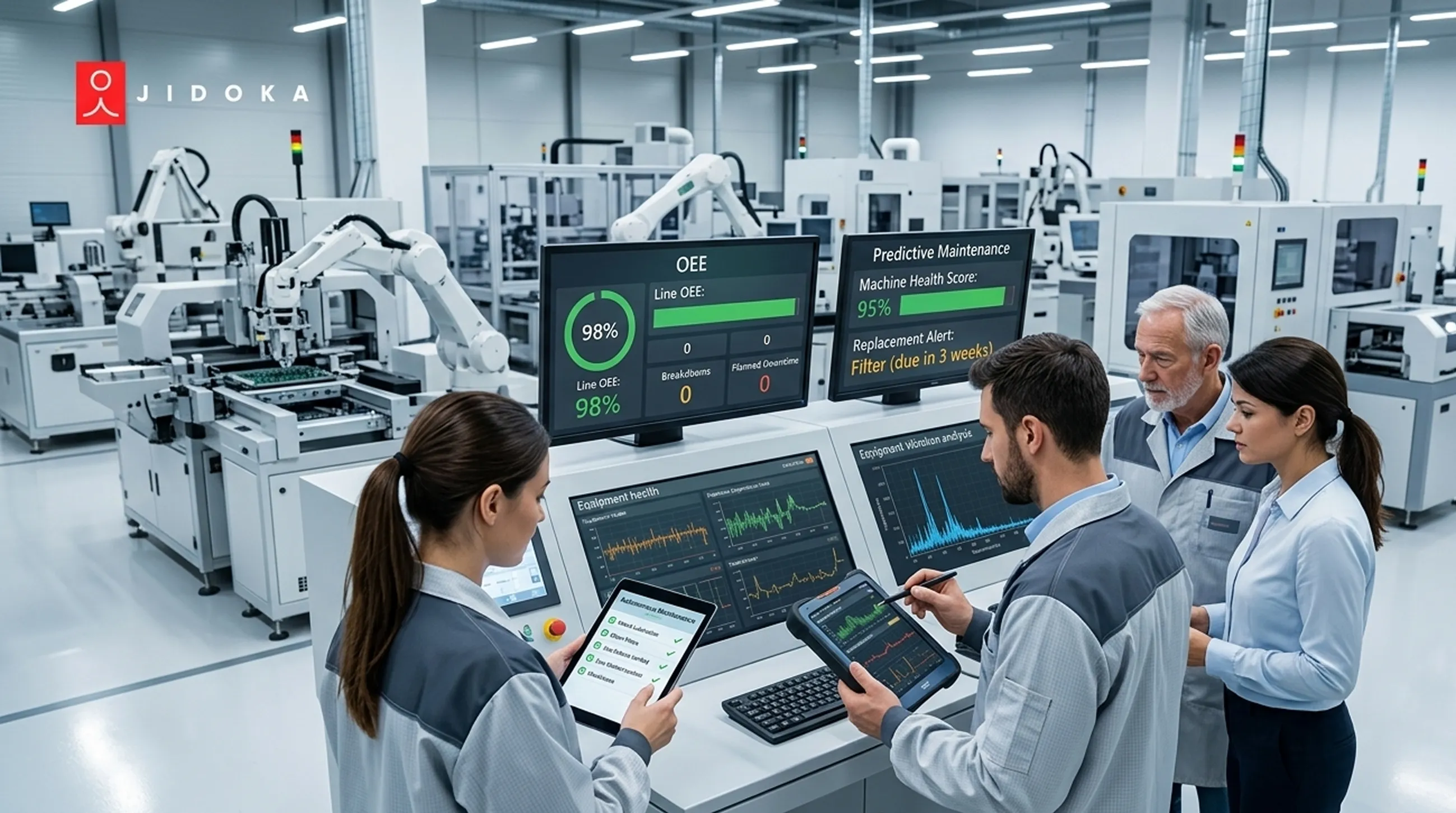
Gemiste defecten kosten geld en schaden uw reputatie. Handmatige controles schieten tekort naarmate de volumes toenemen. U heeft een betrouwbaar inspectiesysteem nodig om fouten in de productielijn op te sporen. Uw installatie kan gebruikmaken van automatische optische inspectie om oppervlaktefouten te detecteren. Door röntgeninspectietechnologie toe te voegen, kunnen ook interne defecten worden opgespoord.
Dit inspectiesysteem verbetert de resultaten van uw kwaliteitsborging. Het biedt realtime inspectiegegevens om verspilling tegen te gaan. Betere kwaliteitscontrole door machine vision houdt klanten tevreden. U bespaart tijd en verlaagt de kosten door fouten in een vroeg stadium te detecteren.
Kerntechnologieën: AOI, AXI en Machine Vision
Verschillende technologieën detecteren verschillende problemen. Het is essentieel om het juiste inspectiesysteem voor uw product te kiezen. De meeste fabrieken gebruiken een combinatie van deze hulpmiddelen om de productiekwaliteit te waarborgen.
Technologie 1. Geautomatiseerde optische inspectie (AOI)
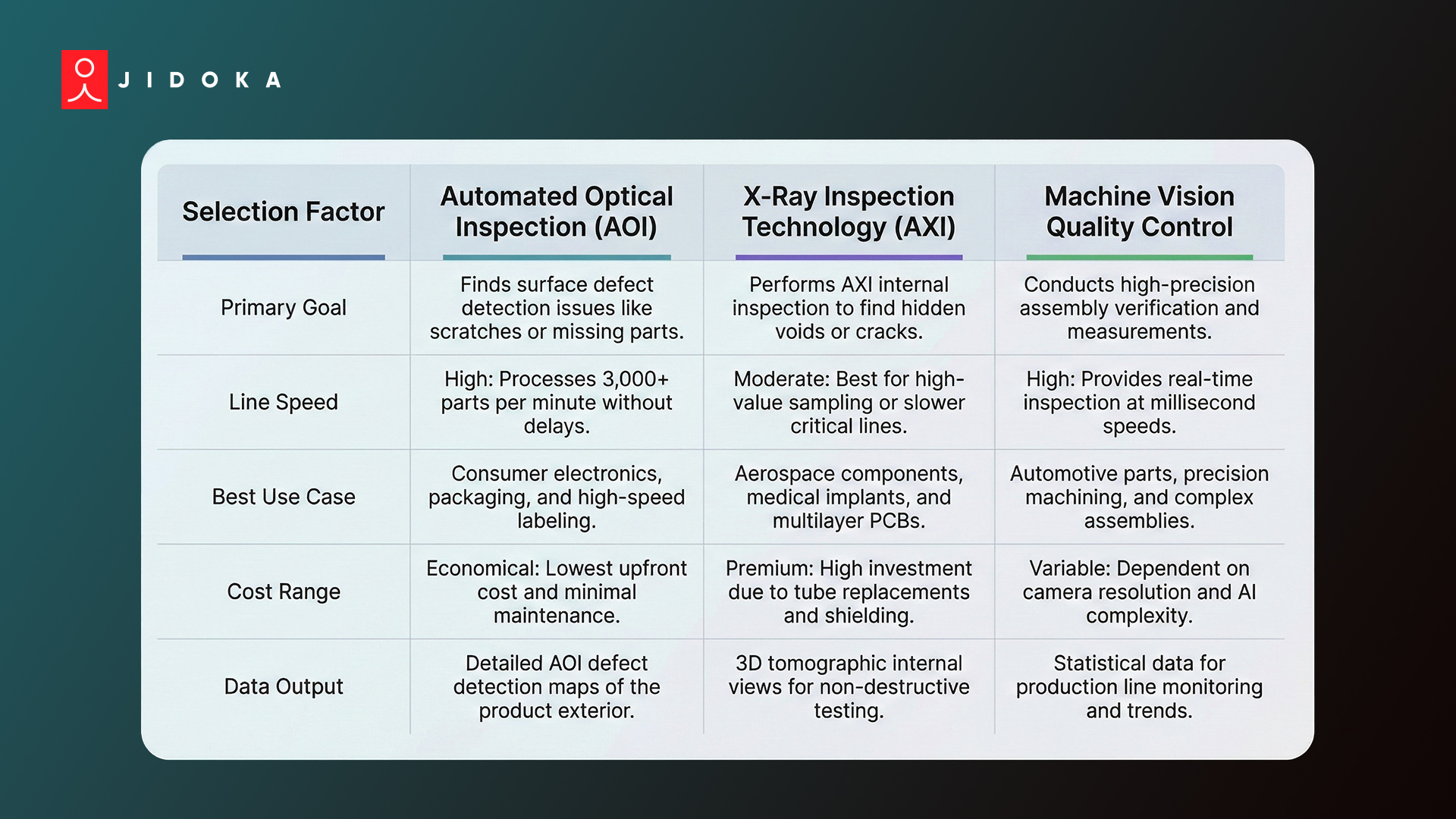
Dit inspectiesysteem fungeert als de ogen van uw fabriek. Het maakt gebruik van hogeresolutiecamera's en krachtige verlichting om de buitenkant van onderdelen te scannen. Het is perfect voor detectie van oppervlaktedefecten op producten die met hoge snelheid worden verplaatst.
- Snelheid: Verwerkt meer dan 3.000 onderdelen per minuut.
- Ideaal voor: Krassen opsporen, etiketten controleren en AOI-defectdetectie.
- Beperking: Het kan niet door vaste voorwerpen of onder componenten kijken.
Technologie 2. Röntgeninspectietechnologie (AXI)
Wanneer u een onderdeel moet doorzien, maakt u gebruik van een inspectiesysteem met röntgenvermogen. Dit AXI interne inspectietool vindt verborgen scheurtjes of luchtbellen in een product. Het is een vorm van niet-destructief onderzoek waarbij het onderdeel intact blijft en tegelijkertijd de kern wordt onthuld.
- Diepte: Dringt door in metaal, kunststof en materialen met een hoge dichtheid.
- Ideaal voor: Controle van soldeerverbindingen, batterijcellen en interne gietruimten.
- Beperking: Het is langzamer en meestal duurder dan optische hulpmiddelen.
Technologie 3. Machinevisie en bewaking van productielijnen
Moderne kwaliteitscontrole met machine vision combineert sensoren met slimme software. Deze systemen voeren assemblageverificatie uit door elke dimensie van een onderdeel te controleren. Ze bieden realtime inspectiegegevens die u helpen trends te herkennen voordat er fouten optreden.
Gebruik dit inspectiesysteem als u onderdelen tot op een fractie van een millimeter nauwkeurig moet meten. Elke technologie biedt een unieke manier om defecten op de werkvloer te classificeren.
Een raamwerk voor de selectie van het juiste inspectiesysteem
Het kiezen van een inspectiesysteem op basis van de prijs leidt vaak tot teleurstellingen. U moet uw specifieke behoeften evalueren om de juiste oplossing voor uw fabriek te vinden. Deze criteria helpen u bij het ontwikkelen van een betere strategie voor kwaliteitsborging in de productie.
A) Identificeer uw defecttype
Begin door te kijken waar uw fouten voorkomen. Als uw risico's aan de oppervlakte liggen, Geautomatiseerde optische inspectie werkt het beste voor snel scannen. Als u in een onderdeel moet kijken om te controleren op holtes, is röntgeninspectie de juiste keuze voor niet-destructief onderzoek. Als u weet wat voor soort defecten u heeft, zorgt u ervoor dat uw inspectiesysteem de juiste gebreken detecteert.
B) Evalueer de productiesnelheid en precisie
Uw inspectiesysteem moet aansluiten op uw lijnsnelheid om knelpunten te voorkomen. Grote volumes goederen moeten snel worden gescand, terwijl medische onderdelen mogelijk een langzamere en gedetailleerdere inspectie vereisen. montageverificatie. Zorg ervoor dat uw tools realtime inspectiegegevens bieden, zodat u fouten direct kunt stoppen. Dit niveau van kwaliteitscontrole met machine vision zorgt ervoor dat uw output consistent blijft.
C) Controleer de integratie en schaalbaarheid
Uw apparatuur moet communiceren met uw bestaande fabriekssoftware. Gebruik een opstelling die werkt met verschillende camera's om de bewaking van uw productielijn te verbeteren. Een flexibel inspectiesysteem groeit mee met uw fabriek en maakt het classificeren van defecten eenvoudiger. Deze gegevens helpen u de hoofdoorzaak van fouten te begrijpen, zodat u deze gericht kunt aanpakken.
De keuze voor een slim inspectiesysteem zorgt voor succes op lange termijn en vermindert verspilling. Nu u een selectieplan heeft, kijken we naar hoe verschillende industrieën deze tools toepassen.
Industriële toepassingen: kwaliteit afstemmen op de productiesector
Elke sector wordt geconfronteerd met unieke uitdagingen. Een veelzijdig inspectiesysteem past zich aan deze specifieke wettelijke en fysieke behoeften aan om een hoog niveau van kwaliteitsborging in de productie te handhaven.
Toepassing #1. Supersnelle elektronica- en automobielindustrie
Autofabrikanten geven prioriteit aan veiligheid en oppervlakteperfectie. Ze maken gebruik van geautomatiseerde optische inspectie om lakkrassen op te sporen en de lasintegriteit in realtime te verifiëren. In de elektronica werkt een hybride aanpak het beste.
Geautomatiseerde optische inspectie controleert de plaatsing van componenten, terwijl röntgeninspectietechnologie verborgen soldeerverbindingen onder chips verifieert. Dit zorgt ervoor dat elke stap in de montageverificatie voldoet aan strenge veiligheidsnormen zonder de lijn te vertragen.
Toepassing #2. Farmaceutica en lucht- en ruimtevaart
Geneesmiddelenfabrikanten hebben 100% documentatie nodig om te voldoen aan de FDA-regelgeving. Ze maken gebruik van machine vision-kwaliteitscontrole om de nauwkeurigheid van etiketten en de verzegeling van verpakkingen op hoge snelheid te verifiëren. Lucht- en ruimtevaartbedrijven vertrouwen bijna uitsluitend op niet-destructief onderzoek.
Zij gebruiken een inspectiesysteem op basis van röntgenstraling om microscopische interne gebreken in motoronderdelen op te sporen. Deze interne AXI-inspectie voorkomt catastrofale storingen door defecten te detecteren die voor camera's onzichtbaar zijn.
Toepassing #3. Voeding, dranken en consumptiegoederen
Deze sector maakt gebruik van realtime inspecties om verontreinigingen op te sporen en vulniveaus te controleren. Deze systemen verwerken 12.000 eenheden per minuut terwijl de nauwkeurigheid van de defectclassificatie gewaarborgd blijft. Door het juiste inspectiesysteem voor uw branche te kiezen, blijft uw productielijn soepel draaien en wordt uw merkreputatie beschermd.
De vloer onder controle krijgen: integratie van de KOMPASS- en NAGARE-systemen van Jidoka
Jidoka Tech biedt een inspectiesysteem dat is ontworpen voor hoge productiedruk. Het verwerkt tot 300 miljoen onderdelen per dag met lokale edge-units voor realtime inspectie. Deze opstelling is gebaseerd op twee modules om de kwaliteitsborging in de productie te verbeteren:
- KOMPASS: Deze module behaalt een nauwkeurigheid van 99,8%. Het beoordeelt frames in minder dan 10 ms en verwijdert producten direct bij het detecteren van oppervlaktedefecten. Het vereenvoudigt AOI-defectdetectie door varianten te leren met 70% minder voorbeelden.
- NAGARE: Deze tool volgt elke assemblagestap. Het systeem controleert de onderdelen en signaleert ontbrekende componenten om nabewerking met 35%te verminderen. Het verbetert de monitoring van de productielijn tijdens alle ploegendiensten.
Dit inspectiesysteem presteert beter dan standaard geautomatiseerde optische inspectie. Elk Jidoka-inspectiesysteem zorgt voor een stabiele, defectvrije productie.
Ontdek Jidoka Tech om te zien hoe een AI-inspectiesysteem uw fabriek kan transformeren en de kwaliteitsborging van de productie vandaag nog kan verbeteren.
Conclusie
De keuze voor een robuust inspectiesysteem is een strategische zet voor elke fabriek. Veel faciliteiten kampen nog steeds met inconsistente handmatige controles en hoge herbewerkingspercentages.
Deze kwaliteitslacunes leiden vaak tot materiaalverspilling, gemiste deadlines en gespannen klantrelaties. Wanneer defecte producten de markt bereiken, kunnen de kosten van retouren en verloren contracten snel uw bedrijfsresultaten aantasten.
U kunt deze problemen oplossen door Jidoka Tech te integreren in uw productielijn. Dit AI-gestuurde inspectiesysteem automatiseert uw kwaliteitsborging en garandeert dat elk onderdeel aan uw normen voldoet.
Neem contact op met Jidoka Tech om uw kwaliteitsborging te optimaliseren en uw productiedoelstellingen veilig te stellen.
Veelgestelde vragen
1. Wat is de gemiddelde ROI voor deze systemen?
Fabrikanten realiseren doorgaans een volledige ROI binnen 8 tot 24 maanden. De installatie van een inspectiesysteem vermindert het aantal garantieclaims aanzienlijk. Deze investering verbetert de kwaliteitsborging en levert tegelijkertijd realtime inspectiegegevens op. U bespaart kosten door fouten in een vroeg stadium op te sporen met behulp van automatische defectclassificatie.
2. Kan AI verschillende productvarianten aan?
Moderne tools voor kwaliteitscontrole met machine vision, zoals KOMPASS, maken gebruik van zelflerende algoritmen om nieuwe SKU's te beheren. Dit flexibele inspectiesysteem past zich aan variaties aan met een minimaal aantal voorbeeldafbeeldingen. Het vereenvoudigt de detectie van AOI-defecten en zorgt voor betrouwbare geautomatiseerde optische inspectie in al uw productielijnen.
3. Hoe gaat het systeem om met fabrieksomstandigheden?
Industriële inspectiesystemen zijn bestand tegen trillingen en stof dankzij gesynchroniseerde LED-flitsers. Lokale edge-units zorgen ervoor dat de inspectie in realtime stabiel blijft. Deze hardware ondersteunt niet-destructief onderzoek en röntgeninspectietechnologie, wat zorgt voor een betrouwbare bewaking van de productielijn, zelfs in de meest uitdagende omgevingen.
4. Hoe verbetert de classificatie van defecten het proces?
Geautomatiseerde defectclassificatie helpt ingenieurs om sneller de hoofdoorzaken van problemen te achterhalen. Door een inspectiesysteem te gebruiken voor de detectie van oppervlaktedefecten, kunt u fouten direct categoriseren. Deze gegevens verbeteren de assemblagecontrole en zorgen ervoor dat uw kwaliteitsborgingsproces tijdens elke shift consistent blijft.
5. Waarom is realtime inspectie noodzakelijk?
Dankzij realtime inspectie kunt u de lijn direct stilleggen zodra er fouten optreden. Dit inspectiesysteem bewaakt de productielijn continu om verspilling te voorkomen. Het versterkt de resultaten van niet-destructief onderzoek en zorgt ervoor dat uw interne AXI-inspectiegegevens nauwkeurig en bruikbaar blijven.