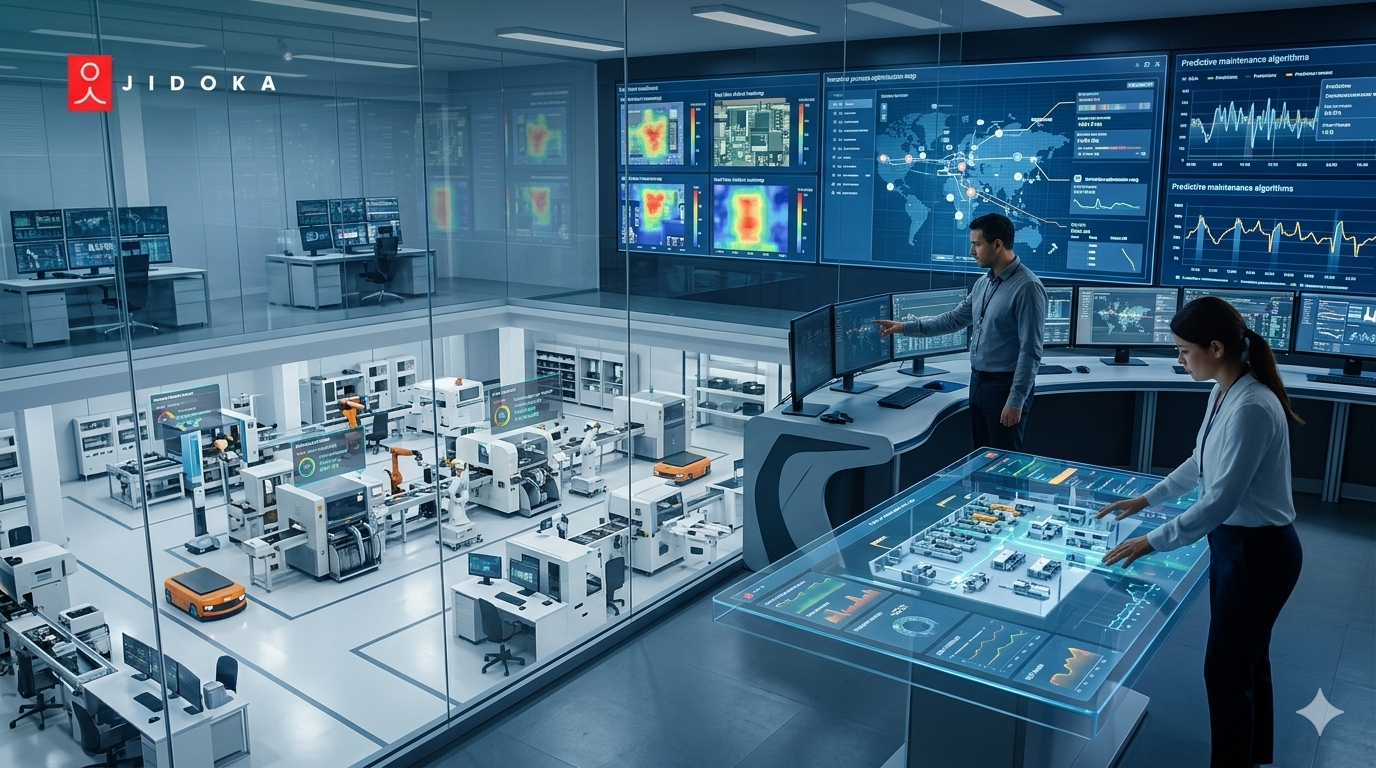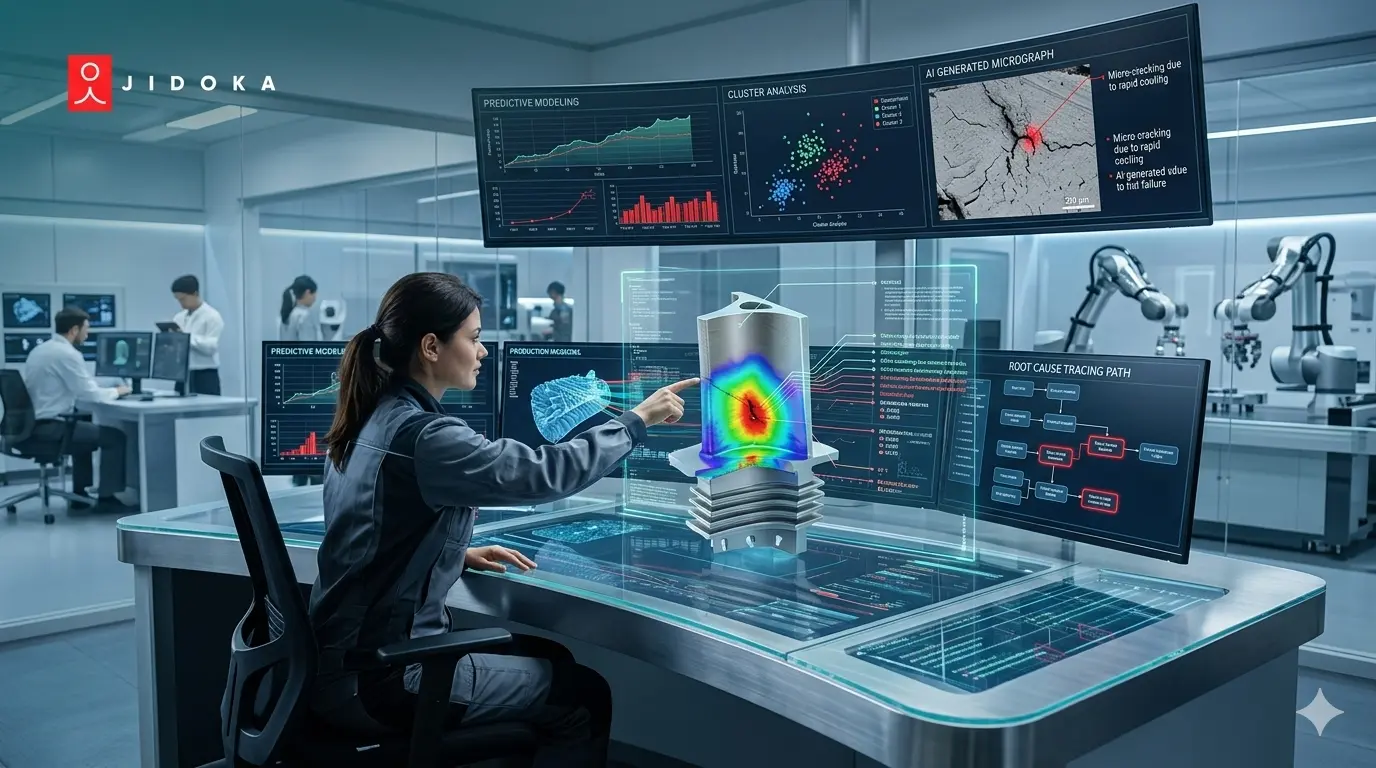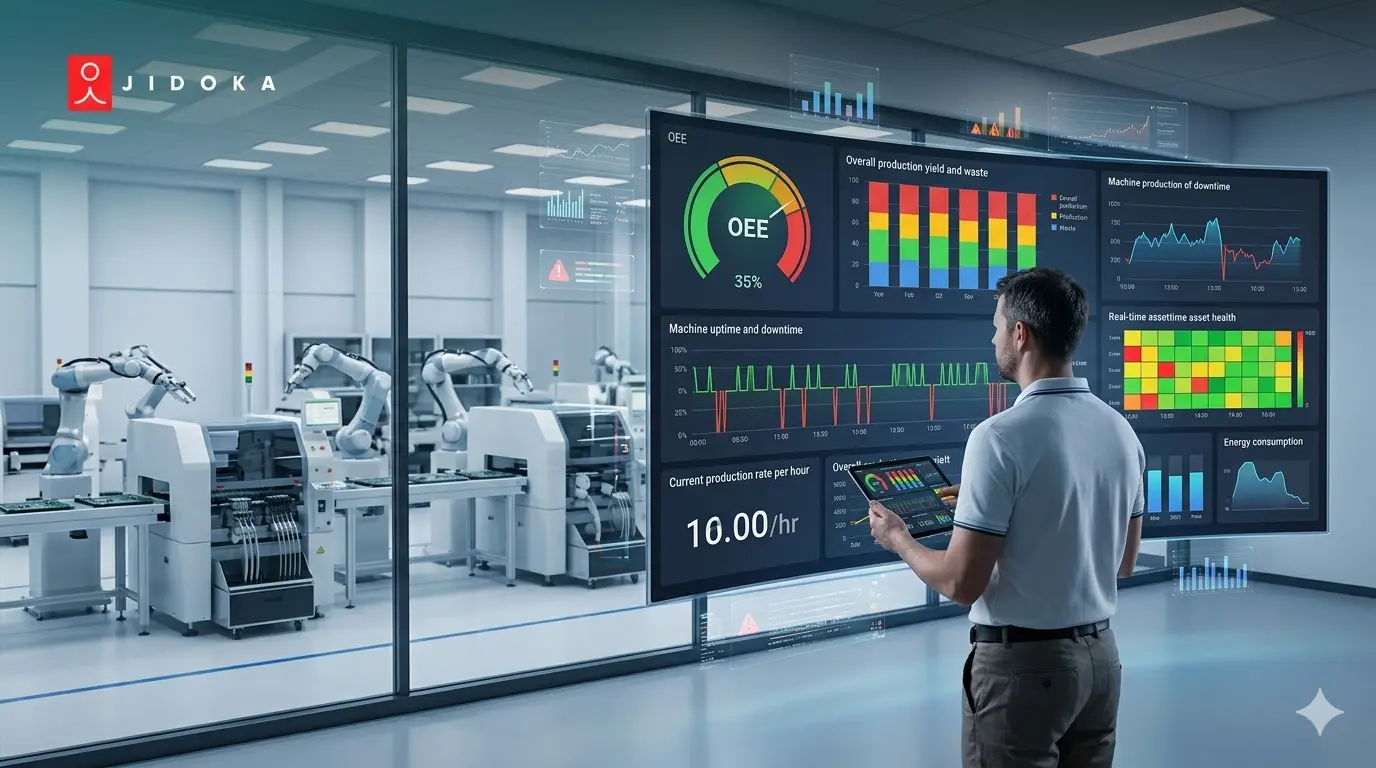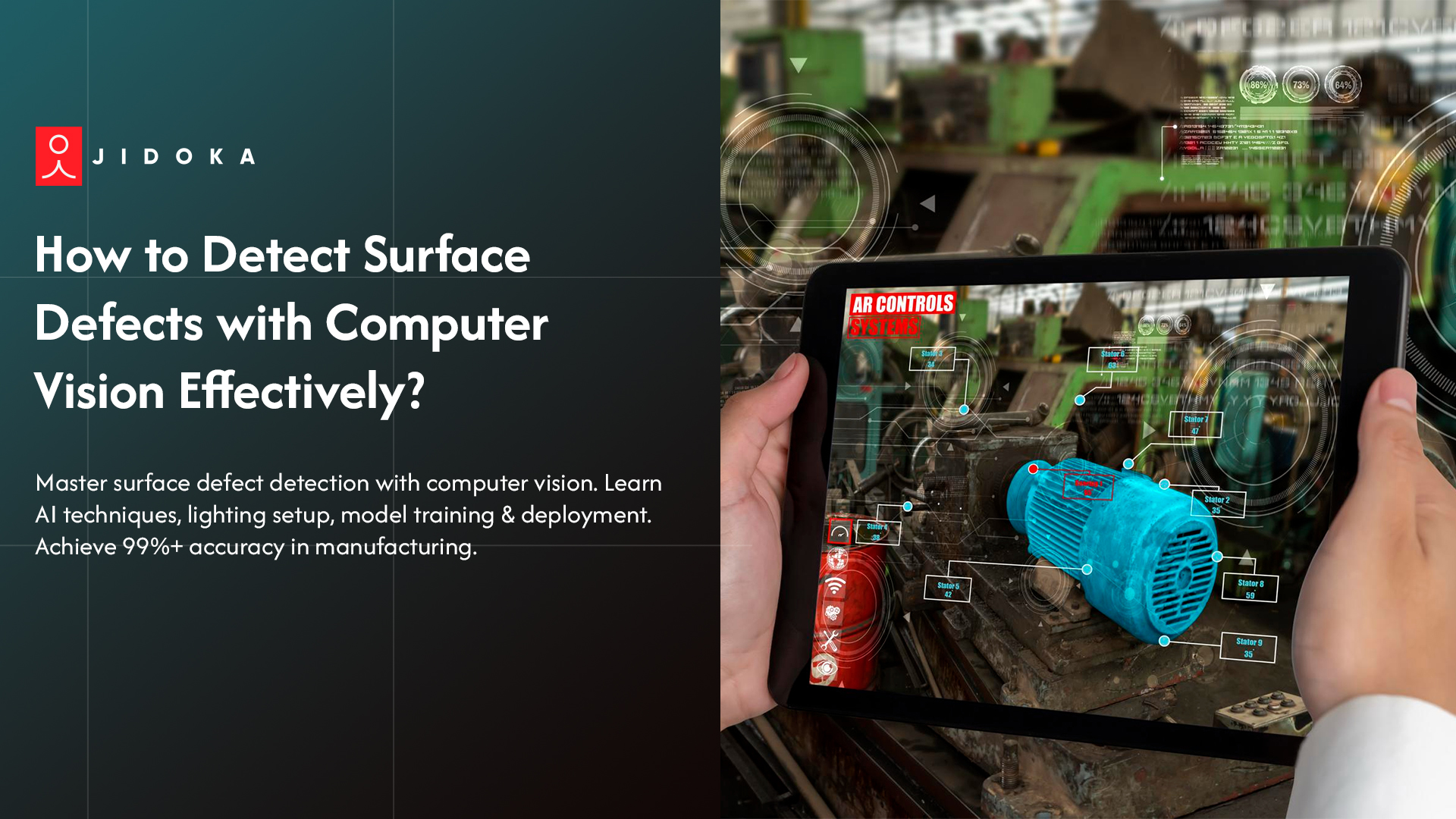
Los líderes en fabricación utilizan ahora la detección de defectos superficiales para sustituir las inspecciones manuales. Los modernos sistemas de inspección por visión artificial identifican pequeños defectos de fabricación con una precisión superior al 99%.
Estos sistemas de visión artificial procesan datos a una velocidad inalcanzable para los humanos. Al utilizar la inspección visual por IA, detectas errores antes de que lleguen a tus clientes. La detección automatizada de defectos reduce los residuos y ahorra costes. Obtienes una inspección en tiempo real que funciona las 24 horas sin cansarse.
Esta tecnología utiliza modelos de aprendizaje profundo para detectar problemas en cualquier pieza. Una detección de defectos superficiales de alta calidad garantiza que tus productos sean perfectos y tus costes se mantengan bajos.
Técnicas clave para una implementación eficaz de la detección automatizada de defectos
Necesitas un plan sólido para pasar de las inspecciones manuales a la detección automatizada de defectos. El éxito depende de cómo gestiones tus datos, tus modelos y tu hardware.
Técnica n.º 1. Configuración óptima de la iluminación y adquisición de imágenes
La iluminación adecuada facilita la detección de defectos superficiales. Si tu cámara no puede ver el fallo, tus modelos de aprendizaje profundo no podrán encontrarlo. Utiliza sensores ópticos e iluminación específica para que los defectos de fabricación resalten.
- Iluminación de ángulo bajo: Úsala para encontrar arañazos o abolladuras. Crea sombras que revelan la textura de la superficie.
- Retroiluminación: Es la mejor opción para medir formas o encontrar orificios en piezas transparentes.
- Iluminación tipo domo: Úsala en metales brillantes para evitar que el resplandor deslumbre a tus sistemas de visión artificial.
- Iluminación estroboscópica: Sincronice sus luces con cámaras de alta velocidad para obtener imágenes nítidas de piezas en rápido movimiento.
La detección de defectos superficiales de alta calidad comienza con estos ajustes físicos. Una vez que obtenga imágenes claras, su inspección por visión artificial será mucho más precisa. Una captura de imagen adecuada garantiza que su inspección en tiempo real detecte hasta la grieta más pequeña.
Técnica n.º 2. Creación de conjuntos de datos de entrenamiento de alta calidad
Su inspección visual por IA es tan buena como los datos que le proporcione. Necesita una combinación de piezas perfectas y piezas con defectos de fabricación. Intente conseguir entre 500 y 2000 imágenes para cada tipo de fallo.
No se limite a tomar fotos de una sola pieza. Rote las piezas y cambie el brillo para que su detección de defectos superficiales sea robusta. Utilice algoritmos de procesamiento de imágenes para invertir o desenfocar las imágenes. Herramientas como Roboflow le ayudan a etiquetar estas imágenes rápidamente. Un etiquetado preciso conduce a una mejor automatización del control de calidad.
Técnica n.º 3. Selección y entrenamiento de modelos de aprendizaje profundo
La detección moderna de defectos superficiales utiliza redes CNN y YOLOv12 para encontrar fallos rápidamente. Estos modelos de aprendizaje profundo escanean piezas en milisegundos para permitir una inspección en tiempo real.
Si tiene defectos muy poco frecuentes, utilice modelos de detección de anomalías . Estos aprenden cómo es una pieza "buena" y marcan cualquier cosa que parezca diferente. El entrenamiento de estos sistemas de visión artificial a menudo utiliza el aprendizaje por transferencia para ahorrar tiempo. Esto garantiza que su inspección visual mediante IA esté lista para la planta de producción rápidamente.
Técnica n.º 4. Implementación en tiempo real e integración en la producción
Para que la detección automatizada de defectos funcione, debe llevarla a la planta de fábrica. Utilice dispositivos de borde como NVIDIA Jetson para la inspección en tiempo real. Estos pequeños ordenadores ejecutan sus modelos de aprendizaje profundo justo al lado de la línea de montaje.
Conecte sus sistemas de visión artificial a su PLC (Controlador Lógico Programable). Cuando la inspección por visión artificial detecta un defecto, el PLC activa un brazo de "rechazo" para retirar la pieza.
Esto crea un circuito cerrado para la automatización del control de calidad. También puede enviar datos a un panel de control para realizar un seguimiento de sus defectos de fabricación a lo largo del tiempo. Esto mantiene su inspección visual mediante IA rápida y útil para su equipo.
Configurar estos sistemas correctamente garantiza que su detección de defectos superficiales proporcione un alto retorno de la inversión.
Cómo Jidoka Tech detecta defectos superficiales en piezas reflectantes y texturizadas
Jidoka Tech construye un sistema de inspección visual mediante IA que funciona bajo la presión de la producción real. Su equipo alinea cámaras, iluminación y sistemas de visión artificial para que sus controles de calidad se mantengan constantes en cada turno.
La configuración de Jidoka gestiona hasta 300 millones de inspecciones al día utilizando dos herramientas principales:
- KOMPASS: Esta herramienta de alta precisión alcanza más de un 99,8 % de exactitud en líneas de producción en tiempo real. Procesa fotogramas en menos de 10 ms y gestiona metales reflectantes o piezas texturizadas mediante modelos de aprendizaje profundo.
- NAGARE: Este analista realiza un seguimiento de los pasos de ensamblaje y señala las piezas faltantes en tiempo real. Utiliza algoritmos de procesamiento de imágenes para reducir el retrabajo hasta en un 35 %.
Al ejecutar la detección de defectos superficiales en unidades locales de borde (edge), Jidoka Tech evita el retraso. Esta detección automatizada de defectos garantiza que su inspección en tiempo real nunca pase por alto ninguna imperfección.
Conclusión
La detección de defectos superficiales es esencial para la fabricación de alta velocidad, donde las comprobaciones manuales a menudo no son suficientes. La inspección tradicional genera importantes problemas operativos, como la fatiga humana, resultados inconsistentes y la omisión de defectos microscópicos.
Si estas deficiencias no se abordan, el impacto en el negocio es considerable: se arriesga a un aumento en los costes de retirada de productos, posibles daños a la reputación de la marca y la pérdida de contratos importantes frente a competidores más precisos. Un solo descuido puede paralizar toda una línea de producción.
Jidoka Tech ofrece una solución práctica con detección automatizada de defectos. Su inspección por visión artificial proporciona más de un 99,8 % de precisión y una inspección en tiempo real que funciona de forma continua.
Al utilizar la inspección visual por IA de Jidoka, elimina estas incertidumbres y asegura el futuro de su taller con una automatización fiable del control de calidad.
Preguntas frecuentes
1. ¿Qué niveles de precisión pueden esperar los fabricantes de los sistemas de detección de defectos superficiales?
La detección de defectos superficiales impulsada por IA alcanza una precisión del 99,8 %. Estos sistemas de visión artificial superan a las comprobaciones manuales al detectar pequeños defectos de fabricación que los humanos suelen pasar por alto. Al utilizar la inspección visual por IA, garantiza que sus productos cumplan con altos estándares mientras la inspección en tiempo real mantiene la velocidad.
2. ¿Qué técnicas de iluminación funcionan mejor para los diferentes tipos de defectos superficiales?
Una iluminación adecuada es clave para la inspección por visión artificial. Utilice luces tipo domo para eliminar el deslumbramiento en piezas brillantes o luces de ángulo bajo para revelar arañazos. Estos sensores ópticos proporcione datos claros a los algoritmos de procesamiento de imágenes, haciendo que la detección automatizada de defectos sea fiable para cualquier superficie.
3. ¿Cuántos datos de entrenamiento se requieren para obtener modelos eficaces de detección de defectos?
Los modelos modernos de aprendizaje profundo aprenden rápido. Puede empezar con unos pocos cientos de imágenes utilizando el aprendizaje por transferencia. Al entrenar redes CNN con muestras tanto buenas como malas, su automatización del control de calidad domina rápidamente la detección de anomalías para captar hasta el más mínimo fallo.
4. ¿Cuáles son los principales retos a la hora de implementar sistemas de detección de defectos mediante visión artificial?
El mayor obstáculo es gestionar los cambios en la iluminación de la fábrica y las texturas complejas. Necesita sistemas de visión artificial robustos que se adapten a los cambios. Jidoka Tech lo resuelve utilizando algoritmos avanzados de procesamiento de imágenes para mantener la detección automatizada de defectos estable durante cada turno.
5. ¿Con qué rapidez pueden los fabricantes obtener un retorno de la inversión tras implementar la detección de defectos superficiales?
La mayoría de las plantas obtienen un retorno de la inversión total en menos de un año. La detección automatizada de defectos reduce los costes laborales y disminuye los residuos en un 50%. Esta automatización del control de calidad evita costosas retiradas de productos, lo que convierte a la detección de defectos superficiales en una decisión inteligente para sus resultados y su marca.
6. ¿Qué especificaciones de hardware se necesitan para la detección de defectos en tiempo real?
Necesita cámaras de alta resolución y dispositivos de borde (edge devices) para la inspección en tiempo real. Estos sistemas de visión artificial procesan los datos localmente para evitar retrasos. Combinado con sensores ópticos inteligentes, este hardware garantiza que su inspección visual mediante IA sea rápida y precisa en todo momento.