Overview
The client, a leading supplier of pharmaceutical packaging components, faced growing challenges in maintaining product integrity at scale. With production exceeding 6 lakh caps daily, manual visual checks could not reliably detect micro-defects in liners, plastic surfaces, or glass containers — risking contamination and compliance failures in a tightly regulated industry.
Opportunity
Manual inspection was slow, inconsistent, and subjective — especially under high-speed operations.The manufacturer needed an automated AI inspection solution capable of:
- Detecting liner deformation, cracks, and contamination invisible to human inspectors.
- Performing 100% inspection at sub-second cycle times.
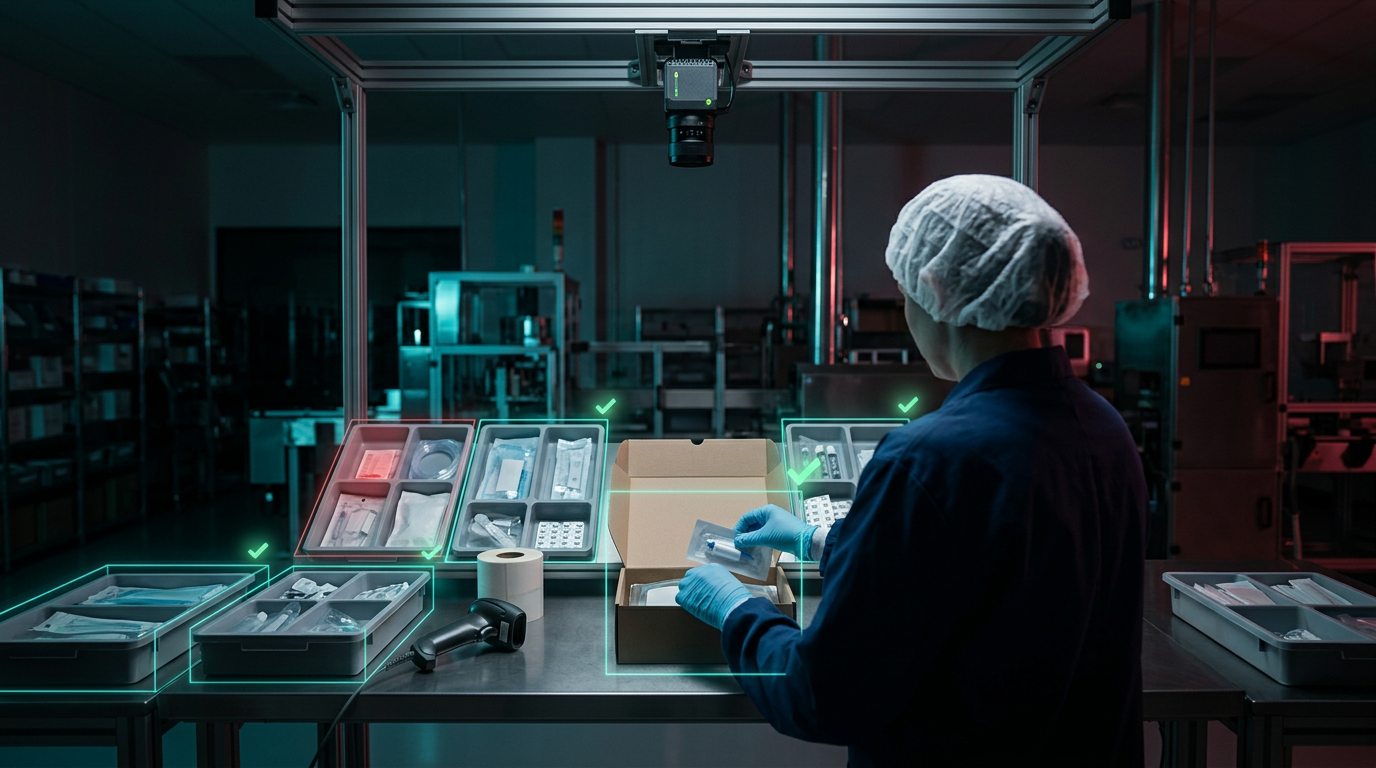
- Ensuring regulatory compliance and complete traceability for every vial and cap.
Jidoka's Approach

- Tigris-Enabled Kompass Vision System:
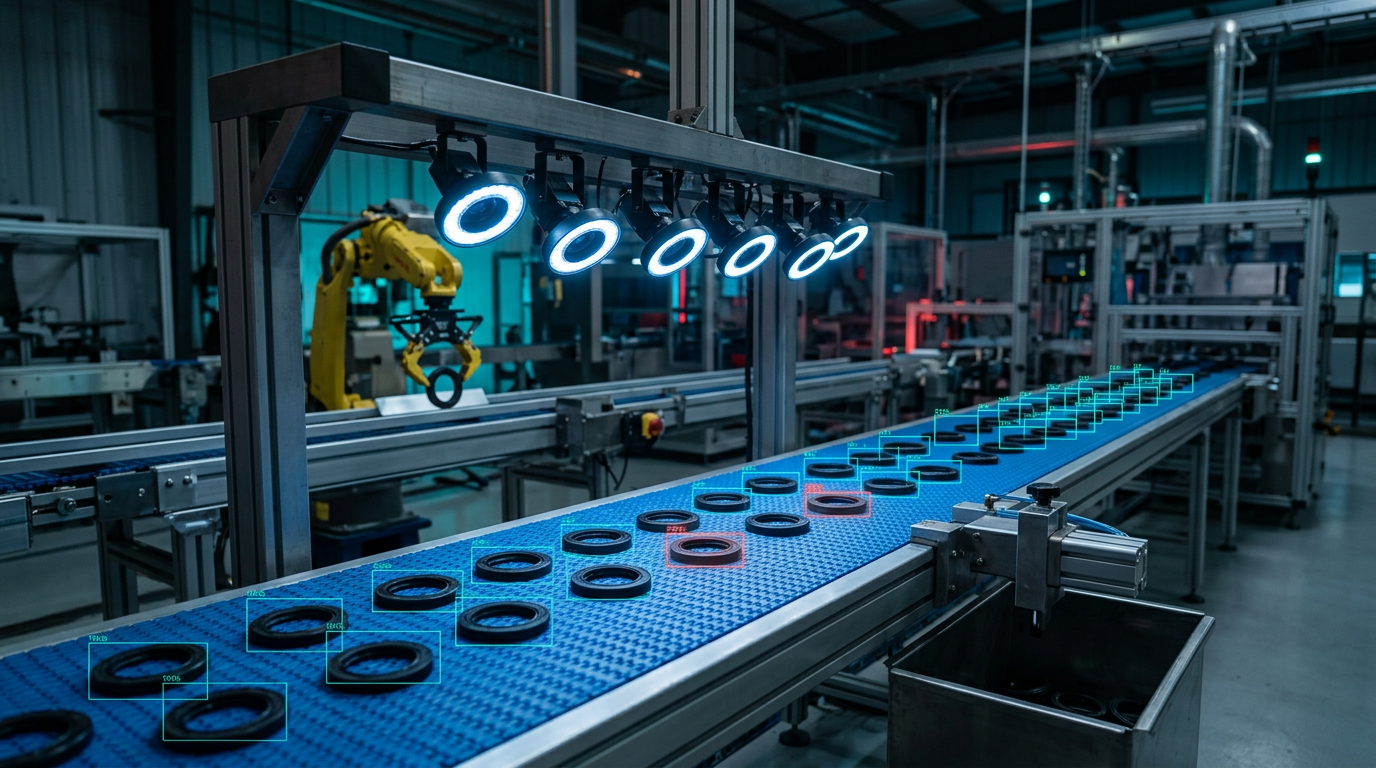
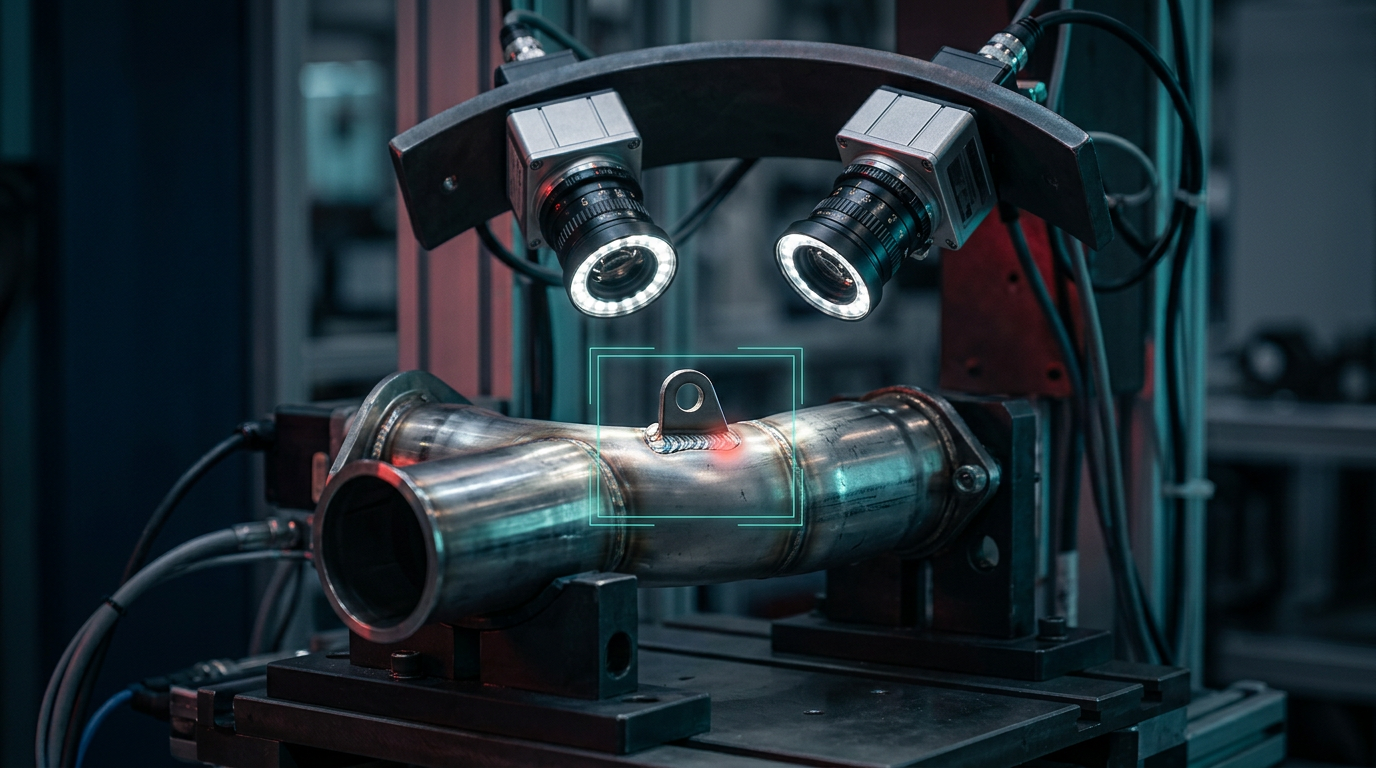
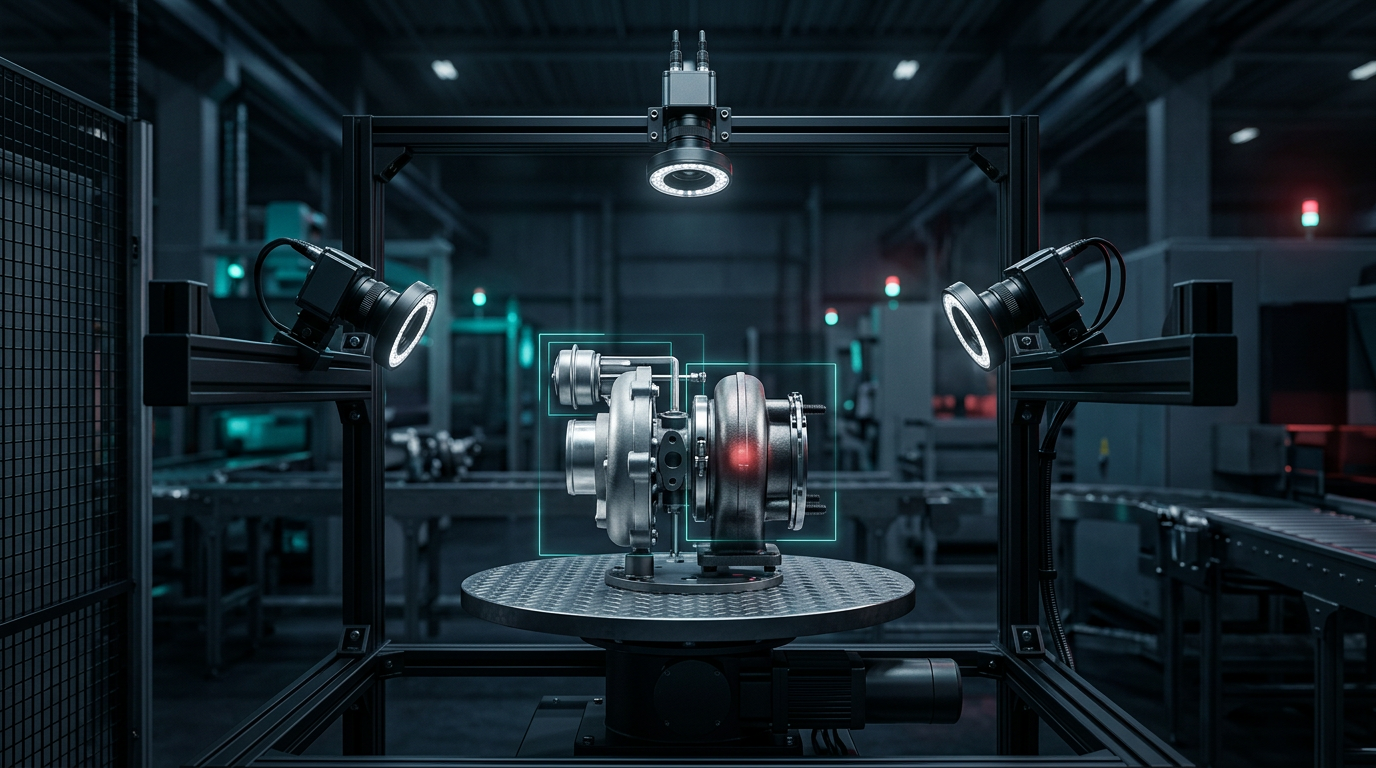
Integrated at the final inspection stage, combining multi-camera AI vision with high-speed rotation to inspect each cap and vial from all angles in <1 second.
- Defect Detection & Classification:
Kompass identified 14 key defect categories including liner misfit, chipped plastic, broken glass, contamination, and particulate matter inside vials.
- Real-Time Rejection & Feedback:
Defective parts were automatically rejected, while the AI dashboard provided live defect trend analytics for process optimization.
- Scalable, Compliance-Ready System:
All inspection data was digitally logged, supporting quality audits and pharmaceutical traceability standards.


Big Wins
Zero Contamination Risk with JIDOKA's AI Visual Inspection
Sub-Second Cycle Time
Completed Inspection and Classification in under 1 second.
6,00,000+ Units/Day Throughput
High Volume Inspection with zero downtime.
Digital Traceability
Auto-logged inspection data for regulatory compliance.
99.9% Defect Detection Accuracy
Ensured zero escapes for liner, plastic, and glass defects
With Jidoka's Kompass™ and Tigris AI systems, the pharma packaging manufacturer achieved 99.9% inspection accuracy, sub-second cycle times, and full compliance — moving their final inspection to a fully automated, data-driven process that eliminates defects before they reach the market.