Overview
Appasamy required a reliable smart visual inspection solution capable of inspecting multiple ophthalmic lens packaging variants across different inspection surfaces and quality parameters.
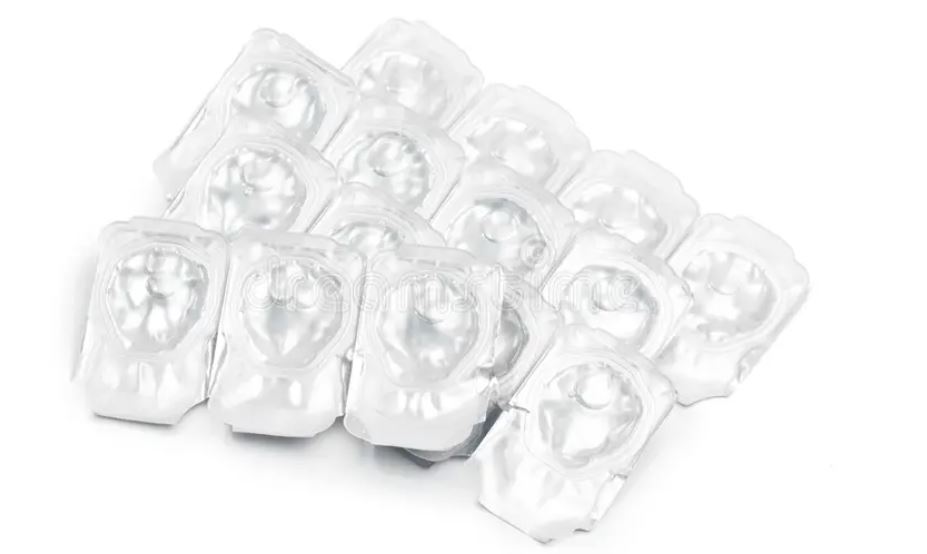
The application covered 4 major product variants and 8 lens shapes, requiring inspection of lens presence, code and label verification, QR-based serial number consistency, foreign particle detection, packaging integrity and component presence. Jidoka implemented an AI-powered inspection architecture using industrial cameras, indexed inspection stations, actuator mechanisms and the Kompass AI inspection platform.
Opportunity
The multi-variant lens inspection application required comprehensive automated inspection across different surfaces and packaging configurations:
- Multiple product variants with 8 different lens shapes required a flexible inspection architecture.
- Critical features such as lens presence, EO/CE codes, labels, QR codes, and serial number consistency needed to be verified automatically.
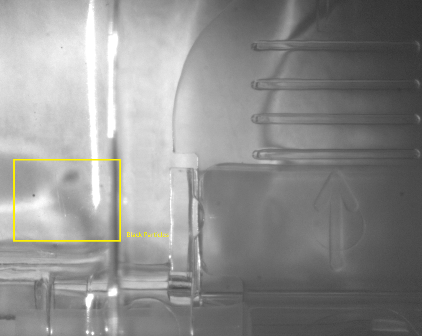
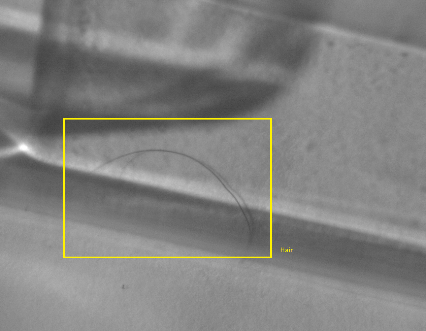
- Foreign particles as small as above 0.2mm needed to be detected on defined transparent surfaces.
- Pre-loaded lens packages required inspection of the top, bottom and four side faces.
- Additional packaging defects including missing components needed to be identified.
- Inspection requirements varied by product type, with cycle times ranging from 5 to 10 seconds per part.
Jidoka's Approach
Multi-Station AI Vision Inspection
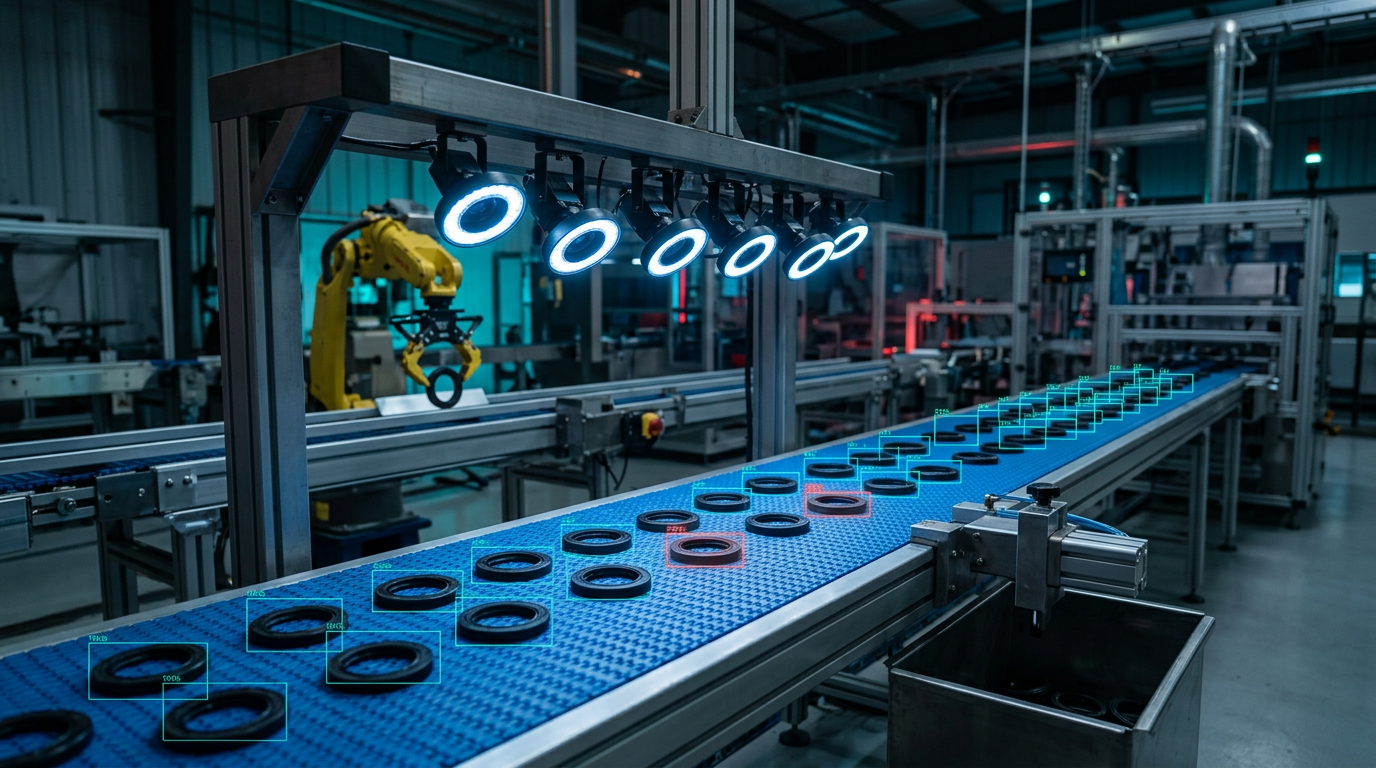
Jidoka implemented a multi-station inspection architecture using industrial cameras, indexed rotation, and actuator mechanisms to provide comprehensive inspection across the defined surfaces.
High-Resolution Top & Side Inspection
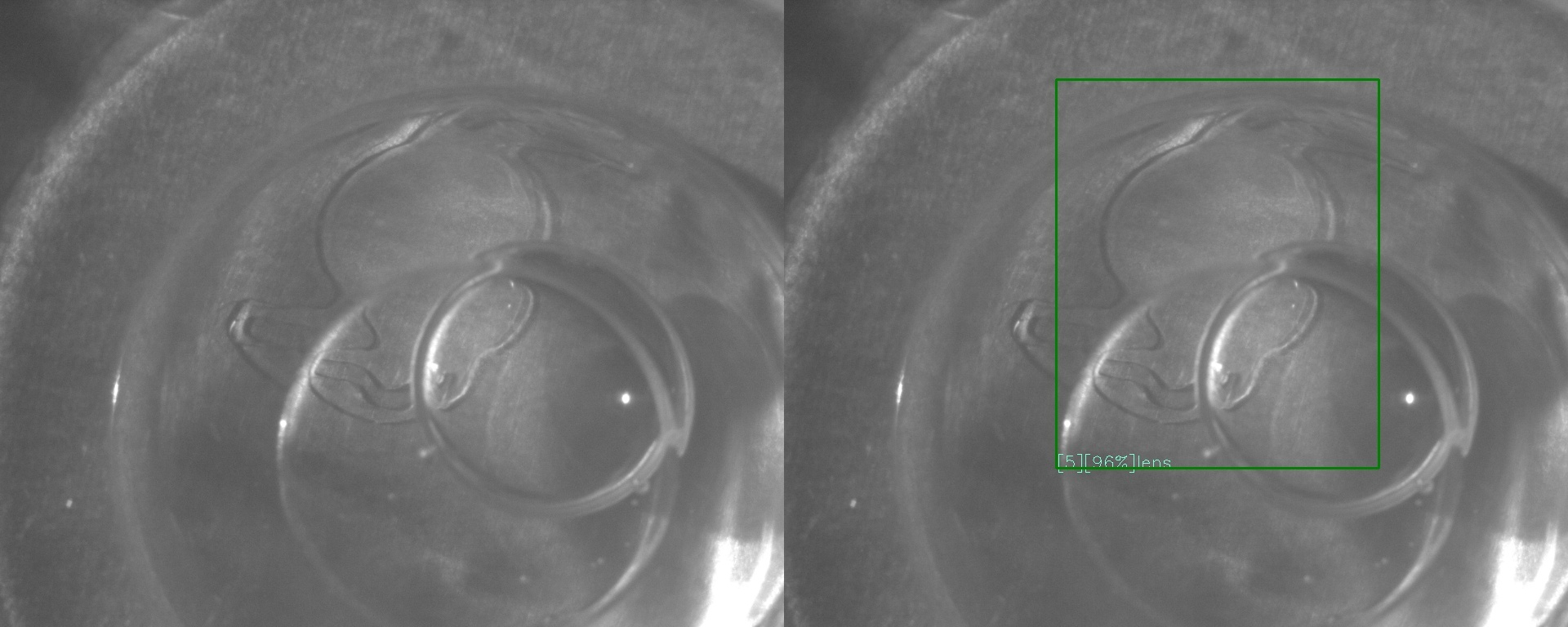
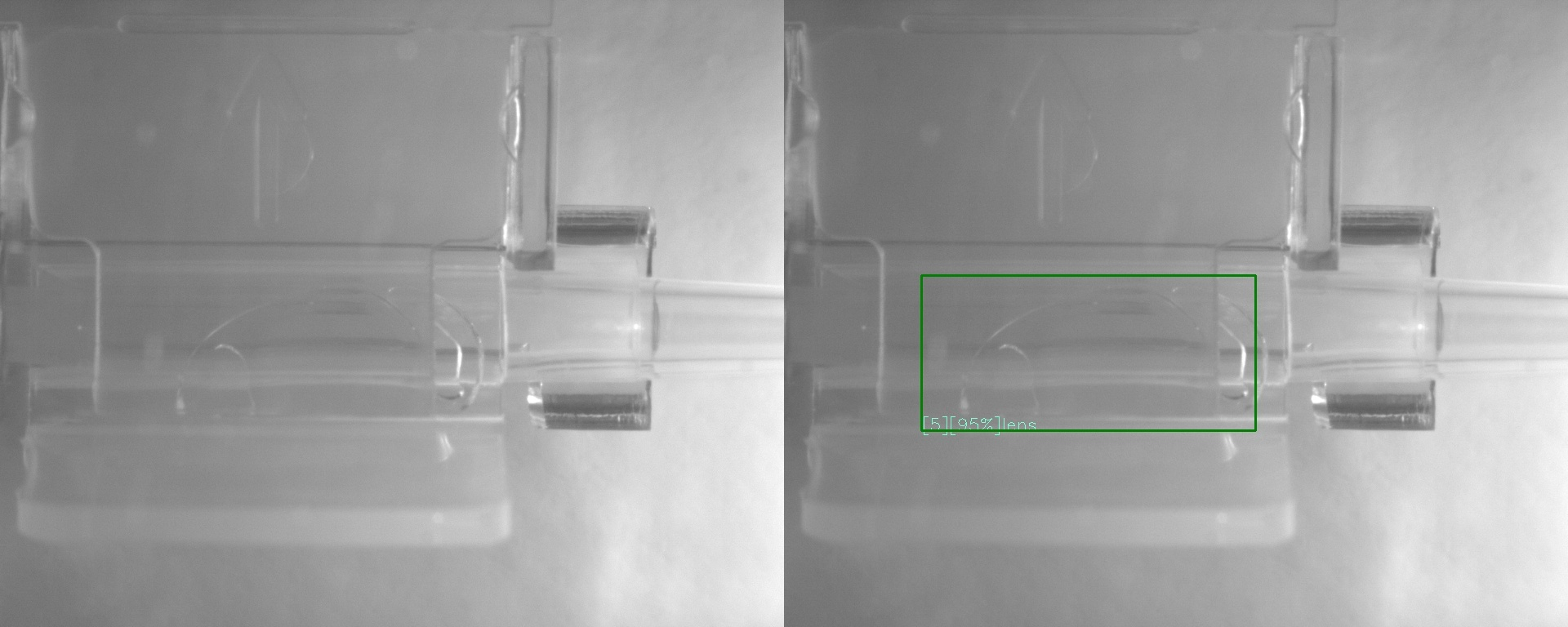
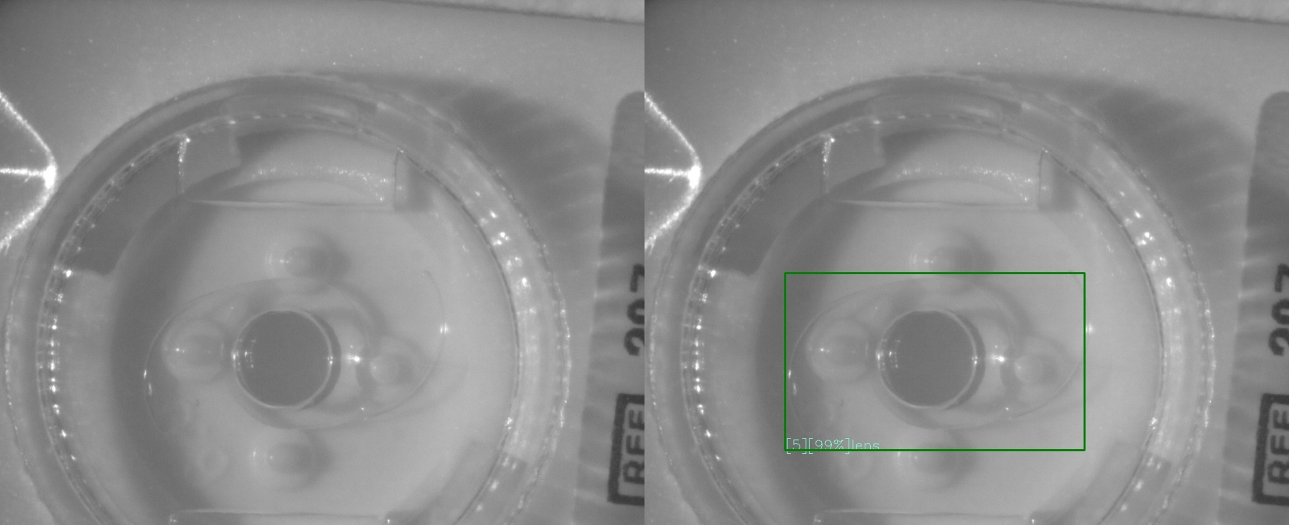
The top and side inspection station uses multiple cameras mounted on a 2-axisactuator system to capture high-resolution images of the lens package. Infrared cameras support lens presence and foreign-particle inspection, while acolour camera verifies colour-based features.
Label, Code & QR Verification
The system verifies the presence and colour of EO/CE codes, checks top and side labels, and performs QR-code comparison for serial number consistency. For pre-loaded lens variants, the solution also supports bottom-label inspection and image storage based on QR information.
Multi-Surface Inspection
For pre-loaded lens variants, an indexed inspection arrangement enables sequential inspection of the top, four side faces, and bottom face. A dedicated bottom-label inspection station uses a camera positioned beneath a transparent inspection surface for label verification.
AI-Based Decision & Automated Sorting
Captured images are processed on an on-premise industrial edgecomputer running Jidoka's Kompass deep-learning AI platform. Thesystem classifies each inspected part as OK or NG based on configuredinspection criteria. Post-inspection, a pneumatic ejection mechanismautomatically segregates the parts into designated OK and NG bins.


Big Wins
Automated, multi-variant lens inspection with AI-powered defect detection and traceable quality verification.
4 Product Variants | 8 Lens Shapes
Automated inspection capability across multiple lens variants and packaging configurations.
Multi-Point Quality Verification
Automated verification of lens presence, labels, codes, QR consistency, foreign particles, packaging defects, and component presence.
5–10 Seconds per Part
Defined inspection cycle time across Hydrophilic, Hydrophobic, PMMA, and Pre-loaded lens variants.
Zero Missing or Wrong Parts
Improved customer trust and ROI.
With Jidoka's AI-powered smart inspection system, Appasamy successfully unified quality assurance across four lens packaging variants and eight lens shapes on a single platform. The Edge AI solution delivered high-precision, real-time defect detection with full traceability and consistency—eliminating missing or mismatched parts and strengthening confidence in every shipped lens package. This deployment marks a key milestone in Appasamy's journey toward fully automated, data-driven quality control in ophthalmic packaging.