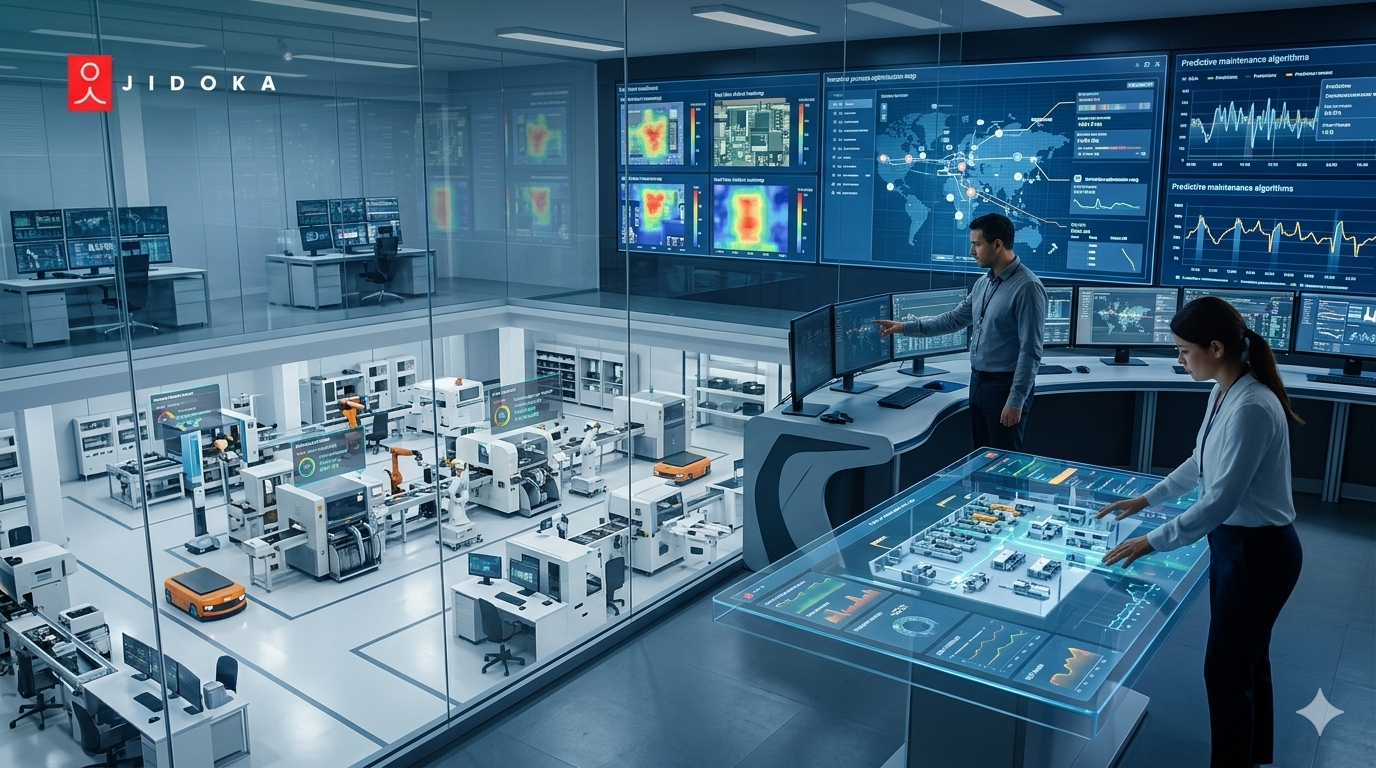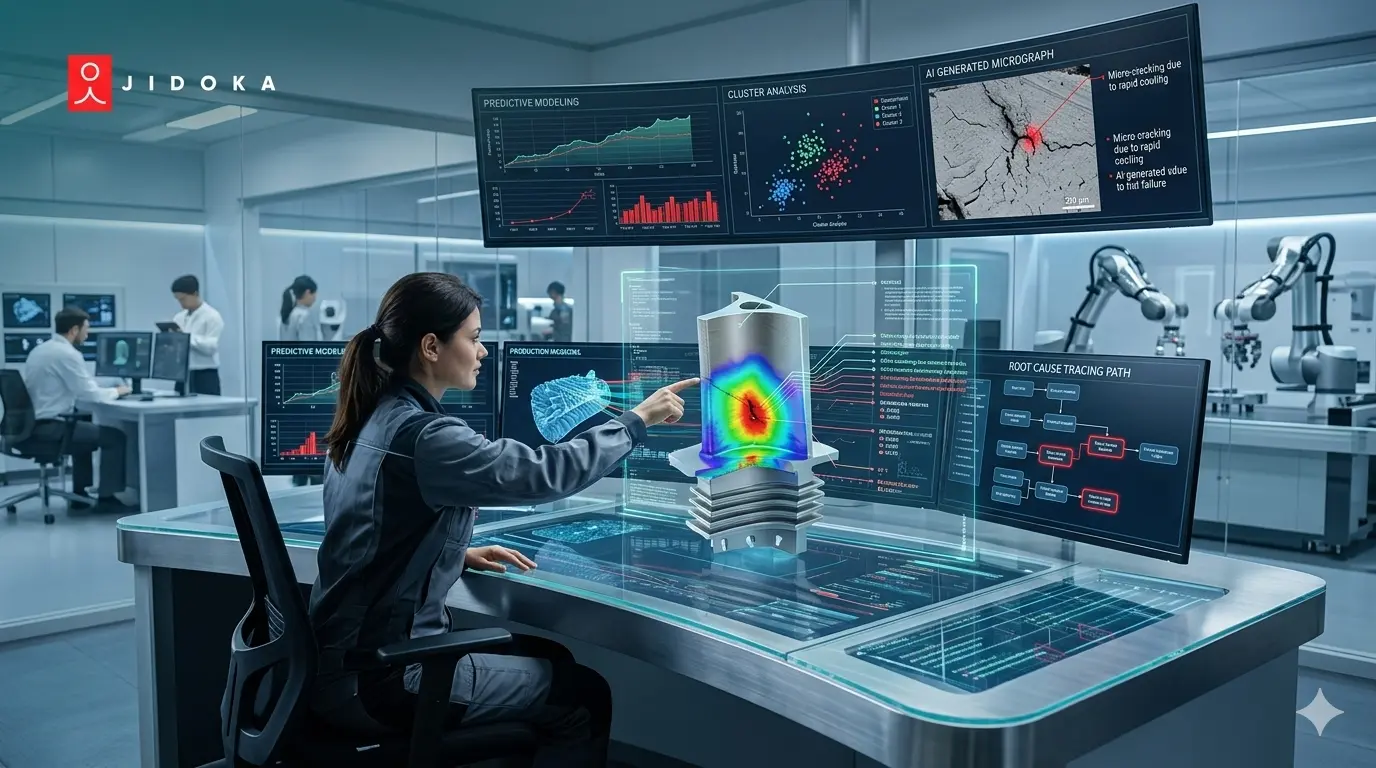
À l'heure actuelle, seules 23 % des usines disposent d'une traçabilité complète de la fabrication. La plupart des plans échouent en raison de silos de données et d'une mauvaise gestion des rappels. Vos clients et les régulateurs s'attendent à ce que vous sachiez d'où provient chaque pièce. Les journaux papier augmentent le risque de non-conformité à la réglementation en matière de fabrication.
Ce guide vous explique comment fonctionne la traçabilité de la fabrication dans l'atelier aujourd'hui. Vous en apprendrez plus sur traçabilité des produits lors de la fabrication et comment la traçabilité de la chaîne d'approvisionnement protège votre marque.
Nous expliquons le suivi des lots, le suivi des numéros de série et l'intégration du MES afin que vous puissiez choisir la meilleure méthode pour votre usine. Ces outils vous aident à créer une meilleure généalogie de produits.
Qu'est-ce que la traçabilité de la fabrication ? (Définition, portée et raisons pour lesquelles cela a changé)
La traçabilité de la fabrication moderne agit comme un enregistrement numérique pour chaque article que vous fabriquez. Il documente qui, quoi, où et quand de votre production. La traçabilité de la fabrication est passée des classeurs en papier aux systèmes de traçabilité IoT qui capturent les données instantanément.
Aujourd'hui, la traçabilité des produits lors de la fabrication est un outil opérationnel, et pas seulement une exigence légale.
A) Traçabilité ascendante et traçabilité descendante : la différence opérationnelle
Vous avez besoin de deux directions pour une traçabilité complète de la fabrication :
- Traçabilité ascendante : Vous suivez les matières premières depuis leur réception jusqu'au client. Cela vous permet de savoir quels acheteurs ont reçu un lot spécifique de composants de traçabilité des lots.
- Traçabilité ascendante : Vous commencez par une unité défaillante et vous trouvez le lot, la machine ou l'opérateur source. Cela rend la gestion des rappels rapide et précise.
La plupart des usines utilisent les deux pour s'assurer traçabilité de la chaîne d'approvisionnement reste ininterrompu.
B) Traçabilité des lots ou traçabilité sérialisée : choisir le bon niveau
Votre type de produit détermine votre méthode de traçabilité de fabrication :
- Traçabilité des lots : Vous suivez un groupe d'articles par le biais du suivi par lots. Il s'agit d'une norme pour les produits alimentaires, les produits chimiques et les produits pharmaceutiques.
- Traçabilité sérialisée : Vous attribuez un numéro de série et un numéro de suivi à chaque unité individuelle. Ceci est obligatoire pour automobile, l'aérospatiale et les dispositifs médicaux.
Le choix du niveau approprié limite votre responsabilité lors d'un audit de sécurité.
Ensuite, nous examinons le fonctionnement de la traçabilité de la fabrication dans votre usine.
Comment fonctionne la traçabilité des produits dans le secteur de la fabrication sur l'ensemble de l'atelier de production
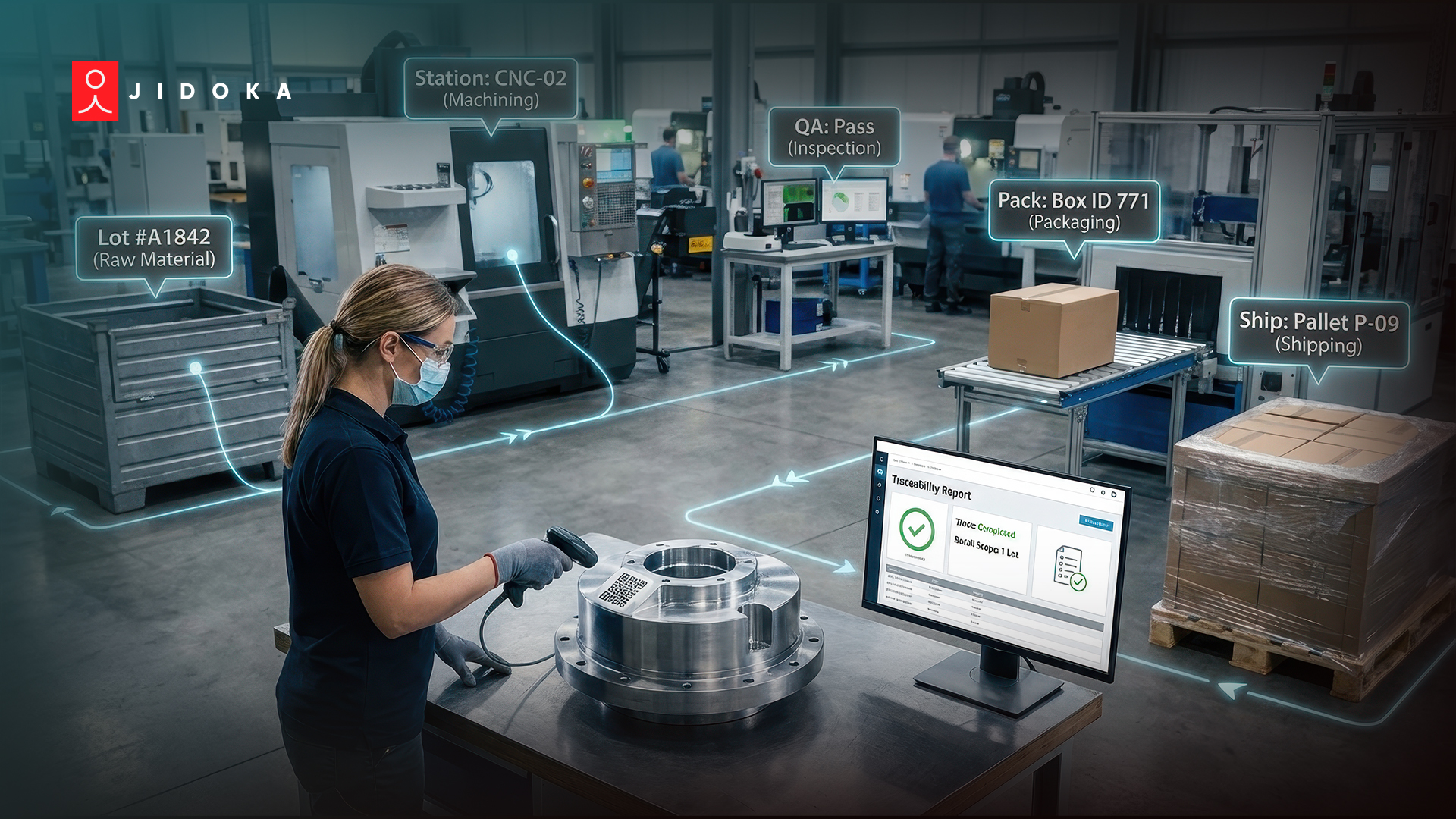
Une traçabilité de fabrication efficace relie chaque mouvement physique à un fil numérique. Vous utilisez l'intégration MES pour enregistrer les données au fur et à mesure que les pièces circulent sur votre ligne. Cela permet de créer une généalogie des produits qui prouve votre qualité.
La traçabilité des produits lors de la fabrication vous permet de ne jamais perdre de vue un composant. La traçabilité de la fabrication vous fournit les données nécessaires pour arrêter une ligne dès qu'un outil dérive.
1. Suivi des matières premières et des marchandises entrantes
La traçabilité de la fabrication commence au quai de chargement. Vous devez associer les données de suivi des lots des fournisseurs à vos identifiants internes. Scannez les documents dès leur réception pour les enregistrer résultats d'inspection dans votre logiciel de traçabilité ERP. Cela empêche un stock défectueux de ruiner votre rendement final.
2. Suivi en cours de fabrication grâce à l'intégration du MES et des automates programmables
Votre intégration MES enregistre ce qui se passe à chaque station. Il enregistre le couple, la température et l'horodatage de chaque pièce. La traçabilité de la fabrication utilise ces données pour détecter les erreurs avant qu'elles ne quittent le bâtiment.
- Utilisez des capteurs de traçabilité IoT pour signaler la dérive des machines en temps réel.
- Synchronisez les données PLC avec votre ERP pour obtenir un historique complet de traçabilité de la fabrication.
- Assurez-vous que les opérateurs signent numériquement pour maintenir fabrication conforme à la réglementation normes.
3. Produits finis et logistique sortante
La traçabilité finale de la fabrication relie vos dossiers d'expédition à l'historique de production. Utilisez le marquage direct des pièces pour que l'identification ne s'efface jamais. La vérification des étiquettes avant l'expédition protège la traçabilité de votre chaîne d'approvisionnement. Cela vous permet de trouver n'importe quelle unité si un problème de sécurité survient ultérieurement.
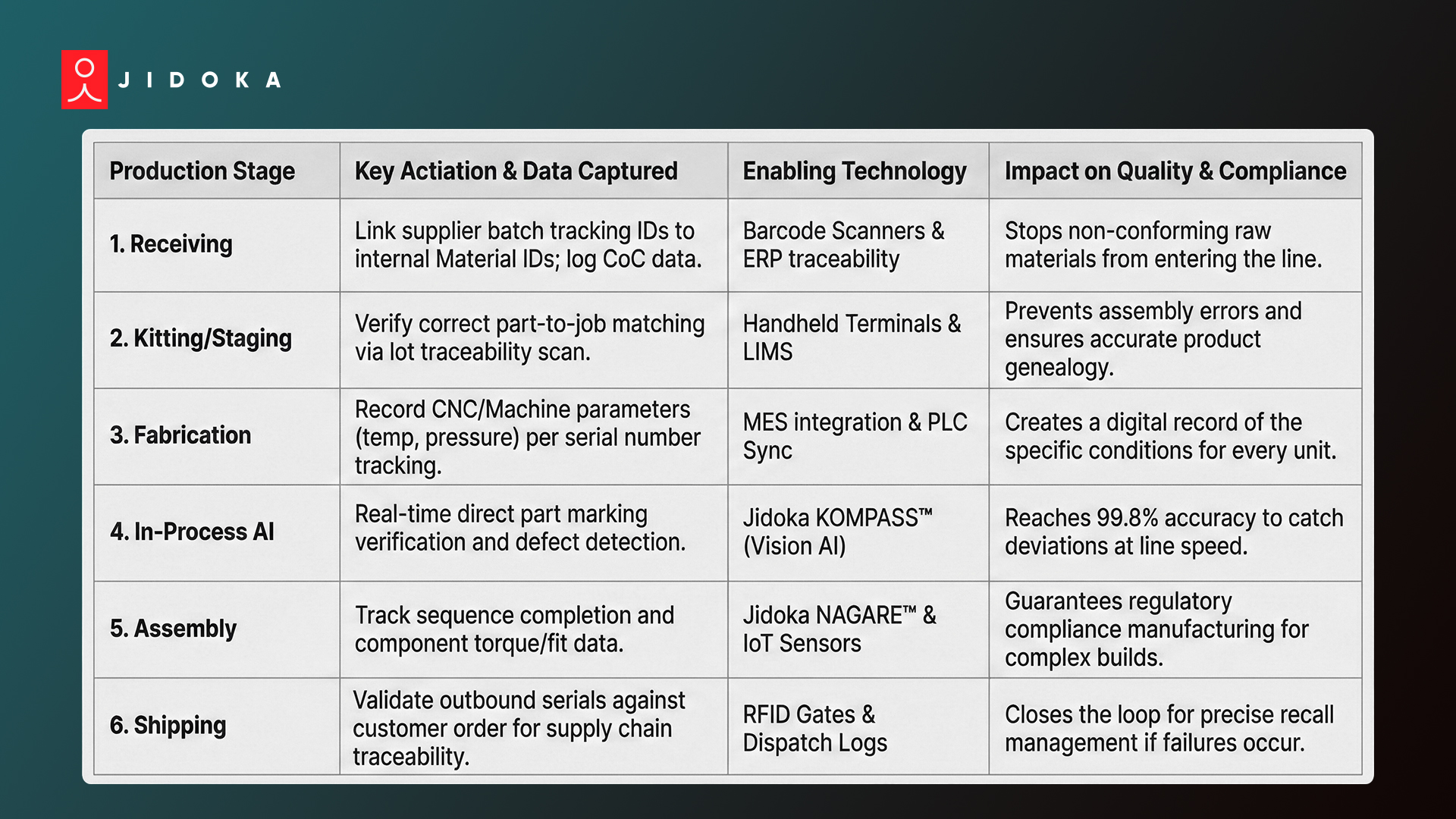
Un tableau pour le flux de travail de traçabilité des ateliers de production :
Traçabilité de la chaîne d'approvisionnement : du fournisseur au client final
La traçabilité de la chaîne d'approvisionnement relie votre usine à votre réseau de fournisseurs. Vous devez connaître la provenance des matériaux pour garantir la sécurité. L'utilisation de la traçabilité de la fabrication à tous ces niveaux protège votre marque des risques cachés.
1. Exigences en matière de traçabilité des fournisseurs et intégration
L'établissement de règles claires pour les fournisseurs constitue la première étape de la traçabilité de la chaîne d'approvisionnement. De nombreuses entreprises éprouvent des difficultés à cause de mauvaises données provenant de fournisseurs hiérarchisés. Vous pouvez améliorer la traçabilité de votre fabrication en suivant les étapes suivantes :
- Intégration pilotée par l'IA : Utilisez des outils pour réduire le temps de configuration de 9 mois à 5,4 mois.
- Fiches d'évaluation des fournisseurs : Utilisez le suivi des lots pour évaluer la qualité des fournisseurs.
- Traçabilité ERP : Connectez les journaux des fournisseurs à vos systèmes internes pour une meilleure visibilité.
L'automatisation de ces contrôles garantit la conformité réglementaire de la fabrication dès le début du processus.
2. Protocoles de gestion des rappels et de confinement des lots
La gestion efficace des rappels repose sur la précision des données. Si une pièce tombe en panne, vous devez trouver et isoler rapidement les unités concernées. La traçabilité de la fabrication rend cela possible sans interrompre toute la production.
- Utilisez la traçabilité des lots pour trouver les produits fabriqués avec un lot défectueux spécifique.
- Déployez le suivi des numéros de série pour ne récupérer que les unités exactes à risque.
- Associez la généalogie de vos produits aux journaux d'expédition pour une action immédiate.
Une traçabilité fiable de la fabrication réduit les dommages financiers liés à un rappel jusqu'à 80 %.
Technologies et outils de traçabilité utilisés en 2026
Les outils modernes rendent la traçabilité de la fabrication plus rapide et plus précise. Vous pouvez désormais utiliser du matériel et des logiciels pour suivre les articles en temps réel. Ces systèmes améliorent la traçabilité des produits lors de la fabrication en supprimant les erreurs humaines.
L'utilisation de la bonne technologie vous permet de disposer d'une généalogie complète des produits.
1. Comparaison entre le marquage direct des pièces (DPM) et le marquage par codes-barres par rapport à la RFID
Le choix de votre matériel a un impact sur la rapidité de votre système de traçabilité de fabrication.
- Marquage direct des pièces: Utilisez des lasers pour graver un identifiant de suivi permanent du numéro de série sur du métal ou du plastique.
- RFID: Scannez une palette entière en quelques secondes pour améliorer la traçabilité et la visibilité de la chaîne d'approvisionnement.
- codes-barres: Restez rentable grâce au suivi des lots et à la traçabilité simple des lots sur les étiquettes.
2. Plateformes de traçabilité basées sur le cloud et intégration de l'IoT
Les hubs cloud synchronisent votre usine avec votre bureau. Cela améliore la traçabilité de la fabrication sur plusieurs sites.
- Traçabilité IoT: Des capteurs surveillent la chaleur et les vibrations pendant la production afin de détecter les risques à un stade précoce.
- Intégration du MES: connectez automatiquement vos machines aux dossiers de traçabilité de votre ERP.
- Gestion des rappels: utilisez les données en temps réel pour isoler immédiatement les unités défectueuses et réduire vos coûts.
3. Lacunes courantes en matière de traçabilité que les systèmes numériques corrigent
Les outils numériques comblent les lacunes laissées par les journaux papier. Ils garantissent que vos données restent connectées du début à la fin. Le logiciel de traçabilité de la fabrication empêche les informations de rester bloquées dans des silos. Cela soutient vos efforts de fabrication en matière de conformité réglementaire au quotidien.
Comment Jidoka Technologies renforce la traçabilité de la fabrication à la vitesse de la chaîne
Jidoka Technologies construit un système d'inspection basé sur l'IA qui fonctionne sous une pression de production réelle. Notre équipe aligne les caméras et l'intégration du MES afin que la traçabilité de votre fabrication fonctionne sur tous les quarts de travail.
Nos systèmes assurent la traçabilité des produits lors de la fabrication, même à Plus de 12 000 pièces par minute. Jidoka utilise deux systèmes pour améliorer la généalogie de vos produits :
- 1. BOUSSOLE: Atteint Précision de 99,8 % et plus sur les lignes en direct et passe en revue les images en moins de 10 ms. Il gère le marquage direct des pièces sur les métaux réfléchissants et les surfaces texturées.
- 2. NAGARE: Pistes 100 % des étapes d'assemblage pour favoriser la conformité de la fabrication aux réglementations. Il signale les pièces manquantes en temps réel pour réduire les retouches De 20 à 35 %.
Jidoka fonctionne sur des unités périphériques locales pour garantir que les données de traçabilité de votre fabrication ne soient jamais à la traîne. Contactez Jidoka Technologies dès aujourd'hui pour découvrir comment nos systèmes d'IA peuvent automatiser la traçabilité de votre fabrication et les contrôles de qualité.
Conclusion
La traçabilité de la fabrication prouve le parcours de votre produit, de l'origine au consommateur. Le fait de s'appuyer sur une traçabilité ERP déconnectée ou sur des journaux manuels crée des lacunes dans les données qui entraînent des défaillances catastrophiques.
Une généalogie incomplète des produits vous rend aveugle lors d'un audit, au risque de lourdes amendes et d'une atteinte permanente à la marque. Une mauvaise gestion des rappels peut entraîner un retrait total du marché, mettant les opérations en faillite du jour au lendemain.
Jidoka Technologies corrige ces vulnérabilités grâce à une traçabilité automatisée des produits lors de la fabrication. Nos systèmes d'IA sécurisent la traçabilité de votre chaîne d'approvisionnement à la vitesse de la chaîne, vous garantissant ainsi de respecter toutes les normes de fabrication en matière de conformité réglementaire.
Planifiez votre audit de traçabilité gratuit avec Jidoka Technologies dès aujourd'hui et sécurisez votre chaîne de production contre les risques futurs.
FAQs
1. Qu'est-ce que la traçabilité de la fabrication ?
La traçabilité de la fabrication permet de suivre chaque composant et chaque processus, de l'admission à la livraison. Il crée une généalogie détaillée des produits à l'aide de la traçabilité IoT et de l'intégration du MES. Cela garantit une fabrication conforme à la réglementation et une haute qualité, faisant de la traçabilité des produits en cours de fabrication un atout essentiel pour les usines intelligentes modernes.
2. Quelle est la différence entre la traçabilité des lots et la traçabilité sérialisée ?
La traçabilité des lots utilise le suivi des lots pour gérer des groupes d'articles similaires, ce qui est idéal pour les aliments ou les produits chimiques. La traçabilité sérialisée attribue un suivi unique du numéro de série à chaque unité. Cette précision améliore la gestion des rappels et la traçabilité de la fabrication, ce qui vous permet d'isoler des pièces défectueuses spécifiques lors des audits.
3. Quelles réglementations exigent la traçabilité de la fabrication ?
Les obligations de fabrication en matière de conformité réglementaire varient selon le secteur d'activité, comme l'IATF 16949 pour l'automobile ou la FSMA pour l'alimentation. Ces règles exigent la traçabilité des produits lors de la fabrication et la traçabilité de la chaîne d'approvisionnement. L'utilisation de la traçabilité ERP garantit que vos dossiers de traçabilité de fabrication répondent aux normes légales en matière de sécurité et de responsabilité.
4. Comment l'intégration du MES améliore-t-elle la traçabilité de la chaîne d'approvisionnement ?
L'intégration du MES connecte les données de l'atelier à votre système de traçabilité ERP en temps réel. Cela permet de combler les lacunes en matière de données et d'améliorer la traçabilité de la chaîne d'approvisionnement à tous les niveaux. En automatisant la traçabilité de la fabrication, vous bénéficiez d'une généalogie des produits consultable qui accélère la gestion des rappels.
5. Quelles sont les lacunes de traçabilité les plus courantes dans le secteur de la fabrication ?
Les lacunes courantes incluent les journaux papier manuels et les silos déconnectés entre le MES et l'ERP. Ils interrompent la traçabilité de votre chaîne d'approvisionnement et entravent la gestion des rappels. La traçabilité numérique de la fabrication et la traçabilité IoT résolvent ces problèmes, en garantissant que la traçabilité de vos produits en cours de fabrication reste fluide et prête à être auditée.
6. Comment le marquage direct des pièces favorise-t-il la traçabilité des produits lors de la fabrication ?
Le marquage direct des pièces permet de graver des identifiants permanents sur les composants, garantissant ainsi la traçabilité de la fabrication pendant des années. Cela permet un suivi précis des numéros de série et une généalogie des produits. En reliant les pièces physiques à la traçabilité numérique de l'ERP, il renforce votre conformité réglementaire en matière de fabrication et simplifie les futurs audits de maintenance.