%20Machine%20Vision%20AI%20for%20Manufacturing%20Quality%20Control%20(And%20How%20to%20Setup_).jpg)
ゼロ欠陥生産が新たなスタンダードです。作業員がミスを見つけてから対処するような事後対応型の方法では不十分です。人間の検査員には疲労が伴い、精度はせいぜい 85% 程度にとどまり、 深刻なボトルネックを生み出してしまいます。
エラーを即座に阻止するシステムが必要です。製造品質管理のためのAIは、 99% の検出精度とリアルタイムの洞察をもたらします。この技術により、欠陥の「発見」から「完全な防止」へとシフトすることが可能になります。
本ガイドでは、2025年における マシンビジョン品質検査システム の構築方法を詳しく解説します。スマートな品質保証プロセスを自動化するために必要なハードウェア、統合手順、および戦略について説明します。
AI主導の品質管理とは?(概要)
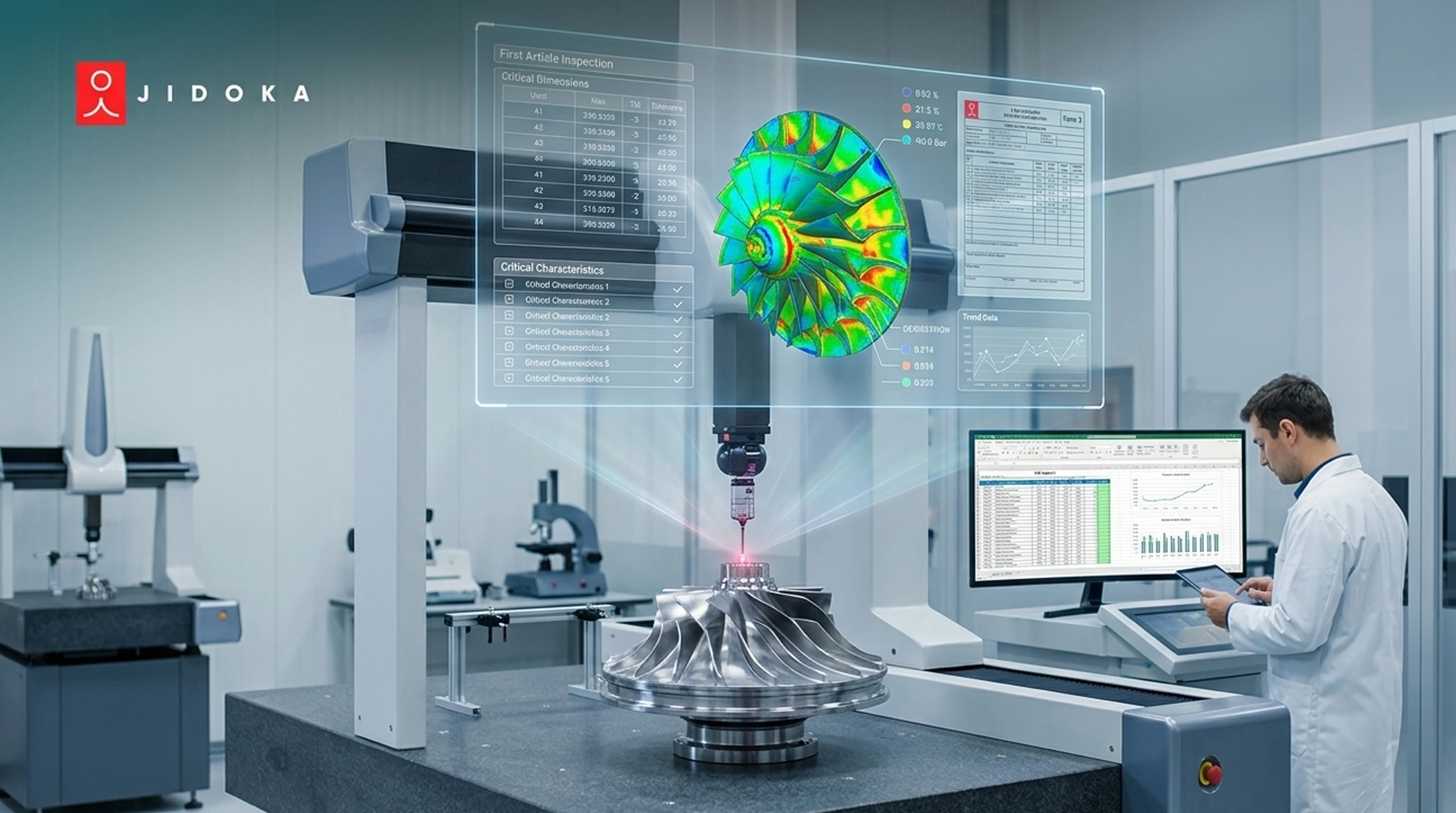
この技術を単なる自動化と混同されるかもしれませんが、製造品質管理におけるAIは根本的に異なります。産業用カメラとディープラーニングソフトウェアを組み合わせることで、人間の検査員のように視覚情報を処理しつつ、数学的な一貫性を維持します。
製造におけるAI主導の品質管理は、単純な測定の域を超えています。固定されたルールではなく、データから学習するアルゴリズムを使用します。従来の マシンビジョン品質検査システム が固定的なロジックに依存しているのに対し、現代のAIは柔軟に適応します。
主な違いは以下の通りです。
- 従来のマシンビジョン: これは厳格なルールに基づいています。例えば「穴の直径は5mmか?」といった特定の指標をチェックするようにプログラムします。これは測定には有効ですが、照明の変化やテクスチャの差異には対応できません。
- ディープラーニングによる品質検査: これは例示によって機能します。システムに「良品」と「不良品」の画像を見せることで、傷、へこみ、錆といった不規則な欠陥を自動的に見分けるよう学習します。
製造業向けAI品質管理は、従来の機械では対応が難しかった複雑な変化にも対応可能です。欠陥の種類ごとに新しいコードを書く必要はありません。製造業向けAI品質管理を導入することで、生産ラインは適応力と回復力を備えたものになります。
技術的な理解が深まったところで、次はこれを導入すべき緊急のビジネス上の理由について見ていきましょう。
製造業が今すぐAI品質管理を導入すべき理由
生産ラインのスピードは速く、人間の目ですべての欠陥を見つけることは困難です。製造業向けAI品質管理を導入すれば、生産速度を落とすことなくゼロ欠陥を保証できます。手作業による検査では得られない運用上の優位性を獲得できるのです。
優れた精度: 人間の検査員では0.1mm未満の微細なひび割れを見逃すことがあります。製造業向けAI品質管理なら、こうした微細な異常も一貫して検出可能です。
コスト削減: 不良品は利益を圧迫します。AIを活用した製造品質管理なら、不良品にさらなる加工を加える前に、即座に問題を特定できます。
100%インライン検査: 抜き取り検査はやめましょう。マシンビジョンによる品質検査システムなら、すべての製品を高速で検査することが可能です。
データインテリジェンス: 人間の検査員は不良品を排除するだけですが、製造業向けAI品質管理は具体的な欠陥データを記録するため、根本原因の解決に役立ちます。
メリットが明確になったところで、次はシステム構築に向けた実践的なステップに進みます。
ステップバイステップガイド:AI品質管理の導入
このセクションでは、導入プロセスを実行可能なフェーズに分けて解説します。このロードマップに従うことで、工場現場への混乱を最小限に抑えることができます。
フェーズ1:評価と戦略(1〜2週目)
ハードウェアの購入を急いではいけません。AIを導入する前に、製造品質管理のプロセスを明確に監査する必要があります。 製造品質管理向け。システムが何を検出すべきかを正確に定義してください。
1. 「キルリスト(排除対象リスト)」の定義: 最初からすべての欠陥を検出しようとしないでください。傷や位置ずれなど、経済的損失が最も大きい上位3〜5種類の欠陥に絞りましょう。これらの特定の課題を解決することが、AIによる製造品質管理で最も早く投資収益率(ROI)を上げる方法です。
2. ベースラインの確立: 後で価値を証明するために、現在のパフォーマンスを測定しておきましょう。手作業による検査のサイクルタイムとエラー率を記録し、スマート品質保証へのアップグレードに向けたベンチマークを作成します。
3. 明確なKPIの設定: 成功の指標を早期に定義します。堅牢なAI駆動型製造品質管理戦略では、99%以上の検出率を目標とします。
4. 具体的な目標設定: また、製造品質管理のためのAI設定が不要な廃棄物を生み出さないよう、誤判定(良品を不良品と判定すること)の許容範囲も設定する必要があります。
目標が定まったら、物理的な機器を選定する準備は完了です。
フェーズ2:ハードウェアと環境(3〜4週目)
ハードウェアの選定はソフトウェアの成功を左右します。どれほど優れた製造品質管理用AIアルゴリズムであっても、ぼやけた画像や暗い画像を修正することはできません。システムに高品質なデータを取り込むために、適切な物理コンポーネントを選択する必要があります。
1. カメラの選定: スピードが重要です。 グローバルシャッターカメラ が必要です。コンベアで移動する対象物には、ローリングシャッターカメラでは高速移動する物体が歪んでしまい、AIが混乱します。解像度は欠陥のサイズに依存しますが、一般的なマシンビジョン品質検査システムであれば、500万画素から1200万画素のセンサーで十分です。
2. 照明の重要性: 照明は検査における課題の70%を解決します。表面の異常を強調するには、構造化照明やマルチフェーズ照明の使用が不可欠です。製造品質管理におけるAI活用では、金属や暗いプラスチック上の傷を検出するために、一貫したコントラストが求められます。
3. 環境制御: 検査エリアを隔離してください。大型機械による振動は画像をぼやけさせ、窓から差し込む日光の変化はデータに影響を与えます。安定した密閉環境を整えることで、製造品質管理AIが確実に動作するようになります。
物理的な環境が整ったら、次はシステムに何を検出すべきかを学習させる必要があります。
フェーズ3:データ収集とモデルトレーニング(5〜6週目)
システムの賢さは、入力するデータの質に左右されます。「ゴミを入れればゴミが出てくる(Garbage In, Garbage Out)」という原則は、ここでも厳格に適用されます。製造品質管理AIが正しく機能するには、明確にラベル付けされたデータが必要です。
1. データのルール: バランスの取れたデータセットが必要です。「良品(OK)」と「不良品(NG)」の両方の高品質な画像を収集してください。 ディープラーニングによる品質検査 は、こうした多様なデータをもとに、本物の欠陥と無害な塵を識別します。
2. データ拡張: 不良品のサンプルが何千個もなくても問題ありません。ソフトウェアを使用して既存の画像を回転、反転、または明るさ調整することで、AIに多くのシナリオを経験させることができます。これにより、製造品質管理AIモデルは工場の照明変化に対しても堅牢になります。
3. 合成データ: 2025年現在、生成AIを活用して疑似的な欠陥を作成することが可能です。希少な欠陥のサンプルが不足している場合、デジタル上で欠陥を生成し、 製造におけるAI主導の品質管理 システムを 実際の不良発生を待たずにトレーニングできます。
4. ラベリング: データをアノテーションする必要があります。傷やへこみを囲むようにバウンディングボックスを描画し、製造品質管理用AIソフトウェアが何を対象とすべきかを正確に認識できるようにします。
モデルの学習が完了したら、実際の製品の選別を開始する前に、安全性を確認するためのテストを行う必要があります。
フェーズ4:導入とキャリブレーション(7〜8週目)
スイッチを入れて終わりではありません。製造品質管理用AIシステムが安全に機能することを、実際の環境で検証する必要があります。
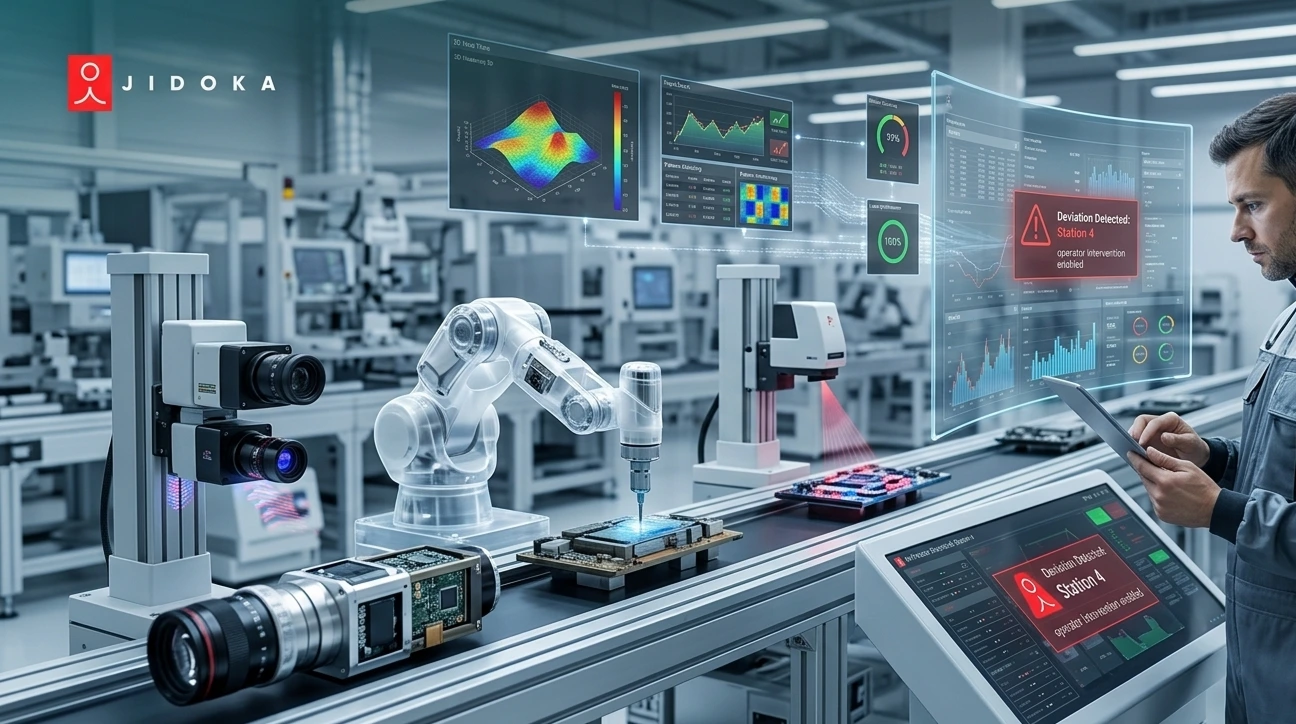
1. 並行運用(シャドウモード): 新しいシステムを、目視検査と並行して受動的に稼働させます。マシンビジョンによる品質検査システムが画像を撮影して判定を行いますが、不良品の排出機構は作動させません。AIのログと人間の検査結果を比較し、ラインを止めることなく精度を検証します。
2. 感度の調整: 信頼度のしきい値を調整する必要があります。感度を高くすればあらゆる欠陥を検出できますが、良品を不良品と誤判定する可能性もあります。誤報を最小限に抑えつつ、製造現場におけるAI主導の厳格な品質管理基準を維持できるよう、バランスを調整してください。
3. 本稼働: 検証が完了したら、製造品質管理用AIソフトウェアをPLCに接続します。これにより、システムが空気圧式排出装置に信号を送り、不良品を物理的に排除できるようになります。リアルタイムのAI製造品質管理が完全に稼働し、製品の品質を保護します。
| Phase | Timeline | Key Activities | Deliverables / Outcome |
|---|---|---|---|
| 1. Assessment and Strategy | Weeks 1–2 |
• Identify top three defect types • Benchmark manual error rates and cycle times • Set KPIs including accuracy targets |
• Prioritized defect catalog • ROI projection from reduced scrap |
| 2. Hardware Setup | Weeks 3–4 |
• Install global shutter cameras • Deploy structured lighting • Stabilize the environment |
• Reliable imaging rig producing high contrast images |
| 3. Data and Training | Weeks 5–6 |
• Collect sample images • Create augmented dataset • Annotate defects for training |
• Trained AI model • Labeled dataset for future retraining |
| 4. Deployment and Tuning | Weeks 7–8 |
• Run in shadow mode • Adjust confidence levels • Connect system to PLC or MES |
• Fully deployed AI inspection rejecting defects in real time |
システム稼働後、こうした技術的な詳細を専門のパートナーに任せたいとお考えかもしれません。
Jidoka TechでAI品質管理の導入を効率化
Jidoka Tech は、実際の生産現場の負荷に耐えうる製造品質管理用AIシステムを構築します。カメラ、照明、PLCのタイミング、エッジユニットの調整を専門チームが行い、すべてのシフトでシステムがシームレスに機能するようにします。
Jidokaのシステムを導入した工場では、以下の環境下でも安定したパフォーマンスが報告されています。 毎分12,000個以上の部品、最大で 1日あたり3億回の検査。Jidokaは、マシンビジョンによる品質検査システムを標準的なチェック以上のレベルへ引き上げる2つのソリューションを組み合わせ、生産ラインを強化します。
KOMPASS(高精度検査システム): このツールは 99.8%以上の精度 を実ラインで実現します。各フレームを10ミリ秒未満で解析し、 60〜70% 少ないサンプル数で新しいバリエーションを学習します。 KOMPASS は、反射する金属や印刷されたテクスチャなど、判定が難しい表面にも対応し、一貫性が最も重視される製造現場でのAI品質管理をサポートします。
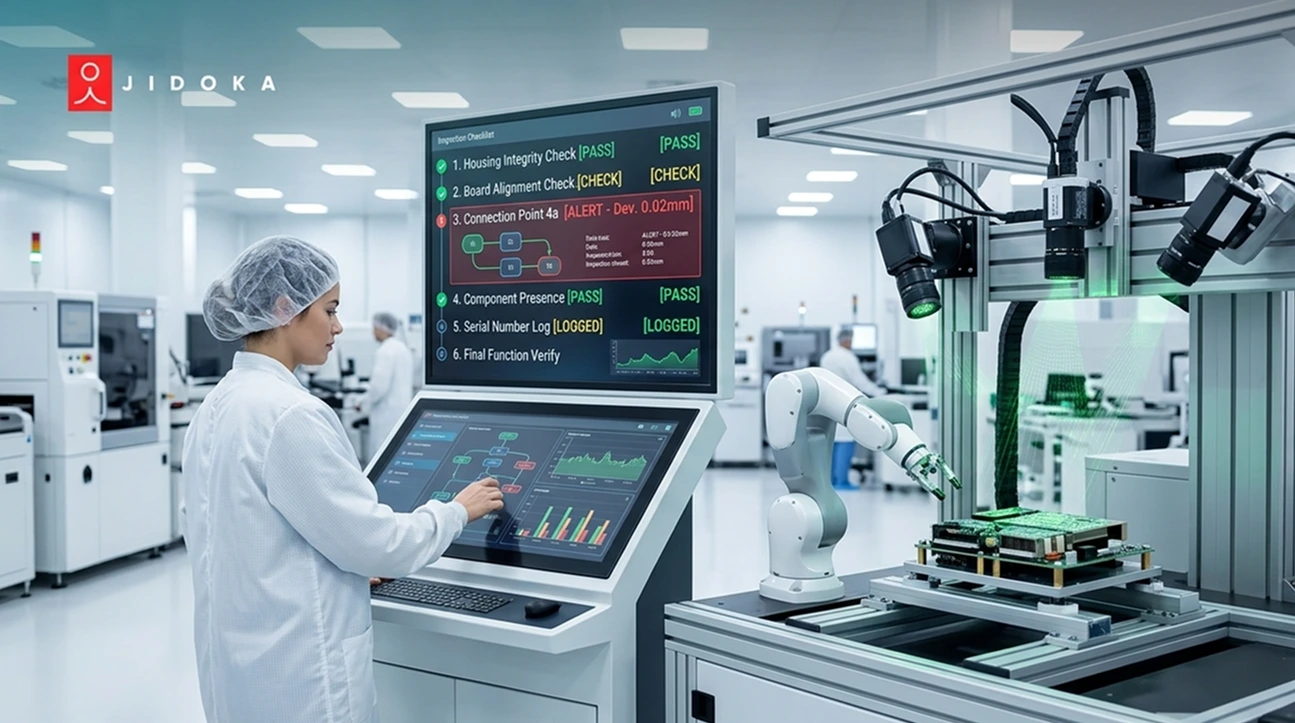
NAGARE(工程・組立アナリスト): NAGARE は、 100% の組立工程を既存のカメラで追跡します。 部品の欠落 や手順の誤りをリアルタイムで検知し、手直しを 20〜35%削減します。これにより、ステーションでの確認作業とAIによる品質管理が強化されます。
Jidokaは、製造品質管理システム向けのAIをローカルのエッジユニット上で完全に実行することで、遅延を回避します。これにより、生産データのセキュリティを確保し、瞬時の処理速度を実現します。
結論
信頼性の高い生産には一貫性が不可欠ですが、目視検査や従来のセンサーでは限界があります。疲労はミスを招き、単純なマシンビジョンによる品質検査システムでは複雑なテクスチャの判定に苦慮します。製造品質管理のための堅牢なAIがなければ、最終的な品質を運任せにすることになってしまいます。
こうした不確実性は利益率を低下させます。欠陥品の流出は保証請求や高額なリコールにつながり、ブランドの評判を損ないます。廃棄や手直しに追われている間に、 AIを活用した品質管理を導入している競合他社 は、製造現場においてより迅速かつ低コストで運用を行っています。検査プロセスが追いつかないという理由だけで、市場シェアを失うリスクがあるのです。
Jidoka Tech は、この問題を解決します。私たちは、お客様の工場を欠陥ゼロのスマートな品質保証体制へと変革します。当社の KOMPASS のようなソリューションは、人の目では不可能なレベルのリアルタイムなAI品質管理と製造精度を実現します。
Jidoka Techの無料ライン監査を今すぐ予約して、 生産品質を確保しましょう。
よくある質問
1. AIの学習には何枚の画像が必要ですか?
通常、欠陥の種類ごとに20〜50個のサンプルがあれば十分です。製造品質管理のための最新AIは「Few-Shot Learning(少データ学習)」を活用し、欠陥を迅速に把握します。不良品が手元にない場合でも、スマートな品質保証ツールが 合成データ を生成するため、実際の不良発生を待たずにモデルを学習させることが可能です。
2. 高速ラインでも動作しますか?
はい。高度なマシンビジョン品質検査システムは、毎分4,000個以上の部品を処理できます。グローバルシャッターカメラとエッジGPUを使用することで、 AIを活用した品質管理 は製造現場においてミリ秒単位で画像を処理します。このスピードにより、AIによる製造品質管理は、ボトルネックを生じさせることなく最速のコンベアにも対応可能です。
3. すべての検査員が不要になりますか?
検査員は別の業務へ配置転換されます。製造品質管理のためのAIは、疲労の原因となる反復的な目視検査を自動化します。これにより、チームの役割は受動的な監視から、能動的な根本原因分析へとシフトします。AI支援による品質管理は、人間がプロセス改善に集中できるようにし、AIが単調で高速な選別作業を担うという役割分担を実現します。
4. 投資回収(ROI)までの一般的な期間はどのくらいですか?
多くの工場では、6〜12ヶ月で投資を完全に回収しています。製造現場におけるAI主導の品質管理は、不良品の発生を抑え、保証請求を減らすことで、即座にコスト削減を実現します。製造品質管理AIは不良品への付加価値作業を未然に防ぐため、原材料費やエネルギーコストの削減分によって、システム導入費用を短期間で回収することが可能です。
5. 現在のコンベアシステムと互換性はありますか?
はい、後付け可能なソリューションです。マシンビジョンによる品質検査システムは、既存のラインに直接設置できます。機械を入れ替える必要はありません。製造品質管理AIは、以下のような標準プロトコルを介してPLCと統合されます。 Modbusこれにより、生産を止めることなく、リアルタイムの品質管理AIを簡単に導入できます。