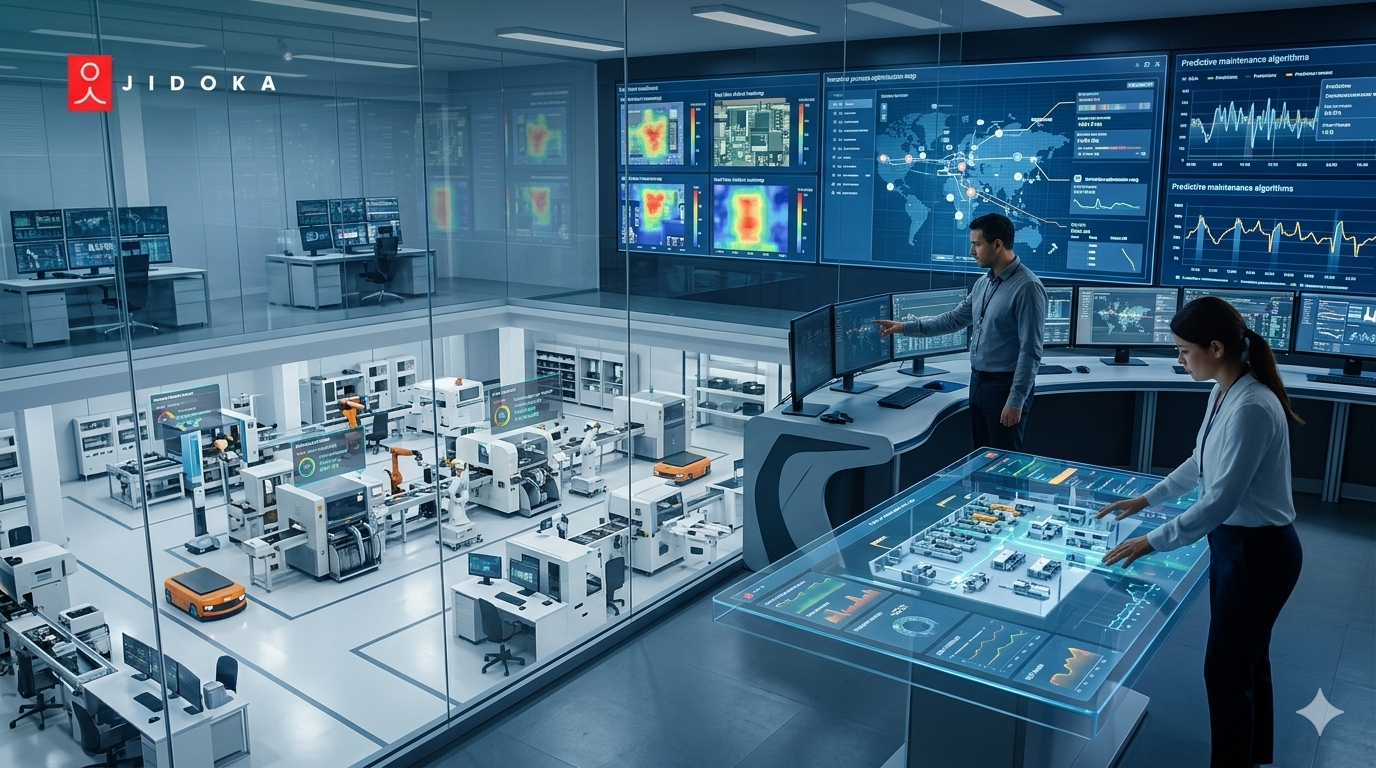
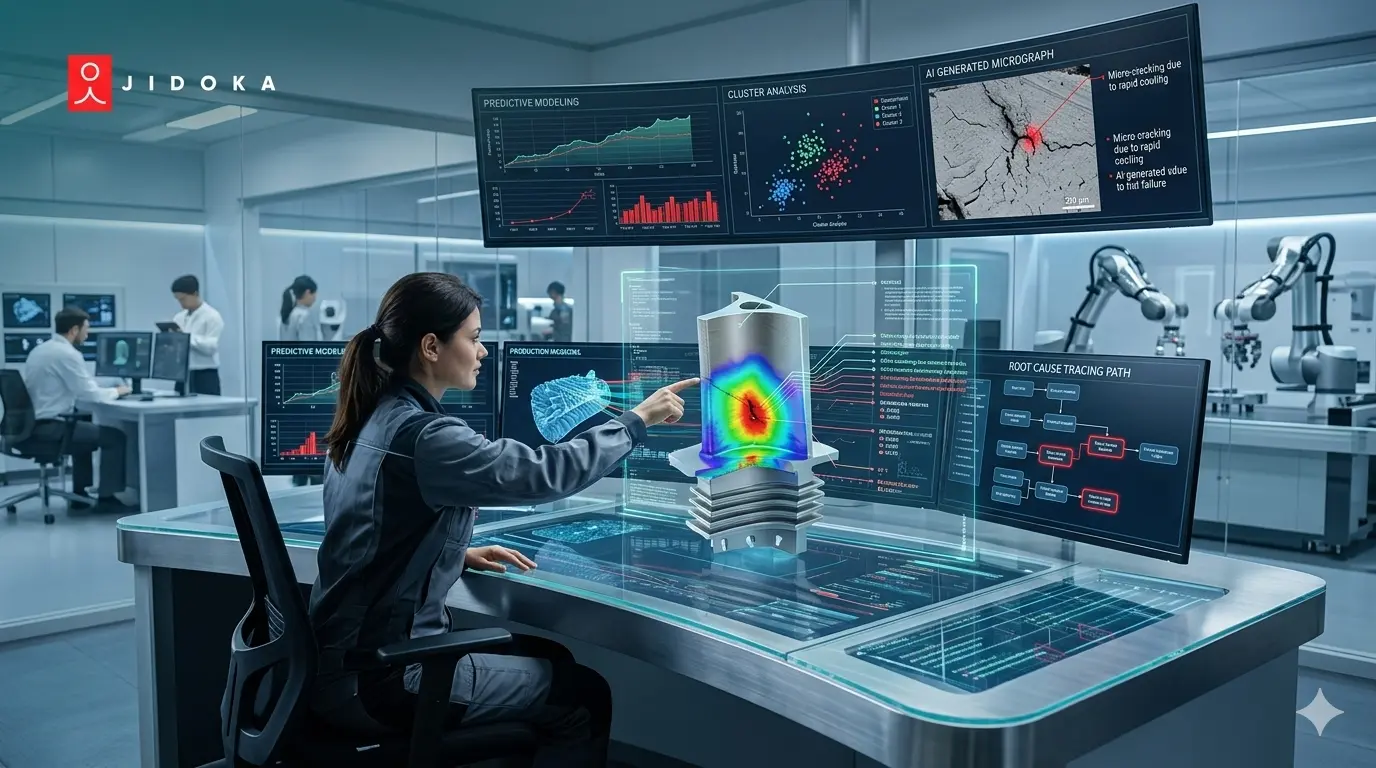
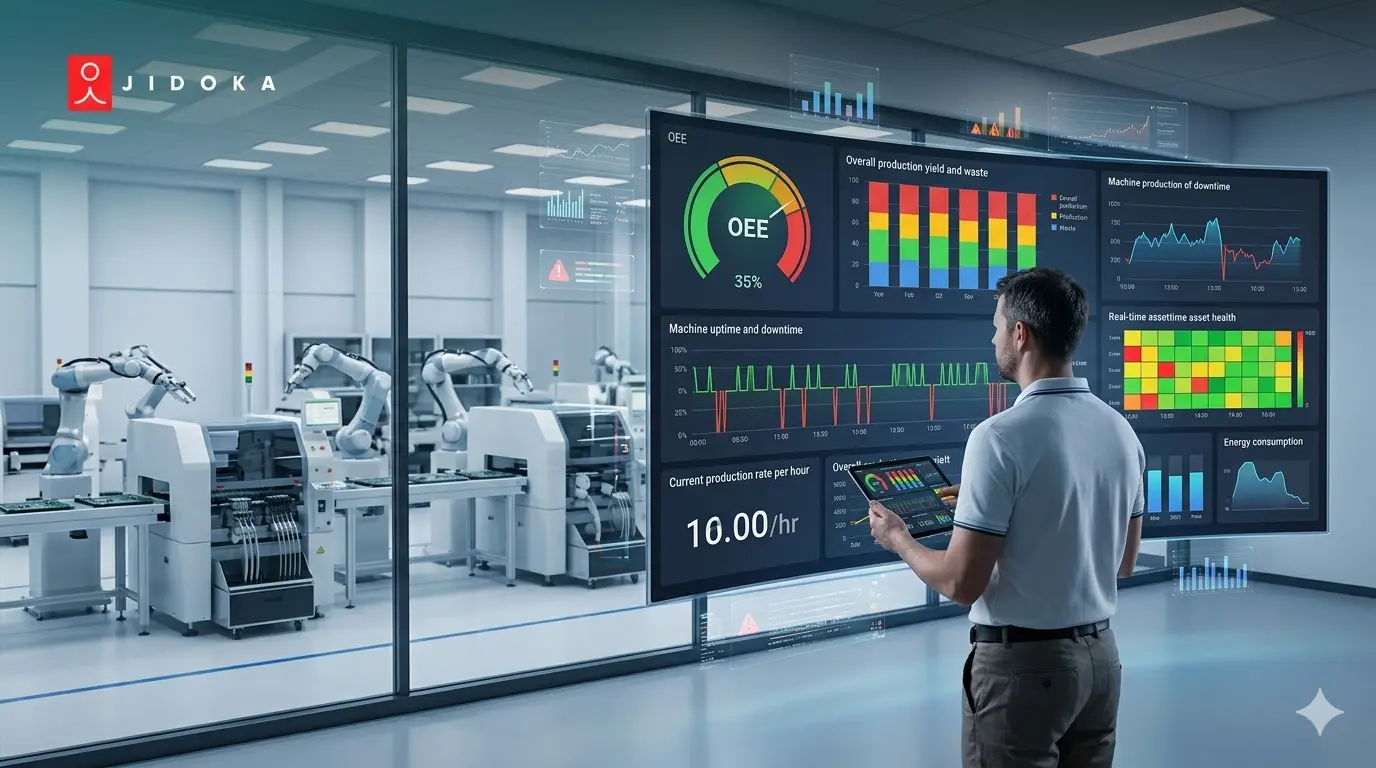
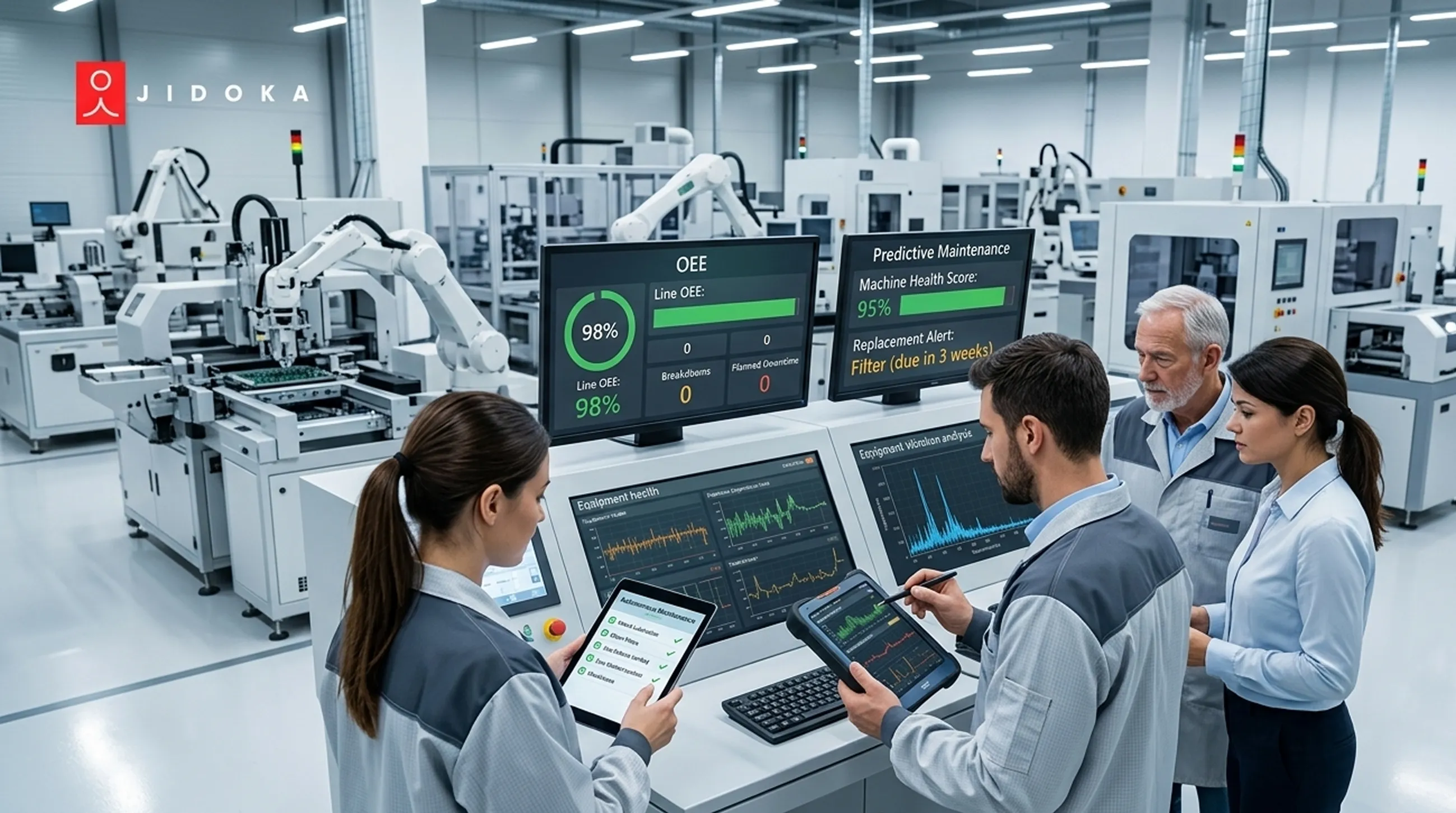
Les outils de test d'assurance qualité utilisés dans le secteur de la fabrication n'ont pas suivi les profils de défauts modernes. Le marché mondial de la détection des défauts a atteint 5,8 milliards de dollars en 2025 et devrait atteindre 11,05 milliards de dollars d'ici 2032 à un TCAC de 9,6 %.
La vision industrielle avancée inspecte désormais jusqu'à 150 000 pièces par jour, et les outils d'assurance qualité pour la fabrication alimentés par l'IA ont amélioré la précision de détection en 30 % sur les gammes automobiles et électroniques.
Les défauts détectés tardivement coûtent jusqu'à 100 fois plus cher à réparer que ceux détectés à la source. Ce guide présente les 7 principaux outils de détection des défauts que les fabricants déploient actuellement pour arrêter les défauts avant qu'ils ne quittent la chaîne de production.
Les 7 meilleurs outils de test d'assurance qualité et de détection des défauts utilisés dans la fabrication (liste mise à jour en 2026)
En 2026, les fabricants exploitent des chaînes de production qui génèrent plus de variables de défauts que n'importe quel système basé sur des règles ne peut gérer seul. Les 7 outils de test d'assurance qualité ci-dessous couvrent l'ensemble du spectre de détection, des outils d'inspection par vision artificielle et d'assurance qualité pour la fabrication aux logiciels SPC, aux MMT, aux NDT thermiques et aux plateformes QMS.
Les 7 meilleurs outils de test d'assurance qualité pour la détection des défauts de fabrication (2026)
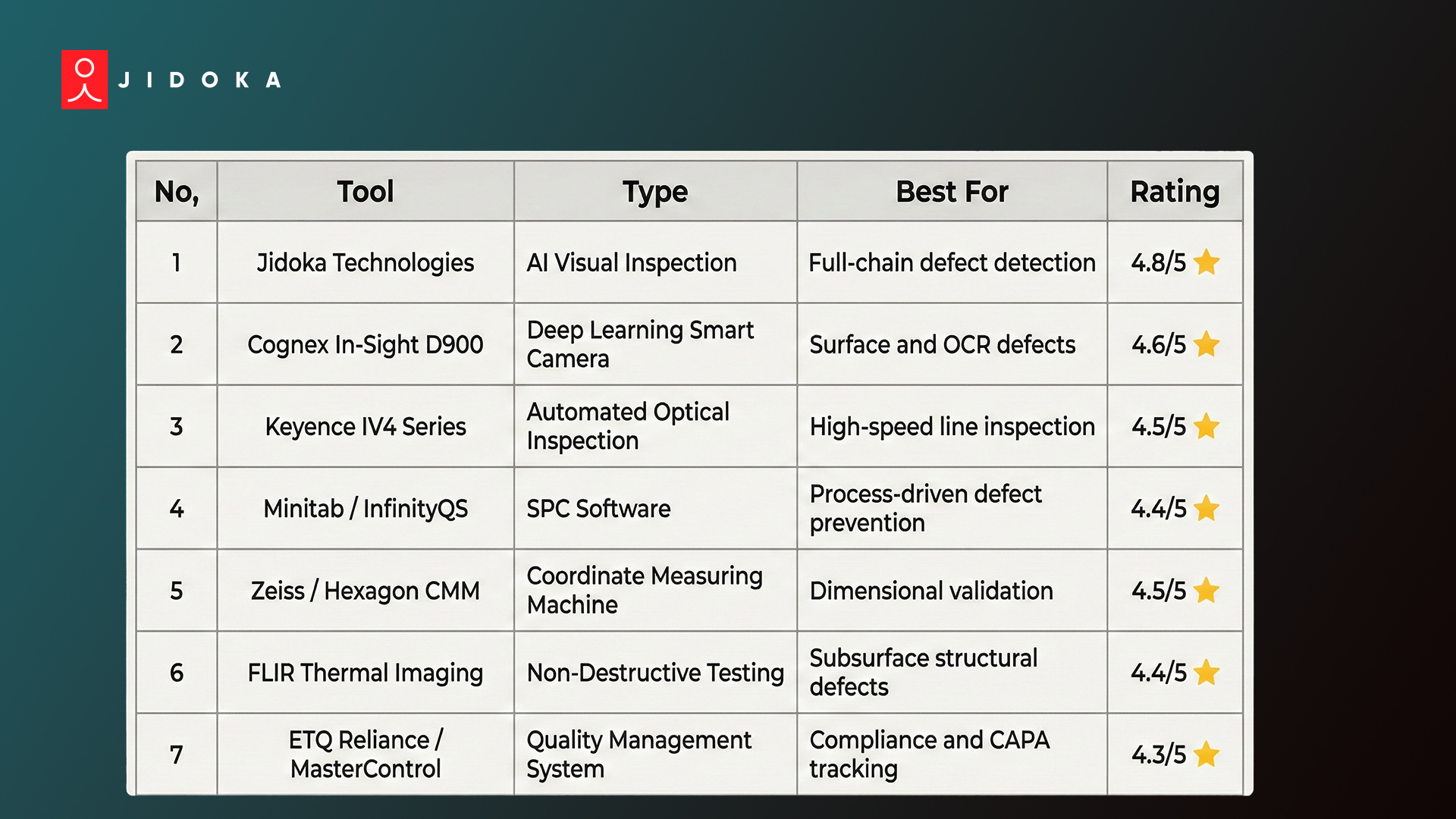
1. Jidoka Technologies (inspection visuelle alimentée par l'IA)
Vue d'ensemble : Jidoka Technologies fonctionne à plein Système d'inspection visuelle AI conçu pour une pression de production réelle, en alignant les caméras, l'éclairage, la synchronisation PLC et les unités de bord pour une inspection cohérente de la vision industrielle sur tous les quarts de travail.
Caractéristiques principales :
- BOUSSOLE le moteur de détection des défauts par apprentissage en profondeur atteint une précision de plus de 99,8 %, examine les images en moins de 10 ms et apprend de nouvelles variantes avec 60 à 70 % d'échantillons en moins sur les métaux réfléchissants, les surfaces imprimées et les pièces texturées
- NAGARE pistes 100 % des étapes d'assemblage, signale les pièces manquantes en temps réel et découpe et retouche par 20 à 35 %, renforçant la couverture du système d'inspection en ligne à chaque station
- Fonctionne sur les unités périphériques locales à Plus de 12 000 pièces par minute sans dépendance au cloud
USP : Le seul outil de test d'assurance qualité combinant un inspecteur des défauts et un analyste de processus sur une seule plateforme, aucun ingénieur spécialisé n'est nécessaire.
Défauts détectés : Rayures de surface, contamination, déplacements dimensionnels, erreurs d'assemblage, défauts d'impression, anomalies esthétiques, écarts de position
Secteurs d'activité couverts : Automobile, électronique, logistique, pharmacie, fabrication générale
Avis du client : 4,8/5 ⭐
2. Série Cognex In-Sight (inspection par caméra intelligente par apprentissage profond)
Vue d'ensemble : Cognex In-Sight D900 intègre la détection des défauts par apprentissage profond directement sur la caméra, résolvant ainsi des applications d'inspection optique automatisées complexes sans ordinateur séparé ni expertise en programmation.
Caractéristiques principales :
- Détection des défauts d'apprentissage en profondeur ViDi le logiciel permet de traiter à partir de 5 à 10 images par classe, gérant l'OCR, la vérification de l'assemblage et la détection des anomalies de surface dans un seul appareil
- Le traitement sur l'appareil exécute des contrôles du système d'inspection en ligne pour la lecture de codes-barres, la vérification dimensionnelle et la détection aléatoire des défauts dans les secteurs des semi-conducteurs, de l'automobile et électronique lignes
- La plateforme OneVision connecte les outils d'assurance qualité pour la fabrication sur plusieurs sites à partir d'une couche de gestion centralisée
USP : La seule caméra intelligente dotée d'une fonction de détection des défauts par apprentissage profond entièrement intégrée, accessible aux non-programmeurs sans avoir besoin d'un PC en ligne.
Défauts détectés : Anomalies de surface, erreurs d'OCR, incohérences d'assemblage, défaillances des codes-barres, écarts de position, erreurs d'identification des pièces
Secteurs d'activité couverts : Semi-conducteurs, automobile, électronique, produits de consommation, dispositifs médicaux
Avis du client : 4,6/5 ⭐
3. Série Keyence CV-X/IV4 (inspection optique automatisée à haute vitesse)
Vue d'ensemble : Série Keyence IV4 fournit une inspection optique automatisée à haute vitesse avec IA intégrée, gérant des applications complexes d'outils de détection de défauts sans ingénieurs de vision dédiés ni matériel de traitement externe.
Caractéristiques principales :
- Quatre outils d'intelligence artificielle intégrés, AI Identify, AI OCR, AI Count et AI Trigger, permettent d'inspecter la vision industrielle à un rythme pouvant atteindre 15 000 pièces par minute avec un réglage automatique de la mise au point et de la luminosité en trois étapes de configuration
- Sur l'appareil système d'inspection en ligne le traitement prend en charge jusqu'à 128 programmes par unité, couvrant les lignes d'emballage, alimentaires, pharmaceutiques et électroniques sans contrôleur externe
- Soutient la conformité à la norme 21 CFR Part 11, ce qui en fait un outil d'assurance qualité viable pour la fabrication dans des environnements pharmaceutiques et de dispositifs médicaux réglementés
USP : La configuration la plus rapide parmi tous les outils de test d'assurance qualité de cette liste, une minute entre le déballage et l'inspection en direct, sans aucune programmation requise.
Défauts détectés : Composants manquants, erreurs d'étiquetage, échecs d'OCR, écarts de position, mauvaise orientation des pièces, erreurs de montage
Secteurs d'activité couverts : Emballage, alimentation et boissons, pharmacie, électronique, dispositifs médicaux
Avis du client : 4,5/5 ⭐
4. Minitab/InfinityQS (logiciel de contrôle statistique des processus)
Vue d'ensemble : Minitab SPC en temps réel et InfinityQS ProFicient sont des plateformes logicielles SPC de pointe conçues pour les fabricants qui ont besoin d'une surveillance des processus en direct, d'une automatisation des cartes de contrôle et de rapports intégrés au système de gestion de la qualité.
Caractéristiques principales :
- Les cartes de contrôle Xbar-R, EWMA et I-MR-R/S en temps réel avec indices Cp/Cpk signalent la dérive du processus avant que des ruptures de tolérance ne se produisent, une fonction essentielle de tout outil d'assurance qualité pour la fabrication
- L'analyse prédictive détecte les tendances de détection des défauts 3 à 5 cycles de production avant qu'ils ne deviennent visibles, grâce à des alertes automatisées transmises directement aux opérateurs de l'atelier
- Se connecte aux systèmes MES, ERP et de jauge pour centraliser la collecte de données, le logiciel de contrôle statistique des processus, la production de rapports prêts pour les audits et la prise en charge du programme Six Sigma
USP : Les clients d'InfinityQS signalent une réduction de 39,5 % de la variance après le déploiement, ce qui en fait l'outil de détection des défauts le plus puissant pour les programmes de qualité pilotés par les processus.
Défauts détectés : Dérive du procédé, variation dimensionnelle, incohérences provoquées par l'opérateur, écart de matériau, dépassements de tolérance
Secteurs d'activité couverts : Automobile, aérospatiale, pharmacie, électronique, alimentation et boissons
Avis du client : 4,4/5 ⭐
5. Systèmes CMM Zeiss Calypso/Hexagon (machines à mesurer tridimensionnelles)
Vue d'ensemble : Les systèmes CMM Zeiss CALYPSO et Hexagon offrent une précision dimensionnelle inférieure au micron pour les fabricants qui ont besoin de tests non destructifs précis et d'une validation dimensionnelle directement liés aux tolérances CAO et aux flux de travail de conformité.
Caractéristiques principales :
- Le logiciel CALYPSO génère automatiquement des rapports GD&T complets liés aux tolérances des fichiers CAO, éliminant ainsi la documentation de mesure manuelle et réduisant le temps d'inspection du premier article grâce aux outils d'assurance qualité pour les flux de fabrication
- La précision inférieure au micron permet la validation des machines de mesure des coordonnées pour les pièces aérospatiales, automobiles et de précision où les écarts dimensionnels ont un impact direct sur la sécurité et l'approbation réglementaire
- S'intègre au flux de documentation ISO 9001 et IATF 16949, alimentant les enregistrements du système de gestion de la qualité avec des données dimensionnelles étalonnées et traçables pour la préparation des audits
USP : L'outil de détection des défauts dimensionnels le plus précis de cette liste, spécialement conçu pour la validation de fin de ligne, l'inspection du premier article et la qualification de l'outillage dans le cadre d'une fabrication à enjeux élevés.
Defauts détectés : Dimensionelles deviations, tolérances dépassées, défaillances GD&T, erreurs de forme de surface, désalignement de l'outillage
Secteurs d'activité couverts : Aérospatial, automobile, fabrication de précision, dispositifs médicaux, défense
Customer Aviso : 4,5/5 ⭐
6. Systèmes d'imagerie thermique FLIR (essais non destructifs)
Vue d'ensemble : Lorsque les caméras optiques s'arrêtent à la surface, les caméras de contrôle non destructif de FLIR vont plus loin. FLIR détecte les anomalies thermiques et les défaillances souterraines qu'aucun autre outil de détection de défauts de cette liste ne peut atteindre physiquement.
Caractéristiques principales :
- Les caméras radiométriques X6000sc et X8000sc résolvent des différences de température aussi faibles que 1 mK à l'aide de la thermographie à verrouillage, transitoire et pulsée, détectant les vides, les délaminations et les décollements à l'intérieur des composites et des composants électroniques
- La série IXX de nouvelle génération, lancée au CES 2026, utilise des outils d'assurance qualité certifiés NFPA 70B pour les inspections de fabrication, le logiciel Assetlink réduisant les délais de reporting de 50 %
- Le traitement Edge AI détecte les anomalies thermiques en temps réel, alimentant les enregistrements du système de gestion de la qualité avec des données d'inspection structurées pour la documentation d'audit
USP : Le seul outil de contrôle qualité conçu pour les essais non destructifs souterrains, permettant d'atteindre des couches de défauts totalement absentes des systèmes d'inspection par vision industrielle.
Defauts détectés : Souterrain vides, délaminations, décollements, fissures internes, défaillances structurales des composites, défauts de soudure électronique
Secteurs d'activité couverts : Aérospatial, automobile, énergie, électronique, défense
Customer Aviso : 4,4/5 ⭐
7. ETQ Reliance/MasterControl (système de gestion de la qualité avec suivi des défauts)
Vue d'ensemble : La plupart des outils de test d'assurance qualité détectent les défauts. ETQ Reliance et MasterControl décident de la suite à donner. Les deux plateformes convertissent chaque événement de détection de défauts en un enregistrement traçable et prêt à être mis en conformité, directement lié à des mesures correctives.
Caractéristiques principales :
- ETQ Reliance connecte les rapports de non-conformité, l'analyse des causes profondes des 5 raisons et les demandes de mesures correctives des fournisseurs dans un système de gestion de la qualité en boucle fermée, les clients signalant une réduction de 50 % du temps de résolution des CAPA
- MasterControl capture les données eDHR en direct des équipements, signale instantanément les écarts et stocke les enregistrements dans un environnement conforme à la FDA avec une prise en charge complète de la norme 21 CFR Parts 210-211
- Les deux se synchronisent avec les logiciels MES, ERP et SPC pour extraire automatiquement des outils d'assurance qualité des données de fabrication depuis l'atelier
USP : La seule catégorie d'outils de détection de défauts dont le résultat est un document de conformité, conçu pour les fabricants répondant aux exigences des auditeurs de la FDA, de la norme ISO 13485 ou de l'IATF 16949.
Defauts détectés : Non-conformités, écarts de processus, défaillances de qualité des fournisseurs, divergences dans les enregistrements de lots, défauts récurrents liés au CAPA
Secteurs d'activité couverts : Sciences de la vie, dispositifs médicaux, industrie pharmaceutique, automobile, aérospatiale
Customer Aviso : 4,3/5 ⭐
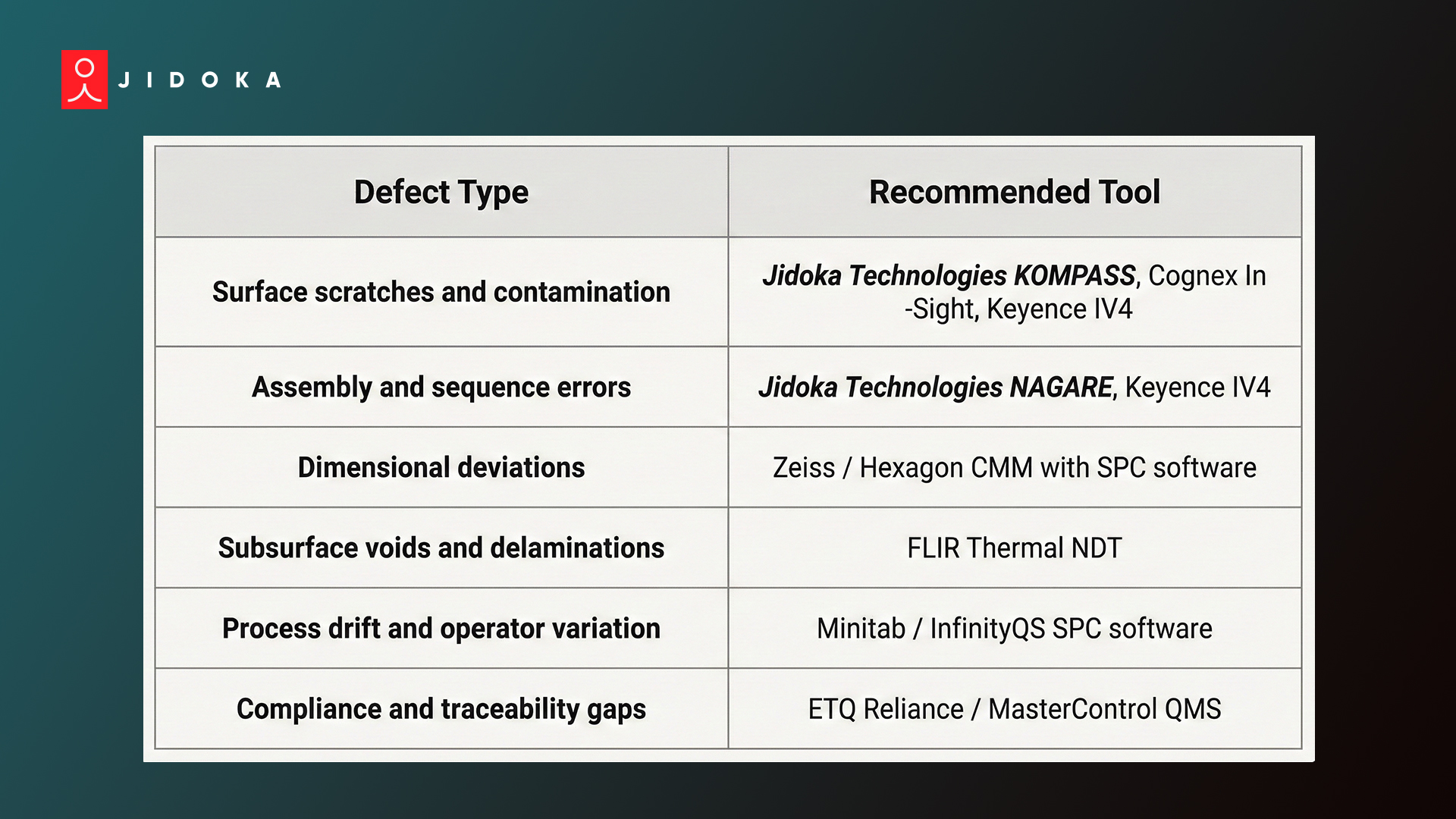
Comment faire correspondre le bon outil de test d'assurance qualité à votre type de défaut
Choisir le mauvais outil de test d'assurance qualité pour votre type de défaut crée des lacunes de détection qui mènent directement à des évasions. Voici comment faire correspondre correctement :
- Surface Defauts (rayures, contamination, erreurs d'impression) : systèmes d'inspection par vision artificielle basés sur l'IA — Jidoka Technologies MOTOR KOMPASS, Cognex In-Sight, Keyence IV4
- Dimensionelles Deviations: Systèmes de machines de mesure tridimensionnels associés au logiciel SPC pour une surveillance continue des tendances des processus
- Erreurs d'assemblage et de séquence (pièces manquantes, mauvaise orientation) : NAGARE Process Analyst of Jidoka Technologies, outils Keyence IV4 AI Count et AI Identify
- Defauts souterrains et structuraux (vidéos, délaminations, fissures) : essais thermiques non destructifs FLIR
- Proprocess Defauts (variation des opérateurs, dérive des matériaux) : logiciel de contrôle statistique des processus — Minitab, InfinityQS
- Echecs en matière de conformité et de traçabilité: Plateformes de systèmes de gestion de la qualité — ETQ Reliance, MasterControl
Faites d'abord correspondre votre type de défaut. Sélectionnez ensuite vos outils de détection des défauts. L'achat d'une MMT pour les rayures de surface ou le déploiement d'un outil d'assurance qualité pour la fabrication en dehors de sa plage de détection vous fait perdre du temps de production et vous évacue.
Comment faire correspondre le bon outil de test d'assurance qualité à votre type de défaut
Comment Jidoka Technologies détecte les défauts de fabrication ? D'autres outils d'assurance qualité ne fonctionnent pas
La plupart des outils de test d'assurance qualité gèrent une seule couche de détection. Jidoka Technologies couvre l'ensemble de la chaîne de production, les marchandises entrantes, l'inspection en cours de fabrication et l'inspection finale, en cours de fabrication, et s'effectue sur les unités périphériques locales à Plus de 12 000 pièces par minute et jusqu'à 300 millions inspections par jour.
Deux systèmes alimentent sa plateforme d'inspection visuelle basée sur l'IA :
1. BOUSSOLE — Moteur de détection des défauts par apprentissage profond de haute précision :
- 99,8 % and more sur les lignes du système d'inspection en ligne en direct
- Revise chaque image en moins de 10 ms
- Apprenez de nouvelles variantes avec 60 à 70 % d'échantillons en moins
- Gère les métaux réfléchissants, les surfaces imprimées et les pièces texturées
2. NAGARE — Analyste des processus d'inspection par vision industrielle :
- Pistes 100 % des étapes d'assemblage via les caméras existantes
- Signaler les parties manquantes ou les séquences erronées en temps réel
- Réduit les retouches par 20 à 35 % entre les postes de contrôle
Ensemble, KOMPASS et NAGARE font de Jidoka Technologies le seul outil d'assurance qualité pour la fabrication qui combine la détection des défauts de surface. Êtes-vous prêt à découvrir les performances de Jidoka Technologies par rapport à vos taux de rejet de défauts actuels ? Réservez un audit de détection des défauts dès aujourd'hui.
Conclusion
Les bons outils de test d'assurance qualité permettent de distinguer les fabricants qui détectent les défauts sur la ligne de ceux qui les détectent sur le terrain. La plupart des équipes de production n'échouent pas parce qu'elles ont omis l'inspection. Ils échouent parce que leurs outils d'assurance qualité pour la fabrication n'ont pas été conçus pour les profils de défauts qu'ils utilisent réellement.
Une mauvaise sélection d'outils signifie l'absence de failles à petite échelle, l'échec des audits, des rappels coûteux et des arrêts de production qui aggravent chaque quart de travail. Ces risques ne sont pas négligeables.
Jidoka Technologies abordez cette question directement. BOUSSOLE et NAGARE couvrez les défauts de surface, les erreurs d'assemblage et les défaillances de processus en un seul déploiement, sans avoir recours à des ingénieurs spécialisés ni à une dépendance au cloud.
Découvrez KOMPASS et NAGARE en action sur votre chaîne de production. Réservez une démonstration avec Jidoka Technologies dès aujourd'hui.
FAQs
1. Quels sont les outils de test d'assurance qualité dans le secteur manufacturier ?
Les outils de test d'assurance qualité utilisés dans la fabrication sont des systèmes utilisés pour identifier, mesurer et éliminer les défauts des produits. Ils couvrent l'inspection par vision industrielle, les logiciels de contrôle statistique des processus, les machines de mesure tridimensionnelle, les équipements de contrôle non destructif et les systèmes de gestion de la qualité, chacun ciblant un type de défaut spécifique sur la chaîne de production.
2. Quel est le meilleur outil de test d'assurance qualité pour détecter les défauts de surface ?
Les systèmes d'inspection par vision artificielle alimentés par l'IA offrent la meilleure détection des défauts de surface. Le moteur KOMPASS de Jidoka Technologies a atteint une précision de plus de 99,8 % sur les lignes sous tension. Cognex In-Sight et Keyence IV4 constituent de solides alternatives pour les équipes qui ont besoin de bibliothèques d'inspection optique automatisées prédéfinies avec des temps de configuration plus rapides.
3. Quelle est la différence entre un logiciel SPC et un système de gestion de la qualité pour la détection des défauts ?
Un logiciel de contrôle statistique des processus surveille les variations de production en temps réel pour empêcher la formation de défauts. Un système de gestion de la qualité enregistre et gère les défauts après leur détection, déclenche les flux de travail CAPA et tient à jour une documentation prête à être auditée conformément aux exigences de conformité de la FDA, ISO 13485 et IATF 16949.
4. Comment l'IA améliore-t-elle la détection des défauts dans les outils d'assurance qualité de fabrication ?
Les outils d'assurance qualité basés sur l'IA pour la fabrication identifient les modèles de défauts directement à partir des images de production. Des systèmes tels que le moteur de détection des défauts basé sur l'apprentissage en profondeur de Jidoka Technologies détectent les anomalies à petite échelle, les décalages dimensionnels et les erreurs d'assemblage que les systèmes d'inspection optique automatisés basés sur des règles standard omettent régulièrement sur les lignes sous tension.
5. Les petits fabricants peuvent-ils utiliser des outils de détection des défauts basés sur l'IA ?
Oui Le matériel modulaire Jidoka Technologies et la série Keyence IV4 sont conçus pour être déployés sans ingénieurs de vision dédiés. Les deux fonctionnent comme des systèmes d'inspection en ligne accessibles pour les petites opérations qui reposaient auparavant sur des contrôles manuels, abaissant ainsi le point d'entrée de l'inspection visuelle par IA quel que soit le volume de production.