10 Best AI-Powered Inspection Systems in US

Compare the top 10 AI inspection systems for 2025. From production line quality to warehouse damage detection, find the right tool for your supply chain.

Quality control isn't just about precise manufacturing anymore. You also need to ensure products arrive intact. Traditional sensors work well in factories but fail in warehouses where boxes get crushed or mislabeled. 

Ai-powered inspection systems solve this specific problem. These tools provide the context needed to spot both microscopic production defects and gross shipping damages. 

We tested the market to find the most effective intelligent quality control automation available right now. From AI-powered visual inspection systems on the assembly line to damage detection at the loading dock, these platforms deliver 99% accuracy

Let’s look at the top 10  AI-powered inspection systems that protect your supply chain in 2025.

Category A: Hybrid Leaders (End-to-End Coverage)

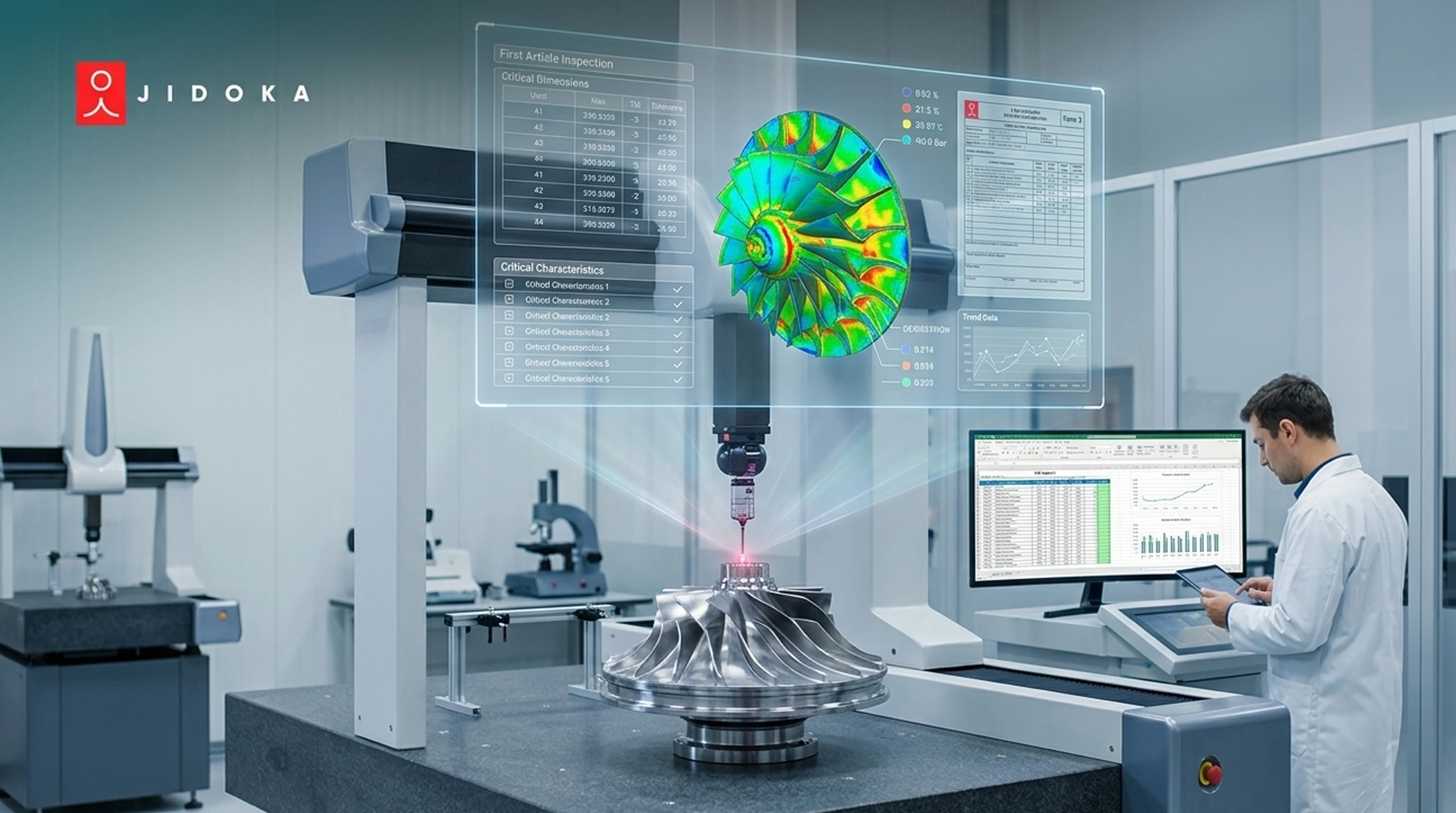
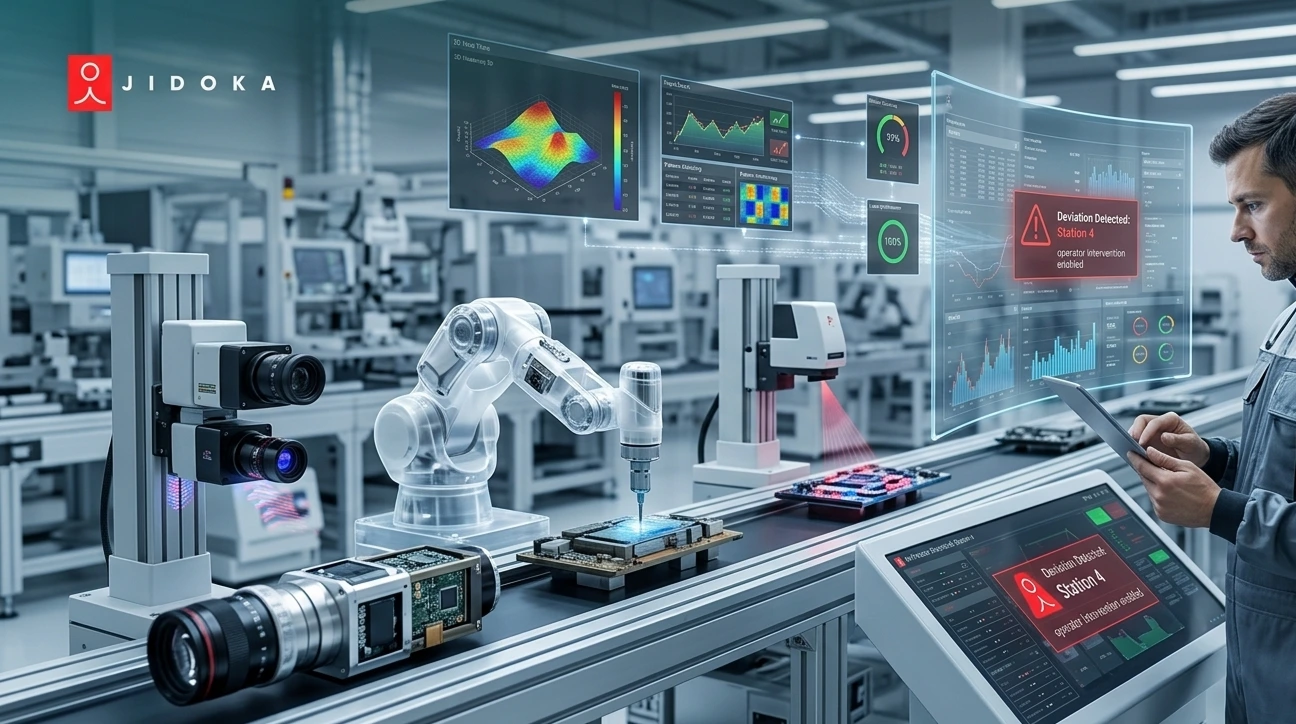
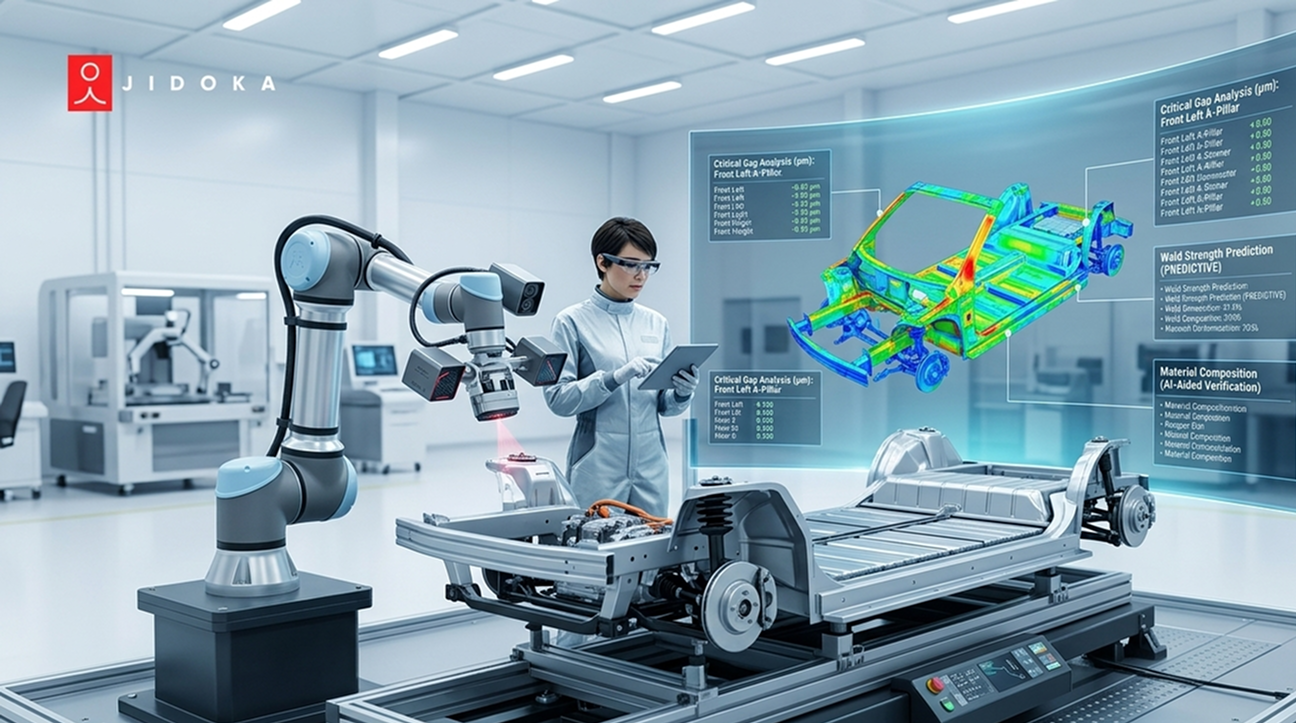
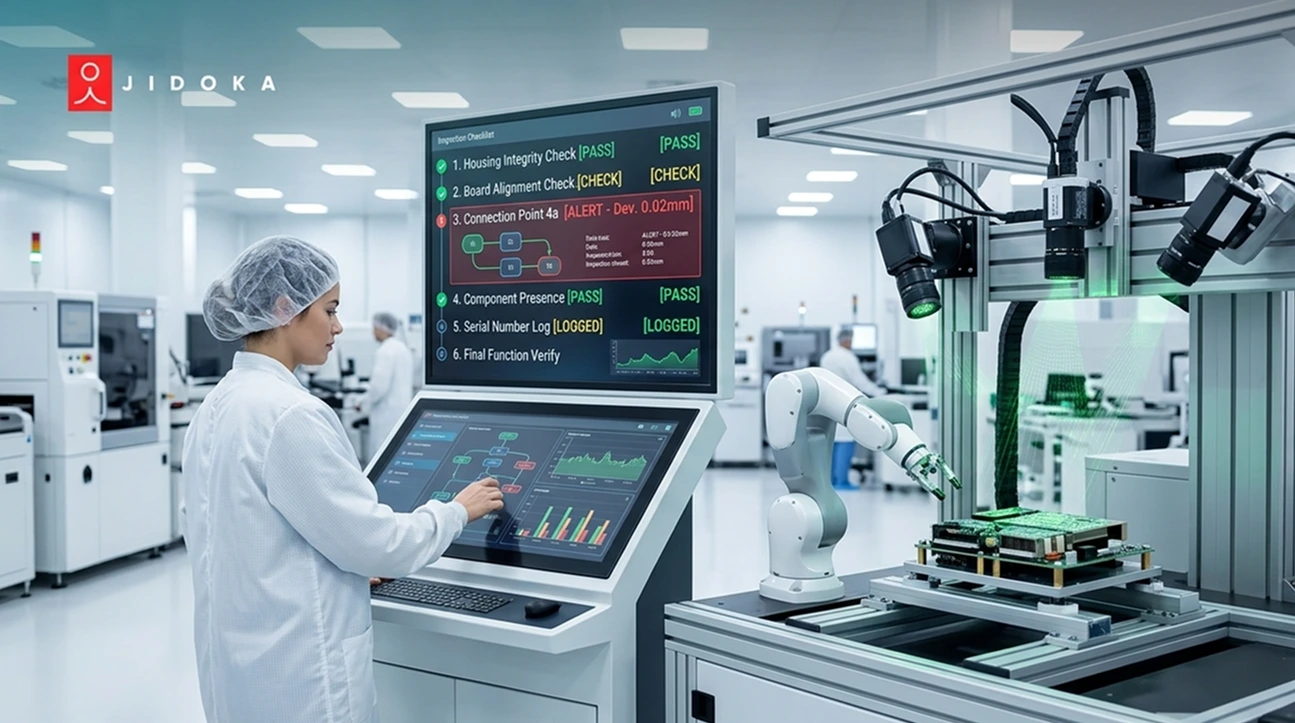
1. Jidoka (KOMPASS Platform)

Overview: Jidoka stands out because it handles both production and logistics quality. While most  AI-powered inspection systems stick to one side, the KOMPASS platform unifies precision defect detection and packaging verification in a single architecture.

Key Features:

Best For: Companies that need end-to-end visibility from the assembly line to the shipping dock without managing multiple vendors.

Industry Served: Automotive, Electronics, Logistics, Warehousing, FMCG

2. Lincode LIVIS

Overview: Lincode simplifies automation with its no-code LIVIS platform. You don't need data scientists to run it. This approach makes it one of the most accessible  AI-powered inspection systems for facilities that lack deep technical resources.

Key Features:

  • No-code interface allows floor operators to retrain models for new products.
  • Works with any IP camera to deliver intelligent quality control automation.
  • Detects microscopic surface defects on shiny or complex materials.
  • Deploys rapidly without stopping production lines.

Best For: Teams that want to empower floor operators to manage quality control without hiring expensive AI engineers.

Industry Served: Automotive, Electronics, Pharmaceutical, Polymer

3. Akridata Vision Command

Overview: Akridata tackles the data overload problem. Instead of sending every frame to the cloud, it intelligently filters data at the edge. This distinction makes it a vital tool among  AI-powered inspection systems for managing massive video feeds.

Key Features:

  • "Smart Sampling" saves only relevant defect events to reduce storage costs.
  • Provides a centralized view of machine vision AI inspection systems across global sites.
  • Accelerates model training by automatically curating high-value data sets.
  • Connects edge data to cloud workflows seamlessly.

Best For: Large enterprises struggling to manage petabytes of video data across distributed factory locations.

Industry Served: Automotive, Retail, Manufacturing, Smart Cities

Category B: Manufacturing Specialists (Production Line)

4. Cognex VisionPro AI

Overview: Cognex defines reliability in heavy industry. Their VisionPro software pairs with specialized hardware to handle complex tasks. It is a top choice for AI-powered inspection systems manufacturing where precision is non-negotiable.

Key Features:

  • Combines rule-based vision with smart inspection systems powered by AI for hybrid accuracy.
  • Excels at complex 3D inspection and OCR on reflective surfaces.
  • "Edge Learning" enables rapid setup with smaller image sets.
  • Delivers industrial-grade reliability for regulated production environments.

Best For: High-speed production lines requiring absolute precision and deep hardware integration, despite the higher cost.

Industry Served: Automotive, Pharmaceutical, Electronics, Semiconductor

5. Averroes.ai

Overview: Averroes.ai solves the problem of rare defects in high-mix manufacturing. It trains on minimal data, making it one of the most efficient  AI-powered inspection systems for facilities that cannot gather thousands of bad part examples.

Key Features:

  • Uses "Few-Shot Learning" to build accurate models with just 20-40 images.
  • Replaces traditional AOI machines with flexible intelligent quality control automation.
  • Reduces false reject rates often found in legacy machine vision AI inspection systems.
  • Scales easily across different product lines without complex reprogramming.

Best For: Electronics and semiconductor manufacturers needing high accuracy with limited defect data examples.

Industry Served: Semiconductor, Electronics, Automotive, Medical Devices

6. Elementary VisionStream

Overview: Elementary VisionStream changes the game with  AI-powered inspection systems that teach themselves. Instead of weeks of training, this platform learns from your live production line in minutes, delivering 99.9% accuracy without requiring thousands of labeled images.

Key Features:

  • "Self-learning" AI establishes a baseline from live production data in under 60 seconds.
  • Deploys 80x faster than traditional machine vision AI inspection systems.
  • Runs at the edge to inspect 1,000+ parts per minute.
  • Hardware-agnostic software works with existing cameras and PLCs.

Best For: Manufacturers needing rapid deployment on high-speed lines where product variations happen frequently.

Industry Served: Automotive, Consumer Packaged Goods (CPG), Food & Beverage, Electronics

7. Rockwell Automation (FactoryTalk)

Overview: Rockwell embeds AI directly into the control layer. Their FactoryTalk LogixAI acts as an extension of the PLC, positioning it as a robust  AI-powered inspection systems solution for existing OT ecosystems that need immediate machine corrections.

Key Features:

  • Provides closed-loop control to automatically adjust machine parameters based on quality data.
  • Integrates natively with Allen-Bradley PLCs for seamless intelligent quality control automation.
  • Detects anomalies that traditional logic misses without requiring data scientists.
  • Predicts quality issues before they result in scrap.

Best For: Factories already running on Rockwell infrastructure that want to automate machine adjustments based on quality data.

Industry Served: Automotive, Food & Beverage, Mining, Life Sciences

Category C: Logistics & Packaging Specialists (Warehouse)

8. Arvist Vision AI

Overview: Arvist transforms your existing security cameras into smart inspection systems powered by AI. It monitors loading docks and conveyors to detect damaged packages and safety violations in real-time, proving that  AI-powered inspection systems don't always require expensive new hardware.

Key Features:

  • Utilizes current CCTV infrastructure for cost-effective AI-powered visual inspection systems.
  • Identifies crushed boxes, wet packaging, and torn labels instantly.
  • Tracks safety compliance like PPE usage alongside quality checks.
  • Provides real-time alerts to forklift drivers and floor managers.

Best For: Operations that want to dual-purpose their security cameras for both damage prevention and safety monitoring.

Industry Served: Logistics, Warehousing, Manufacturing, Retail

9. Overview.ai

Overview: Overview.ai targets the "last meter" of your line. This platform serves as a critical AI inspection platforms industrial solution for packaging verification. It ensures every box leaves perfectly sealed, making it a reliable choice among  AI-powered inspection systems for assembly completeness.

Key Features:

  • Matches shipping labels to package contents to eliminate shipping errors.
  • Deploys intelligent quality control automation to verify cap seals and insert presence.
  • Saves traceable images of every unit to resolve customer disputes instantly.
  • Sets up quickly on existing lines without deep technical knowledge.

Best For: Factories that need to prove exactly what was in the box and that the label matched the contents.

Industry Served: Medical Devices, Food & Beverage, Consumer Goods, Industrial Manufacturing

10. Debales AI

Overview: Debales AI takes a different approach by deploying "AI Agents" to handle the administrative chaos of logistics. While sensors detect the damage, Debales automates the intelligent quality control automation workflow required to file the claim, managing the entire dispute process without human intervention.

Key Features:

  • "Email AI Agents" automatically detect and process claim-related emails and disputes.
  • Aggregates visual proof, BOLs, and invoices to build a complete evidence package instantly.
  • Reduces claim resolution time by up to 85% through automated filing.
  • Connects with TMS and ERPs to validate  AI-powered inspection systems data against financial records.

Best For: Logistics teams and freight forwarders looking to slash the administrative cost of managing OS&D (Over, Short, & Damaged) claims.

Industry Served: Logistics, Supply Chain, Freight Forwarding, E-commerce

Comparison of Top 10 AI Inspection Systems
Company Hardware Requirement Deployment Type Investment Profile Ideal Use Case
Jidoka Agnostic; works with existing IP and industrial cameras Hybrid with edge processing and cloud training OpEx friendly through SaaS and low hardware cost Full quality control across assembly to shipping
Lincode Agnostic; supports standard industrial cameras Cloud native with edge inference OpEx via SaaS Factories needing fast no code deployment for operators
Akridata Agnostic; connects to existing video streams Edge to cloud with source level filtering Mixed; subscription plus edge compute Managing large scale video across multi site operations
Cognex Proprietary; requires Cognex smart cameras or sensors On device embedded processing CapEx heavy due to hardware High precision 3D or OCR on high speed lines
Averroes.ai Agnostic; supports drones and standard cameras Cloud or on prem OpEx via SaaS Electronics or semiconductor setups with limited defect data
Elementary Hybrid with standard cameras and proprietary edge box Cloud managed edge Mixed; hardware plus platform subscription High volume consumer goods with self learning needs
Rockwell Specific; requires Allen Bradley PLC ecosystem On prem as PLC rack module CapEx for infrastructure upgrades Plants heavily aligned with Rockwell automation
Arvist Uses existing CCTV and security cameras Cloud or edge OpEx via software subscription Warehouses wanting dual use of security feeds
Overview.ai Agnostic; standard industrial cameras Edge or cloud OpEx via SaaS Kit verification and label checks at packing
Debales AI No hardware; software only via ERP or email integration Cloud based AI agents OpEx via SaaS Automating OS and D claims and dispute workflows for logistics carriers

Conclusion

Human inspectors fatigue. Legacy cameras flag false positives. These gaps let defects slip through, creating a direct financial leak. Returns and warranty claims drain your bottom line. A single recall or rejected pallet destroys your vendor score. If you stick with outdated methods, competitors running intelligent inspection systems AI will take your contracts.

You must stop this waste immediately. AI-powered inspection systems provide the reliability you need to scale. You require a tool that verifies both product quality and package integrity. 

Jidoka delivers this hybrid capability. It uses AI-powered visual inspection systems to secure quality from assembly to the loading dock.

Contact Jidoka today to see intelligent quality control automation in action.

FAQs

1. Can I use the same camera for production and logistics?

Generally, no. AI-powered visual inspection systems require specific lenses for specific jobs. Production lines usually need macro lenses and structured lighting to spot tiny scratches on a part. Logistics areas need wide-angle lenses to capture large pallets and varying box sizes. You need the right hardware to get accurate data.

2. What is the ROI for Logistics AI? 

You see the return in reduced reverse logistics costs. Manufacturing ROI focuses on scrap reduction, but logistics ROI comes from stopping returns. Intelligent quality control automation catches damage before it leaves your dock. This prevents expensive customer complaints and automates damage claims against your suppliers.

3. Do these tools integrate with my WMS? 

Yes. The best  AI-powered inspection systems connect directly to platforms like SAP, Oracle, and Blue Yonder. If the system flags a box as damaged, it pushes an alert to your Warehouse Management System (WMS). This action automatically blocks the shipping label generation so you don't ship bad goods.

4. How fast can it inspect a pallet? 

Inspection happens instantly. Machine vision AI inspection systems scan pallets on the fly as they pass through a scan tunnel or forklift gate. The process takes less than 200 milliseconds. It provides full verification without slowing down your loading operations.

November 24, 2025
By
Shwetha T Ramakrishnan, CMO at Jidoka Tech

相談会開催中

品質と生産性を最大化するビジョン検査システムに関する相談会を実施中です。ぜひこの機会にお試しください。

お問い合わせ