What is Monozukuri in Factory Automation?

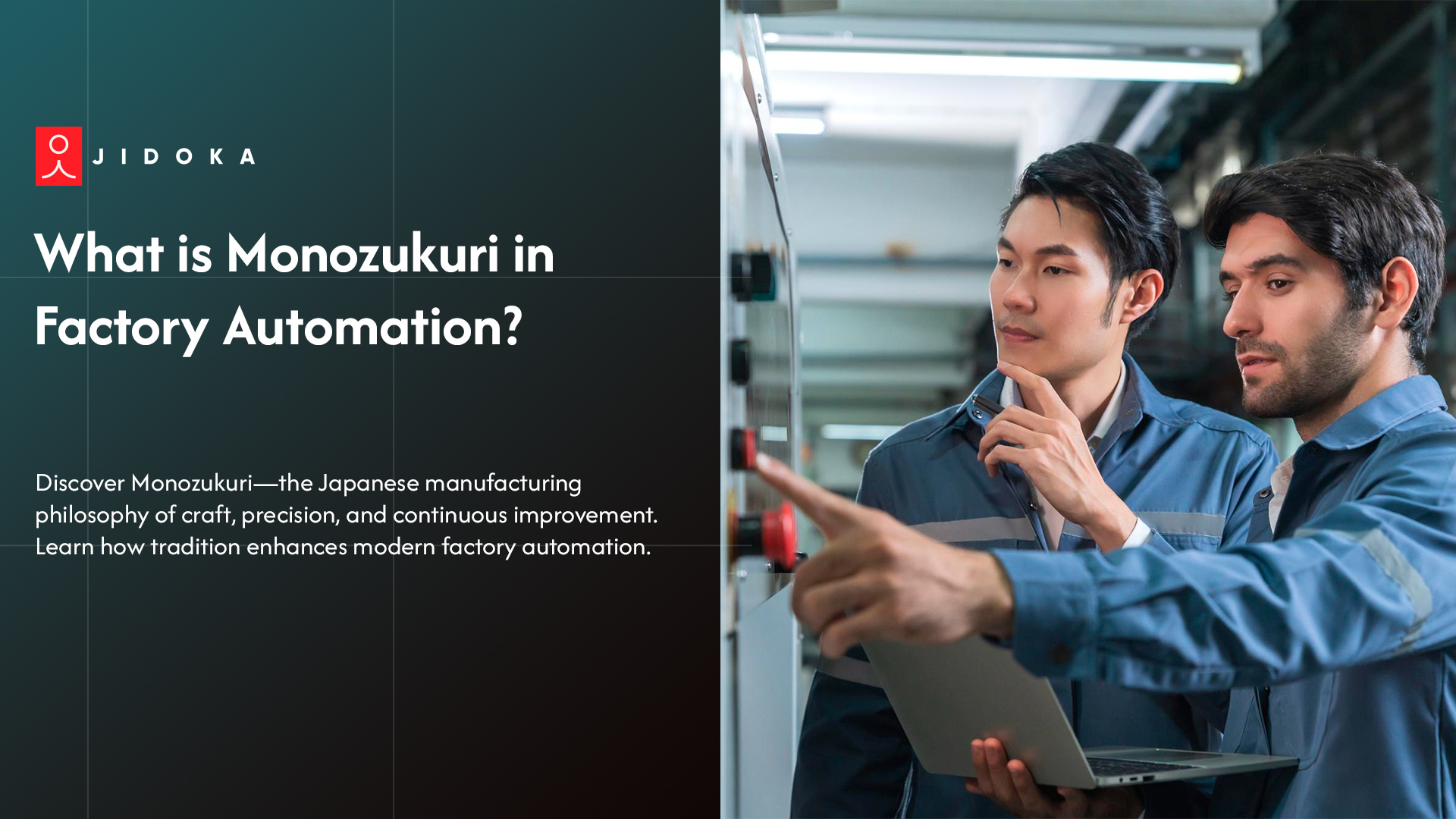
Discover Monozukuri—the Japanese manufacturing philosophy of craft, precision, and continuous improvement. Learn how tradition enhances modern factory automation.

Imagine a machine folding metal with the delicate precision of an origami artist.  This shows Monozukuri in factory automation in action. This Japanese manufacturing philosophy means more than just making parts. It represents a deep Japanese manufacturing culture where people and machines work together. 

Industry 4.0 automation empowers the worker. Modern factory automation AI captures the skill of a master to ensure quality control automation. This approach turns a cold factory into a space for continuous improvement manufacturing. 

Jidoka Tech drives this change by giving machines human-like judgment. You create value through Monozukuri in factory automation. This method builds better products because it respects the craft.

The Core Philosophy of Monozukuri

Monozukuri in factory automation goes beyond simple assembly. It is a mindset where the maker takes pride in every detail. This Japanese manufacturing philosophy focuses on three main ideas.

A) Building People (Hitozukuri)

In a Japanese manufacturing culture, you cannot make great products without first making great people. This means training workers to be thinkers. Industry 4.0 automation does not replace the human mind. It gives workers better tools to solve problems and lead continuous improvement in manufacturing.

B) The Pursuit of Perfection (Kodawari)

A master craftsman never settles for "good enough." This drive for perfection leads to zero-defect manufacturing.

  • Quality First: Workers fix errors immediately at the source.
  • Ownership: Every operator feels responsible for the final product.
  • Craftsmanship Technology: Digital tools help humans reach higher quality standards.

This spirit makes Monozukuri in factory automation unique and effective. This mindset guides how you combine tradition with Industry 4.0 automation to perfect Monozukuri in factory automation.

How Monozukuri Integrates with Factory Automation

Mixing old-world craft with Industry 4.0 automation creates a powerful hybrid system. This approach uses Monozukuri in factory automation to make machines smarter and humans more capable.

1. AI as the Digital Apprentice

Think of factory automation AI as a student learning from a master. Instead of just following basic code, machine learning quality inspection tools observe how a human expert spots a flaw. 

This skill digitization allows a robot to mimic the "feel" and judgment of a veteran worker. It ensures the Japanese manufacturing philosophy stays alive even as production speeds up.

2. Capturing Human Intuition

Masters often have a "gut feeling" when a machine sounds off or a part looks wrong. We call this tacit knowledge. Monozukuri in factory automation uses sensors to turn that intuition into data.

  • Smart Sensors: These capture vibrations or heat changes a master would notice.
  • Data Mapping: Engineers convert these physical cues into algorithms.
  • Autonomous Systems: Robots then use these rules to make real-time adjustments.

3. IoT for Real-Time Kaizen

A smart manufacturing system uses the Internet of Things (IoT) to provide a feedback loop. Workers look at live data to find ways to improve. This keeps the human in control. 

You use continuous improvement manufacturing to tweak the process every day. This keeps the flow smooth and prevents waste. This integration ensures Monozukuri in factory automation delivers both speed and soul.

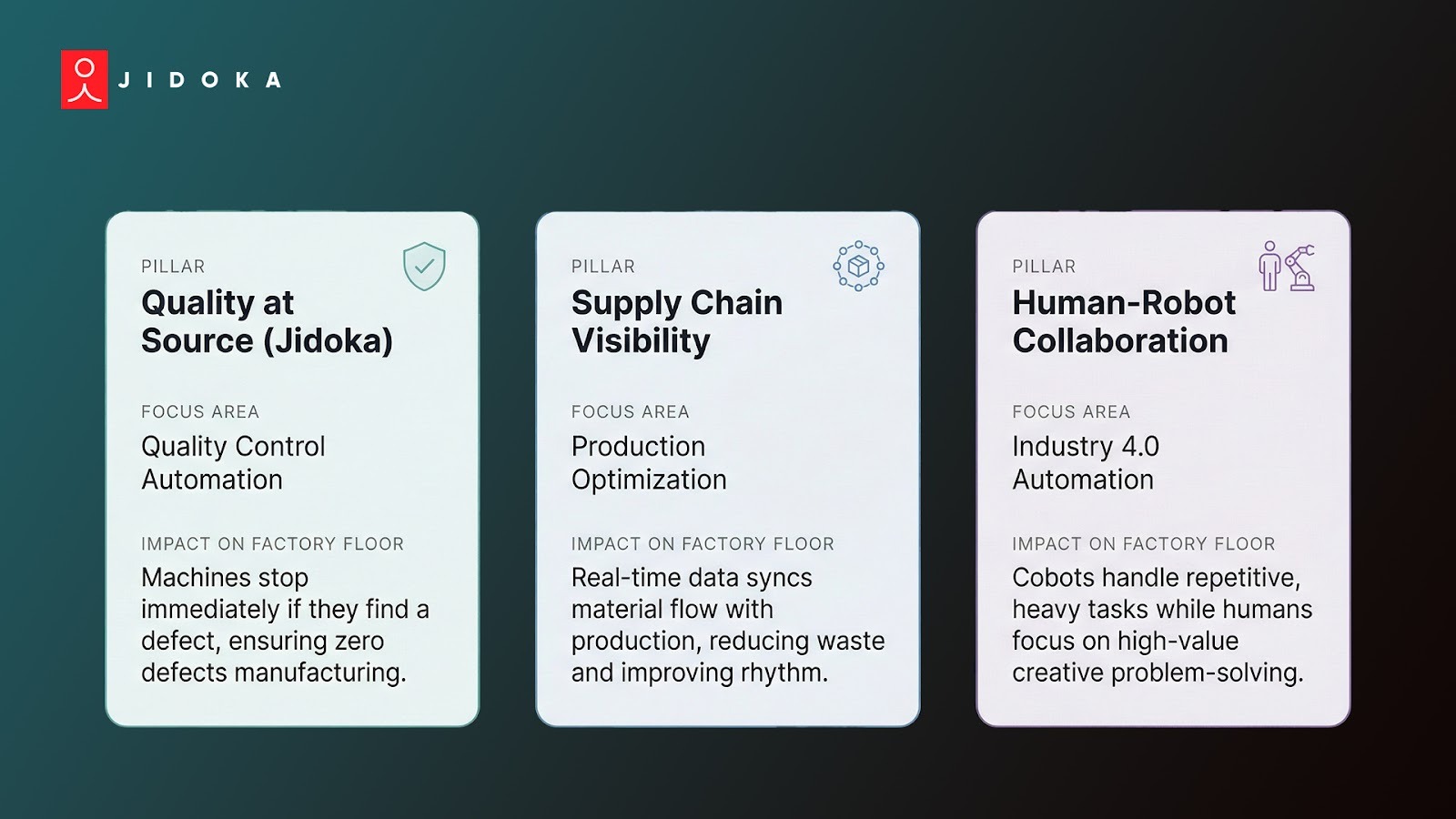
The 3 Pillars of Monozukuri Automation

To successfully apply Monozukuri in factory automation, you must build on three solid pillars. These pillars combine Japanese manufacturing culture with smart manufacturing systems to create a balanced production floor.

The 3 Pillars of Monozukuri Automation: At a Glance

3 Pillars of Monozukuri Automation

Pillar 1: Quality at the Source (Jidoka)

Jidoka gives machines the "human touch" to detect errors. Instead of waiting for a final check, the machine stops immediately if it finds a defect. This is a core part of quality control automation.

  • Automatic Stops: Prevents bad parts from moving downstream.
  • Root Cause Analysis: Forces the team to fix the problem permanently.
  • Zero Defects Manufacturing: Ensures only perfect items leave the station.

Pillar 2: Supply Chain Visibility

A smooth flow is essential for Monozukuri in factory automation. You use big data to sync your material rhythm with your production speed. This creates production optimization by keeping everything in balance. High supply chain visibility ensures you have the right parts exactly when you need them, reducing inventory waste.

Pillar 3: Human-Robot Collaboration (Cobots)

In this Japanese manufacturing philosophy, robots and humans work as a team. This is known as human-robot collaboration.

  • The Robot's Role: Handles repetitive, heavy, or dangerous tasks.
  • The Human's Role: Focuses on problem-solving and creative design.
  • Digital Transformation Factory: Tech handles the grunt work while humans handle the craft.

These pillars ensure your Monozukuri in factory automation remains efficient and high-quality.

How Jidoka Tech Enables Modern Monozukuri

Jidoka Tech brings Monozukuri in factory automation to life by acting as a digital master. Their systems ensure Japanese manufacturing culture thrives even at high speeds.

  • KOMPASS (High-Accuracy Inspector): This factory automation AI delivers 99.8% accuracy. It mimics a master's eyes, handling reflective metals and textures in under 10 ms to ensure quality control automation.
  • NAGARE (Process Analyst): This tool tracks every assembly step. It supports continuous improvement manufacturing by flagging missing parts in real-time and cutting rework by up to 35%.
  • Edge Computing: By running machine learning quality inspection on local units, Jidoka Tech avoids delays. This keeps the rhythm of smart manufacturing systems perfect.

This digital transformation factory setup helps you reach zero-defect manufacturing while honoring the Japanese manufacturing philosophy.

Conclusion 

Monozukuri in factory automation blends tradition with speed. Many factories face high defect rates because they lose the expert eye of human masters. Blind Industry 4.0 automation results in thousands of faulty parts reaching customers. This destroys your reputation and wastes millions on scrap. 

Jidoka Tech fixes this with its specialized factory automation AI inspection system. Their tools provide quality control automation to stop errors instantly. 

Reach out to Jidoka Tech to see how their AI inspection system catches defects on your production line.

FAQs

1. What is the difference between Monozukuri and Lean Manufacturing? 

Monozukuri in factory automation serves as the soul and Japanese manufacturing philosophy. Lean is the practical toolset. Lean focuses on removing waste. Japanese manufacturing culture emphasizes the spirit of the craft. Both drive continuous improvement in manufacturing. Monozukuri ensures your smart manufacturing systems maintain a deep pride in every single product you build today.

2. Does Monozukuri automation replace workers? 

No. It follows Hitozukuri. This means making people. Industry 4.0 automation frees humans from repetitive tasks to focus on production optimization. By using human-robot collaboration, you use factory automation AI to support employees in high-value roles. Technology assists the worker. It does not remove the essential human heart from the manufacturing process.

3. Can Monozukuri work outside of Japan? 

Yes. Any digital transformation factory can adopt this mindset by prioritizing quality over short-term savings. By integrating skill digitization and quality control automation, global plants achieve zero-defect manufacturing. Adopting this Japanese manufacturing philosophy creates a culture of excellence. It also builds long-term supply chain visibility in any country or global market.

4. How does AI fit into Monozukuri? 

Factory automation AI acts as a digital apprentice. It captures the intuition of master craftsmen through machine learning quality inspection. This preserves expert knowledge and applies it to autonomous systems. AI ensures your Monozukuri in factory automation stays consistent within Industry 4.0 automation. It delivers master-level precision at the high speed of machines today.

December 23, 2025
By
Vinodh Venkatesan, CRO at Jidoka Tech

相談会開催中

品質と生産性を最大化するビジョン検査システムに関する相談会を実施中です。ぜひこの機会にお試しください。

お問い合わせ