






Recognise Every Operation, Visible or Not
- Learn each operation from the operator's actions
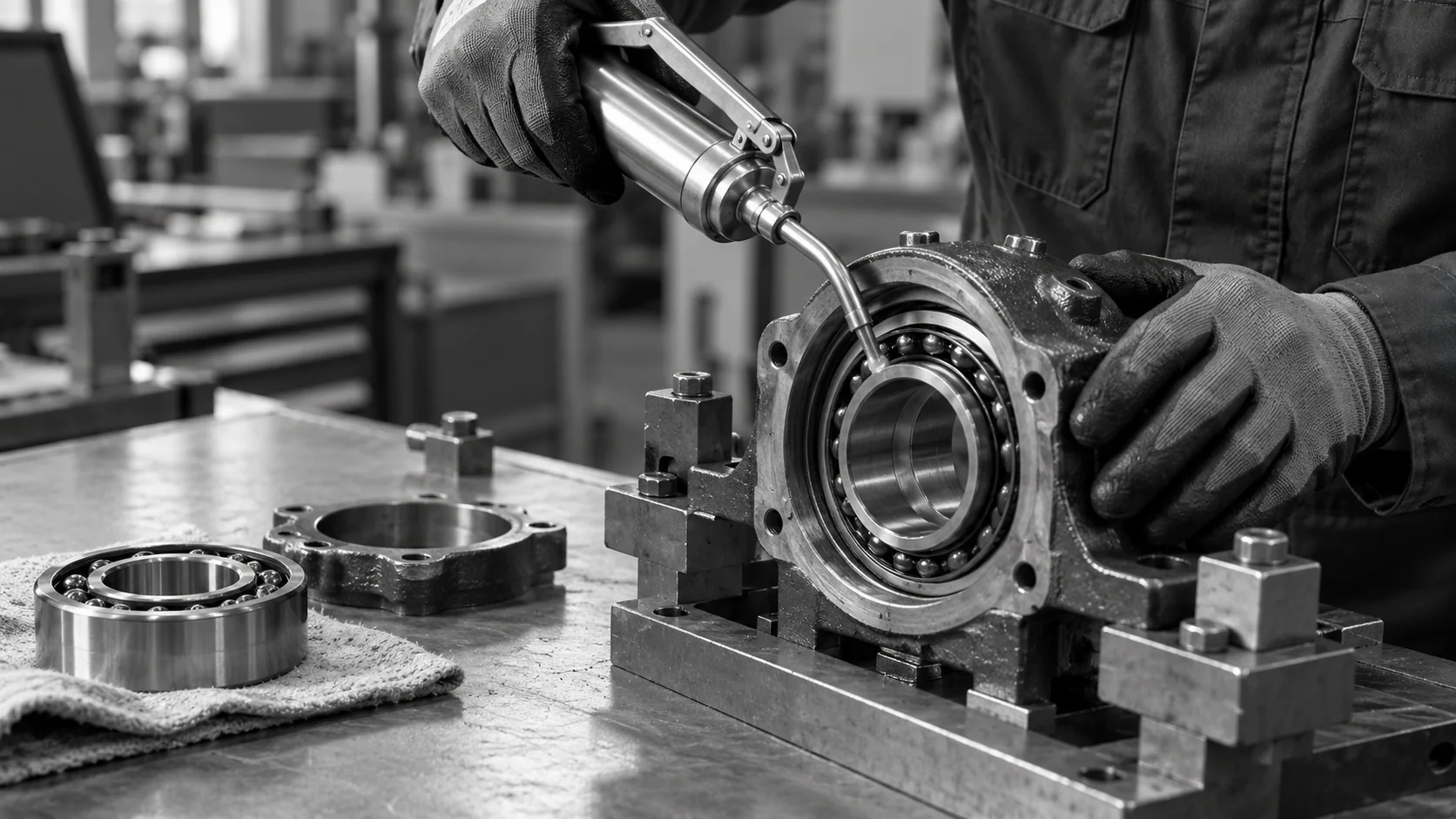
- Check configured visible press, clip-fitting and greasing actions
- Count operations that repeat, such as multiple clips
- Show the operator what is still missing
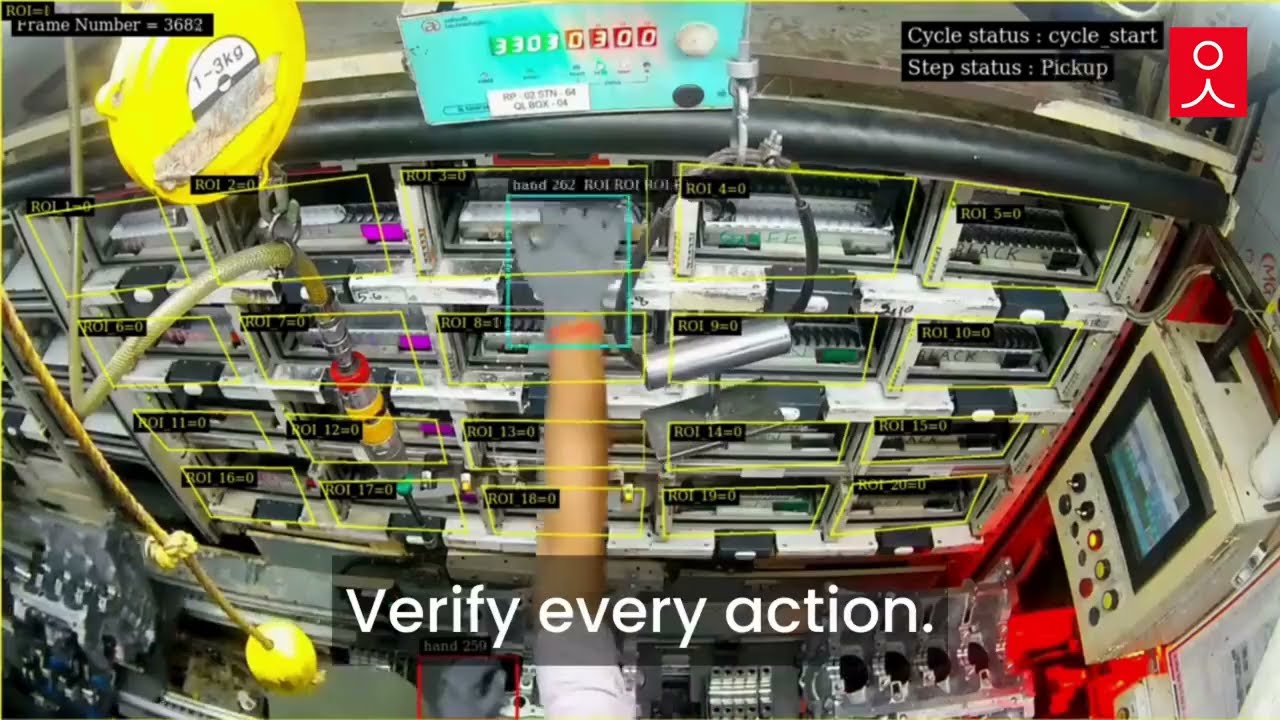
NAGARE supports process step verification by checking configured visible operations against the completion list. It can flag an unconfirmed press, clip-fitting or lubrication action before release, while tool data, sensors or tests remain necessary where physical seating, force or application quantity must be established.
Some operations leave little inspectable evidence after later work covers them. A visible press, clip-fitting or greasing action can support a process check, while seating, force and applied quantity still need their own acceptance evidence.
Our AI process monitoring software, NAGARE™, supports process step verification by checking configured visible actions against an operation list. An observed action provides process evidence. Physical acceptance criteria and any release signal are defined separately with the station team.

Process step verification can turn visible action checks into a completion record. Define what proves each operation, how ambiguous footage is reviewed and which separate tool or test evidence is required for its physical result.
Each operation, how many times it repeats and what proves it was done are set from your method and recorded cycles.
Configured rules recognise visible operations. A recognised motion does not by itself prove seating force, applied quantity or another hidden physical result.
An unconfirmed action follows the agreed review or hold rule. Release requires the evidence and correction procedure validated for that station.
Send the operation list for one station and a cycle video. We will show which operations can be verified and how release would work.
Get In TouchEvery station has a rule for when a unit can leave. The difference is whether that rule knows the work was done.
At Abbott, NAGARE classifies any deviation from the approved activity list as NOK, alerts the operator and signals the PLC for each step, with a corrective-action hold before the workflow resumes.

Abbott's published results describe activity-level verification across its manual medical kitting stations.
Hidden operations become difficult to inspect after later work covers them. A missed press-fit, clip insertion or lubrication step can be relevant examples, but a visible action and an acceptable physical result are different checks. Seeing a press move does not establish its force or depth. Seeing greasing does not prove the required quantity. Define the visible completion criteria and retain the tool, sensor or functional-test evidence needed for the result. Unseen work should remain unconfirmed.
Configured visible actions can be compared with the station operation list. Before the unit leaves, any unconfirmed item follows the agreed alert, review or hold procedure. A camera observation should not be treated as a validated release input until coverage, ambiguous cases and the release interface have been assessed. The operator or quality team then applies the approved correction. Some operations can be completed immediately, while others require inspection or repair rather than a repeated motion.
Yes. NAGARE can send a complete or incomplete signal at station exit, so the line controller only releases a finished unit. Where your line already uses a completion signal from tools or sensors, the camera result can be combined with it. The handshake, timing and fallback behaviour are agreed with your controls team during scoping, and the station can start in alert-only mode.
Where repeated operations remain visible and distinguishable, configured rules can maintain an operation count against the required number. Five recognised clip-fitting actions against six expected actions would leave one unconfirmed. It would not prove that the sixth clip is physically absent. Review occlusions, simultaneous actions and partial operations during validation. A camera count can support process checking without a sensor at every position, while separate criteria remain necessary for correct seating or application quality.
No. A leak test or functional test checks a result that a camera observation of the action cannot establish. Validated visible-action checks may help prevent particular missed operations from reaching those tests, while the tests retain their acceptance role. Compare actual failure rates and causes before and after a change rather than assuming remaining failures must be component faults. Where unit linkage and retention are configured, the process record can help investigate a failed unit.
The approved work instruction determines whether the operator may complete missing work immediately or the unit needs inspection at a rework station. Repeating an action is not always an acceptable correction, particularly after an irreversible step. Where a line cannot wait, an agreed routing status can identify the unconfirmed work for review. Record the event and its disposition so an incomplete observation is not silently converted into a claim of a completed, conforming unit.
Video research often uses temporal segmentation to divide footage into candidate operations. That explains one possible monitoring approach. It is not a statement of NAGARE's internal algorithm. For process step verification at your station, define visible completion criteria, representative variations and examples that should remain unconfirmed. Test short, partial and obscured actions against those criteria. The deployment decision should rest on demonstrated recognition, review and release behavior rather than on an assumed model architecture.
Send the list of operations performed at the station with any repeat counts, a few videos of normal cycles and examples of escapes traced back to it. Tell us how units are released today. With that, we can identify which operations to verify, propose the camera view and design the release signal for your line.
Share the station's operation list, a cycle video and the escapes you trace back to it. We will plan process step verification for that station and explain timing and cost. A first station is typically verified and live in 4 weeks.