









MISSED-STEP ALERTING

Work Instruction Compliance
to Catch Skipped Steps Instantly

NAGARE checks work instruction compliance on every cycle, not just at audit time. A camera compares what the operator does with each instruction step, raises an alert the moment a step is skipped or rushed past, and keeps a video-backed record that the instruction was followed.

Map an Instruction With Us

Trusted by manufacturers for error-free manual operations

THE PROBLEM

A Signed Instruction Is Not a Followed One

Instructions are written, approved and displayed at the station. Whether each step was actually done is usually known only when a unit fails a test or a customer complains.

Taps Replace Checks

Digital instructions often advance when the operator taps the screen. The tap proves attention to the screen, not that the step was done.

Skips Hide in Routine

Familiar jobs invite shortcuts. A cleaning wipe, a seating press or a visual check is the first thing dropped under time pressure.

Audits See a Sample

Layered audits observe a few cycles a week. The skipped step on the night shift never appears in the audit record.
The Solution

Alert the Operator While the Step Can Still Be Done

Our AI process monitoring software, NAGARE™, checks work instruction compliance by recognising each instructed action on camera. When a step is missing, the operator is alerted before the unit moves on, and every cycle is recorded.

Turn Each Instruction Step Into a Check

  • Map instruction steps to actions the camera can see
  • Mark the steps that must never be skipped
  • Detect skipped, repeated or rushed actions
  • Raise an audio and visual alert at the station
Every cycle
Checked against the instruction
At the station
Alert before release
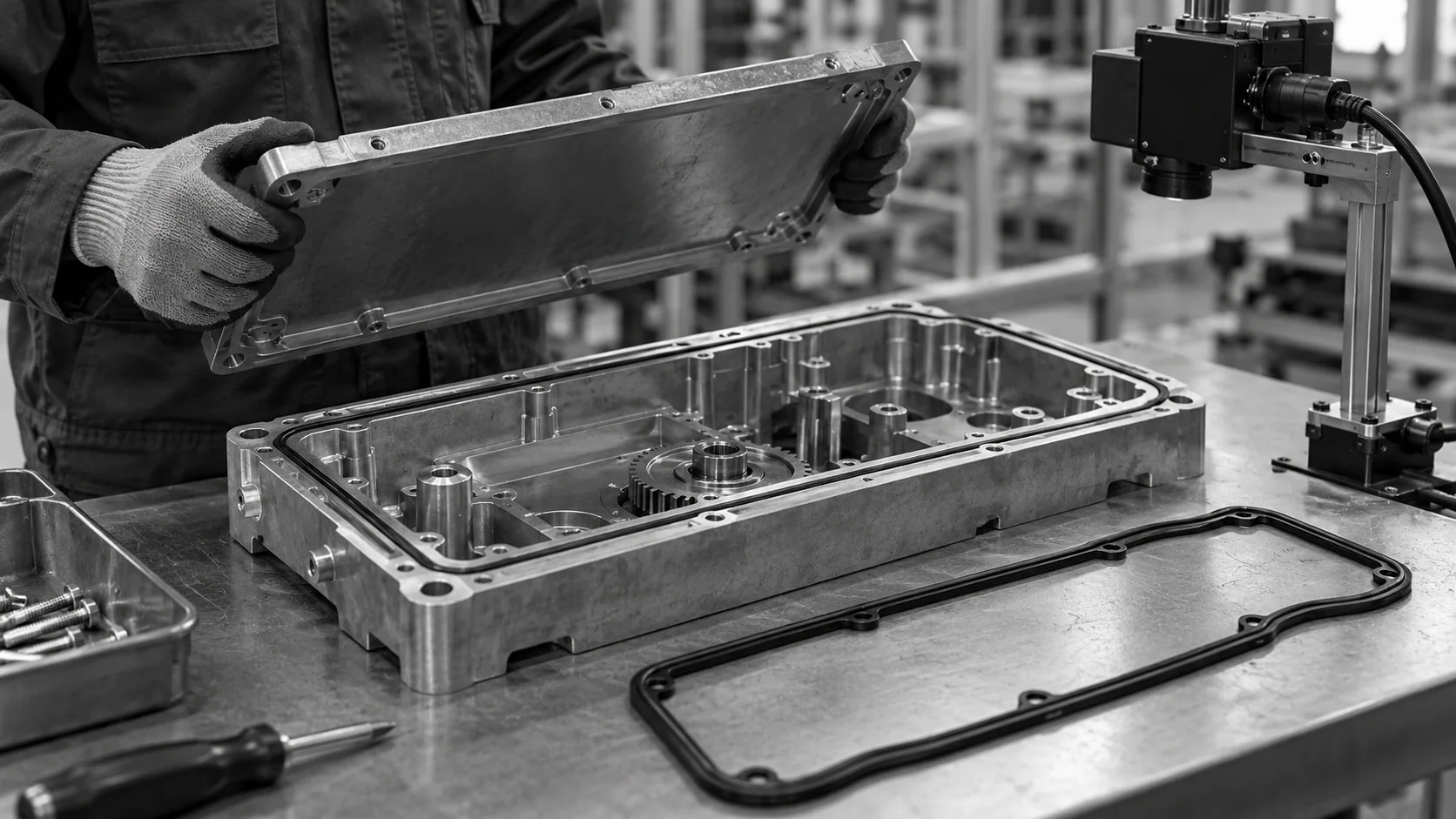
Conceptual illustration of an exposed empty gasket groove with the gasket beside an assembly awaiting closure.

Keep Proof Without Paperwork

  • Log each cycle with its step-by-step status
  • Attach a video clip to every deviation
  • Filter by shift, station, operator group or variant
  • Export records for internal and customer audits
Video-backed
Record for every deviation
No sign-off sheets
Proof captured automatically
HOW IT WORKS

How Missed-Step Alerts Work

Work instruction compliance becomes measurable when each step has a visible action. NAGARE maps those actions, watches every cycle and alerts on the first gap.

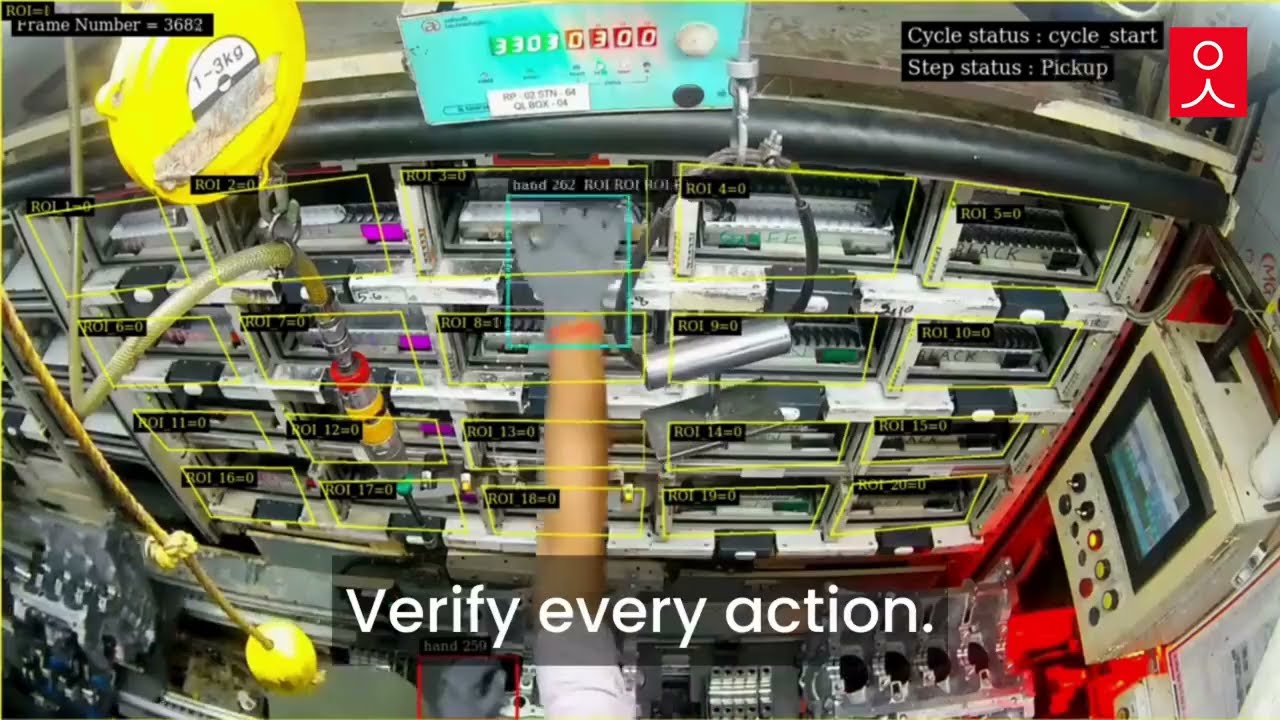
Official video frame showing an engine-bearing assembly view with tracked parts and cycle status
Bearing-placement example: missed or repeated placement steps are detected and guidance reaches the operator. Other operation types require their own configuration.
Highlight #1

Map Steps to Visible Actions

Each instruction step is linked to the hand action, part or tool that proves it was done, using recorded cycles from your station.

Highlight #2

Watch Every Cycle

The camera follows the operator through the instruction and marks each step done, skipped or out of order as it happens.

Highlight #3

Alert and Record

A missing step raises an alert while the unit is still at the station. Every cycle and deviation is stored for review.

Connect With Us

Send one work instruction and a video of the station following it. We will show which steps can be checked and how alerts would appear.

Get In Touch

Ways to Check Work Instruction Compliance

Every method shows the instruction. They differ in whether anyone confirms each step was done, and how much of the work is covered.

Monitoring need
Manual methods
Traditional machine vision
NAGARE AI
Step confirmation
Operator memory
Screen tap or scan
Action seen by camera
Coverage
Audit samples
Every cycle, self-declared
Every cycle, observed
Evidence
Signed sheet
Click log
Video clip per deviation
First-Time-Right
Depends on discipline
Assumes taps mean work
Skipped steps fixed before release
CUSTOMER SUCCESS

Abbott Catches Missed Steps Before Kits Move On

At Abbott, NAGARE turns the approved kitting SOP into monitored activities and raises audio and visual alerts when a scan, insertion or packing step is missed.

Official Jidoka case-study cover for Abbott kitting process monitoring
Abbott Catches Missed Steps Before Kits Move On
Healthcare

Abbott's published results cover its manual medical kitting process, where each step had relied on operator vigilance.

  • Missed steps, sequence errors and packing deviations flagged in real time
  • 18 stations in the described design. Validation based on 100 consecutive cycles or three production days

Frequently Asked Questions

How is a work instruction different from an SOP?

An SOP sets out what a process must achieve and who is responsible for it. A work instruction describes exactly how one task is done at one station, often with photos and part numbers. Work instruction compliance is therefore about the detail of each step at the bench, which is why it changes more often and is harder to audit than the procedure above it. Instructions are revised whenever tooling, parts or local conditions change.

Does ISO 9001 require proof that instructions are followed?

The standard expects documented information where it is needed to make sure processes are carried out as planned, and it expects evidence that they were. It does not prescribe how that evidence is collected. Many plants rely on audits and signed sheets. Camera records give a fuller picture, because they show each cycle rather than a sample, and they sit alongside the records in your quality management system.

Why are sign-off sheets not enough?

An operator sign-off records that someone declared a task complete, usually at the end of a batch or shift. It cannot show which unit a step was missed on, and it is easily completed from habit. A paper check sheet has the same limit. Observed records show what happened on each cycle, so a gap can be traced to a specific unit and time and fixed with the right people. It also removes the end-of-shift scramble to complete paperwork that nobody reads closely.

Which steps are worth marking as never-skip?

Identify mandatory steps with the quality and process teams, based on what can go wrong and what the camera can observe. A cleaning wipe, a primer application or a seating press may have a visible action that supports completion checks. Seeing that action does not establish cleaning effectiveness, applied quantity or seating force. A visual check also does not prove attention. Define separate acceptance evidence where required, and agree which unconfirmed actions cause an alert, hold or review.

How quickly is the operator warned?

A configured rule can raise a deviation alert when the observed sequence moves on without a required action being confirmed. Detection and warning timing depend on the action, camera view, processing and station interface. Validate them at the intended production pace. The screen and sound should identify what needs review while the unit remains accessible. Agree the hold and release conditions with the controls team rather than assuming a warning always arrives within the same motion.

How does this help improve the method itself?

Standard work defines the best known way to do a job, in a set order and time. Skipped step detection shows where real practice drifts from that standard, step by step and shift by shift. Teams can then decide whether the instruction needs retraining, a better tool or a rewrite, rather than assuming the operator is at fault each time the same gap appears.

Can it help when shifts change over?

Yes. Step completion data for each cycle shows the incoming team exactly where the previous shift left work, including any units with open deviations. At shift handover, supervisors can review flagged clips instead of relying on verbal notes. Over weeks, the same records show which shifts and stations hold strong process adherence and where extra support is needed.

What should we send to plan work instruction compliance checks?

Send one or two current work instructions, a video of the station following them and a note of the steps that are skipped most often. Tell us how records are kept today and who reviews them. With that, we can map steps to visible actions, set alert rules and show how compliance records would look for your quality team.

CONNECT WITH OUR EXPERTS

Show Us the Step That Keeps Getting Skipped

Share one instruction, a station video and the steps skipped most. We will plan work instruction compliance checks for that station and explain timing and cost. Expect the first station to be live in about 4 weeks.

Map an Instruction With Us
Close video