









Watch the Work, Not Just the Fixture
- Recognise each part the operator fits and where it goes
- Spot missing, extra or wrong components
- Check the order of the main actions
- Alert the operator on screen and with sound
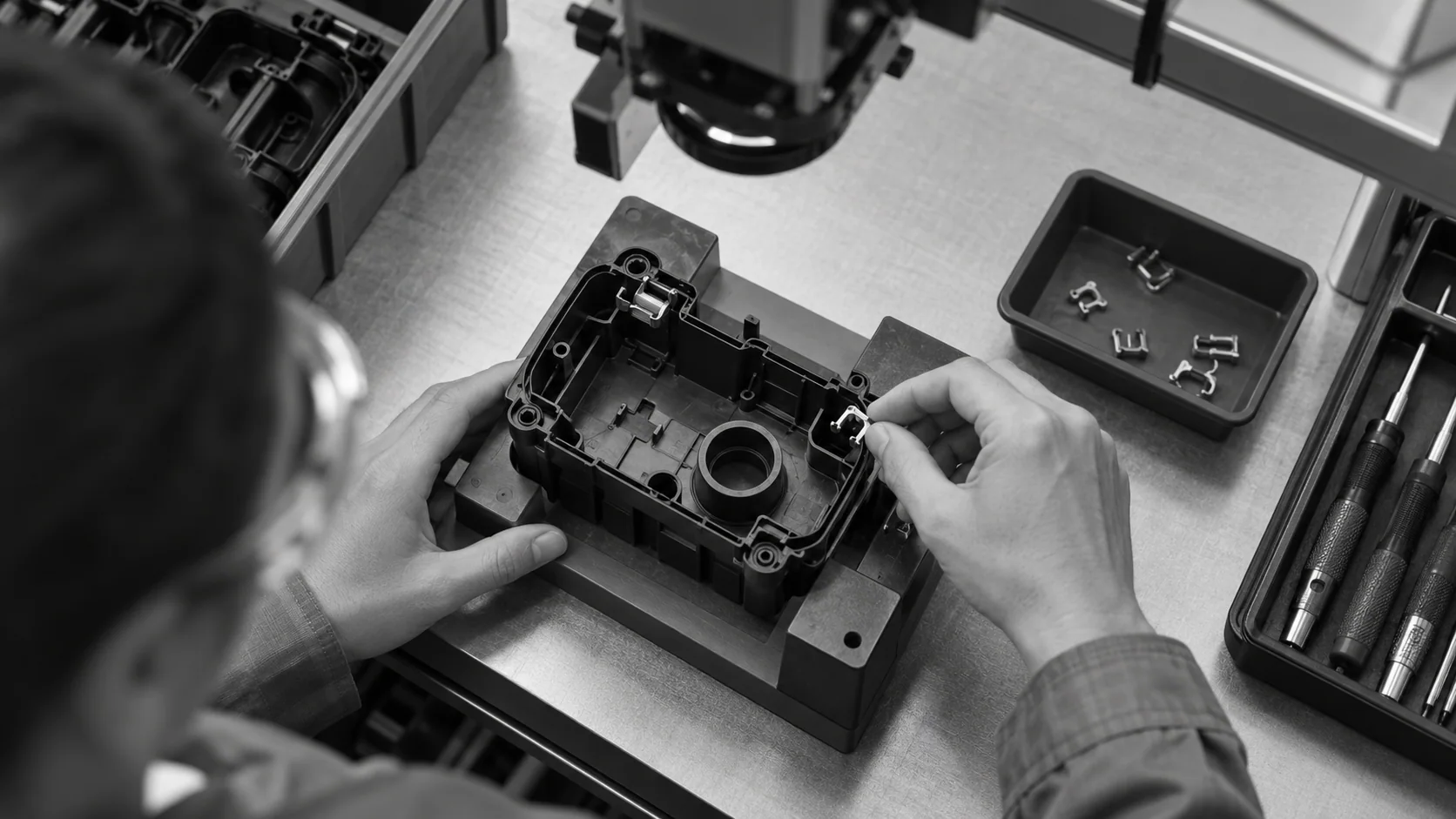
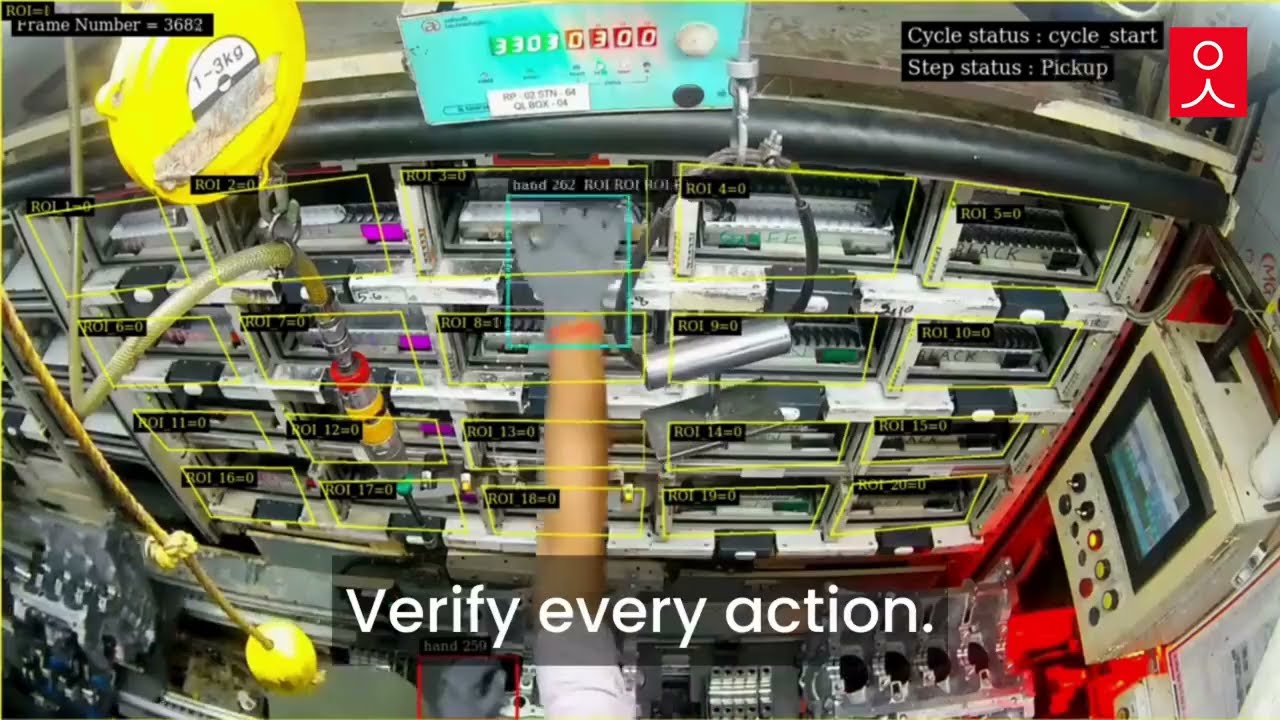
NAGARE supports manual assembly error proofing at benches where visible parts and actions can be checked. Camera views are assessed against the approved method, so configured checks can flag wrong, missing or misplaced components while the unit remains at the station for review or correction.
Automated cells get sensors, interlocks and test. Manual benches building low volumes or large, varied products usually get a checklist and a trained operator, and that is where most escapes begin.
Our AI process monitoring software, NAGARE™, supports manual assembly error proofing from a camera view of the existing bench. It learns the configured parts and method, with coverage validated for the products and visible checks agreed during scoping.

Manual assembly error proofing with NAGARE starts from the way your best operators already build the product, then checks every unit against that method as it is assembled.
Normal cycles from experienced operators show the parts, positions and main actions the model must recognise.
The camera follows hands and parts on the bench and compares each unit with the approved method in real time.
A mistake raises an alert while the unit is still on the bench. Each alert is stored with its clip for the team to review.
Send one bench video and your most common escapes. We will show which of them the camera can catch and how quickly.
Get In TouchEach method reduces mistakes. The difference is how much it costs to cover a new product and which errors it can actually see.
Fixed automation repeats the same motion, so a sensor in one place can confirm it. Bench assembly varies from unit to unit: operators pick hand-placed parts from bins, hold work in different ways and sometimes change the order to suit the part. A camera can follow that variation, while a sensor can only check one spot. That is why benches building varied products are often the least protected stations in a plant.
Light curtains and pick sensors confirm that a hand entered a bin or a zone, which is a good first layer for bin picking. They cannot see which part was taken from a mixed bin, how it was fitted or whether an extra part was dropped in. NAGARE can work with them, using their signals where they exist and adding the visual check that tells the station whether the work itself is right.
It does not prevent operator fatigue or guarantee that fatigue-related errors cannot escape. Configured camera checks can provide a consistent additional observation of visible parts and actions, including late in a shift. Alert records may help a team review when slips cluster, alongside staffing, workload and break information. The checks still depend on coverage, training and station validation. Treat fatigue management and the station layout as process responsibilities rather than assuming monitoring removes the need for them.
High-mix low-volume work is a useful setting to assess because dedicated nests and sensors may be difficult to justify for every product. A camera can add configured checks for visible features and actions, but coverage must be reviewed for each product and method. New parts, lighting or layouts may need further training or a changed view. Retaining the station layout is a design aim, not a promise that every product can share one camera without changes.
A first-off check confirms that the first unit of a batch is right, which catches setup mistakes but not the random slips that happen later. Configured camera checks can observe later units as well as the first, within the validated coverage. They do not guarantee every error will be detected. Many teams keep that setup sign-off and rely on continuous checking for the rest of the batch.
Usually, yes. An end-of-line test checks function, which a camera at the bench cannot establish from appearance alone. Validated checks for visible assembly actions may help reduce particular build errors reaching that test, while the test retains its own acceptance role. Review actual first-pass results rather than assuming remaining failures must be component faults. Where unit identifiers and video retention are defined, bench evidence can also support investigation of a unit that fails.
Yes. A barcode scan confirms that the right part number was presented, and the camera confirms that the part was actually fitted, in the right place and orientation. Together they close the gap between picking the right part and building it correctly. Where scans already feed a traceability system, an agreed and validated connection can add the camera result to the same unit record, which supports operator error prevention without asking people to scan anything new.
Send a video of the manual assembly station during normal work, a list of the escapes found downstream and the products built there. Photos of the parts that are most often confused help. With that, we can propose a camera position, the checks worth adding first and how alerts should reach the operator at that bench without slowing the work.
Share a bench video, the products it builds and your downstream escapes. We will plan manual assembly error proofing for that bench and explain timing and cost. One bench like this is usually covered within 4 weeks.