











Classify Every Visible Location
- Mark bays, bins and floor lanes occupied or empty
- Update status as goods are stored and removed
- Highlight locations the system has wrong
- Cover several aisles from each camera where views allow
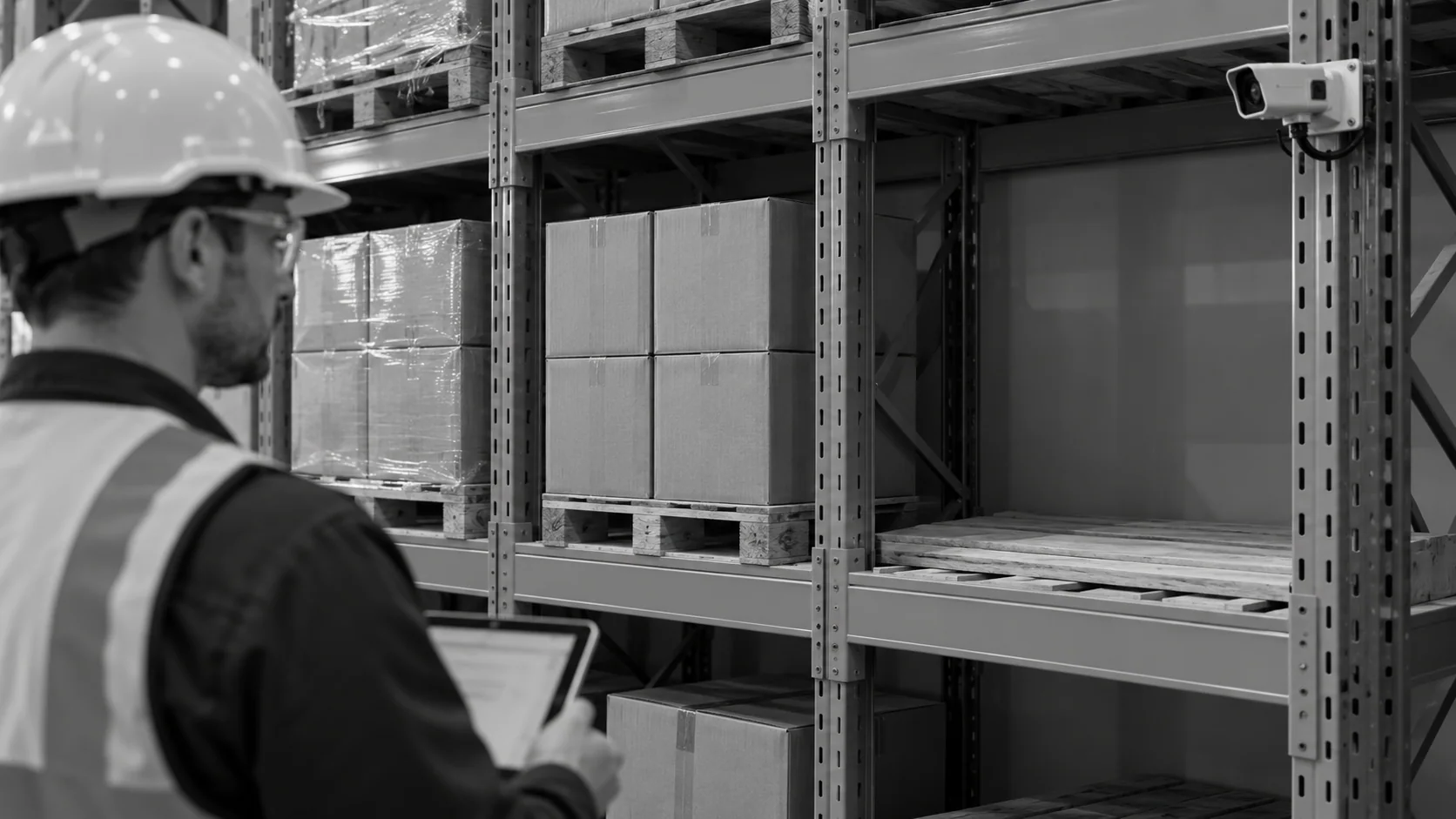
NAGARE provides empty location detection across warehouse racking using the cameras already watching your aisles. Each pallet bay and bin is classed as occupied or empty throughout the day and compared with the system, so putaway teams stop chasing full locations and space is used as planned.
Location records drift with every unrecorded move. Drivers arrive at a position that should be free and find it full, while locations the system believes are occupied sit unused for weeks.
Our AI process monitoring software, NAGARE™, performs empty location detection from existing warehouse cameras, classing each location as occupied or empty and comparing the result with the system. Mismatches are flagged so records and storage moves stay in step.

Empty location detection with NAGARE maps each camera view to the locations it can see, classifies them continuously and reconciles the result with your warehouse records.
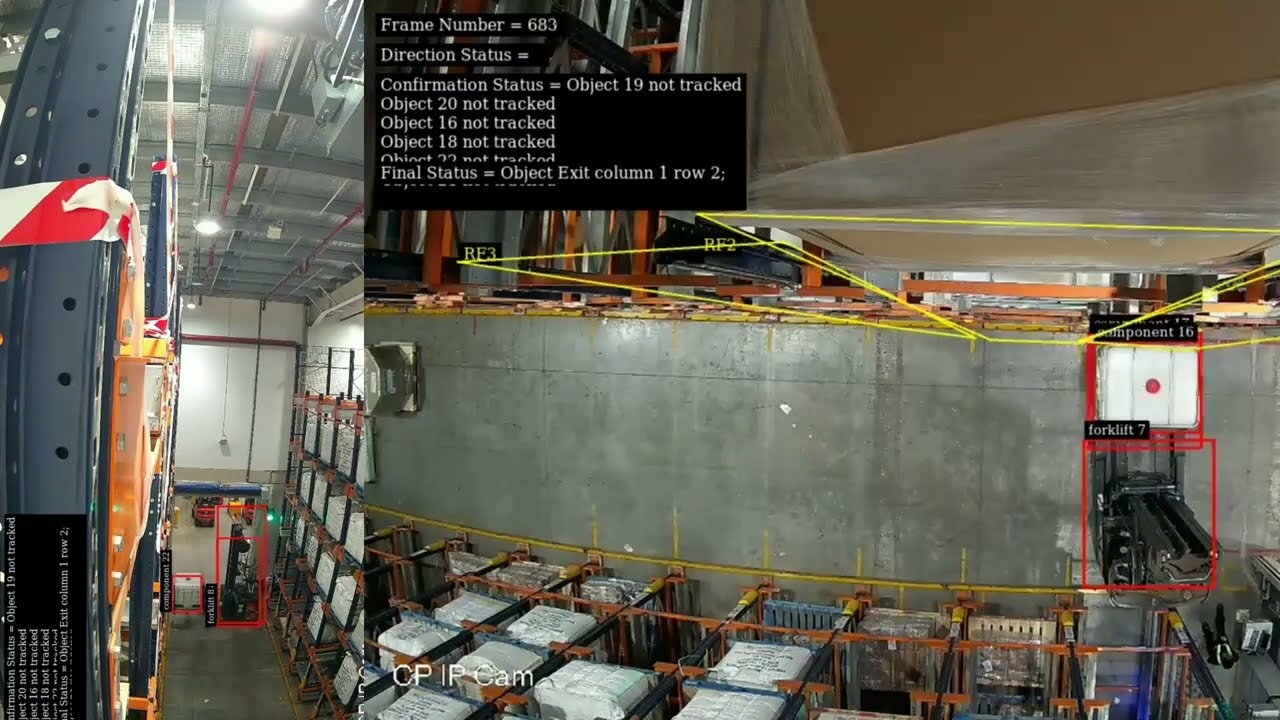
Rack bays, bins and floor lanes visible to each camera are outlined once and linked to their location codes.
The model checks each location throughout the day and records changes as goods arrive and leave.
Status is compared with the warehouse system, and mismatches are flagged for correction.
Send a camera view of one aisle and its location list. We will show how each position would be classified.
Get In TouchEvery method aims to know which locations are free. They differ in how often status is checked and how much effort it takes.
P&G's NAGARE deployment digitally records the inventory in each storage location through existing CCTV, reducing discrepancies and giving real-time warehouse visibility.

P&G's published results come from the joint P&G and Maruti Suzuki case study, applied here to location status.
Most errors come from moves that are not recorded or are recorded against the wrong code: a pallet stored in the nearest free bay, a bin emptied without confirmation or stock moved during a busy shift. The result is ghost locations that the system thinks are full and full locations it thinks are free, both of which waste time and space every day. The longer a record stays wrong, the more moves are planned on top of it and the harder it is to untangle.
Empty slot detection works by outlining each bay or bin in the camera view and classifying it as occupied or empty from what the camera sees. A pallet, case or tote in the position marks it occupied. The classification runs throughout the day, so location status changes are captured as goods arrive and leave, not only when someone walks past. Lighting changes and partial pallets are included in training so the result stays stable across shifts.
Observed occupancy can support slotting and replenishment decisions by identifying positions that appear free within the camera coverage. Space utilization based on binary location observations is not the same as usable cubic capacity or a decision that a particular pallet fits. Combine observations with location dimensions, load rules and the warehouse system before planning a storage move or extra space. Review incomplete views and partial loads so a status report is not treated as a complete capacity assessment.
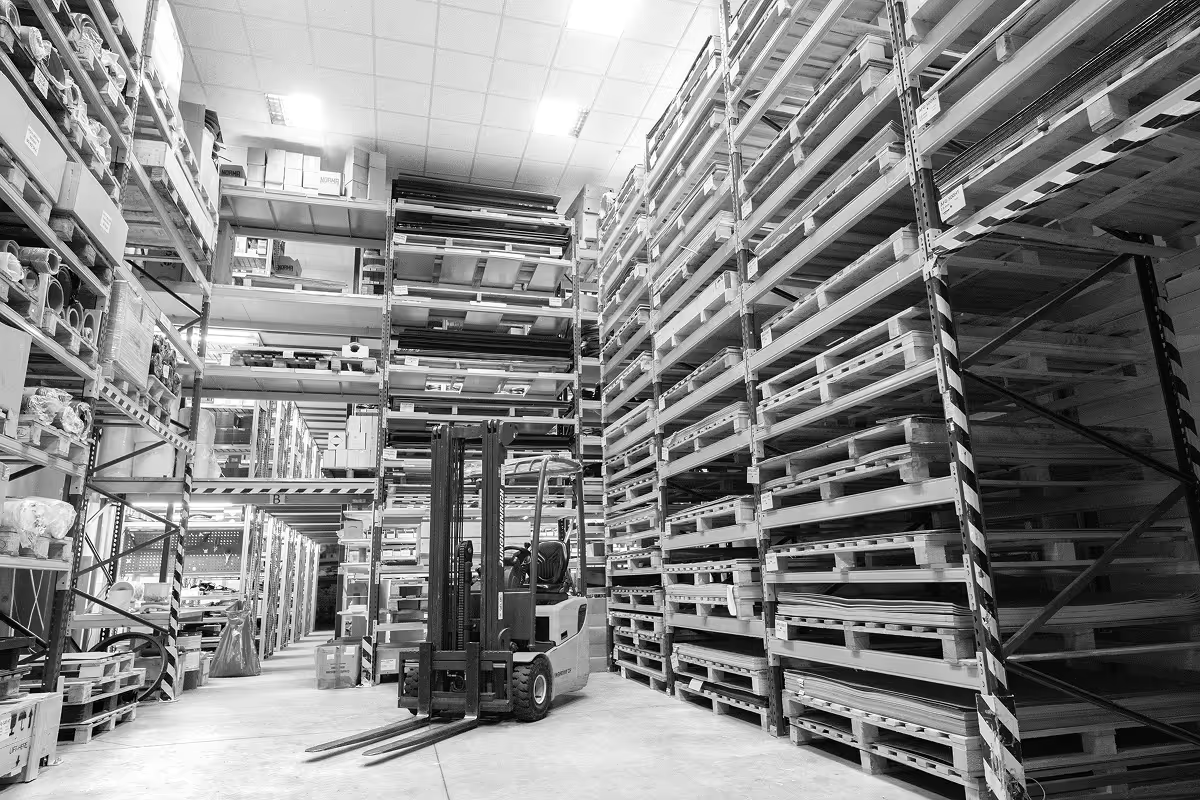
Coverage of high-bay racking depends on mounting height, rack geometry, stored goods, beams, traffic and the camera angle. Upper or lower levels may be hidden in a particular view. There is no universal rule that ceiling cameras see one level reliably. Assess each storage position using representative loads and operating conditions, then define the locations that can be classified. Repositioned or additional views may be needed, and an obscured location should remain unconfirmed rather than being assumed empty.
Drones and scanning robots can read labels and check locations across tall racking, usually during quiet periods. Fixed cameras watch continuously during normal work, which suits fast-moving zones where status changes many times a day. Some warehouses use both: drones for periodic full audits and cameras for live status in the busiest aisles.
An observed mismatch can be presented with the location code, system status, observed status and an image where retained. Agree how an inventory controller reviews it and whether an approved correction can pass through a configured warehouse-system interface. Do not assume direct automatic writeback or direct driver guidance without demonstrating those connections. A free-position observation is useful input to putaway planning, while the location's suitability and the required approval remain part of the warehouse process.
Yes. Large positions are usually easier to classify, while small bins on shelving need a closer view or a camera aimed along the shelf face. The distinction between occupied versus empty is the same in both cases, and setup simply defines each position in the view and links it to its location code in your system.
Send the rack layout for one zone with location codes, the positions of existing cameras and a few still images from them. Note where storage moves most often fail and how corrections are made today. With that, we can review coverage, outline the locations to classify and show how mismatches would reach your team.
Share your rack layout, camera positions and the zones where storage moves get stuck. We will plan empty location detection for that zone and explain timing and cost. A first zone is commonly live in 4 weeks.