
LABEL CONTENT & ARTWORK VERIFICATION

Label Verification
to Catch Wrong Labels Before They Ship

KOMPASS brings label verification to every label on the line, checking it against the approved artwork for the product being run. AI reads the text, codes and graphics, confirms they belong to the active order and signals the line when a wrong label or outdated version appears.

Discuss Your Label Check

Trusted by manufacturers to improve quality on the line

THE PROBLEM

The Wrong Label Looks Exactly Like a Right One

A label for a sister product has the same shape, colours and layout. On a fast line nobody can read every word, and without label verification a barcode scan alone can pass a label that belongs to something else.

Mix-Ups Happen at Changeover

The wrong roll is loaded or leftover labels from the last run stay on the applicator. The first cases of the new order carry the old product's label.

A Valid Barcode Is Not Proof

A scanner reads a perfectly good barcode that belongs to another product. The scan passes and the mislabelled pack ships.

Small Text Carries Big Risk

A missing allergen line or an outdated regulatory statement is easy to overlook and can force a withdrawal of the whole batch.
The Solution

Check the Whole Label, Not Just the Barcode

Our AI Product Inspection system, KOMPASS™, performs label verification on every pack: it reads text and codes, recognises artwork and compares the result with the approved label for the active order. Each decision reaches the line controls with an image of the label.

Confirm Every Label Belongs to the Order

  • Run label verification against artwork, logos and colour blocks for each variant
  • Read product names, allergen and regulatory statements
  • Check that barcode data matches the product being run
  • Detect labels from a previous order or an outdated version
Text, code, artwork
Checked together
Active order
The reference for every label
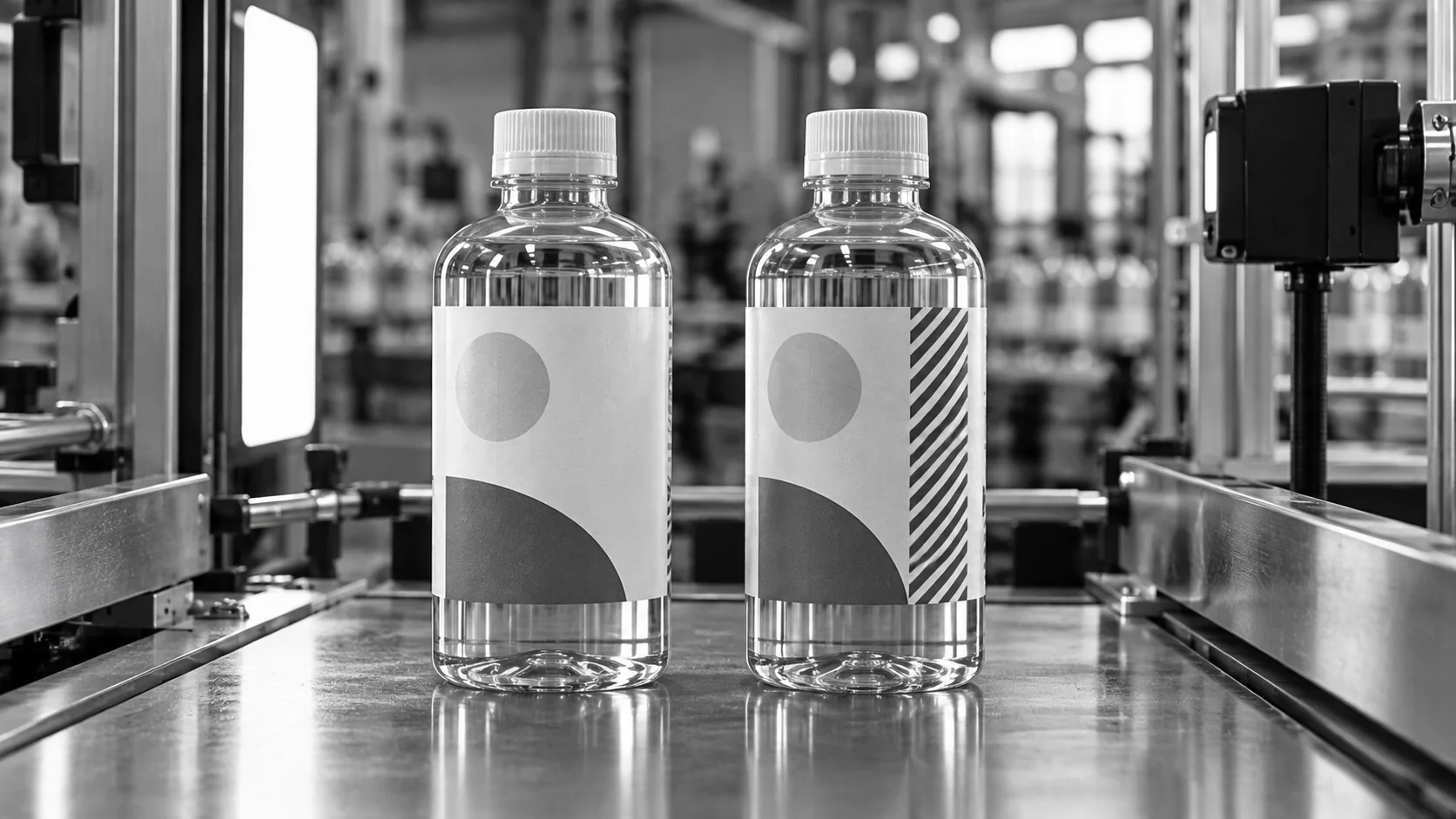
Conceptual illustration of similar bottles with visibly different geometric label artwork.
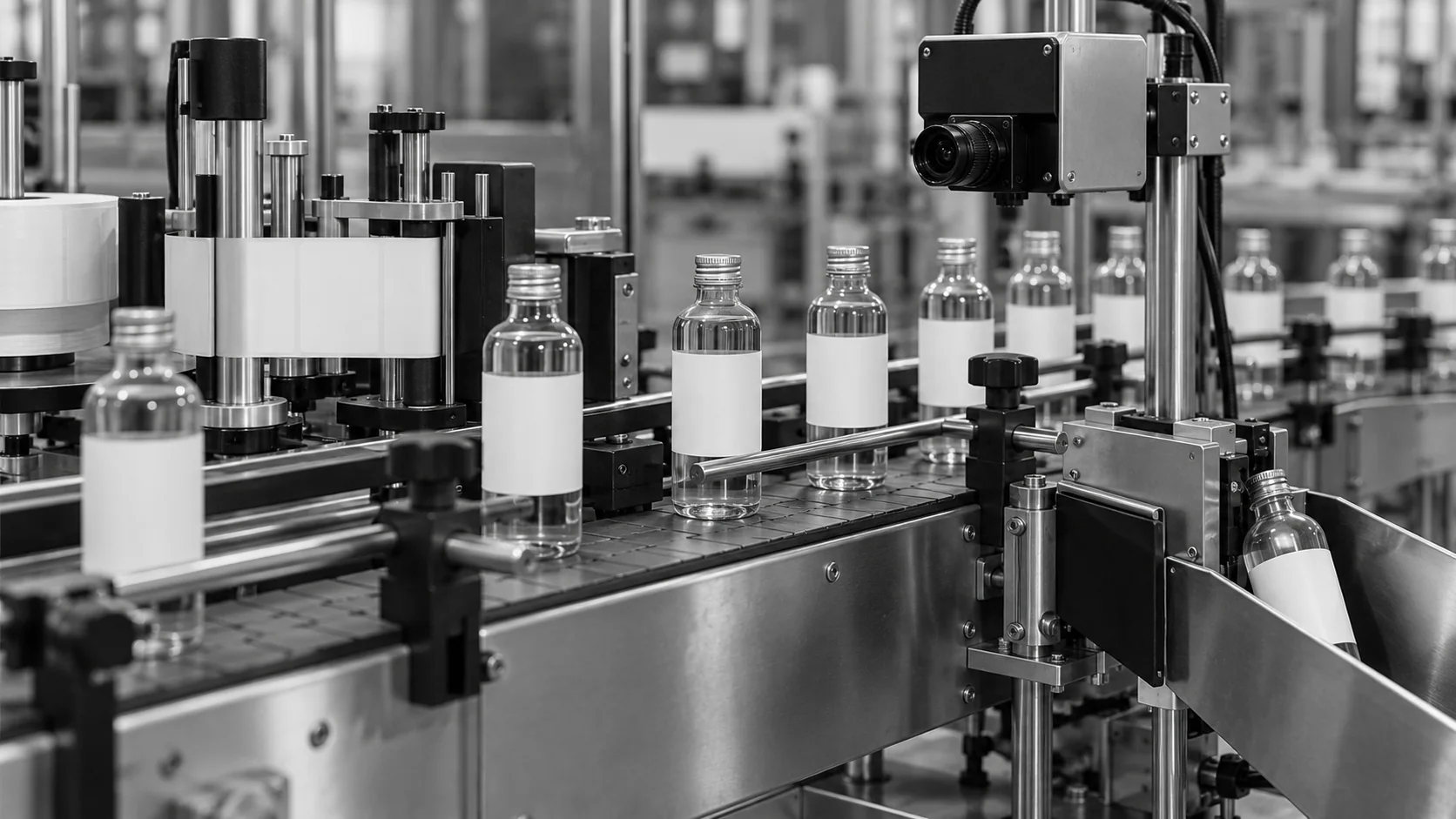
Conceptual illustration of labelled bottles beside an inspection camera and a side collection chute.

Stop Mix-Ups Before Cases Are Packed

  • Reject or hold any pack with the wrong label
  • Stop the line after repeated failures at changeover
  • Store every result with its label image for audits
  • Show which roll, shift or product caused the failure
Every label
Verified at line speed
Audit trail
Image for every decision
HOW IT WORKS

See KOMPASS Inspect Labels and Read Their Text

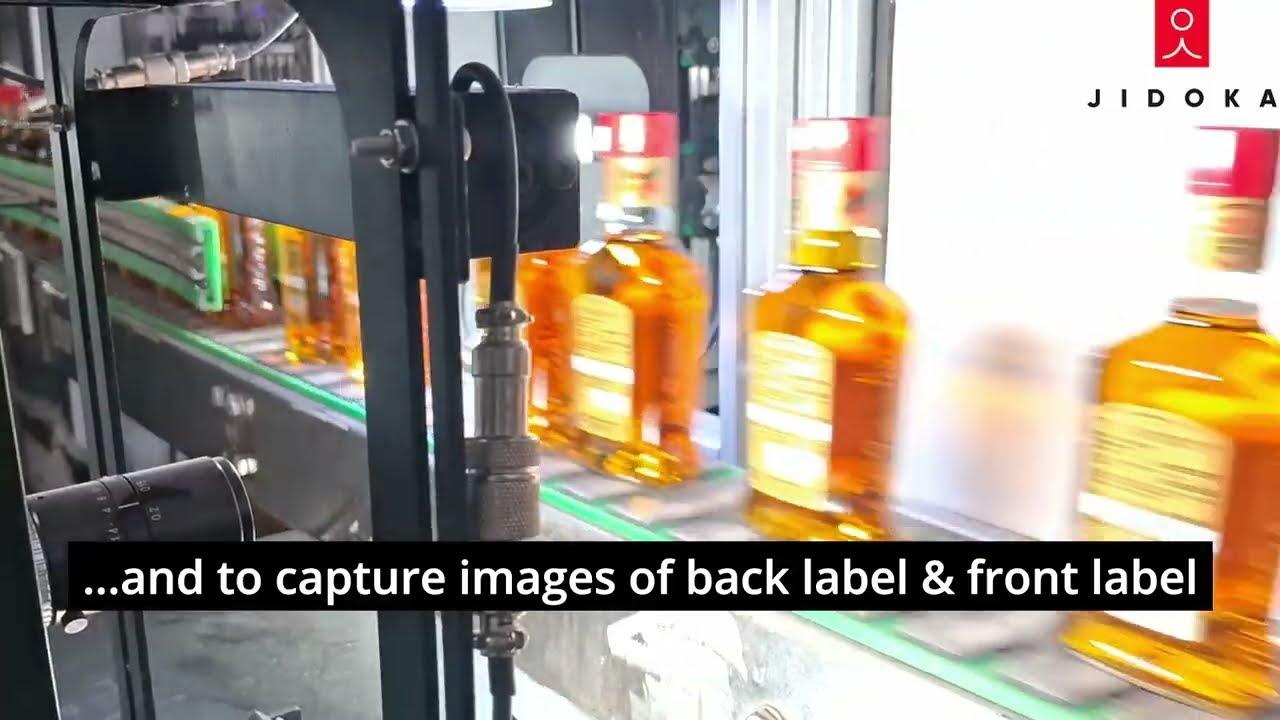
Jidoka's labelled-bottle demonstration shows custom AI models detecting label defects and reading printed text and artwork with OCR and OCV, so each label is checked for application quality and for compliance with legal and marketing content.

Official video frame showing cameras capturing front and back labels on moving bottles
Labelled-bottle application: the footage checks label defects, printed text and compliance fields. The checks must be configured for each product.
Highlight #1

Load the Approved Label for the Order

The expected artwork, text and codes for the running product come from the work order or recipe, so changeovers update the check.

Highlight #2

Read and Recognise Each Label

The model reads text and codes and recognises artwork on every label, then compares them with the approved version.

Highlight #3

Reject and Record

Wrong or incomplete labels are rejected or held, and each result is stored with its image for audits and investigations.

Connect With Us

Send us your label variants, the content that must be checked and how orders change on the line. We will assess the imaging and data link your label verification needs.

Get In Touch

What Changes When Every Label Is Verified Against Its Artwork?

Each method needs a clear view of the label. The difference is how much label verification each one performs, and whether it knows which label should be there.

Inspection need
Manual inspection
Traditional machine vision
KOMPASS AI
Sister-product mix-ups
Easy to miss at speed
Caught if the template is switched correctly
Checked against the active order on every pack
Small statements
Rarely read in full
Works with fixed fonts and layouts
Reads allergen and regulatory text
Barcode check
Scanned at intervals
Decoded, content often unchecked
Decoded and matched to the product
First-Time-Right
Depends on attention at changeover
Stable while templates are managed
Stops wrong labels before cases are packed
CUSTOMER SUCCESS

Diageo Confirms Label Content at 300 Bottles per Minute

Diageo uses KOMPASS on Tigris vision hardware to check that label text, logos and orientation are right on every bottle at line speed.

Official Jidoka case-study cover for Diageo labelled-bottle inspection
Diageo Confirms Label Content at 300 Bottles per Minute
FMCG

Diageo's published results cover text, orientation and label defects across its labelled-bottle inspection, which includes the label verification described here.

  • 99%+ accuracy in detecting label defects and text errors
  • Every bottle verified in-process at 300 bottles per minute

Frequently Asked Questions

Is label verification different from label inspection?

Yes. Label inspection looks for physical faults such as smears, wrinkles or a misplaced label. Label verification confirms the content is right: the product name, variant, allergen statement, regulatory text, barcode content and the artwork itself, compared with the approved artwork for the product being run. A label fails if any element is missing, wrong or belongs to another product, even when it is perfectly applied. Each element can have its own rule, so a minor print variation does not fail a correct label.

How does it know which label should be on the line?

The expected label comes from the production order, a recipe on the line controller or your manufacturing system. When the order changes, the reference changes with it. That removes the risk of an operator forgetting to switch an inspection template, which is one of the ways label mix-ups get through a line that already has a camera. Where no data link exists yet, a supervisor confirms the reference at the start of each run.

Why is a barcode scan not enough?

A scanner confirms that a barcode can be read. It does not confirm the barcode belongs to the product in the pack unless the decoded value is compared with the order. Even then, a label can carry the right barcode with the wrong product name or allergen line. Checking the decoded value alongside text and artwork closes that gap. Together, those checks confirm the label is right for the product inside.

Can it catch outdated labels?

Yes, when versions differ visibly or in their text. A changed regulatory statement, new logo or revised layout is part of what the model learns for the current artwork version. Old labels that remain in the warehouse after a redesign is a common source of errors, and it fails the check once the new version is the reference. Keeping one approved reference per variant also makes artwork changes easier to control.

Where do these errors usually start?

Most begin at a roll changeover. The wrong roll of label stock is loaded, a partly used roll from the previous order stays on the applicator, or a few labels remain on the backing paper. A wrong label at the start of a run can be repeated on every pack until someone notices, so the first packs after a product switch deserve the closest check.

Does it check label position and print quality too?

It can report gross problems such as a missing or badly misplaced label. Detailed placement, skew, wrinkles and print defects are covered by the packaging and label inspection use cases, and they can share a station with content checks. Combining them avoids adding another camera when one view can serve several checks. One camera can often serve both jobs where the label is clearly in view.

Which industries need this most?

Food, beverage, pharmaceutical, medical device and personal care manufacturers carry the highest risk, because a wrong allergen line, dose or regulatory claim can trigger a recall. Artwork verification is also valuable wherever many variants share similar packaging, such as flavours, strengths or market-specific labels on one line. Contract packers running many brands on shared lines face the same risk every day.

What do you need to set up artwork checks on our line?

Send examples of each label variant, including near-identical ones, the elements that must be checked and how orders and changeovers are managed today. Add the line speed and where a reject can happen. With that, we can assess camera placement, the order data link and training for label content verification on your line. Near-identical variants are the most useful samples, because they set how fine the distinction must be.

CONNECT WITH OUR EXPERTS

Show Us the Label Mix-Up You Want to Prevent

Share your label variants, critical content, order data and line speed. We will scope label verification for your line and set out timing and cost. Most KOMPASS projects are live within 6 to 8 weeks.

Discuss Your Label Check
Close video