




VERIFIZIERUNG DES MONTAGEPROZESSES

KI-gestützte Montageüberwachung für korrekte Abläufe und Montagesequenzen

NAGARE AI bringt Montageüberwachung auf die Kameras, die bereits an Ihrer Linie installiert sind. Es prüft Komponenten, Bedieneraktionen und Montagesequenzen in Echtzeit, markiert übersprungene Schritte, solange diese noch korrigiert werden können, und speichert Videobeweise für jeden Zyklus. Datenschutz steht an erster Stelle: Es werden keine Gesichtserkennung oder Identitätsverfolgung eingesetzt – nur das Bauteil und der Prozess.

Kontakt aufnehmen

Hersteller vertrauen auf uns, um die Qualität in der Fertigung zu steigern

DAS PROBLEM

Eine fertige Montage verrät nicht, wie jeder einzelne Schritt ausgeführt wurde

Eine Abdeckung kann einen vergessenen Befestigungsvorgang verbergen. Eine wiederholte Aktion kann den Montageablauf stören. Eine Checkliste kann einen Haken zeigen, ohne zu belegen, was tatsächlich geschehen ist. Wenn Prüfungen erst am Ende stattfinden, haben sich Prozessfehler bereits weiter im Ablauf fortgesetzt.

Schritte werden übersprungen oder wiederholt

Ein ausgelassener Arbeitsschritt, ein doppelter Vorgang oder eine falsche Reihenfolge können dazu führen, dass eine Montage unvollständig ist, auch wenn das fertige Produkt korrekt aussieht.

Korrekturen kommen zu spät

Bis ein Fehler die Endkontrolle erreicht, ist die betroffene Stelle möglicherweise bereits verdeckt, sodass die Einheit geöffnet, nachbearbeitet und erneut geprüft werden muss.

Das Protokoll zeigt ein Ergebnis, nicht die Arbeit

Eine Abzeichnung bestätigt lediglich, dass ein Kästchen angehakt wurde. Ohne Nachweis der Ausführung müssen Qualitätsteams mühsam rekonstruieren, welcher Arbeitsschritt wann fehlerhaft war.
Die Lösung

Montageprozess während der Arbeit verifizieren

NAGARE AI prüft sichtbare Komponenten, Bedieneraktionen und die Einhaltung der Reihenfolge anhand Ihres definierten Workflows. Es verknüpft das, was die Kamera sieht, mit den Anforderungen des Prozesses, sodass die Linie auf Abweichungen reagieren kann, während der Montagevorgang noch läuft.

Überprüfung der Aktion in Verbindung mit der Komponente

  • Bestätigen, dass die erwartete sichtbare Komponente in den Vorgang einbezogen ist
  • Überprüfen, ob die erforderliche Handhabung, Platzierung oder Befestigung erfolgt
  • Manuelle und teilautomatisierte Arbeitsschritte gemäß der genehmigten Methode verfolgen
  • Melden Sie eine Abweichung, solange sich die Einheit noch an der Station befindet
Komponenten + Aktionen
gemeinsam geprüft
An der Station
wo Korrekturen noch möglich sind
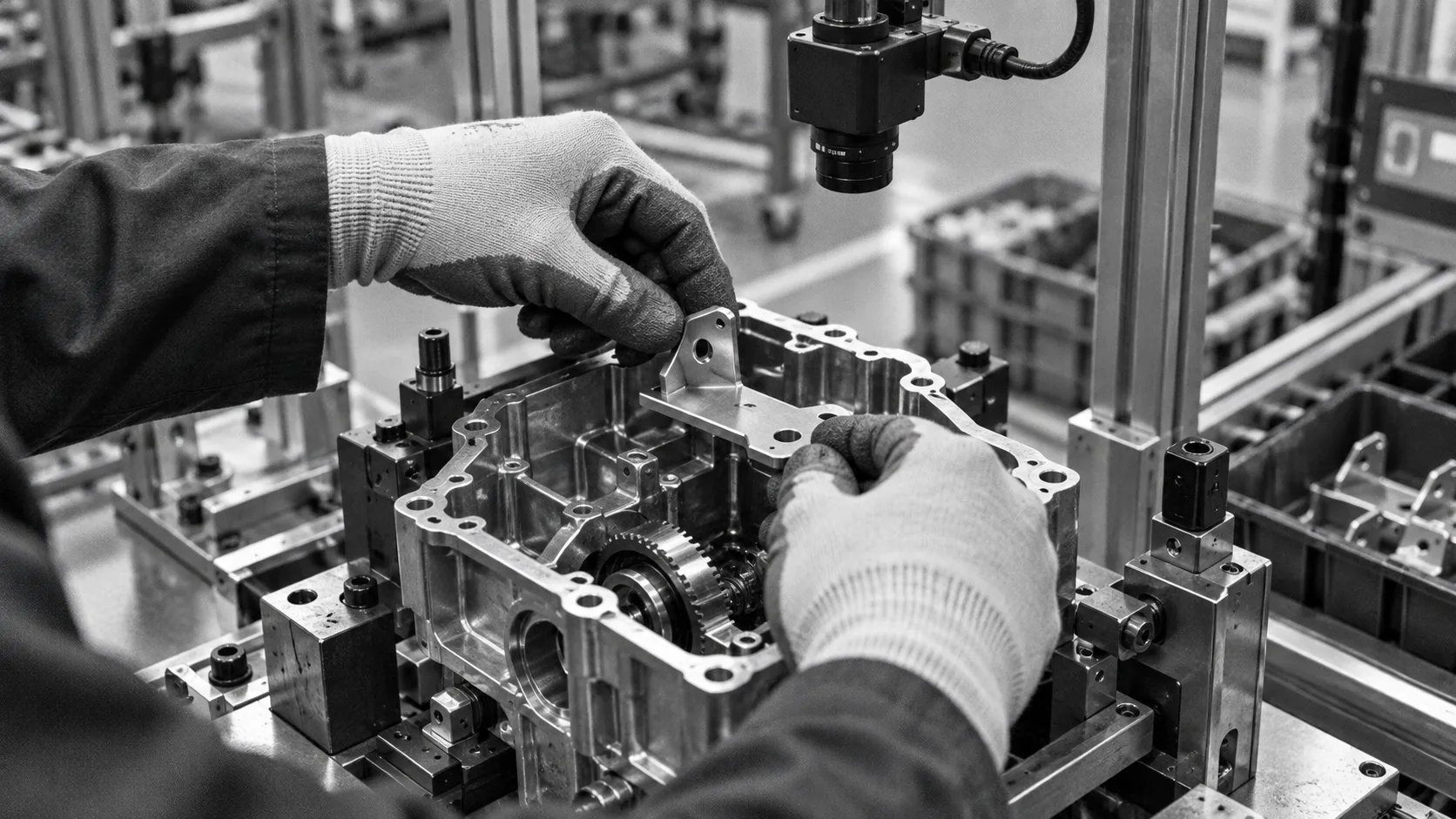
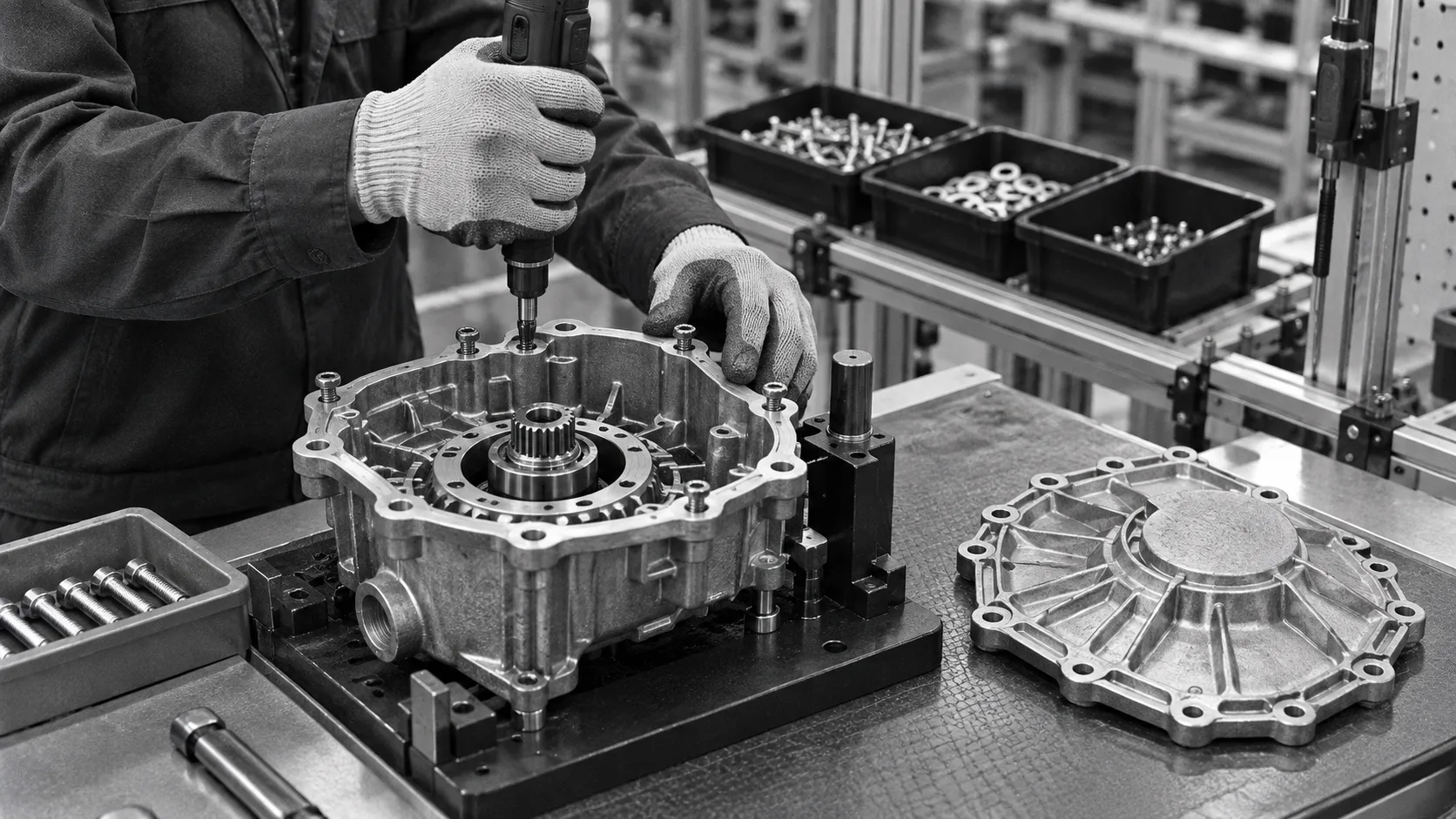
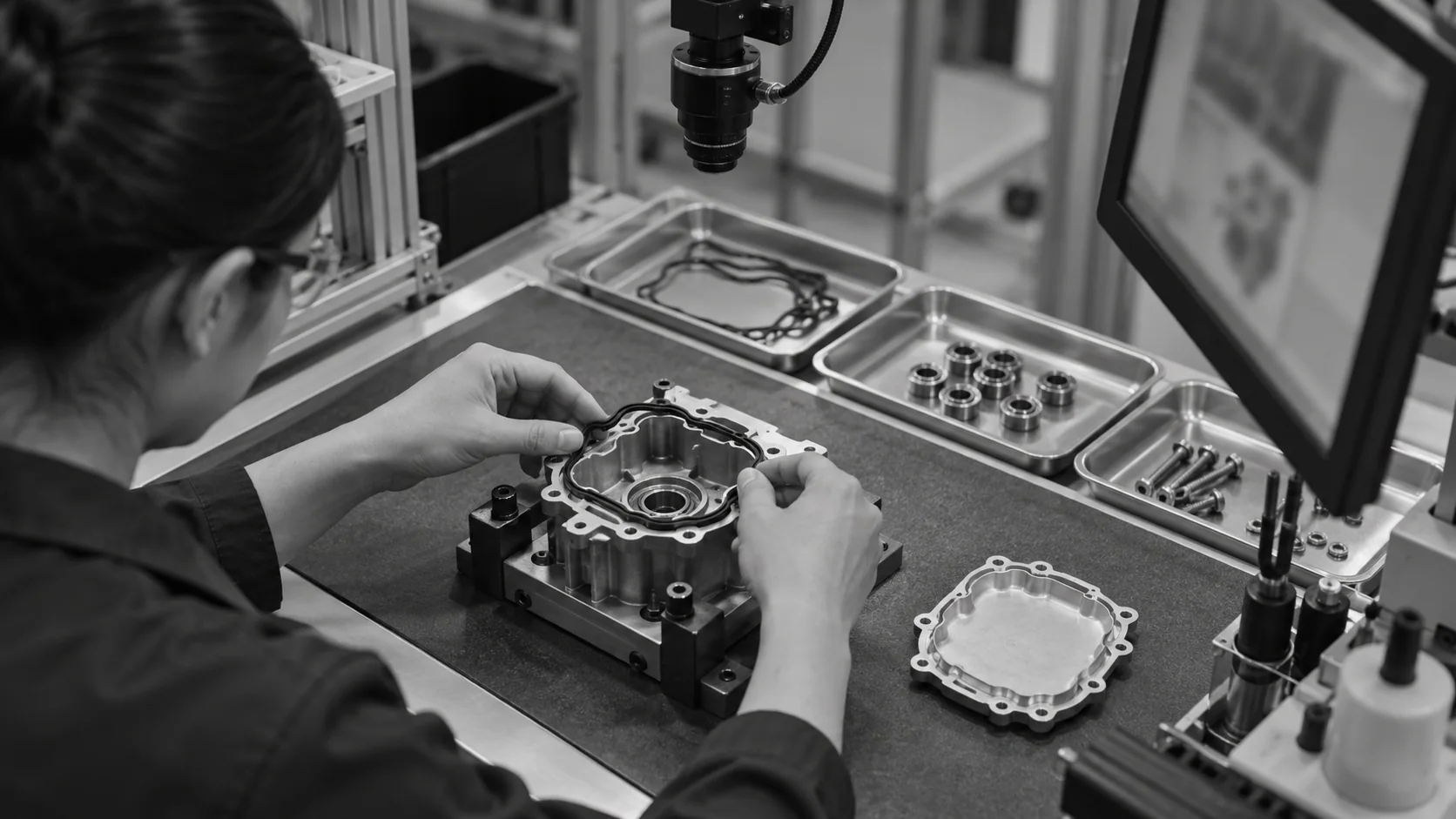
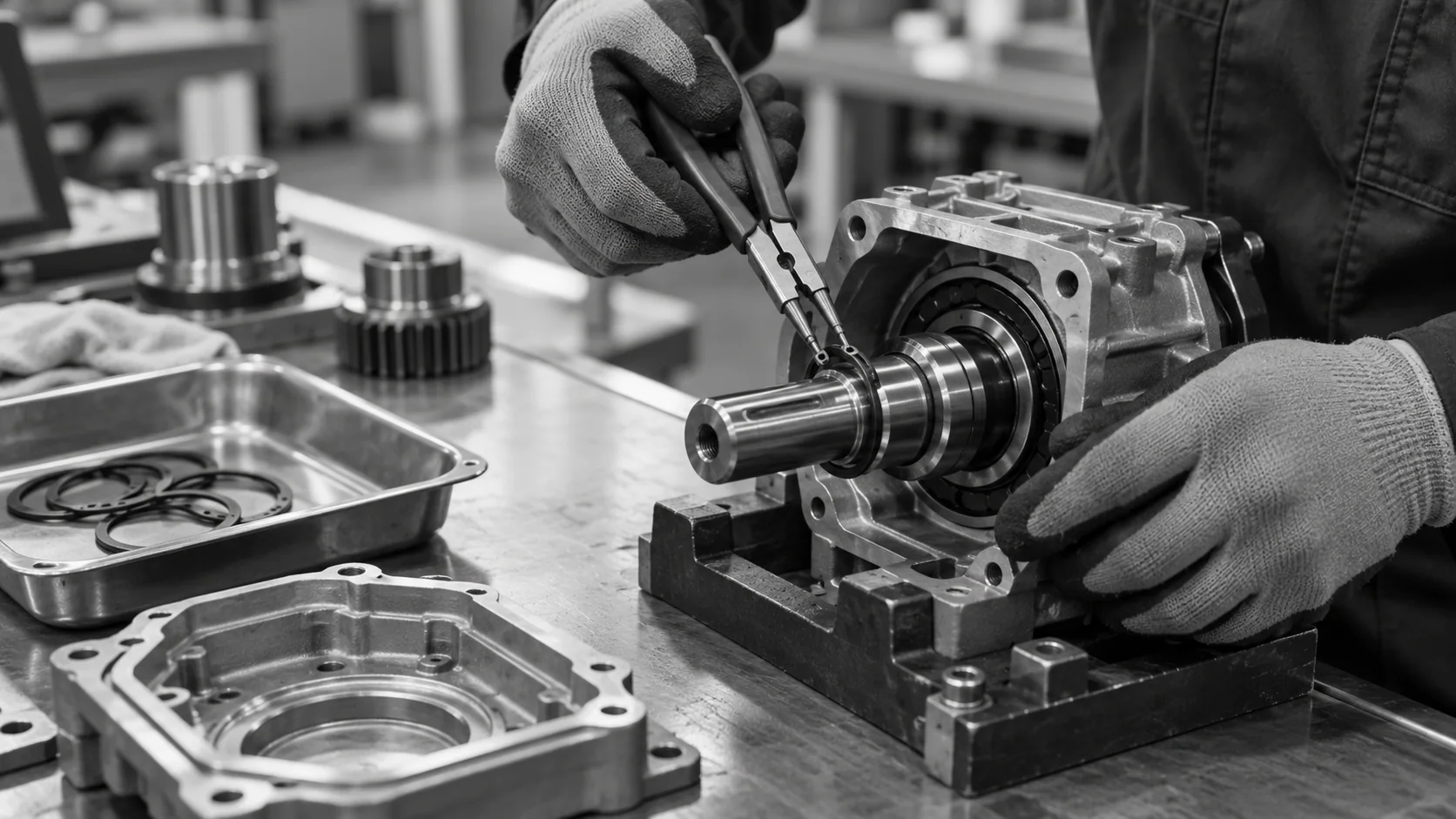
Monochrome Illustration eines Bedieners mit Handschuhen, der eine Halterung in einer Montagevorrichtung unter einer Stationskamera positioniert
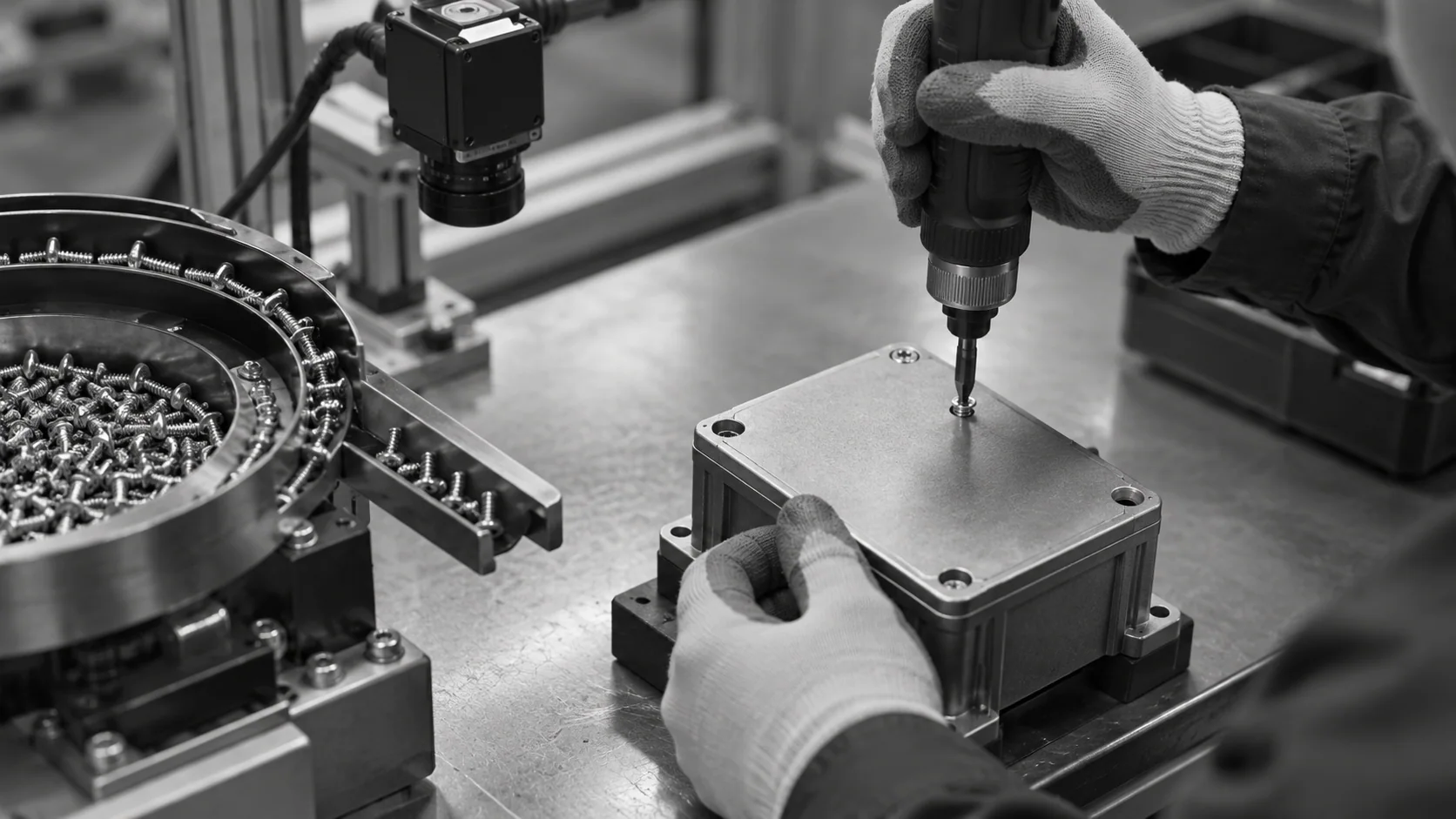
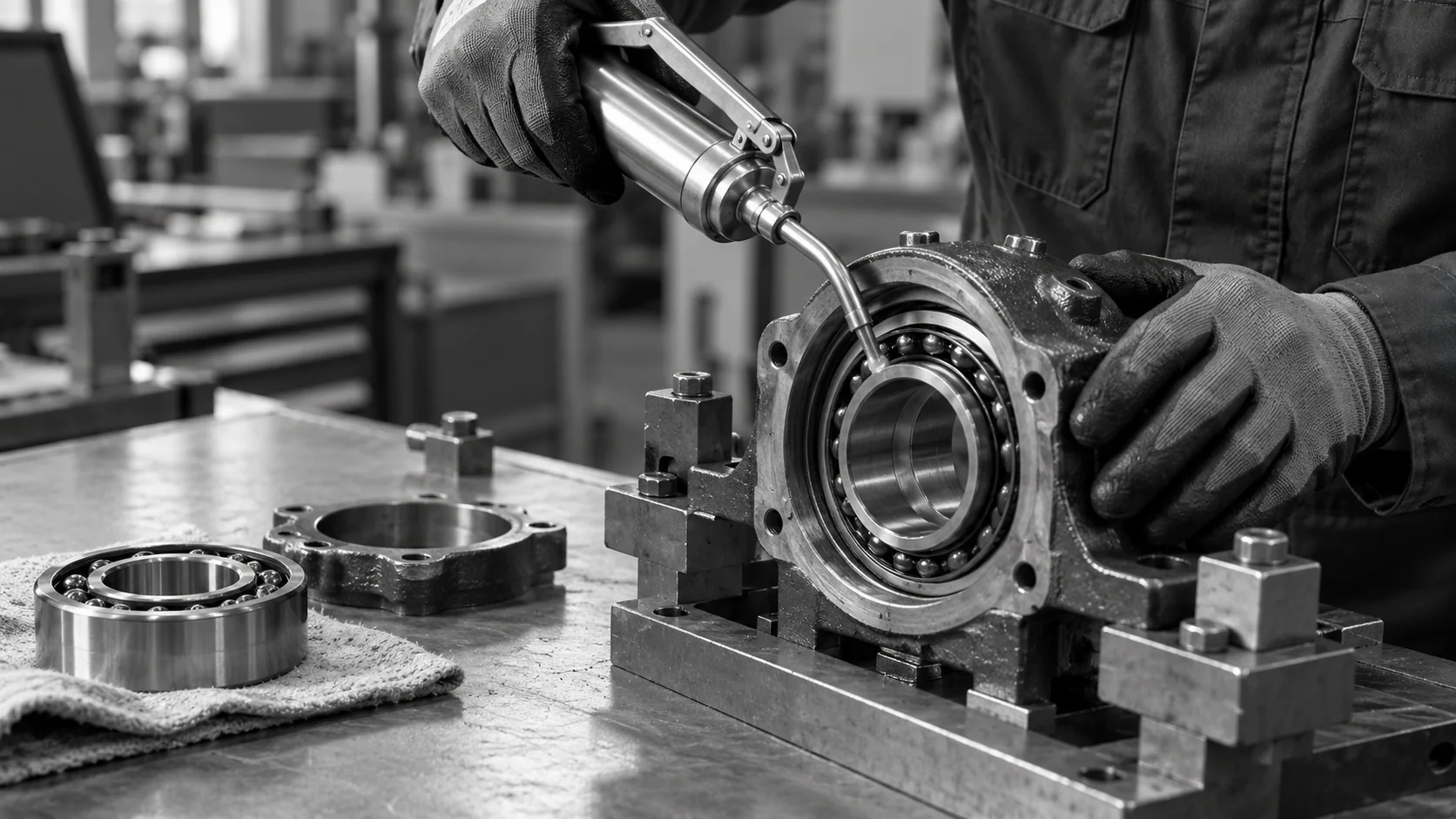
Monochrome Illustration eines Schraubvorgangs an einem offenen Gehäuse, bevor der Deckel montiert wird

Erkennen Sie übersprungene Schritte und Sequenzfehler

  • Vergleichen Sie die beobachteten Arbeitsschritte mit der erforderlichen Montagesequenz
  • Markieren Sie einen ausgelassenen Schritt oder eine unerwartete Wiederholung im Arbeitsablauf
  • Stellen Sie sicher, dass abhängige Arbeitsschritte in der richtigen Reihenfolge erfolgen
  • Fordern Sie eine Korrektur an oder eskalieren Sie eine Abweichung über die konfigurierte Reaktion
Sequenzbewusst
Prüfungen während des Montagevorgangs
Definierte Reaktionen
bei Prozessabweichungen

Behalten Sie Nachweise über den Ablauf jedes Zyklus

  • Bewahren Sie Videobeweise des überwachten Montagezyklus auf
  • Überprüfen Sie die Arbeit hinter einer Prozessabweichung oder einem Qualitätsproblem
  • Nutzen Sie wiederkehrende Fehlermuster zur Verbesserung von Methoden und Mitarbeiterschulungen
  • Behalten Sie die Videoverarbeitung mit einem Edge-Deployment lokal bei
Cycle-level evidence
for quality reviews
On-premises
video processing
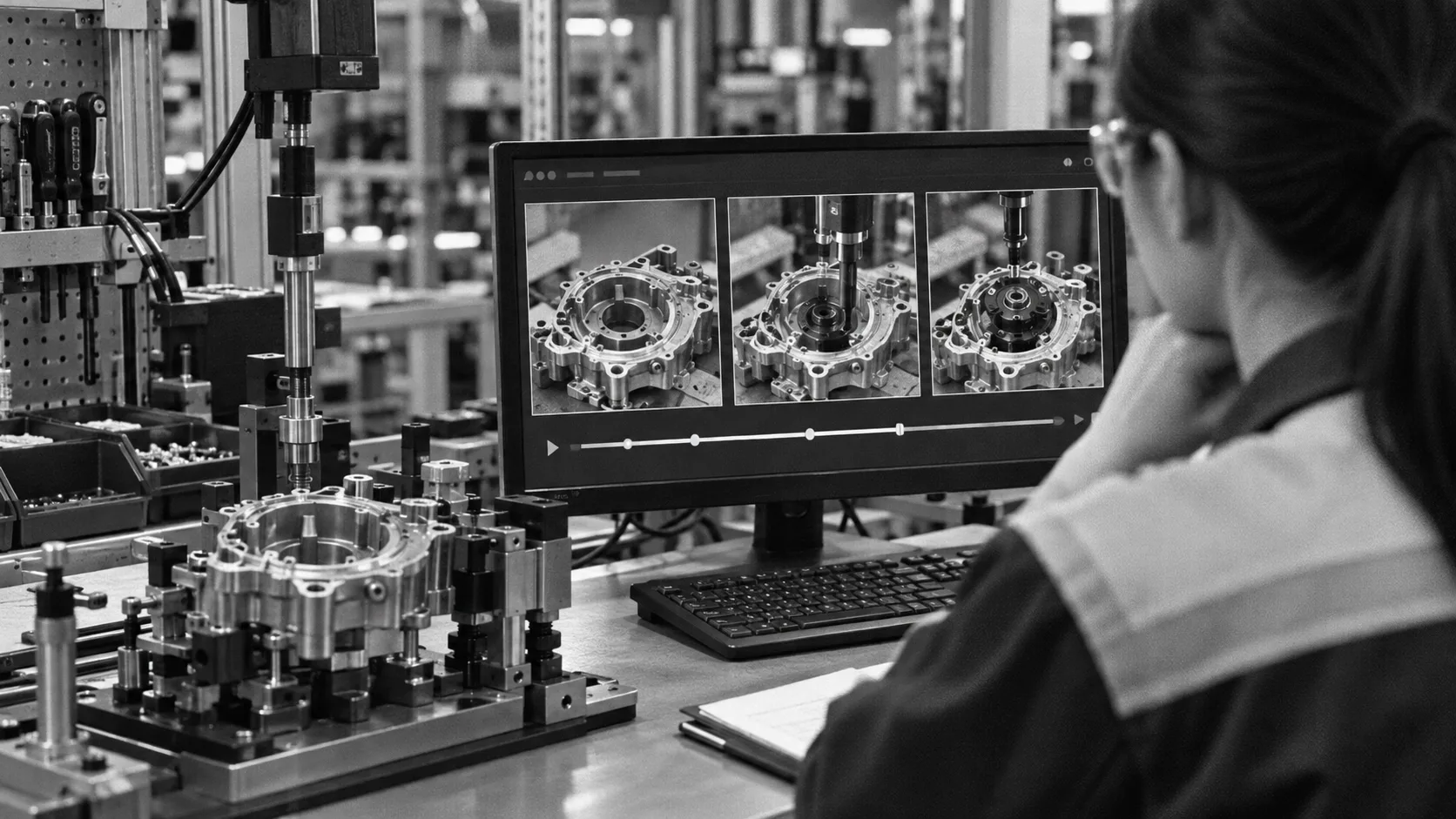
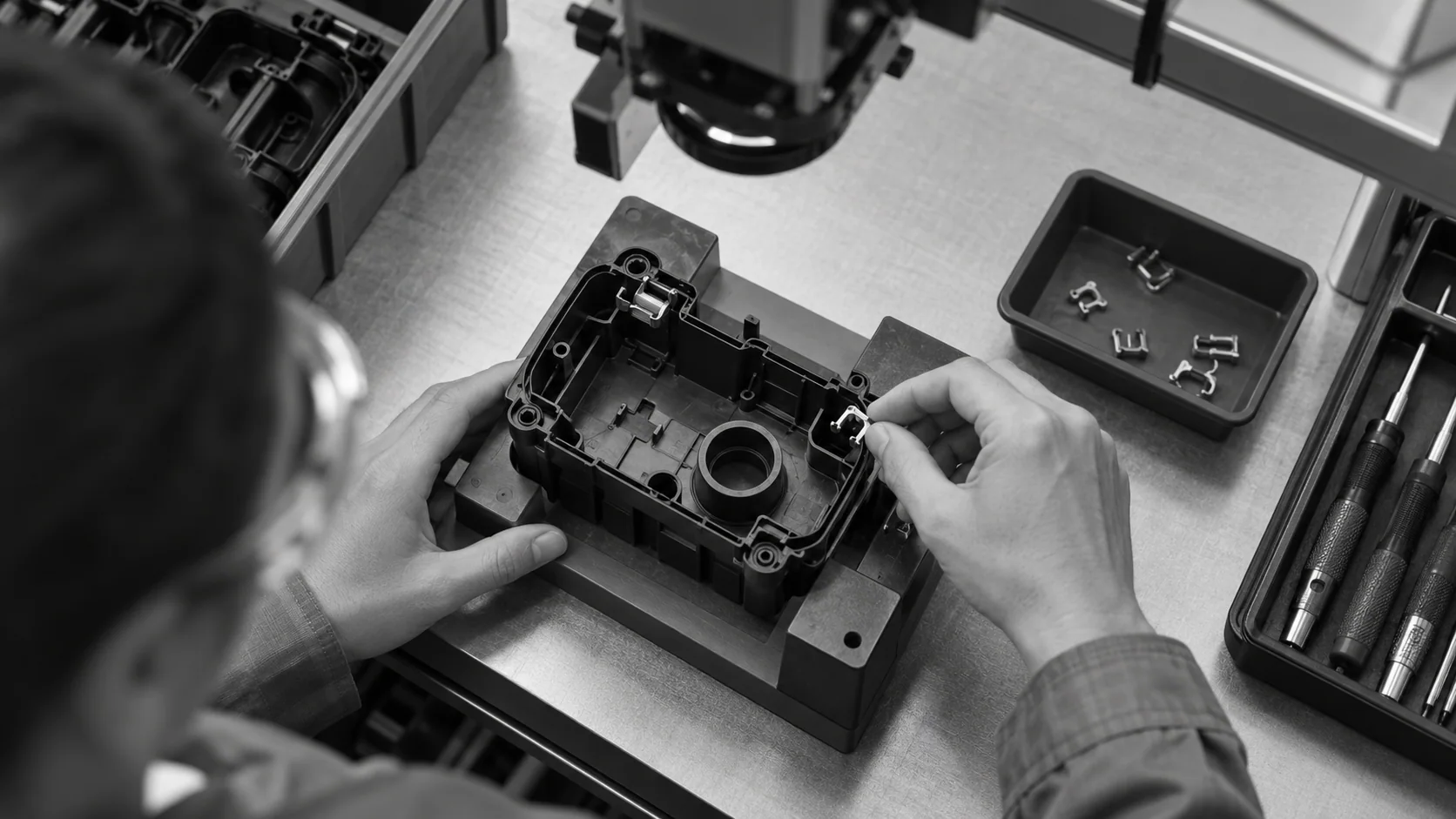
Monochrome illustration of a quality engineer reviewing video frames from an assembly cycle
DEPLOYMENT

Bring Verification to the Line You Already Run

Start with your existing station cameras and the workflow your team follows today. Confirm visibility, train on your process and validate the checks on the line before putting them into operation.

STEP 01

Line Audit & Camera Mapping

We review the assembly sequence, identify critical operations and check whether your cameras can see the components and actions that need verification.

STEP 02

Model Training on Your Process

The model trains on your actual assembly work and product variants. NAGARE’s training requirement is 120 minutes of footage, with capture planned around the operations in scope.

STEP 03

Go Live, Verified

We validate the checks alongside your current process before rollout. NAGARE’s deployment benchmark is 4 weeks, with ROI payback in 6–12 months. Line scope and integration needs are confirmed during the audit.

Connect with us

Bring your assembly sequence and the mistakes you want to catch earlier. We will map the verification points on your line.

Get In Touch
35%Rework reduction
20%Reduction in process time
+15%Yield increase
30%Reduction in downtime

Platform benchmarks; outcomes depend on the application, baseline and deployment scope.

What Changes When You Add NAGARE

A process check needs to answer more than whether the finished assembly looks correct. It needs to show which operations happened, in what order, and where the line should respond to a deviation.

Dimension
Manual checks and sign-offs
Conventional inspection at a fixed checkpoint
NAGARE
What is checked
What the operator or inspector observes and records
Visible product condition at the inspection point
Visible components, operator actions and sequence adherence
When deviations surface
During observation or a later inspection
When the unit reaches the configured checkpoint
During the monitored operation or sequence
Skipped or repeated steps
Depend on observation and record accuracy
May leave no visible difference in the final image
Checked against the defined workflow
Evidence for review
Checklists and recorded observations
Images and inspection results, where configured
Video evidence of the monitored cycle
Corrective response
Depends on the person noticing and acting
Reject, alarm or hold, where configured
Prompts or escalation through the configured process response
Setup requirements
Clear instructions, training and supervision
Suitable imaging, fixtures and inspection rules
Camera coverage, process training and validated workflow checks

Frequently Asked Questions

Assembly process verification checks whether the required operations happened correctly and in the approved order while a product was being built. NAGARE compares visible components and operator actions with the defined workflow. It helps teams identify deviations at the station, where they can correct the process before the affected unit moves further downstream.

An assembly process is the series of operations used to join components into a finished product or subassembly. It can include positioning, inserting, fastening and checking parts. Standard work defines how those operations should be performed. Verification checks execution against that definition, rather than assuming a completed product means every required operation happened correctly.

Effective assembly monitoring starts with a defined workflow, clear acceptance rules and a camera view of each critical action. NAGARE analyses station video against those rules and flags deviations. During setup, engineers check lighting, component visibility and operator movement. Steps hidden behind hands, fixtures or enclosures may need a different view or another verification method.

An assembly sequence is the approved order for completing the operations in a build. Some steps depend on earlier work, such as fastening a part before fitting its cover. Assembly sequence verification checks those dependencies during execution. It helps distinguish an acceptable variation from an operation performed too early, too late or out of order.

Start with clear, current instructions and measurable acceptance criteria for each critical step. Train operators, observe execution and make deviations actionable at the station. NAGARE supports SOP adherence by checking visible work against the approved workflow. It complements supervision and training; documented procedures still need process ownership, version control and updates when the method changes. An SOP describes the procedure; detailed work instructions help an operator carry out a particular task consistently.

Yes, where the required actions are visible and the workflow has been configured to recognise them. Missing operation detection checks for absent steps, while sequence rules can identify unexpected repetition. Cycle completion verification checks whether the required sequence reached its defined endpoint. Ambiguous footage needs review; an unseen action should not automatically be treated as completed.

A camera can support fastening verification by checking whether a visible screwdriving action occurred at the expected point in the sequence. It cannot establish the torque or angle achieved inside the joint from appearance alone. Those measurements require suitable tool or sensor data. Scope any connection between that data and the video record with the engineering team.

Digital traceability connects production records so teams can investigate how a unit was made. Video traceability adds footage of the work, helping quality teams review the relevant cycle and understand a deviation. NAGARE retains process evidence on premises. Its privacy-first design uses no facial recognition or identity tracking; verification focuses only on the part and the process. Product identifiers, retention periods, access permissions and links to existing production systems should be defined during deployment. Agree who can review footage and how long records remain available for investigation.

Assembly verification can refer to checking the finished assembly or checking the operations that produced it. NAGARE addresses the process: actions, sequence and execution evidence. KOMPASS’s Assembled Component Verification addresses the product: whether the assembled components meet the defined inspection criteria. The two approaches can complement each other, but they answer different quality questions.

NAGARE supports manual and semi-automated operations where cameras can observe the relevant components and actions. Assembly process monitoring can cover a single station or a defined sequence of stations, depending on scope. Suitability depends on the actual workflow, camera coverage and required decisions. Validate each product variant and critical step before extending the system across lines.

First time right manufacturing means completing work correctly without needing rework or correction. Assembly error prevention supports that goal by identifying process deviations while correction is still possible. NAGARE helps teams respond to missed actions and sequence errors during the build. Results depend on the process, the checks configured and how the line responds to alerts. Measure improvement against your own rework, defect and process completion baseline before expanding deployment.

VERNETZEN SIE SICH MIT UNSEREN EXPERTEN

Maximieren Sie Qualität und Produktivität mit unserem visuellen Inspektionssystem für Fertigung und Logistik.

Nehmen Sie Kontakt auf