%20How%20Does%20Assembly%20Verification%20in%202025%20Looks%20Like_.jpg)
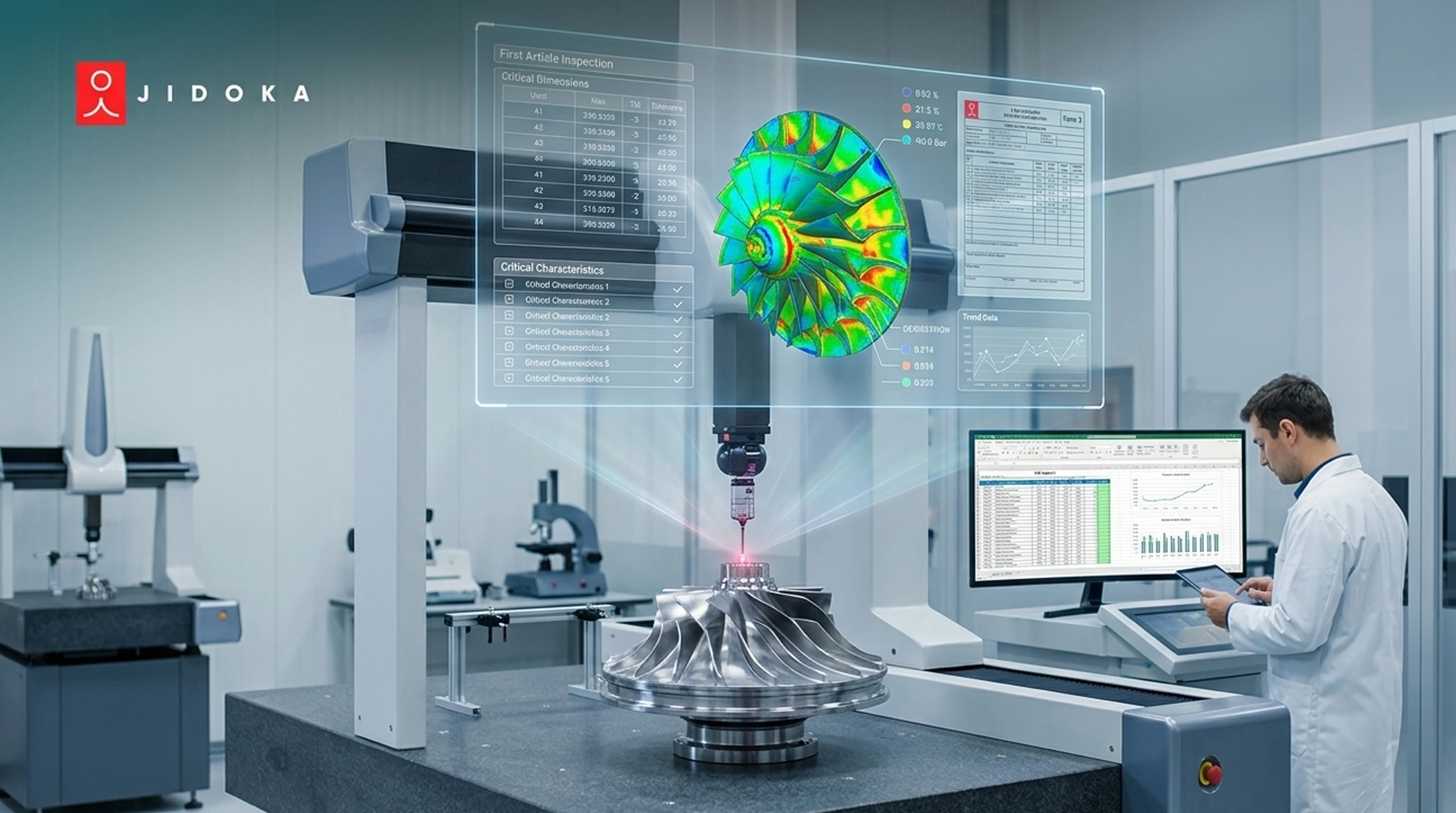
複雑なエンジンブロックの検査には、かつて人の目で60秒近くかかっていました。現在、自律型AIは同じ組立検査をわずか 2.2秒で完了します。この劇的なスピードアップが市場の成長を牽引しており、製造現場では「ゼロ欠陥」生産が求められています。
組立検査は、複雑なコーディングを必要とする従来の固定的なマシンビジョンシステムの時代を終えました。2025年の標準は、わずか5枚の画像から学習するAIです。本ガイドでは、3D技術とエッジAIを活用して自動部品検査がいかにエラーを排除するかを解説します。最新の組立検査が、いかにコストを30分の1に削減し、ラインのスピードを向上させるかをご覧ください。
この変革を推進する実際の技術を見ていきましょう。
2025年:手動検査とAI組立検査の比較
これまで工場は、ミスを検出するために人の目や基本的なセンサーに頼ってきました。しかし、その手法は高速ラインにおいてボトルネックとなります。今必要なのは、単なる画素情報ではなく、文脈を理解するシステムです。
1. 従来の手法:
受動的かつ硬直的。人の目に頼る検査は信頼性に欠けます。疲労はすぐに蓄積し、研究によれば、反復的な検査をわずか2時間続けるだけで、人の精度は85%まで低下することがわかっています。
従来のマシンビジョンシステムは多少の改善をもたらしましたが、新たな問題も生じました。部品が変わるたびに厳密なプログラミングが必要だったのです。部品がわずか2mmずれるだけでコードが機能しなくなり、ラインが停止してしまいました。
2. 新しい手法:
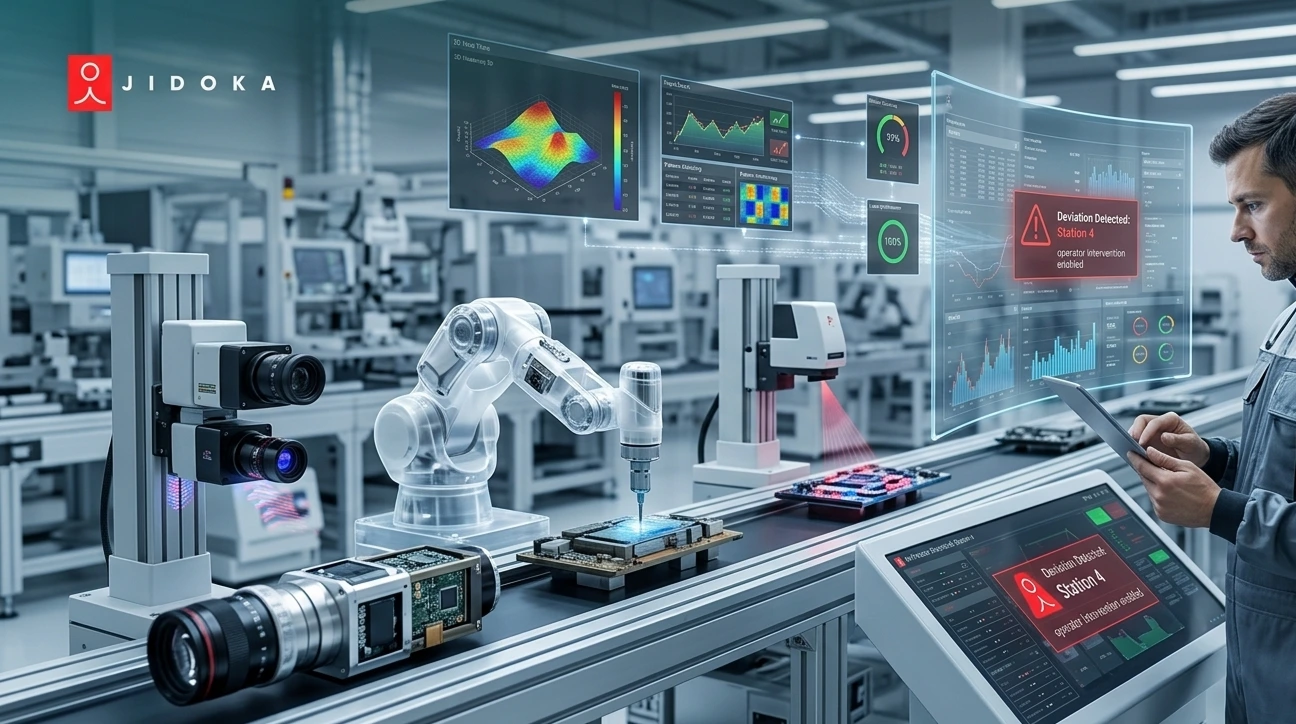
能動的かつ自律的。2025年の自動部品検査は能動的に機能します。システムがプロセスの傾向を監視し、接着剤の圧力低下のような異常の兆候を欠陥が発生する前に検知します。また、複数のチェックを同時に処理することも可能です。
最新のAIは部品の有無の確認、向き、順序を1フレームで検証します。もう、スピードと精度のどちらかを選ぶ必要はありません。
主要統計: AIを活用した組立検査は、廃棄や誤判定を排除することで、手動検査と比較してコストを30分の1に削減します。
この飛躍的な性能向上は、特定のハードウェアとソフトウェアのアップグレードによるものです。これを可能にする3つのコア技術を見ていきましょう。
変革を推進するコア技術
2025年のシステムがなぜ従来より優れているのか、その理由はコードの細部を理解しなくても明らかです。3つの特定の進歩が、組立検査をボトルネックから生産性向上の原動力へと変貌させました。
1. ディープラーニングと転移学習
かつての最大の障壁は「ビッグデータ」でした。モデルの学習には数千枚もの欠陥画像が必要でしたが、工場でそれほど多くの不良品を確保することは困難だったからです。 転移学習 がこれを変えました。
数百万枚の産業用画像で事前学習されたモデルを活用することで、システムはわずか 95%以上 の精度を、たった5枚のサンプル画像で実現します。この「スモールデータ」アプローチにより、自動化された部品検証は、数ヶ月ではなく数分で新しいバリエーションに対応できるようになりました。
2. 3Dビジョン統合
従来の2Dカメラでは、黒いハウジングに黒いコネクタが完全にはまりきっていないといった、奥行きに関わる問題を見逃すことがありました。最新のセットアップでは、LiDARやステレオスコピック3Dカメラを使用してZ軸を検証します。
この技術は、「そこにあるか」だけでなく「正しく取り付けられているか」という重要な問いに答えます。これにより、スナップフィットのような複雑な形状であっても、正確な部品の有無の検証が可能になります。
3. エッジAI処理
高解像度の映像をクラウドに送信すると遅延が発生します。これでは毎分12,000個の部品を処理するラインには対応できません。エッジAIは機械側でデータをローカル処理するため、遅延を10ミリ秒以下に抑えることができます。
このスピードにより、 組立検証用マシンビジョンシステム は、コンベアを止めることなく、瞬時に不良品を排除できるようになります。
| Technology | Mechanism | 2025 Advantage |
|---|---|---|
| Deep Learning and Transfer Learning | Uses pre trained industrial models that adapt with small datasets, even five samples | Rapid setup with over 95 percent accuracy for component verification without long training cycles |
| 3D Vision Integration (LiDAR) | Captures depth and volume to confirm parts are fully seated and structurally correct | Overcomes 2D system limits by verifying presence and structural integrity in assembly |
| Edge AI Processing | Processes data directly on machine hardware instead of cloud based systems | Reduces latency to under 10 ms for reject triggers on fast conveyors exceeding twelve thousand ppm |
これらの技術は、厳しい基準が求められる製造現場を再構築しています。では、どのような分野で最も大きな影響を与えているのかを見ていきましょう。
業界別:組立検証の活用事例
業界ごとに直面する品質課題は異なります。組立検証は、それぞれの安全規制や小型化のトレンドに合わせて適応します。
1. 自動車産業
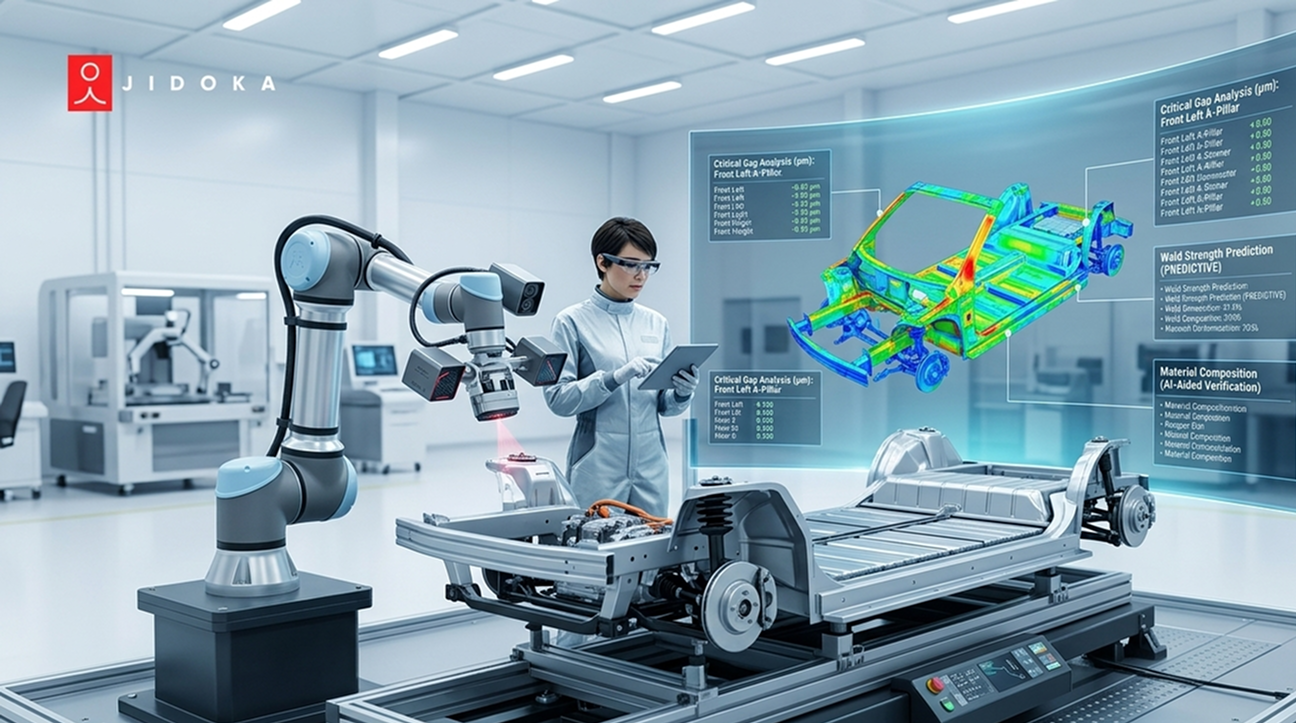
自動車メーカーは組立検証を活用しています 安全性が極めて重要な部品のために。カメラがブレーキキャリパー、EVバッテリーモジュール、エンジンブロックを検査します。AIがロッククリップの噛み合わせや、サーマルペーストの塗布量が適切かどうかを確認します。ティア1サプライヤーは、 40% の欠陥削減を報告しています。これにより、部品の欠落に関連する保証請求を排除できます。
2. 電子機器
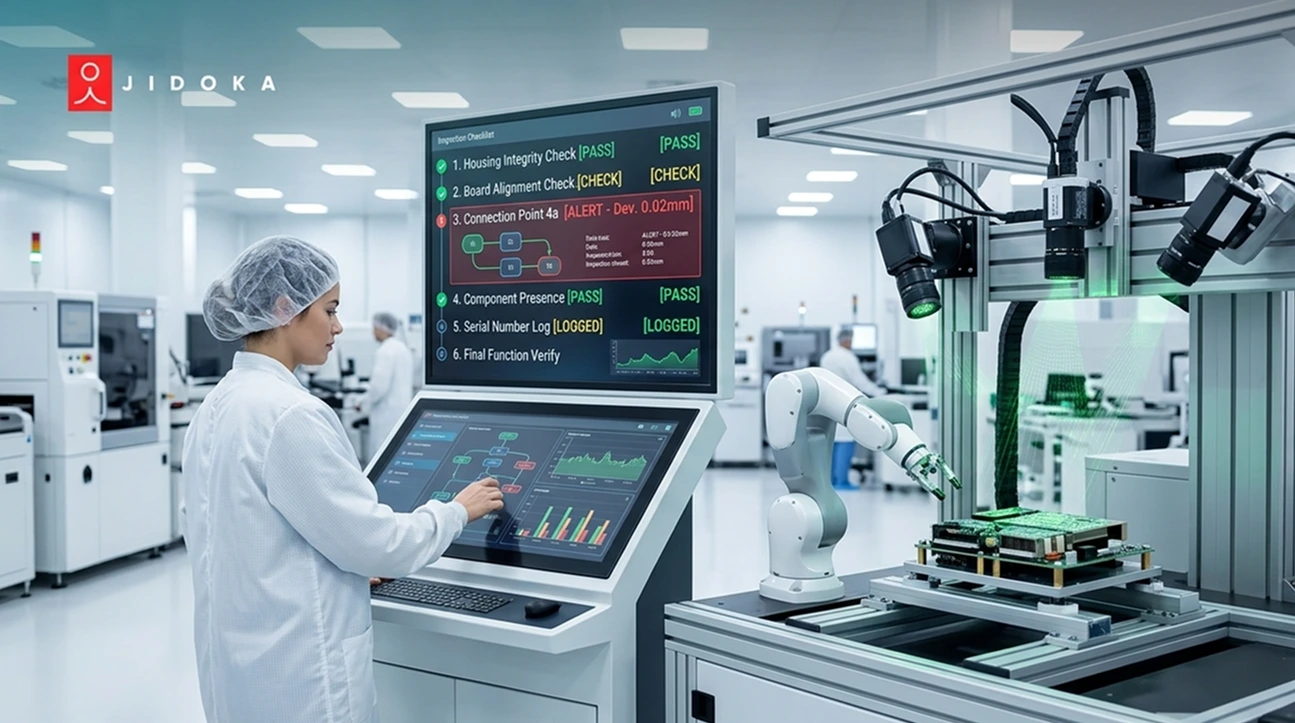
PCB(プリント基板)には微細レベルのチェックが不可欠です。製造ライン最終工程での画像検査により、UV光下でコンデンサの極性やはんだ付けの品質を検査します。これにより「初期不良品」の流出を防ぎます。また、目の疲れによる人為的な見落としを防ぐことで、歩留まり率を向上させます。
3. 医薬品・医療機器
ここではキットの正確性が重要です。自動化された部品検証により、梱包前に正しい添付文書、注射器、バイアルが箱に入っていることを保証します。この技術は100%デジタルな監査証跡を提供します。紙の記録を置き換え、 FDAコンプライアンスを簡素化します。
これらの活用事例は、組立検証の価値を証明しています。正しく導入するには、明確な戦略が必要です。
導入ガイド:組立検証のベストプラクティス
組立検証を成功させるには、単にカメラを購入するだけでは不十分です。検査を行う環境を最適化する必要があります。確実に成果を出すために、以下の3つのルールに従ってください。
1. データの多様性から始める
開始にあたって膨大なデータセットは必要ありません。必要なのは多様性です。「ゴールデンサンプル」(完璧な製品)を、さまざまな照明条件や角度から撮影した画像を集めてください。これにより、自動組立検証モデルが「良品」とは何かを正しく理解できるようになります。強固な基準を構築することで、工場内の自然光の変化による誤検知を防ぐことができます。
2. 照明が重要
どんなに優れたAIでも、照明が悪ければ機能しません。標準的な天井照明は影を作り、センサーを混乱させます。単色の部品には、構造化照明やパターン投影を使用してコントラストを作り出してください。
これにより、表面の質感や深さの変化が強調されます。適切な照明を使用することで、組立検証ソフトウェアは、フラットな照明では見逃してしまうような特徴を捉えることができるようになります。
3. 統合とクローズドループ品質
カメラを設置するだけでなく、接続しましょう。ビジョンシステムをPLCやロボットと統合してください。真の2025年型システムは「クローズドループ」を実現します。マシンビジョンによる組み立て工程の検証で繰り返し発生する位置ずれが検出されると、ロボットアームに信号を送り、配置座標を自動修正させます。これにより、根本原因が自動的に解決されます。
Jidoka Techによる組み立て検証の最適化
Jidoka Tech は、実際の生産現場の負荷に耐えうる組み立て検証システムを構築します。同社のチームは、カメラ、照明、PLCのタイミング、エッジユニットを調整し、すべてのシフトでシステムが確実に機能するようにします。
Jidokaのシステムを導入した工場では、以下の環境下でも安定したパフォーマンスが報告されています。 毎分12,000個以上の部品 、および最大で 1日あたり3億回の検査。Jidokaの強みは、組み立て検証マシンビジョンシステムを標準的なチェック以上のレベルへ引き上げる、2つのプラットフォームの組み合わせにあります。
1. KOMPASS: 高精度インスペクター KOMPASS は、主要な自動部品検証エンジンとして機能します。一貫性が最も重視される現場での導入をサポートします。
- スピードとスケール: 各フレームを10ミリ秒未満でレビューし、稼働ライン上で 99.8%以上の精度 を実現します。
- 迅速な適応: 60〜70%少ないサンプル数で新しいバリエーションを学習し、「コールドスタート」問題を解決します。
- 素材への対応力: 従来のセンサーでは検知が困難な反射素材、印刷面、テクスチャのある部品にも対応します。
2. NAGARE: 工程・組立アナリスト NAGARE は、単なる「結果」だけでなく「プロセス」を追跡することで、マシンビジョンによる組立工程の検証を強化します。
- リアルタイムのガードレール: 既存のカメラを通じて組立工程の全ステップを100%追跡し、部品の欠落や手順の誤りを即座に検知します。
- エラー防止: ミスを 次の工程へ進む前 に検知することで、手直し作業を20〜35%削減します。
- インテリジェントな洞察: 標準的な工程チェックを、データに基づいた品質改善へと変革します。
Jidokaは、遅延を回避するためにローカルのエッジユニット上で組立検証システム全体を実行します。多くのチームが、このカバレッジを 自動欠陥検出 やインライン検査ツールで拡張し、徹底した品質管理を実現しています。
貴社の製造ラインでのPoC(概念実証)を今すぐご依頼ください そのスピードの違いを直接お確かめいただけます。
結論
手作業による欠陥チェックは、いたちごっこに過ぎません。人間の精度はすぐに85%まで低下します。厳格な組み立て検証用のマシンビジョンシステムであっても、部品がずれると誤判定が発生し、多大なコスト損失を招きます。
こうした失敗は収益性を損ないます。一度でも不良品が流出すれば、保証請求や訴訟に発展し、ブランドイメージを永続的に傷つける恐れがあります。現在の組み立て検証プロセスがボトルネックとなっているなら、ラインが稼働するたびに利益が流出しているのと同じです。
Jidoka Tech は、その損失を食い止めます。 KOMPASS inspector と NAGARE analystを組み合わせることで、製造ラインに即座に適応するソリューションを実現します。達成できる精度は 99.8% です。
Jidokaで組み立て検証を自動化し、 ゼロ欠陥の未来を確保しましょう。
よくある質問
1. 組み立て検証には何枚の画像が必要ですか?
何千枚も用意する必要はありません。最新の組み立て検証技術である転移学習を活用すれば、わずか5〜10枚の画像で信頼性の高いモデルを構築できます。この効率性により、従来の手法よりも迅速に自動部品検証を導入可能です。あらゆるビジョンシステムによる組み立てチェックのセットアップを簡素化し、製造ラインですぐに高い精度を確保できます。
2. 動いている部品も検査できますか?
はい、もちろんです。高速な グローバルシャッターカメラ が動きを静止させるため、ブレのない精密なマシンビジョンによる組み立て検証が可能です。この技術により、毎分12,000個の高速コンベア上でも自動組み立て検証が行えます。フル稼働時でも正確な部品有無の確認が可能となり、コストのかかるボトルネックを効果的に防止します。
3. 投資収益率(ROI)の目安はどのくらいですか?
多くの工場では、8〜12ヶ月で投資を回収しています。この迅速な回収は、組立検証によってスクラップや人件費を削減することで実現します。画像処理を用いたライン終端での検証により手作業を置き換えることで、コストのかかる手直しを排除できます。効率的な組立検証用マシンビジョンシステムは、初期段階で欠陥を阻止し、即座に収益を保護します。
4. 多品種少量生産ラインにも対応していますか?
はい、AIは多様な製品を容易に扱えます。従来の固定的な組立検証用マシンビジョンシステムとは異なり、最新のツールは無制限のレシピを保存可能です。モデルごとに自動部品検証の基準を瞬時に切り替えることができます。この柔軟性が多品種製造を支え、日々の生産フローを止めることなく、新しいバリエーションにも対応した組立チェックを可能にします。