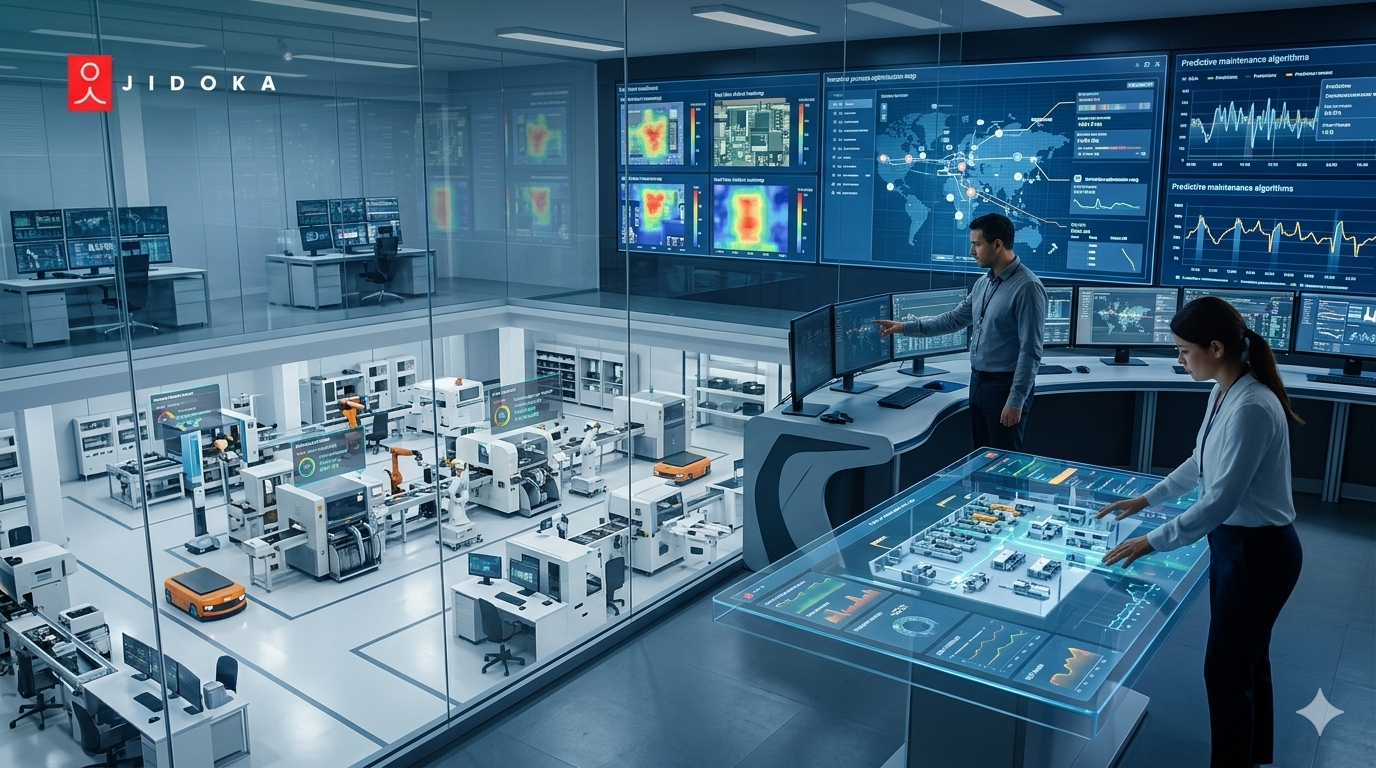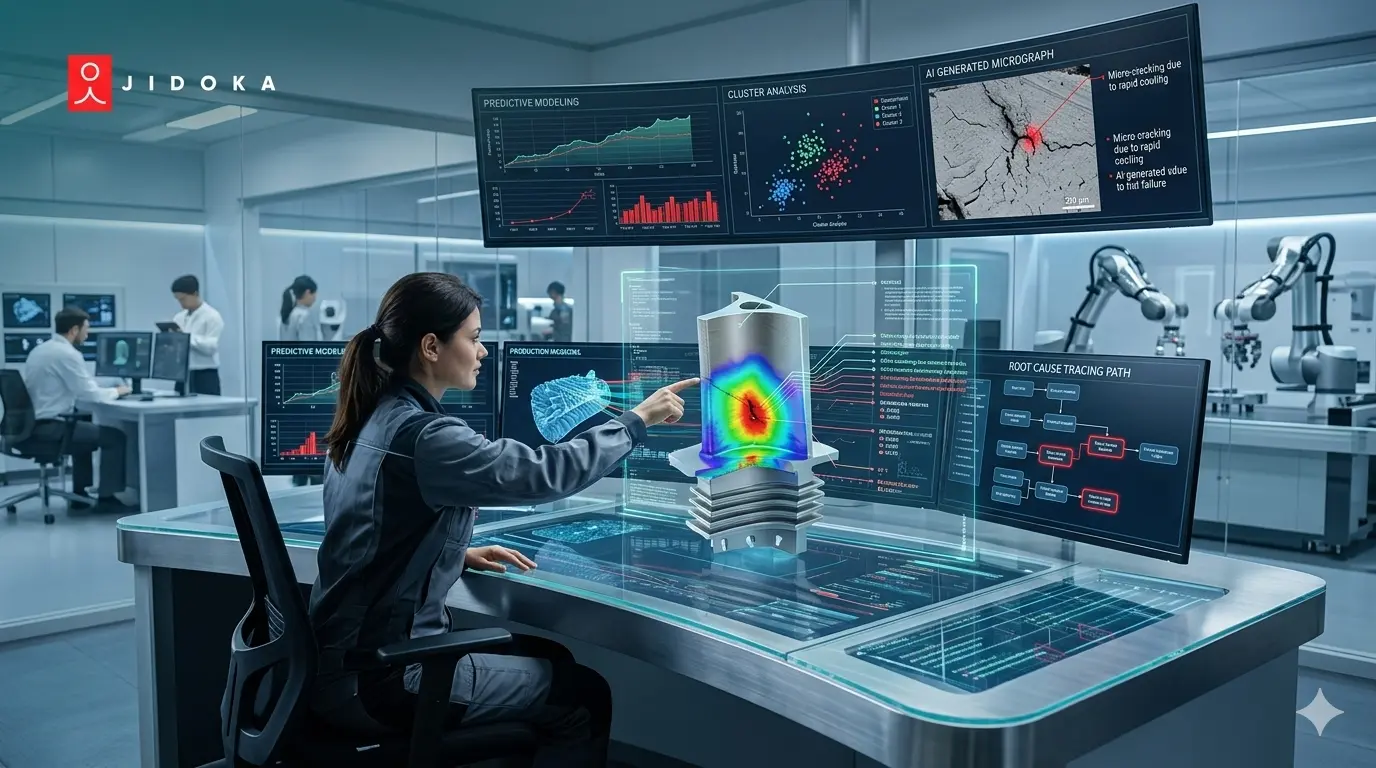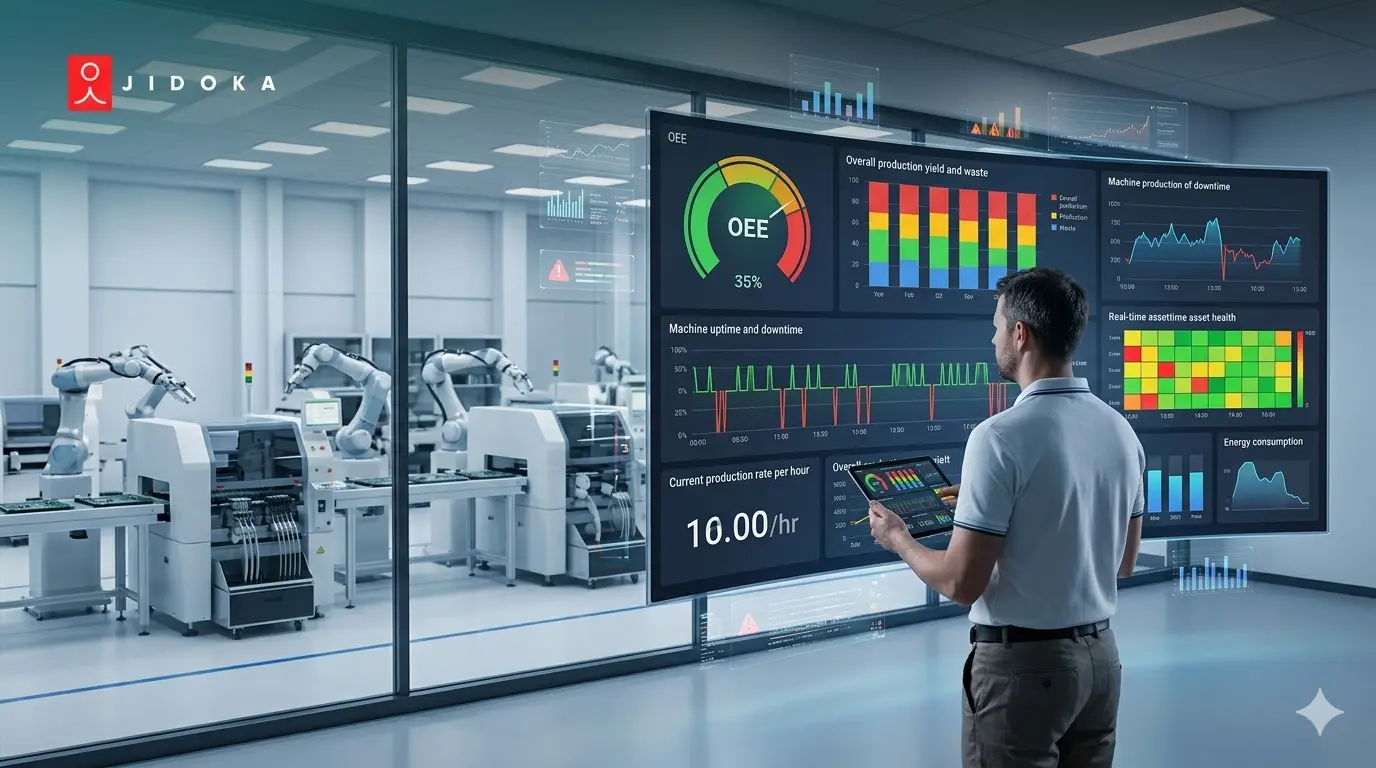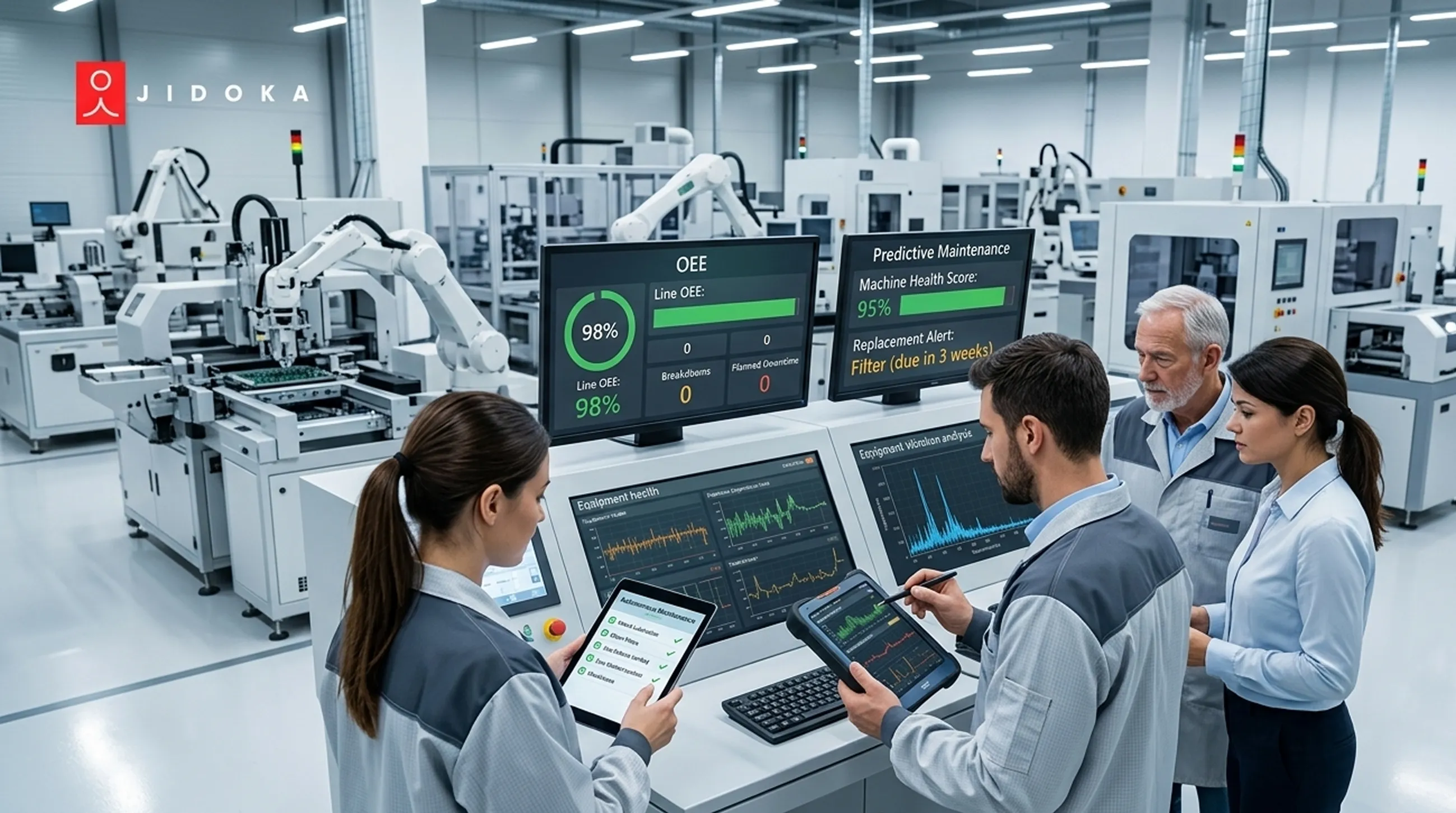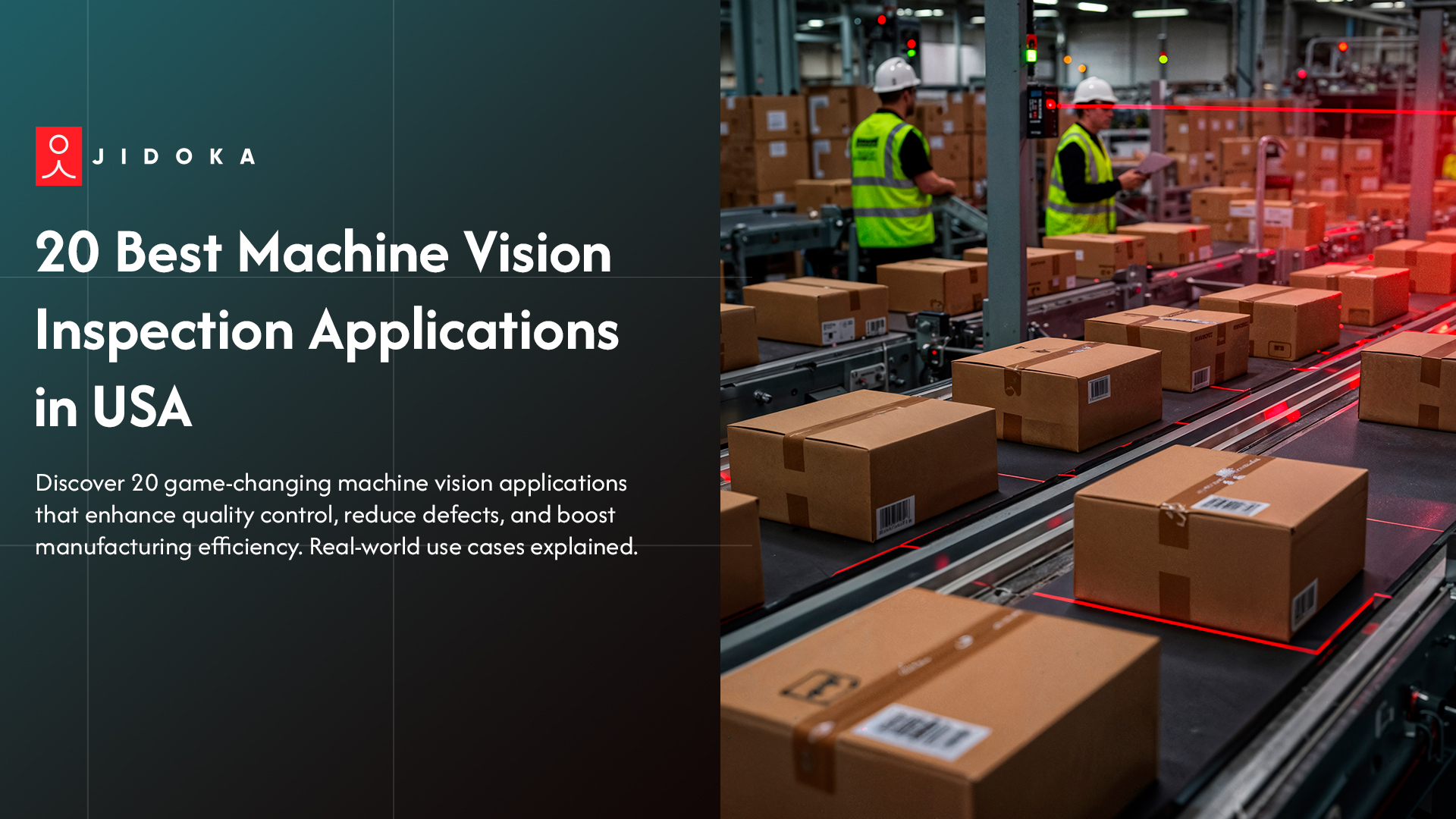
Manual inspection errors cost US manufacturers billions annually. Human operators fatigue and miss up to 20% of defects, but machines never blink. This reality drives the massive surge in machine vision inspection applications in the USA.
With the market projecting $33.2 billion by 2033, this technology is now an industry standard, not a luxury. Automated visual inspection systems offer the only path to zero-defect manufacturing. You cannot afford to rely on outdated methods anymore.
We will examine how machine vision inspection applications in the USA are transforming computer vision manufacturing across distinct sectors like automotive and pharma.
1. Automotive Industry Applications (Precision & Safety)
Automakers demand perfection at high speeds. A single loose bolt or cracked casting puts lives at risk. Consequently, the automotive sector heavily relies on machine vision inspection applications in the USA to maintain safety standards without slowing down the assembly line.
Application #1: Engine Block & Casting Inspection
Metal parts often hide dangerous flaws. 3D vision inspection tools scan engine blocks to map complex geometries. They identify hairline cracks, porosity, and other surface defect detection issues that human eyes miss. This technology ensures only structurally sound components make it into the final build.
Application #2: PCB & Solder Joint Verification
Electric vehicles require flawless electronics. Automated visual inspection systems examine printed circuit boards for cold solder joints and bridging. These systems verify that battery management components are secure. You prevent electrical failures and ensure the reliability of high-voltage systems.
Application #3: Wheel & Tire Identification
Assembly lines move fast. Applications of machine vision include reading tire codes and wheel dimensions instantly. High-speed cameras match the correct tire to the specific vehicle chassis. This prevents costly mix-ups and ensures every car leaves the factory with the right specifications.
Precision in cars sets the stage for strict hygiene in consumables. Let’s see how this tech handles food safety next.
2. Food & Beverage Applications (Safety & Compliance)
Food production lines move too fast for human eyes. You need reliable tech to catch contaminants and verify packaging. Machine vision inspection applications in USA facilities provide the necessary speed and accuracy to meet strict safety standards.
Application #4: Foreign Material Detection
X-ray systems often miss low-density contaminants. AI-powered inspection utilizing hyperspectral cameras solves this problem. These sensors analyze chemical compositions to identify foreign objects like plastic, wood, or glass shards inside the product. You get precise real-time defect detection that ejects contaminated items immediately, preventing them from reaching consumers.
Application #5: Fill Level Monitoring
Inconsistent filling wastes money and breaks laws. Automated visual inspection systems use high-speed strobe lights to verify liquid levels even through opaque bottles. The software ignores foam to measure the true volume. This application of automated quality control rejects underfilled or overfilled containers without stopping the conveyor.
Application #6: Label & Date Code Verification (OCR)
A simple printing error causes massive recalls. Applications of machine vision extend to validating text with optical character recognition. Cameras check that expiration dates are legible and confirm label alignment.
This ensures your packaging complies with FDA regulations and avoids retailer rejection. Safe food is vital, but medical products require even stricter standards. We will look at pharmaceutical precision next.
3. Pharmaceutical & Medical Devices (Zero Tolerance)
Zero tolerance is the rule here. A single contaminant shuts down production lines and triggers federal audits. Manufacturers deploy machine vision inspection applications in the USA to catch microscopic errors that humans physically cannot see at production speeds.
Application #7: Tablet & Capsule Inspection
High-speed production creates cosmetic flaws. Deep learning image analysis tools inspect tablets on rotating drums. They detect chips, discoloration, or broken capsules that simple sensors miss. The system rejects individual defects immediately, ensuring vision-based quality assurance without slowing down the batch processing.
Application #8: Vial & Syringe Contamination Check
Injectable medicines must be sterile. Automated visual inspection systems use backlighting to look inside glass vials. The software tracks moving particles to identify foreign matter like rubber or glass. It also checks for hairline cracks in the container. You guarantee patient safety by catching these invisible threats early.
Application #9: Blister Pack Seal Integrity
Packaging protects the drug's efficacy. Applications of machine vision include verifying blister packs for airtight seals. Computer vision manufacturing tools detect empty pockets, broken tablets, or debris trapped in the seal area.
This rigorous check prevents moisture ingress and ensures the product remains effective until use. Pills and vials require perfection, but electronics require microscopic precision. Let’s look at how chips are inspected next.
4. Electronics & Semiconductors (Micron-Level Precision)
Electronics get smaller every year. Human eyes cannot see the necessary details anymore. Manufacturers rely on machine vision inspection applications in USA fabs to ensure microscopic precision on high-value components.
Application #10: Wafer Defect Mapping
You cannot fix a chip after packaging it. Computer vision manufacturing tools scan silicon wafers at the nanometer level to identify crystal flaws or scratches. The system creates a digital map of these errors. This surface defect detection allows you to discard bad units early, saving the cost of processing defective chips.
Application #11: Component Placement (SMT)
Circuit boards are incredibly dense. Automated visual inspection systems verify that thousands of tiny resistors and capacitors sit correctly on the board. They catch skewed parts or missing components instantly. This high-speed industrial automation technology prevents short circuits in consumer electronics.
Application #12: Connector Pin Inspection
A single bent pin ruins a device. Machine vision inspection applications in USA plants use special telecentric lenses to check pin alignment. The software measures height and spacing to guarantee a perfect mating connection. You ensure reliable performance for critical automotive and aerospace connectors.
Chips run the world, but raw materials build it. We will explore how we inspect continuous rolls of fabric and glass next.
5. Textiles, Glass & Raw Materials (Surface Quality)
Continuous production lines cannot stop for manual checks. You need to monitor miles of material in motion. Producers utilize machine vision inspection applications in USA mills to guarantee surface quality without pausing operations.
Application #13: Fabric Web Inspection
Textile defects ruin final products. Smart manufacturing inspection uses line-scan cameras to watch fabric rolls moving at high velocity. The system identifies tears, oil spots, or weaving errors instantly. Many machine vision inspection applications in USA textile plants rely on this for surface defect detection, mapping the exact location of the flaw so you can cut out bad sections efficiently.
Application #14: 360-Degree Glass Bottle Inspection
Glassware must withstand high pressure. Applications of machine vision involve rotating bottles to capture every angle. Cameras spot air bubbles, stress cracks, or chipped sealing surfaces. This prevents dangerous breakage on filling lines. Automated visual inspection systems ensure the product looks perfect on the shelf and remains safe for the consumer.
Application #15: Metal Sheet & Pipe Profiling
Stamping machines require flat, clean stock. Machine vision inspection applications in USA metalworks scan sheets and pipes for topographic errors. They detect corrosion, dents, or deep scratches that compromise integrity. Real-time defect detection ensures that only material meeting strict metallurgical standards enters the manufacturing phase.
Raw materials are just the beginning. We need to see how advanced tech applies to every stage of production next.
6. Cross-Industry Advanced Capabilities
Manufacturing challenges often overlap across sectors. You need adaptable tech that solves universal problems like volume measurement and logistics tracking. Machine vision inspection applications in USA industries extend far beyond simple defect detection to handle these complex tasks.
Application #16: 3D Volumetric Inspection
Standard cameras only see flat images. 3D vision inspection gives you depth. These systems measure the volume of glue beads in automotive assembly or food portions in packaging. You ensure precise material usage and product consistency by analyzing height, width, and depth simultaneously.
Application #17: High-Speed Barcode & QR Code Reading
Logistics moves fast. Applications of machine vision include decoding 1D and 2D codes on rapid conveyors. Optical character recognition and advanced algorithms read damaged, angled, or reflective codes that handheld scanners miss. This guarantees full traceability across your supply chain.
Application #18: Cosmetic Surface Inspection
Luxury goods allow for zero aesthetic flaws. Deep learning image analysis distinguishes between acceptable variations, like leather grain, and actual defects, like scratches. Automated visual inspection systems replicate the nuanced judgment of a human inspector but do it faster and more consistently.
Application #19: Robot Guidance (VGR)
Fixed tooling is expensive and rigid. Robotic vision systems allow arms to "see" and adapt. Vision-based quality assurance cameras guide robots to pick randomly placed parts from a bin. You eliminate the need for precise fixtures and increase the flexibility of your automation lines.
Application #20: Assembly Verification
Shipping incomplete products costs money and customer trust. Automated quality control acts as a final gatekeeper. The system confirms that all screws, caps, and clips are present and seated correctly. You prevent warranty claims by catching assembly errors before the product is packed.
Generic solutions work for simple tasks, but complex lines need a specialized partner. We will see why Jidoka-Tech stands out next.
Jidoka Tech: Your "AI Suit" for Total Quality Control
You need an AI-powered inspection system that performs under real production pressure. Jidoka Tech aligns cameras, lighting, PLC timing, and edge units to ensure the system works perfectly across all shifts.
Plants running Jidoka’s setup report consistent performance even at 12,000+ parts per minute, completing up to 300 million inspections per day. Jidoka’s strength comes from combining two unique tools that extend machine vision inspection applications in USA facilities beyond standard checks.
1. KOMPASS: High-Accuracy Inspector KOMPASS supports machine vision inspection applications in USA deployments where consistency matters most. Its capabilities include:
- Precision: Reaches 99.8%+ accuracy on live lines.
- Speed: Reviews each frame in under 10 ms.
- Adaptability: Learn new variants with 60–70% 少ないサンプル数。
- 汎用性: 反射する金属、印刷面、テクスチャのある部品も問題なく処理します。
2. NAGARE: 工程・組立アナリスト NAGARE は、以下の機能により、自動外観検査システム、インテリジェント検査ソリューション、およびステーションチェックを強化します。
- トラッキング: 監視: 100% 既存のカメラを使用して、すべての組立工程を監視します。
- アラート: 部品の欠品や手順の誤りをリアルタイムで通知します。
- 削減: 手直しコストを 20~35%削減します。
ローカルエッジでのパフォーマンス Jidoka は、AIを活用した検査システム全体をローカルエッジユニット上で実行し、遅延を回避します。多くのチームが、自動欠陥検出システムによって検査範囲を拡大しています。 インライン検査AIシステム、および品質管理のための外観検査自動化。
拡張性の高いフレームワークの構築は、今すぐJidoka-Techにご相談ください。
結論
手作業による検査は、生産ラインに脆弱性をもたらします。人の目は疲労し、欠陥を見逃す可能性があります。毎分何千もの部品が流れる中で、すべての欠陥を検知することは不可能です。時代遅れの手法に頼ることは、品質管理における危険な隙間を生み出します。
こうしたエラーがもたらすコストは壊滅的です。たった一つの欠陥の流出が、高額なリコールを引き起こし、築き上げてきたブランドの評判を失墜させます。完璧を保証する競合他社に契約を奪われるリスクもあります。今日の市場において、品質の欠如は企業の存続を脅かす問題です。
Jidoka Tech は、この悪循環を断ち切ります。私たちは米国の製造施設にマシンビジョン検査アプリケーションを導入し、妥協のない精度を実現します。当社の自動外観検査システムは、 100% の品質管理を、生産スピードを落とすことなく保証します。
今すぐJidoka Techにご連絡ください 。米国で最も信頼性の高いマシンビジョン検査を導入し、欠陥ゼロの未来を確実なものにしましょう。
よくある質問
1. マシンビジョンと手作業による検査の精度にはどのような違いがありますか?
手作業による検査は疲労の影響を受けやすく、精度は80%程度に留まります。米国で導入されているマシンビジョン検査アプリケーションは、一貫して99%の精度を実現します。この自動品質管理により、人為的ミスを完全に排除できます。リアルタイムでの欠陥検知を確実に行い、ビジョンベースの品質保証が約束する高い基準を維持できます。AIを活用した検査により、完璧な製品出荷が可能になります。
2. 既存の古い機械への統合は難しいですか?
レトロフィット(後付け)は簡単です。私たちは、お客様の現在の設備に適合する自動外観検査システムを設計します。エンジニアがコンパクトな産業用自動化技術を既存のラインに直接設置します。これにより、ダウンタイムを発生させることなく、スマートな製造検査機能を施設に追加できます。既存の重機をそのまま活用しながら、高度なマシンビジョンアプリケーションを導入可能です。
3. 照明の変化にはどのように対応しますか?
照明の変化も問題ありません。私たちは、適応型のAI検査ツールと測光照明を活用し、周囲の環境変化に対応します。システムは影の影響を受けることなく、安定したリアルタイムの欠陥検知を維持します。この信頼性こそが、複雑な環境下で米国におけるマシンビジョン検査アプリケーションが不可欠である理由です。堅牢なディープラーニング画像解析を継続的に提供します。
4. 投資回収(ROI)までの一般的な期間はどのくらいですか?
導入後すぐに効果を実感いただけます。多くの施設では、6〜12ヶ月以内に投資を完全に回収しています。画像認識技術を活用した品質保証は、人件費を削減し、不良品を劇的に減らします。自動外観検査システムは、返品を未然に防ぐことで、導入コストを早期に回収します。米国でマシンビジョン検査アプリケーションに投資することは、収益を確保し、即座に効率を向上させることにつながります。