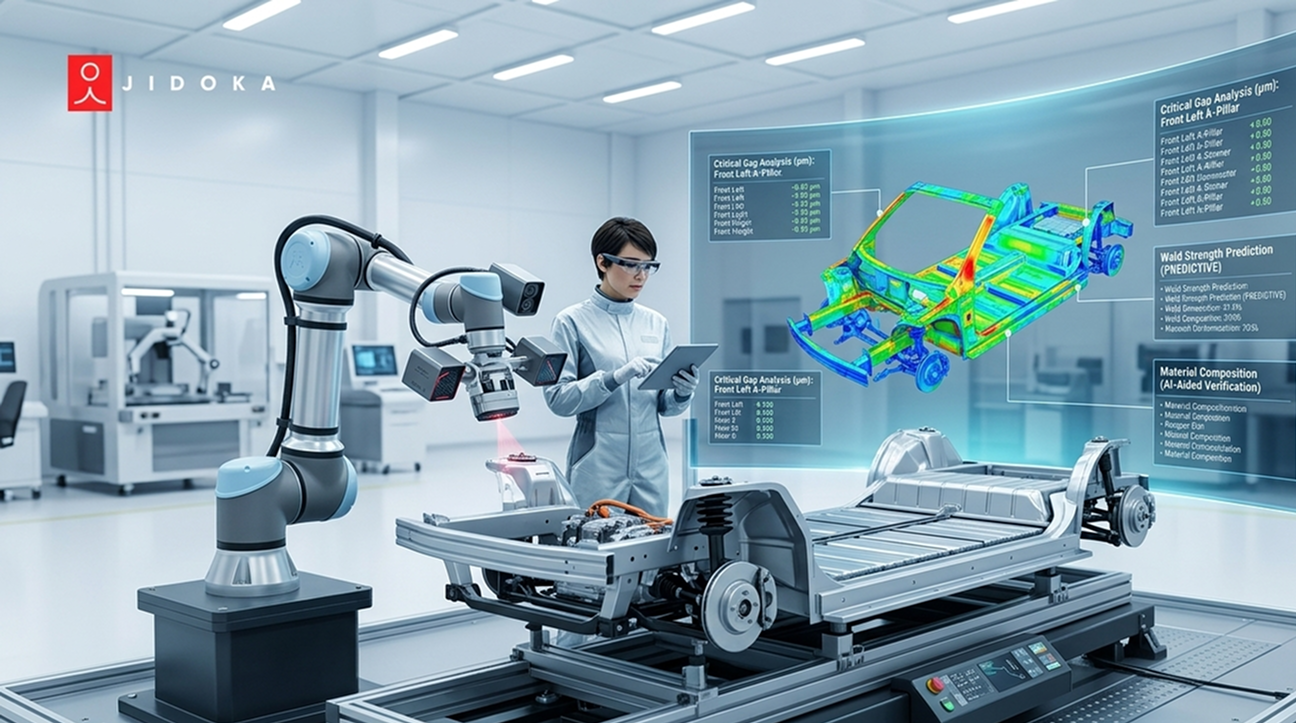
Terugroepacties in de automotive-sector zijn een supply chain-gebeurtenis waar geen enkele tier 1-leverancier ongeschonden uitkomt. Handmatige steekproeven ontdekken defecten pas nadat ze zich hebben verspreid. Eén enkel groot kwaliteitsprobleem stelt een leverancier tegenwoordig bloot aan tientallen miljoenen aan garantieclaims en logistieke kosten voor terugroepacties. De National Highway Traffic Safety Administration documenteerde in 2025 een aanzienlijke stijging van het aantal wereldwijde terugroepacties, veroorzaakt door complexe integratiefouten in software en hardware bij subassemblages van componenten.
Moderne kwaliteitscontrole in de automotive-sector vereist dat procesafwijkingen worden gedetecteerd op de milliseconde dat ze ontstaan, niet pas in het kwaliteitsrapport van de volgende dag. Deze gids beschrijft hoe inline computer vision en slimme sensorarrays het moderne kwaliteitsmanagementsysteem voor de automotive-sector upgraden van periodieke steekproeven naar continue algoritmische controle.
Kernpunt: Kwaliteitscontrole in de automotive-sector in 2026 steunt op geautomatiseerde, inline AI-procesbewaking om te voldoen aan de strikte risicobeperkingsmandaten van de IATF 16949-norm. De overstap van verouderde handmatige steekproeven naar continue inspectie via machine learning stelt kwaliteitsteams van tier 1-leveranciers in staat om procesverschuivingen direct te detecteren, waardoor catastrofale aansprakelijkheid bij terugroepacties wordt verminderd.
Wat is de standaard voor kwaliteitscontrole in de automotive-sector in 2026?
Kwaliteitscontrole in de automotive-sector is een strikt systeem van technische controles, materiaalvalidatie en statistisch toezicht, gereguleerd door IATF 16949. Het verplicht toeleveranciers van onderdelen om een allesomvattende 'zero defect'-strategie te implementeren, waarbij de dimensionale en functionele conformiteit in elke fase van de assemblage wordt geverifieerd.
De IATF 16949:2016-norm is geen vrijblijvend kader voor best practices. Het is een contractuele voorwaarde voor het leveren aan elke grote wereldwijde autofabrikant. BMW, Toyota, General Motors, Stellantis en Volkswagen eisen dit allemaal van hun tier 1-leveranciers. Fabrieken die niet opnieuw worden gecertificeerd, verliezen hun leveringscontracten. Dat gevolg maakt IATF 16949-compliance tot een technisch vraagstuk voor de productielijn, niet tot een administratieve exercitie.
1. Evolutie van het kwaliteitsmanagementsysteem in de automotive-sector
Standaard bedrijfsmatige kwaliteitsstatistieken (totaal defectpercentage, opbrengst per ploegendienst, wekelijkse afvalrapportages) zijn volstrekt ontoereikend voor de snelle toeleveringsketen van voertuigen. Een personenauto bevat tussen de 30.000 en 40.000 individuele onderdelen. Eén enkel structureel defect in een van deze onderdelen dat de klant bereikt, leidt tot aansprakelijkheid bij terugroepacties, toezichthoudend onderzoek en reputatieschade die de kosten van het onderdeel zelf ver overstijgen. Het kwaliteitsmanagementsysteem voor de automotive-sector is juist geëvolueerd omdat de veiligheid van de consument geen ruimte laat voor de statistische spreiding waar acceptabele kwaliteitsniveaus vanuit gaan. De industriestandaard vereist absolute voorspelbaarheid, geen probabilistische zekerheid.
2. De strikte kernpijlers van IATF 16949-compliance
IATF 16949-compliance vereist het gebruik van vijf kerninstrumenten voor kwaliteitsbeheer: Advanced Product Quality Planning (APQP), Production Part Approval Process (PPAP), Failure Mode and Effects Analysis (FMEA), Statistical Process Control (SPC) en Measurement System Analysis (MSA). Deze instrumenten worden gedocumenteerd door de Automotive Industry Action Group, die de referentiehandleidingen publiceert die tier 1-leveranciers moeten volgen. APQP en PPAP vereisen samen continue, verifieerbare datalussen van ontwerp tot productie, in plaats van statische documentatie die een geïdealiseerd proces beschrijft. De data moet per cyclus aantonen dat het werkelijke proces overeenkwam met het goedgekeurde ontwerp.
3. Handhaving van kwaliteitsnormen voor tier 1-leveranciers
OEM-fabrikanten houden de kwaliteitsteams van tier 1-leveranciers juridisch verantwoordelijk voor de tracering van onderdelen van toeleveranciers. Wanneer een defect de assemblagefabriek van het voertuig bereikt, draagt de OEM de kosten niet zelf; zij belast de kosten door aan de leverancier, eist binnen 24 uur een formeel 8D-rapport voor corrigerende maatregelen en kan een volledig productie-containmentbevel uitvaardigen dat de verzendingen volledig stopzet.
Componentleveranciers met geautomatiseerde, real-time data-integratie verminderen consistent het aantal non-conformiteitsmeldingen van klanten tijdens de lancering van nieuwe voertuigen. De compliance-last in de automobielproductie verschuift van periodieke auditverdediging naar continu databewijs.
Vanuit de norm zelf bezien, is de praktische vraag hoe een AI-monitoringworkflow kan worden geïmplementeerd die aan elke clausule voldoet met een live dataspoor in plaats van een papieren versie.
Het 5-stappenplan voor het implementeren van AI-gebaseerde kwaliteitsmonitoring in de automotive
Het implementeren van geautomatiseerde kwaliteitsmonitoring in de automotive vereist het achteraf inbouwen van edge computing-hardware op bestaande productiemachines, waarbij real-time operationele technologiesignalen naar een gecentraliseerd kwaliteitsmanagementsysteem worden geleid zonder de aanwezige apparatuur op de werkvloer te vervangen.
Het cruciale technische inzicht hierbij is dat de meeste tier 1-automotivefaciliteiten al beschikken over de camera-infrastructuur en PLC-datastromen die nodig zijn voor AI-monitoring. De uitrol is een integratietaak, geen vervangingstaak. Jidoka's edge processing-hardware draait het volledige AI-inspectiesysteem op lokale eenheden, zonder afhankelijkheid van de cloud en zonder vertraging door externe verwerking.
Stap 1: Integratie van edge-sensoren en PLC-tagmapping
Identificeer elke kritieke productiestap voor de kwaliteit, zoals koppeltoepassingen op aandrijflijnsteunen, lijmrupsbanen op batterijbehuizingen en perscyclusparameters op structurele stansdelen. Installeer edge gateways voor het verzamelen van hogesnelheids-PLC-datastromen zonder vertraging te introduceren in de productiecyclus. Tag-mapping koppelt elke sensoruitvoer direct aan de relevante kwaliteitscontroleparameter voor de automobielindustrie, waardoor een gestructureerd dataschema ontstaat dat de AI-laag consistent kan verwerken.
Stap 2: Hoogfrequente data-aggregatie: akoestisch en thermisch
Plaats microfoons en infraroodsensoren om akoestische signalen en warmteafwijkingen vast te leggen tijdens actieve pers- of stansslagen. De belangrijkste output van deze stap is een zuivere nulmeting: een nauwkeurige wiskundige definitie van hoe een foutloze productiecyclus klinkt en eruitziet onder normale bedrijfsomstandigheden in alle ploegendiensten. Zonder deze nulmeting kan het neuraal netwerk geen echte afwijkingen onderscheiden van normale procesvariaties.
Stap 3: Het trainen van real-time neurale netwerkmodellen
Voer opgeschoonde historische productielogboeken in lokale machine learning-algoritmen die draaien op de edge-units om het neuraal netwerk te trainen op de juiste proceslimieten. De belangrijkste technische investering in deze stap is het verminderen van fout-positieven. Een kwaliteitscontrolesysteem voor de automobielindustrie dat de productielijn vaker dan eens per ploegendienst onnodig stillegt, wordt binnen een week door operators en productiemanagers uitgeschakeld. Het trainingsdoel is specificiteit: markeer elk echt defect zonder goede onderdelen onnodig af te keuren.
Stap 4: Het configureren van de geautomatiseerde kwaliteitscontrolepoorten
Koppel de AI-monitoringssoftware direct aan pneumatische of robotische sorteerpoorten op de actieve transportband. Het systeem moet een verdacht onderdeel binnen milliseconden na een parameterafwijking fysiek isoleren in een beveiligde quarantainebak, in plaats van het te markeren voor handmatige controle die pas twintig minuten later bij de volgende ploegendienst plaatsvindt. De fysieke quarantaine is wat AI-monitoring verandert van een rapportagetool in een echt defectpreventiesysteem.
Stap 5: Dynamische dashboardvisualisatie voor operationele teams
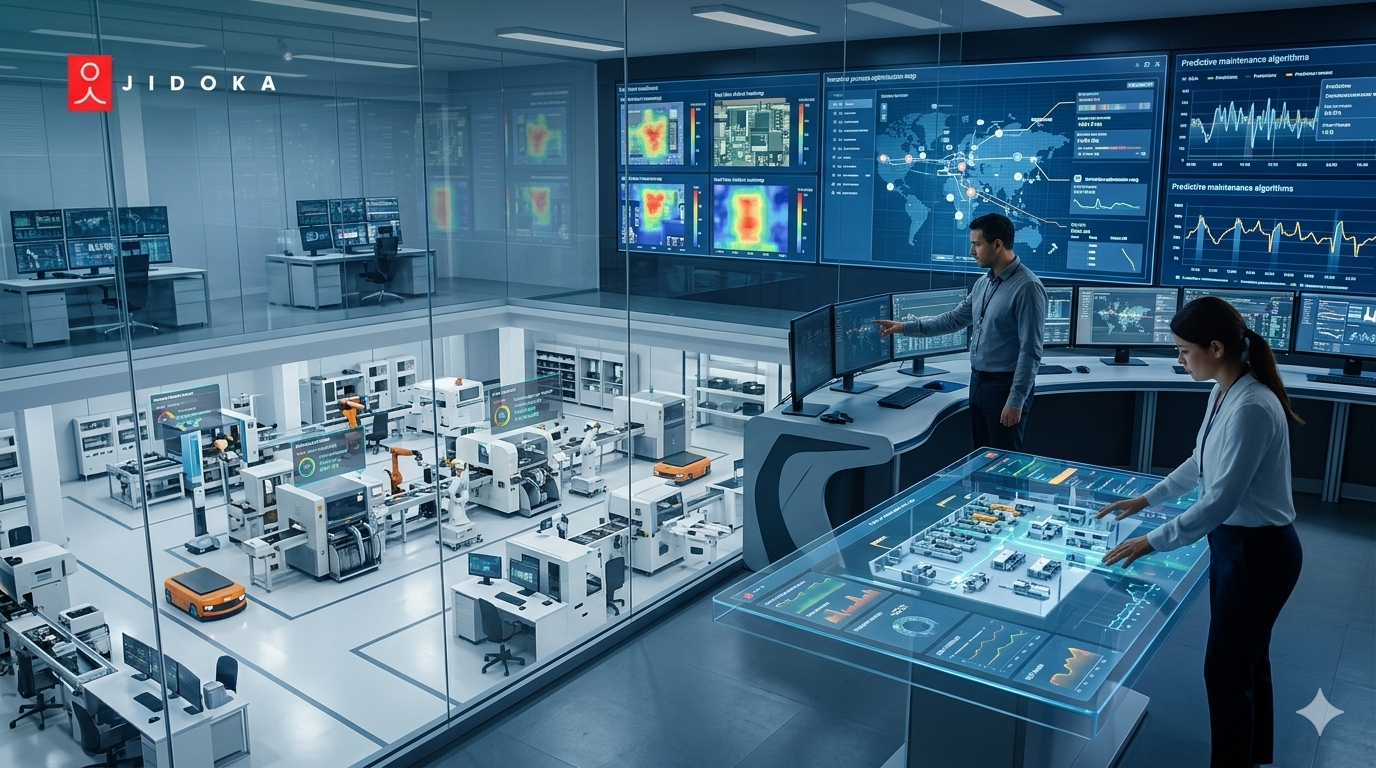
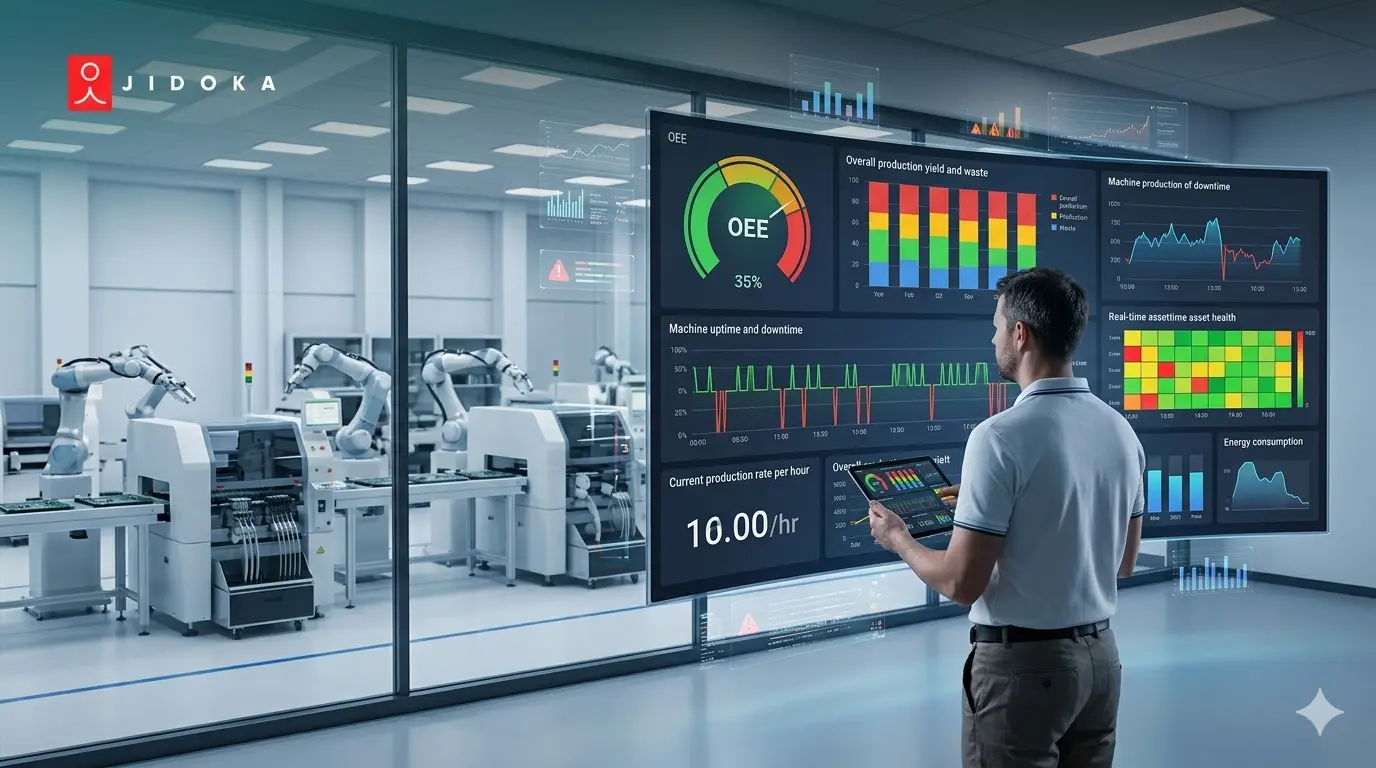
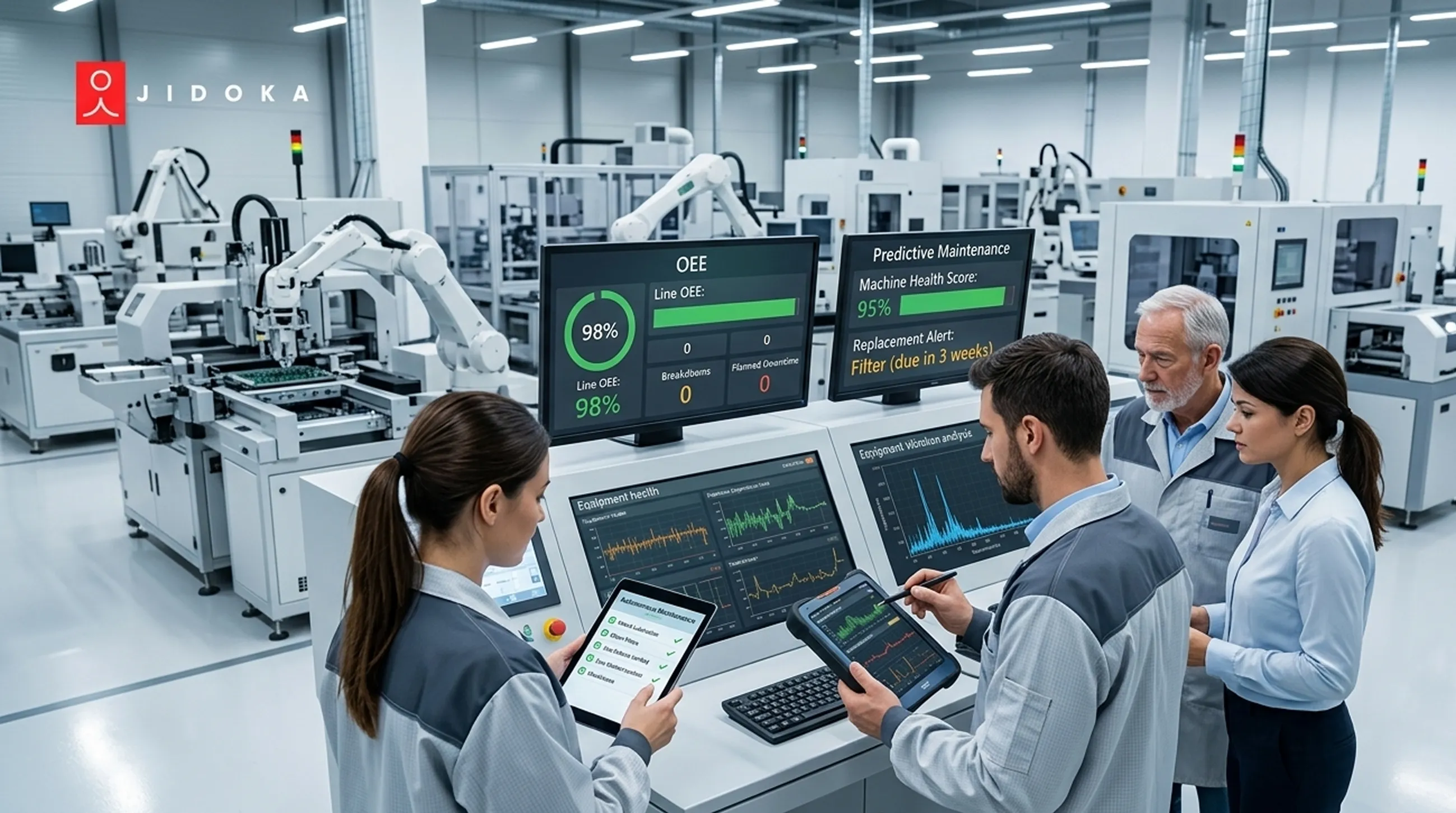
Stream live afwijkingsscores direct naar HMI-schermen op het werkstation van de operator. Procesengineers en kwaliteitsmanagers moeten de huidige status van elke gemonitorde parameter kunnen zien zonder een aparte softwareapplicatie te openen.
De digitale werkinstructie -laag kan specifieke instructies voor corrigerende maatregelen naar het display van de operator sturen zodra de AI identificeert welke machineparameter afwijkt. De overstap naar geautomatiseerde, closed-loop procesmonitoring verlaagt de externe garantiekosten aanzienlijk binnen twaalf maanden na implementatie.
Van implementatieworkflow tot audit-compliance: dit is het punt waarop het AI-dataspoor verandert van een productievoordeel in een wettelijk vereist bedrijfsmiddel.
Hoe AI-procesmonitoring voldoet aan de IATF 16949-auditvereisten
Om te voldoen aan de IATF 16949-norm is onweerlegbaar bewijs vereist dat een productieproces stabiel is gebleven en bij elke cyclus de protocollen voor foutpreventie heeft gevolgd. Tools voor continue kwaliteitsbewaking in de automotive genereren deze gegevens automatisch, waardoor er zonder handmatige administratie een audittrail voor externe instanties wordt opgebouwd.
1. Voldoen aan clausule 9.1.1.1: Monitoring van productieprocessen
Clausule 9.1.1.1 van de IATF 16949 vereist dat leveranciers de procescapaciteit waarborgen en bij procesafwijkingen reageren met gedocumenteerde corrigerende maatregelen. Specifiek wordt objectief bewijs geëist dat procesparameters gedurende de gehele gecontroleerde productieperiode binnen de controlegrenzen zijn gebleven.
AI-procesbewaking fungeert als een continue algoritmische getuige; elke cyclus genereert een tijdgestempeld datarecord dat bevestigt of de procescapaciteit behouden is gebleven. De IATF Global Oversight-instantie specificeert dat dit bewijs objectief en verifieerbaar moet zijn door een externe auditor. Geautomatiseerde datalogs voldoen aan deze eis. Handmatig ingevulde papieren grafieken doen dat niet.
2. Handmatige SPC-kaarten vervangen door algoritmische anomaliedetectie
Traditionele X-bar- en R-kaarten hebben één structureel zwak punt: ze vereisen dat een medewerker met vaste tussenpozen gegevens verzamelt, noteert en in kaart brengt. Bij productielijnen met cyclustijden van minder dan een seconde is het interval tussen de steekproeven lang genoeg om tientallen defecte onderdelen te produceren voordat de kaart een signaal geeft.
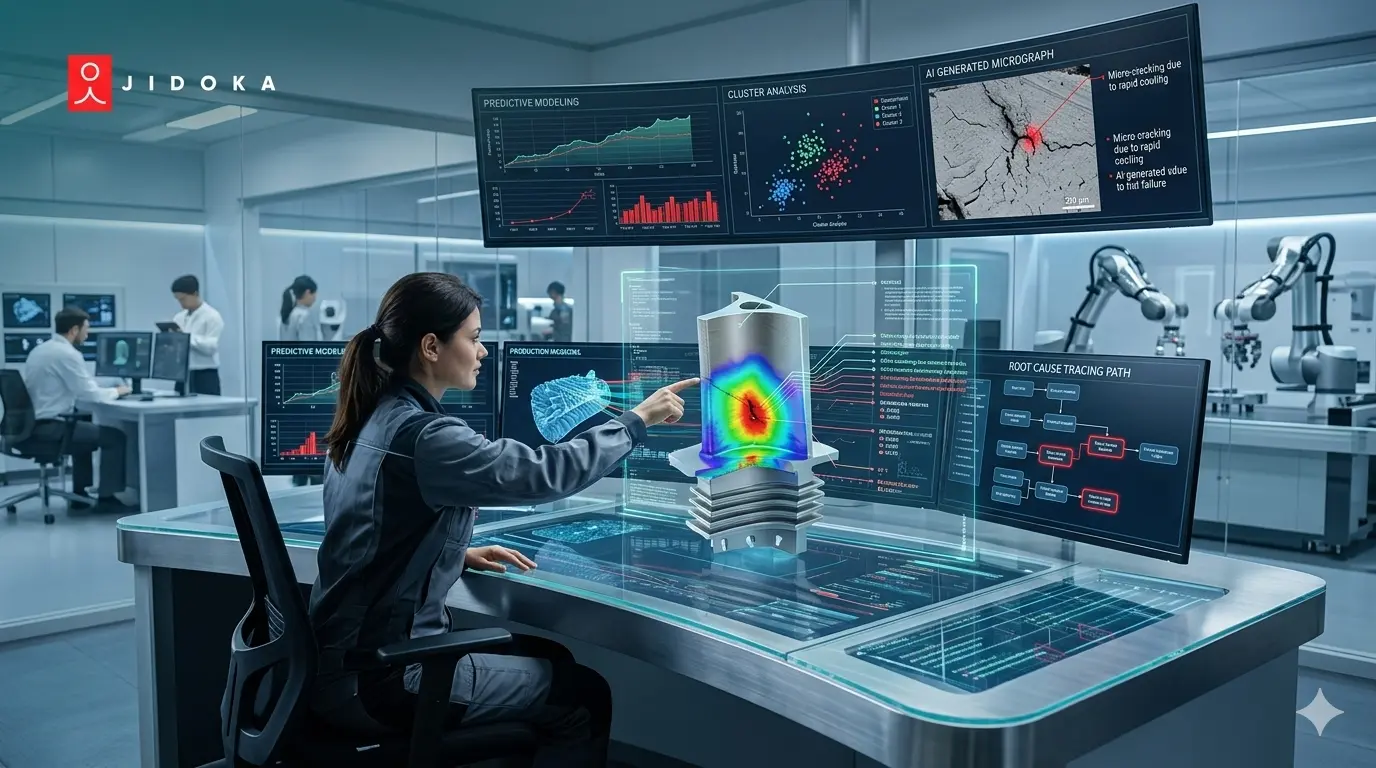
Machine learning toegepast op continue sensordata identificeert niet-lineaire, multivariabele procesverschuivingen die standaard statistische procescontrole -kaarten niet kunnen detecteren. Het gaat hierbij om gelijktijdige verschuivingen in temperatuur, druk en akoestische signalen die afzonderlijk normaal lijken, maar gezamenlijk wijzen op een opkomend defect. De documentatie van de ASQ over SPC bevestigt dat univariate grafieken per definitie geen rekening houden met multivariate interacties.
3. De overhead van handmatige foutbeheersing elimineren
Bij traditionele beheersingsprotocollen moet elk onderdeel dat is geproduceerd sinds het laatste goedgekeurde inspectiepunt in quarantaine worden geplaatst, wat vaak neerkomt op vier tot acht uur aan productie. De gehele batch wordt vastgehouden in afwachting van een 100% herinspectie. AI-gebaseerde beheersing werkt op serieniveau: het exacte onderdeel waarvan het sensorprofiel de anomalie veroorzaakte, wordt fysiek geïsoleerd. Elk onderdeel dat daarvoor en daarna is geproduceerd, gaat bij een correct sensorprofiel zonder onderbreking door naar de volgende bewerking.
Deze precisie elimineert het productieverlies dat handmatige beheersing met zich meebrengt. Automotive-faciliteiten die gebruikmaken van geautomatiseerde compliance-logs rapporteren dat zij hun jaarlijkse IATF-hercertificeringsaudits doorstaan met aanzienlijk minder boetes voor non-conformiteit. Het kwaliteitsmanagementsysteem voor de automotive wordt zelfdocumenterend: bij elke auditcyclus vormt het AI-logboek de inzending, in plaats van een handmatig samengesteld rapport.
Naast audit-compliance is de meest operationeel relevante toepassing het detecteren van defecten die in de automotive-sector in de grootste volumes voorkomen: fouten bij het stansen en lassen.
Hoe defecten in de automotive-productie op stans- en laslijnen kunnen worden voorkomen
Stanspersen en robotlasunits genereren het grootste volume aan defecten in de automotive-productie wanneer gereedschapsslijtage onopgemerkt blijft. Kwaliteitscontrole bij deze twee bewerkingen vereist monitoring op sensorniveau, niet alleen eindinspectie via camera's. Computer vision-systemen en krachtsensoren detecteren vroegtijdige slijtage van gereedschap voordat structurele defecten terechtkomen bij de assemblage van voertuigen verderop in de keten.
1. Inline computer vision voor structurele puntlassen
Deep learning-camera's inspecteren structurele puntlassen direct na elke lascyclus, nog voordat de assemblagerobot naar de volgende positie beweegt. KOMPASS verwerkt elk frame in minder dan 10 ms met een nauwkeurigheid van 99,8%. Dit is sneller dan de herpositioneringstijd van de robot, wat betekent dat de inspectie geen extra cyclustijd toevoegt aan het productieproces. Het algoritme detecteert afwijkingen die volledig ontsnappen aan menselijke visuele inspectie: expulsie (materiaalspatten die de grootte van de laskern aantasten), microscheurtjes onder het lasoppervlak en gaatjes die slechts als kleine onregelmatigheden aan het oppervlak zichtbaar zijn, maar wijzen op interne holtes in structurele lassen. In de productie van carrosserieën (body-in-white)zorgt een enkel gemist defect in een structurele las dat de assemblagefabriek bereikt voor een volledige productiestop en een boete voor de toeleverancier.
2. Real-time analyse van krachtsignaturen bij zwaar stanswerk
Tonnagemonitors volgen het exacte krachtprofiel van een stanspersslag van meerdere tonnen, van de volledige drukcurve bij contact met de matrijs tot de volledige trekdiepte en de uiteindelijke scheiding. Een foutloze cyclus produceert een specifieke, herhaalbare krachtsignatuur. Metaalscheuren veranderen de signatuur abrupt in de vroege trekfase. Een verkeerde uitlijning van de plaat verschuift de positie van de piekbelasting. Matrijsslijtage manifesteert zich als een geleidelijke afvlakking van de piekkracht over honderden cycli. Alle drie de faalmodi zijn detecteerbaar voordat het betreffende onderdeel het uitwerppunt aan het einde van de slag bereikt. Dit is het kernvoordeel van procesbewaking ten opzichte van productinspectie: het defect wordt tijdens de productie opgespoord, niet daarna.
3. Directe serialisatie en de zero-defectstrategie
Door sensortelemetrie direct te koppelen aan individuele serienummers van onderdelen via lasergeëtste 2D-datamatrixcodes, verandert kwaliteitsbewaking in de automobielindustrie van een processignaal in een onderdeelspecifiek conformiteitsdossier. Elk serienummer bevat een volledige proceshistorie: de krachtsignatuur van de persslag waarmee het is gevormd, de visiescore van de lasinspectie die het heeft gecontroleerd en de sensorwaarden van elk assemblagestation waar het doorheen is gegaan.
Deze traceerbaarheid voldoet direct aan de eisen voor kwaliteitscontroledata en de productievereisten voor lot-traceerbaarheid en verificatie van corrigerende maatregelen volgens IATF 16949 clausule 8.5.4. Geavanceerde systemen voor anomaliedetectie herkennen verborgen mechanische assemblagefouten aanzienlijk eerder dan standaard eindtestmachines.
Koppel dit aan bewaking van assemblage van meerdere componenten en de zero-defectstrategie wordt operationeel haalbaar in plaats van een streven.
Hoe Jidoka Technologies kwaliteitscontrole in de automobielindustrie levert op lijnsnelheid
Jidoka Technologies bouwt de AI-inspectie-infrastructuur die 100% inline verificatie haalbaar maakt op bestaande productieapparatuur in de automobielindustrie: geen vervanging van camera's, geen afhankelijkheid van de cloud en geen vertraging door externe gegevensverwerking.
KOMPASS bereikt 99,8 procent nauwkeurigheid op actieve productielijnen in de automotive op 12.000 onderdelen per minuut. Het systeem inspecteert elk frame in minder dan 10 ms, verwerkt reflecterende metalen oppervlakken en onderdelen met texturen waar standaardcamera's moeite mee hebben, en leert inspectiecriteria voor nieuwe voertuigvarianten met 60 tot 70 procent minder trainingsvoorbeelden dan conventionele vision-systemen. KOMPASS voldoet direct aan IATF 16949 clausule 8.6.2 voor 100% visuele en dimensionale acceptatie-inspectie, zonder extra personeel of langere cyclustijden.
NAGARE bewaakt 100% van de montagestappen via camera's die al op de productielijn zijn geïnstalleerd, signaleert ontbrekende onderdelen en onjuiste sequenties in realtime, en vermindert het aantal correcties met 20 tot 35 procent. De procesbewakingsgegevens van NAGARE worden rechtstreeks ingevoerd in het IATF-auditdossier en leveren het continue bewijs voor clausule 9.1.1.1 dat handmatige SPC-grafieken niet kunnen genereren bij de snelheden van de automobielproductie. Elke afwijking wordt gelogd met het serienummer van het onderdeel, een tijdstempel en parameterwaarden; precies het formaat dat een externe auditor vereist.
Als uw voorbereiding op de IATF 16949-compliance-audit momenteel bestaat uit het samenstellen van papieren SPC-grafieken en handmatige inspectielogboeken, plan dan een gesprek met Jidoka om te zien wat continue AI-bewaking oplevert als auditdocumentatie.
Conclusie
Kwaliteitscontrole in de automotive sector kan in 2026 niet langer vertrouwen op handmatige sortering na de productie. Elk kwaliteitsteam dat werkt met handmatige SPC-grafieken levert auditbewijs dat onderschat hoeveel cycli buiten de controlegrenzen zijn gevallen. Een kwaliteitsfout die de assemblagefabriek bereikt, is een gebeurtenis die in de miljoenen loopt.
Het implementeren van geautomatiseerde AI-procesbewaking is de enige methode die tegelijkertijd voldoet aan de IATF 16949-compliance-eisen, een echte nul-defectstrategie realiseert en het continue auditbewijs levert dat externe auditors vereisen. Update vandaag nog uw kwaliteitsbewakingskaders in de fabriek en laten we bespreken wat Jidoka inzet op een productielijn zoals die van u.
Veelgestelde vragen
1. Wat is de primaire rol van kwaliteitscontrole in de automotive sector?
De primaire rol van kwaliteitscontrole in de automotive sector is ervoor zorgen dat elk voertuigonderdeel wordt geproduceerd volgens exacte technische specificaties, om gevaarlijke defecten op de weg te voorkomen. Het vertrouwt op een gestandaardiseerd kwaliteitsmanagementsysteem voor de automotive sector om variatie te beheersen, volledige traceerbaarheid van partijen te behouden en te voldoen aan de wettelijke voorschriften voor autoproducenten en de kwaliteitseisen van OEM-klanten.
2. Hoe is IATF 16949 van toepassing op moderne onderdelenproductie?
IATF 16949 is de definitieve wereldwijde technische standaard voor voertuigproductiesystemen, gepubliceerd door de International Automotive Task Force en gehandhaafd via externe certificeringsaudits. Het vereist dat tier 1-leveranciers gestructureerde risicobeoordelingen implementeren met behulp van APQP en FMEA, volledige traceerbaarheid van partijen behouden en continue procesbewaking aantonen door middel van objectief databewijs bij elke actieve productiehandeling.
3. Waarom is handmatige inspectie onvoldoende voor defecten in de autoproductie?
Voertuigen bewegen zich met productiesnelheden die binnen enkele uren leiden tot visuele vermoeidheid bij mensen, waardoor inspecteurs microscopische structurele defecten missen. Handmatige sortering slaagt er bovendien niet in om onderliggende machineafwijkingen te identificeren, waardoor dezelfde fout zich honderden keren kan herhalen voordat een steekproef aan het einde van de dienst deze opmerkt. Inline AI-defectdetectie detecteert de afwijking bij de bron voordat er ook maar één defect onderdeel wordt geproduceerd.
4. Hoe verbetert AI de kwaliteitsbewaking in de automobielsector?
AI analyseert gelijktijdig datareeksen van machinesensoren en vision-camera's en identificeert niet-lineaire, multivariabele procesafwijkingen die traditionele SPC-grafieken niet kunnen vastleggen. KOMPASS en NAGARE verwerken productiedata in realtime en signaleren afwijkingen voordat ze leiden tot defecten in de autoproductie, in plaats van nadat een steekproefinterval ze aan het licht brengt.
5. Voldoet de implementatie van AI-bewaking aan de IATF 16949-auditregels?
Ja. IATF 16949 legt de nadruk op risicopreventie, continue verbetering en datagestuurde corrigerende maatregelen; AI-bewaking voldoet aan al deze drie punten met objectieve, onveranderlijke digitale gegevens. Geautomatiseerde logboeken bieden de externe auditor bewijs met tijdstempel dat de productielijn statistische controle behield en elke afwijkende eenheid op serieniveau isoleerde, waarmee wordt voldaan aan de vereisten van clausule 9.1.1.1 en clausule 8.5.4 waar handmatige papieren systemen niet aan kunnen voldoen bij autoproductiesnelheden.