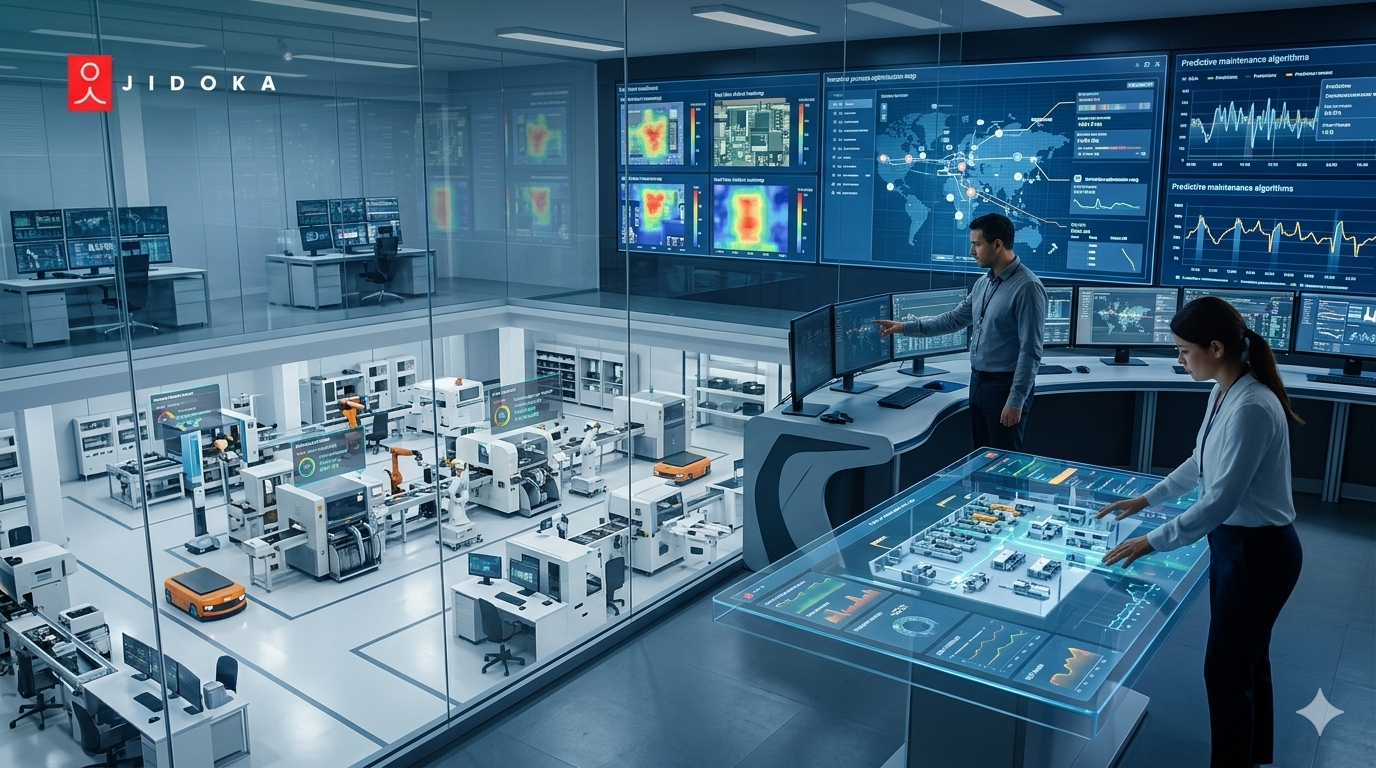
Los fabricantes industriales pierden hasta 50.000 millones de dólares al año debido a tiempos de inactividad no programados (infosysbpm.com). La planta promedio opera con una eficacia general de los equipos (OEE) del 60%, frente al punto de referencia de clase mundial del 85% (leanproduction.com). En una planta de producción de 10 millones de dólares, esa brecha de 25 puntos en el OEE representa 2,5 millones de dólares en capacidad no aprovechada que ya está disponible en la planta.
El mantenimiento productivo total se creó para cerrar esta brecha involucrando a cada empleado en el cuidado de los equipos y eliminando las seis grandes pérdidas. Sin embargo, el TPM se diseñó cuando el OEE se calculaba manualmente a partir de datos en papel de forma mensual.
Esta guía explica los ocho pilares del TPM que siguen los equipos de fabricación, el marco de las seis grandes pérdidas del TPM y cómo el monitoreo de procesos mediante IA proporciona la capa de datos en tiempo real que el mantenimiento productivo total siempre ha requerido.
Resumen: El mantenimiento productivo total establece el marco para lograr cero averías, cero defectos y cero accidentes. Pero el TPM siempre ha tenido un problema de datos: el OEE fue diseñado para ser rastreado continuamente, sin embargo, la mayoría de las plantas lo calculan a partir de registros manuales e informes de fin de turno. Los fabricantes industriales pierden hasta 50.000 millones de dólares al año debido a tiempos de inactividad no programados que podrían evitarse con mejores datos en tiempo real.
¿Qué es el mantenimiento productivo total y en qué se diferencia del mantenimiento preventivo estándar?
El mantenimiento productivo total es una metodología de gestión de equipos para toda la empresa que transfiere el cuidado rutinario de los equipos de los especialistas en mantenimiento a los operadores que manejan las máquinas. Su objetivo es lograr cero averías, cero defectos y cero accidentes en todos los activos de producción.
El origen y la filosofía central del TPM
El mantenimiento productivo total fue desarrollado por Seiichi Nakajima en Japón en la década de 1960 y se implementó por primera vez en la red de producción de Toyota. El TPM surgió del reconocimiento de que el mantenimiento reactivo, es decir, reparar las máquinas después de que se averían, era demasiado lento y costoso para los sistemas de producción continua.
El cambio fundamental fue pasar de "yo opero, tú mantienes" a "todos son responsables de la salud del equipo". El fabricante promedio pierde 800 horas de tiempo de producción al año, aproximadamente 15 horas por semana, debido al tiempo de inactividad de los equipos (infosysbpm.com). El mantenimiento productivo total se basa en los fundamentos de las 5S y se estructura en torno a ocho pilares que, en conjunto, abordan todas las categorías de pérdida de producción.
Cómo se diferencia el TPM del mantenimiento preventivo
La distinción se divide en tres vías: mantenimiento reactivo (reparar tras el fallo), mantenimiento preventivo (programado por calendario o uso) y mantenimiento productivo total (basado en condiciones, con participación del operador y orientado a cero pérdidas). El factor diferenciador clave es la participación del operador: en la implementación del TPM en la fabricación, los operadores se encargan del cuidado diario de los equipos, lo que permite a los ingenieros de mantenimiento pasar de la reparación reactiva al trabajo planificado y predictivo.
El 70% del tiempo de inactividad no planificado se debe a una mala ejecución del mantenimiento, no a la antigüedad del equipo (f7i.ai, febrero de 2026). La fiabilidad de los equipos en la fabricación mejora cuando los operarios detectan anomalías durante la inspección diaria en lugar de hacerlo tras una avería.
Qué mide el OEE y por qué es la métrica principal del TPM
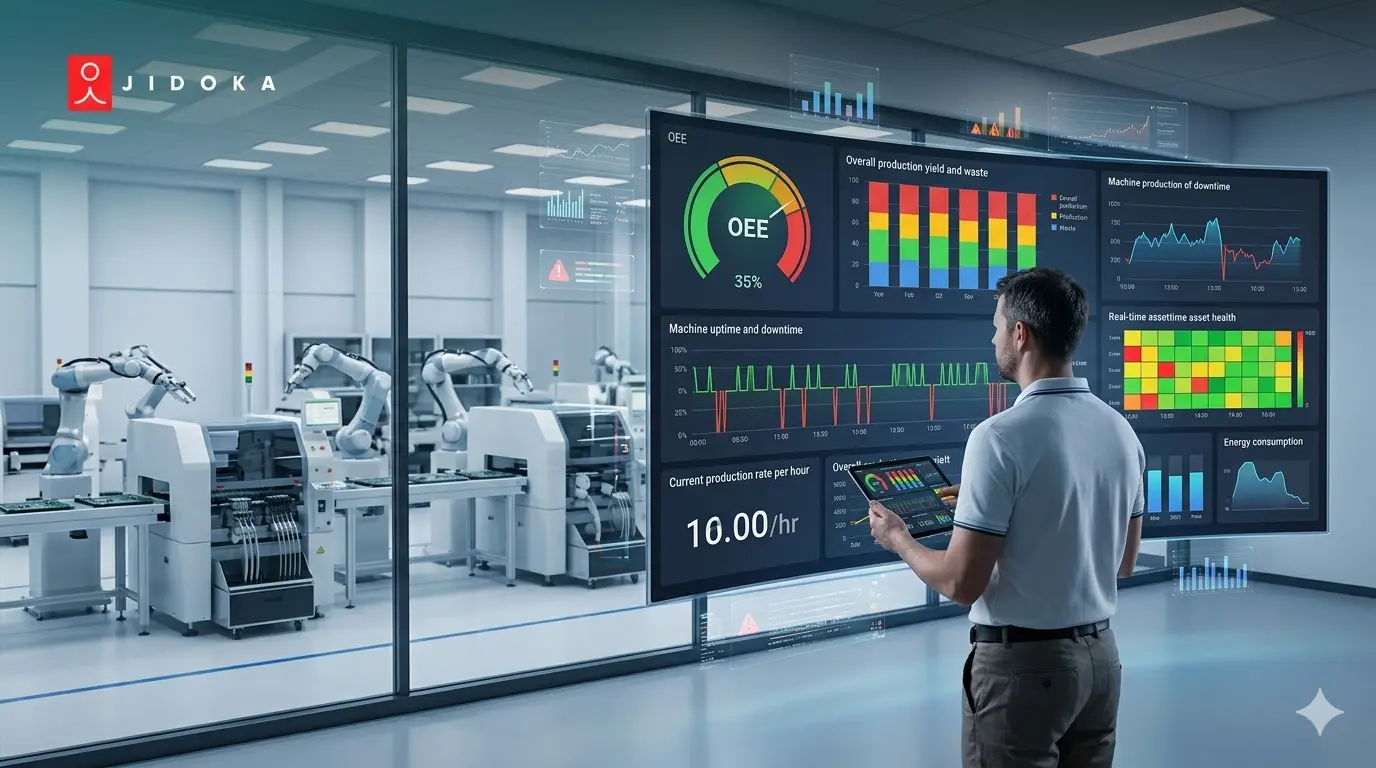
El OEE es el producto de tres componentes: Disponibilidad (tiempo de producción planificado menos tiempo de inactividad, dividido por el tiempo planificado), Rendimiento (tasa de producción real dividida por la tasa ideal) y Calidad (unidades buenas divididas por el total de unidades). Un OEE de clase mundial es del 85% o superior.
El promedio mundial en fabricación es de aproximadamente el 60%, y un OEE del 40% no es raro en plantas sin programas lean (leanproduction.com). La idea clave para mejorar el OEE en la fabricación: una brecha de 25 puntos en el OEE de una planta de 10 millones de dólares representa 2,5 millones de dólares en producción no realizada que ya está en la capacidad instalada. No se requiere equipo nuevo para recuperarla.
El OEE es un producto, no un promedio. Una instalación con un 90% de Disponibilidad, un 90% de Rendimiento y un 98% de Calidad produce un OEE del 79,4%, no del 90%. Por eso cada una de las "Ocho Grandes Pérdidas" importa de forma independiente. La Eficiencia General de los Equipos (OEE) se calcula como:
OEE = Disponibilidad × Rendimiento × Calidad
¿Cuáles son los ocho pilares del Mantenimiento Productivo Total y qué requiere cada uno?
Los ocho pilares del mantenimiento productivo total son: Mantenimiento Autónomo, Mantenimiento Planificado, Mantenimiento de Calidad, Mejora Enfocada, Gestión Temprana de Equipos, Formación y Educación, Seguridad y Medio Ambiente, y TPM Administrativo. Cada uno se dirige a una categoría de pérdida distinta y requiere datos específicos para funcionar y ser medido.
Pilar 1: Mantenimiento Autónomo y cuidado de equipos por parte del operario
En el mantenimiento autónomo, los operarios asumen la responsabilidad del cuidado rutinario de sus propios equipos: limpieza diaria, lubricación, inspección y ajustes menores. El objetivo es detectar anomalías a tiempo, antes de que se conviertan en averías. Esto requiere operarios formados en los fundamentos del equipo, rutinas de inspección diaria estandarizadas con listas de verificación y un mecanismo para verificar que las inspecciones se completaron en cada turno. NAGARE apoya directamente el Mantenimiento Autónomo a través de instrucciones de trabajo digitales y Poka-Yoke: los POE se digitalizan paso a paso, confirmando cada paso antes de avanzar, lo que permite señalar los pasos de inspección omitidos en tiempo real para que los supervisores conozcan el estado del cumplimiento por turno, y no por auditoría trimestral.
Pilares 2 y 3: Mantenimiento Planificado y Mantenimiento de Calidad
El Mantenimiento Planificado pasa de la programación basada en el calendario a la intervención basada en la condición. Los ingenieros de mantenimiento se encargan de las tareas preventivas programadas y del monitoreo de condiciones, respondiendo a las señales de salud del equipo, no a la fecha del calendario de mantenimiento. El Mantenimiento de Calidad elimina las condiciones del proceso que causan defectos, lo que requiere datos precisos sobre la tasa de defectos en el punto de producción. KOMPASS proporciona simultáneamente datos sobre la mejora de la disponibilidad de la maquinaria y el mantenimiento de la calidad: la detección de defectos 100% en línea envía datos continuos sobre tendencias de defectos a los ingenieros de mantenimiento, quienes necesitan saber qué condiciones del equipo están provocando pérdidas de calidad.
Pilares 4 y 6: Mejora enfocada y Capacitación y educación
La Mejora enfocada (Kobetsu Kaizen) gestiona equipos interfuncionales que se centran en pérdidas específicas en equipos concretos mediante eventos estructurados de resolución de problemas, impulsados por datos de OEE a nivel de equipo. El Pilar 4 requiere datos granulares de OEE por máquina, no promedios a nivel de planta, razón por la cual el monitoreo en tiempo real por activo es fundamental. La Capacitación y educación desarrolla operadores y personal de mantenimiento polivalentes. El caso de uso de capacitación y evaluación de habilidades de NAGARE aborda esto directamente: las estaciones de trabajo guiadas por IA brindan retroalimentación inmediata, rastrean el progreso de las habilidades del operador y comparan el desempeño con el trabajo estándar.
Pilar 5: Gestión temprana de equipos
La Gestión temprana de equipos (EEM) aplica el aprendizaje del mantenimiento productivo total a la adquisición y el diseño de nuevos equipos, integrando la mantenibilidad, la confiabilidad y la operabilidad en los activos antes de su instalación. Esto requiere datos de confiabilidad de los equipos existentes (MTBF, MTTR, patrones de modos de falla) y aportes de los operadores sobre dónde genera problemas la maquinaria actual. La mayoría de las plantas nunca llegan al Pilar 5 porque todavía están gestionando fallas reactivas en los activos existentes. Cerrar la brecha del mantenimiento reactivo a través de los Pilares 1 a 3 es el requisito previo para la IA de mantenimiento predictivo a nivel de diseño de equipos.
¿Cómo se clasifican las seis grandes pérdidas y qué cuestan en términos de OEE?
Las seis grandes pérdidas son las categorías que reducen el OEE: averías de equipos, configuración y ajustes, ralentí y paradas menores, velocidad reducida, defectos y reprocesos, y pérdida de rendimiento en el arranque. Cada una se asigna a un componente del OEE y representa un drenaje específico y medible de la producción.
1. Pérdidas de disponibilidad: Averías y tiempo de configuración
La Pérdida 1 (Averías de equipos) es cualquier parada no planificada por falla de la máquina, la pérdida más visible y disruptiva. La Pérdida 2 (Configuración y ajustes) es el tiempo de inactividad planificado para cambios de formato, cambios de herramientas y ajustes mayores. Aunque es planificado, el TPM busca reducir esto mediante programas de cambio rápido (SMED) y cambios rápidos dirigidos por el operador.
Ambas pérdidas reducen la disponibilidad del OEE. Las plantas que implementan correctamente la implementación de TPM en la fabricación reportan ganancias del 20 al 40% en la mejora de la disponibilidad de la máquina y una reducción del 71% en el tiempo de inactividad no planificado (oxmaint.com, abril de 2026).
2. Pérdidas de rendimiento: Microparadas y reducción de velocidad
La Pérdida 3 (Ralentí y paradas menores) cubre interrupciones de menos de dos minutos que los operadores nunca registran, pero que se acumulan a lo largo de un turno. La Pérdida 4 (Velocidad reducida): la máquina funciona, pero más lento que su tasa diseñada, a menudo porque los operadores reducen la velocidad para evitar defectos o porque el equipo se está desgastando sin ser detectado. Ambas pérdidas reducen el rendimiento del OEE.
Las microparadas de menos de dos minutos representan del 15 al 25% de la pérdida de productividad no reconocida en la fabricación discreta y son completamente invisibles para el registro manual. NAGARE detecta ambos tipos de pérdida desde cámaras existentes con una latencia inferior a 10 ms, generando un mapa de calor de microparadas por estación y turno sin necesidad de añadir hardware.
3. Pérdidas de calidad: Defectos y desperdicios en el arranque
La pérdida 5 (defectos y reprocesos) se refiere al material de desecho y al retrabajo causado por la variación del proceso, lo cual reduce la calidad del OEE. La pérdida 6 (pérdida de arranque y rendimiento) es el desecho generado al inicio de las operaciones durante el calentamiento o el cambio de formato. Una planta con un 90% de disponibilidad, un 90% de rendimiento y un 98% de calidad produce un OEE del 79,4%, no del 90%, porque el OEE se calcula multiplicando los factores, no promediándolos.
KOMPASS alimenta el componente de calidad del OEE en tiempo real mediante la inspección de cada unidad en línea, proporcionando una señal continua de tasa de defectos que actualiza la calidad del OEE durante el turno, en lugar de hacerlo al final, cuando el lote ya ha sido procesado.
¿Cómo es realmente una implementación exitosa de TPM en la fabricación?
Una implementación exitosa de TPM en la fabricación sigue un enfoque por fases: establecer las 5S como base, definir líneas base de OEE por activo, poner a prueba los ocho pilares en una línea, medir la mejora y escalar. La mayoría de las implementaciones exitosas reportan un aumento del OEE del 62% al 86% en 14 meses en las líneas piloto.
1. Establecer la línea base antes de cualquier prueba piloto
Mida el OEE de todos los activos críticos, documente la frecuencia actual de averías y mapee las actividades de mantenimiento existentes frente a los ocho pilares antes de lanzar cualquier piloto. Un estudio de Science Direct en una planta de fabricación química encontró un OEE del 37%, muy por debajo del punto de referencia de clase mundial del 85%, con un 67,6% de mantenimiento reactivo, solo un 24,3% preventivo y un 14% de participación de los operarios (innovapptive.com).
Esa línea base reveló qué pilares necesitaban atención urgente y proporcionó los datos del estado inicial necesarios para demostrar el impacto de la productividad del mantenimiento en la fabricación a lo largo del tiempo.
2. La estructura del piloto de 90 días
Seleccione una línea o un equipo crítico. Implemente primero el mantenimiento autónomo, donde los operarios se encargan del cuidado diario. Establezca la recolección de datos de OEE con visibilidad en tiempo real. Realice eventos de mejora enfocada en las pérdidas de mayor impacto. Mida el OEE a los 30, 60 y 90 días. Dependencia crítica: si los datos de OEE todavía se recolectan manualmente al final del turno durante el piloto, los resultados de los 90 días se verán distorsionados por el retraso en los datos.
La visibilidad en tiempo real no es opcional para un piloto de mejora de OEE en la fabricación. Las plantas que implementan correctamente el mantenimiento productivo total reportan una reducción de costos de mantenimiento del 15 al 30% y ganancias de disponibilidad del 20 al 40% (oxmaint.com, abril de 2026).
3. Cómo se ve un programa de TPM maduro después de 12 meses
Un programa maduro de mantenimiento productivo total muestra: una mejora constante del OEE en todas las líneas, no solo en la piloto; el mantenimiento pasando de reactivo a programado (más del 50% planificado frente a reactivo); los operarios señalando rutinariamente las anomalías del equipo antes de que ocurra una avería; y una mayor frecuencia de eventos Kaizen a medida que los equipos cuentan con mejores datos sobre el origen de las pérdidas.
El fabricante promedio pierde 800 horas al año debido al tiempo de inactividad de los equipos (infosysbpm.com). Un programa de TPM maduro que aborda esta brecha cambia por completo la economía de la planta.
¿Cómo proporciona la monitorización de procesos mediante IA los datos en tiempo real que el TPM necesita para mejorar el OEE?
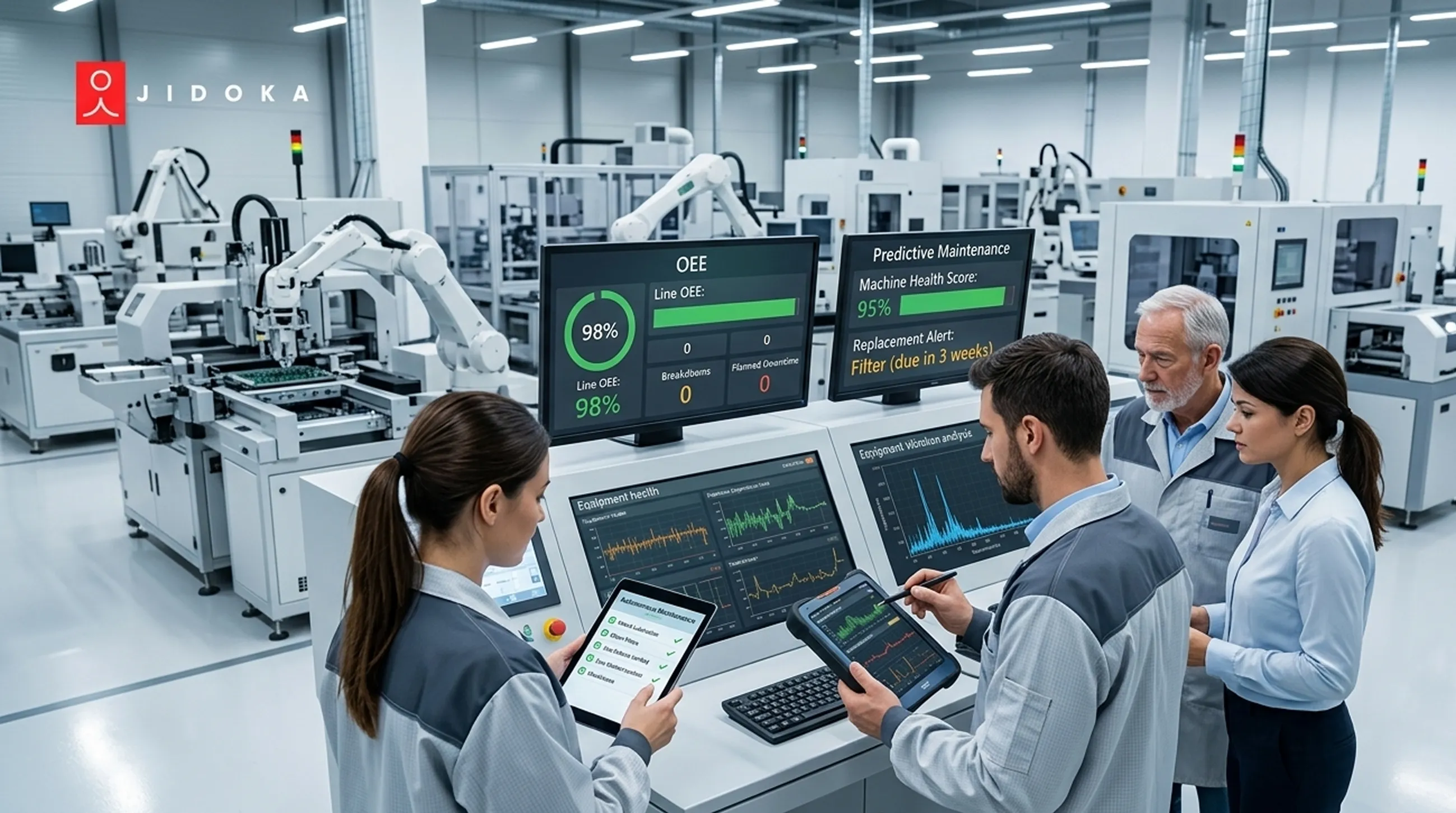
El monitoreo de procesos mediante IA proporciona los datos de OEE en tiempo real que requiere el TPM, extrayendo señales de disponibilidad de las salidas de los PLC existentes, datos de rendimiento del análisis de tiempos de ciclo basado en cámaras y datos de calidad de la inspección en línea, todo ello sin necesidad de nuevos sensores. Esto transforma el OEE de un cálculo manual mensual a una señal operativa continua por turno.
NAGARE como capa de datos de rendimiento y mantenimiento autónomo
NAGARE aborda simultáneamente dos brechas de datos en el mantenimiento productivo total. Para el rendimiento OEE: NAGARE detecta el estado de la máquina y la desviación del tiempo de ciclo a partir de cámaras existentes con una latencia inferior a 10 ms, capturando microparadas de menos de dos minutos que el registro manual pasa por alto por completo y que representan entre el 15 y el 25 % de las pérdidas de rendimiento no reconocidas.
Para el mantenimiento autónomo: NAGARE verifica que los operarios completen los pasos diarios de cuidado del equipo frente a procedimientos operativos estándar digitales, señalando los pasos omitidos en tiempo real para que los supervisores conozcan el estado de cumplimiento del mantenimiento autónomo por turno, y no por auditoría trimestral. Una implementación de NAGARE en una sola línea sobre CCTV existente puede estar operativa en un plazo de 1 a 2 semanas, en lugar de los 3 a 6 meses que suelen requerir las plataformas empresariales basadas en sensores.
KOMPASS como capa de datos de mantenimiento de calidad
KOMPASS aborda simultáneamente el componente de calidad del OEE y el pilar de mantenimiento de calidad. KOMPASS inspecciona cada unidad en línea a una velocidad de hasta 12 000 PPM con una precisión de detección de defectos del 99,9 % [VERIFICAR: jidoka-tech.ai/products/kompass], generando una señal continua de tasa de defectos que actualiza el componente de calidad del OEE en tiempo real en lugar de al final del turno.
Para los equipos de mejora continua Kaizen: los datos de tendencias de defectos de KOMPASS identifican qué condiciones del equipo, ventanas de turno y variantes de producto generan pérdidas de calidad; es la información precisa que los equipos necesitan para enfocar sus sesiones Kaizen en las pérdidas de mayor impacto. Resultados de adherencia al proceso de NAGARE que respaldan el mantenimiento productivo total: aumento del 30 % en la adherencia al proceso, reducción del 35 % en el reprocesamiento.
Conclusión
El mantenimiento productivo total define cómo es la fabricación con cero pérdidas. La eficiencia general de los equipos (OEE) define qué tan lejos está una planta de lograrlo. La brecha entre un OEE promedio del 60 % y uno de clase mundial del 85 % no se cierra programando más mantenimiento. Se cierra haciendo que cada pérdida sea visible en tiempo real y actuando sobre ella dentro del mismo turno, no en el siguiente ciclo de auditoría.
Descubra cómo KOMPASS y NAGARE proporcionan la capa de datos de OEE que requiere el mantenimiento productivo total en jidoka-tech.ai.
Preguntas frecuentes
1. ¿Qué es el mantenimiento productivo total y en qué se diferencia del mantenimiento preventivo?
El mantenimiento productivo total es una metodología que abarca a toda la empresa, donde los operarios asumen la responsabilidad del cuidado diario de los equipos, permitiendo que los especialistas en mantenimiento se centren en el trabajo planificado y predictivo. A diferencia del mantenimiento preventivo estándar, que se basa en el calendario y es realizado únicamente por el equipo de mantenimiento, el mantenimiento productivo total involucra a todos los empleados y utiliza la eficiencia general de los equipos como la métrica principal para medir la salud de los equipos de forma continua.
2. ¿Cuáles son los ocho pilares del mantenimiento productivo total?
Los ocho pilares son: Mantenimiento Autónomo, Mantenimiento Planificado, Mantenimiento de Calidad, Mejora Enfocada, Gestión Temprana de Equipos, Formación y Educación, Seguridad y Medio Ambiente, y TPM Administrativo. Cada uno se dirige a una categoría de pérdida distinta y requiere datos precisos y oportunos para ser medido y mejorado. Los operarios de mantenimiento autónomo completan rutinas diarias de cuidado de los equipos que permiten a los ingenieros de mantenimiento pasar de la reparación reactiva a la mejora continua.
3. ¿Qué es el OEE y cómo se calcula en el Mantenimiento Productivo Total?
El OEE es el producto de la Disponibilidad, el Rendimiento y la Calidad. Una puntuación OEE de clase mundial es del 85% o superior. El promedio mundial de fabricación es de aproximadamente el 60%. (leanproduction.com). Una instalación con un 90% de Disponibilidad, un 90% de Rendimiento y un 98% de Calidad produce un OEE del 79,4%, no del 90%, porque el OEE multiplica en lugar de promediar. El mantenimiento productivo total utiliza el OEE para cuantificar la brecha entre la producción actual y la potencial.
4. ¿Cuáles son las Seis Grandes Pérdidas en el TPM y cómo se relacionan con el OEE?
Las Seis Grandes Pérdidas se relacionan con los tres componentes del OEE: las pérdidas de Disponibilidad incluyen averías y tiempos excesivos de preparación y ajuste. Las pérdidas de Rendimiento incluyen paradas menores de dos minutos y máquinas que funcionan por debajo de la velocidad de diseño. Las pérdidas de Calidad incluyen defectos y retrabajos, además de los desechos de puesta en marcha. Las microparadas de menos de dos minutos son la categoría de pérdida menos cuantificada, representando del 15 al 25% de la pérdida de productividad no reconocida en la fabricación discreta, invisible para el registro manual.
5. ¿Cómo apoya el monitoreo de procesos mediante IA al Mantenimiento Productivo Total y a la mejora del OEE?
El monitoreo de procesos mediante IA apoya al mantenimiento productivo total proporcionando los datos en tiempo real que cada pilar requiere sin necesidad de añadir nuevos sensores. NAGARE captura datos de OEE de Disponibilidad y Rendimiento de cámaras y PLC existentes, incluyendo la frecuencia de microparadas que los registros manuales pasan por alto, y verifica la finalización de los pasos de Mantenimiento Autónomo por turno. KOMPASS proporciona datos de OEE de Calidad mediante inspección en línea al 100%. Juntos, convierten el OEE de un cálculo mensual en una señal en vivo.