%2010%20Best%20Cameras%20for%20Machine%20Vision%20Across%20Usecases.jpg)
マシンビジョン市場は 2025年に158億3000万ドル に達し、 2030年までには236億3000万ドルにまで成長する見込みです。自動検査の導入は誰もが望むところですが、どのセンサーを選ぶべきか判断するのは容易ではありません。エリアスキャン、ラインスキャン、3D深度センサー、サーマルカメラ、GigEインターフェース、USB3コネクタなど、選択肢はあまりに多岐にわたります。
さらに状況を複雑にしているのが以下の事実です。 70% の産業オートメーションシステムが、すでに 欠陥検出のためにマシンビジョンカメラを採用しています。競合他社はすでに導入を済ませており、今すぐ追いつく必要があります。
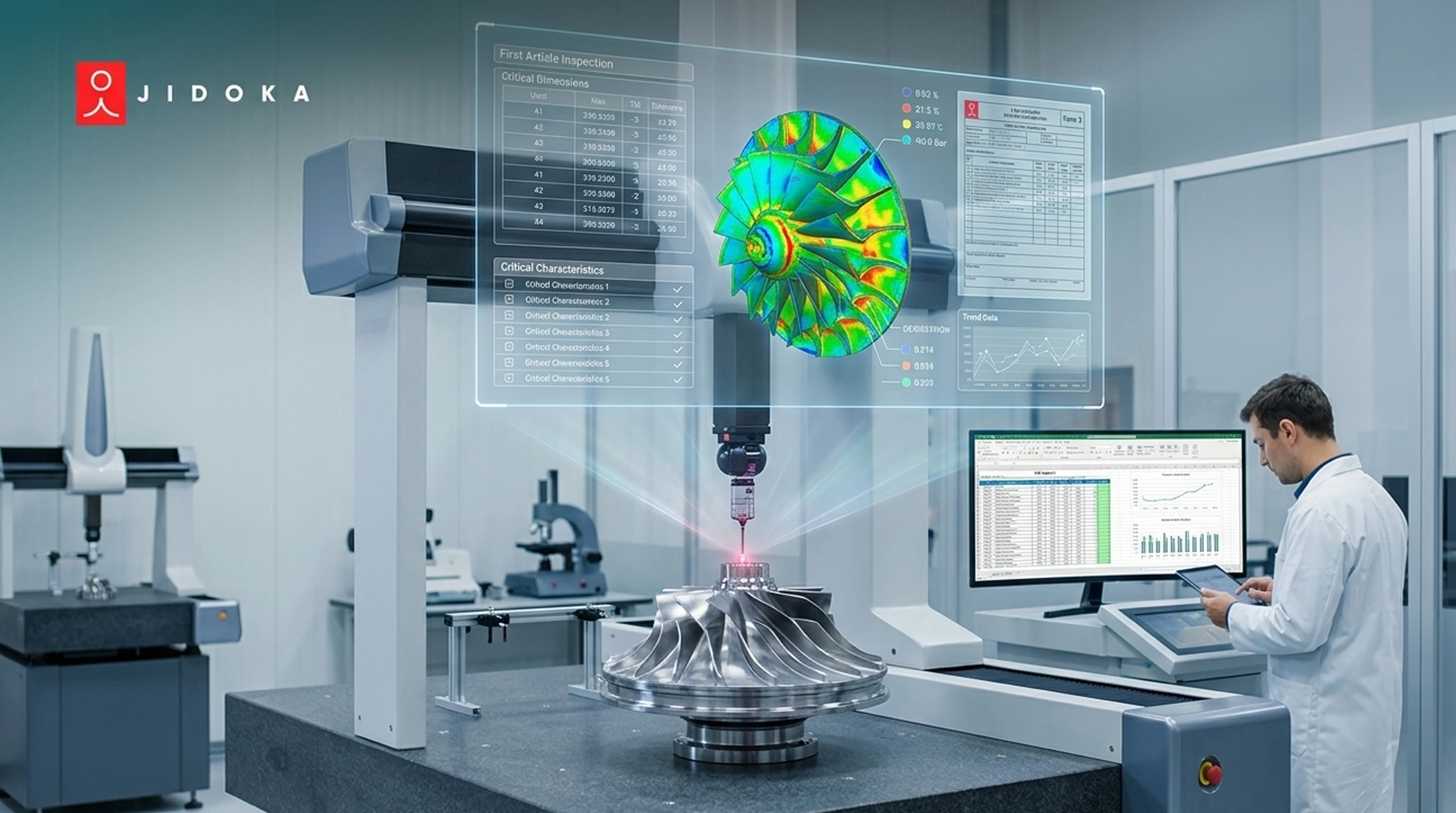
私たちは、エレクトロニクス、自動車、物流工場など、数多くの現場でシステムを検証してきました。本ガイドでは、実際の生産環境で真に機能するマシンビジョンカメラを厳選して紹介します。AIによる欠陥検出に適したカメラ、自動車の塗装工場という過酷な環境に耐えうるカメラ、そしてコンベアの高速搬送に対応した仕分け用モデルなど、現場で役立つ知見を解説します。
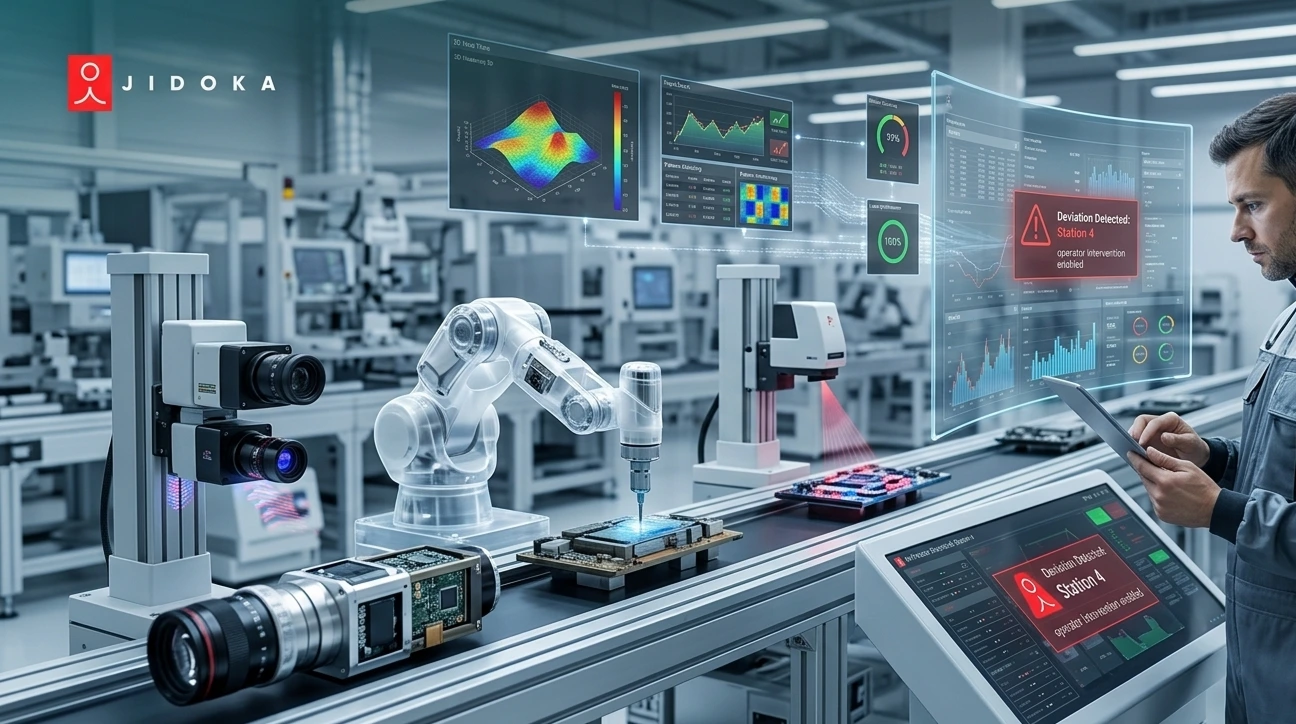
私たち Jidoka Techは、製造現場において高度なAI機能を備えたマシンビジョンカメラシステムの導入を支援しています。本ガイドでは、私たちが実際に生産ラインへ導入し、最適化を行ってきた10の優れた選択肢をご紹介します。
カメラ技術の分類:用途に応じた最適な選択
マシンビジョンカメラを選定する前に、押さえておくべき3つの主要技術があります。
1. エリアスキャン:標準的なスナップショット撮影
エリアスキャンカメラは、一度の撮影で画像全体を捉えます。スマートフォンのカメラをイメージしてください。これらは 45.2% の市場シェアを占めており、ほとんどの用途に対応可能です。
この 検査用産業用カメラ は、対象物を停止させて撮影し、次の工程へ進みます。セットアップはシンプルで、位置合わせも容易です。 500万〜800万画素 の解像度帯が 32.4% の市場シェアを占めていますが、それには理由があります。コストと画質のバランスが非常に優れているからです。
2. ラインスキャン:連続撮影のスペシャリスト
ラインスキャンカメラは、1画素列ずつ画像をキャプチャします。対象物がセンサーの前を通過する際に画像を繋ぎ合わせる仕組みです。紙ロール、金属シート、コンベアベルトなどの検査によく使用されます。画像長に制限がなく、最大で毎秒 142,800 ラインの速度に達します。
注意点は? 高速ビジョンカメラ アプリケーションでは、カメラの速度と対象物の移動速度を完全に同期させる必要があります。
3. 3Dビジョン:奥行きを捉えるセンサー
3Dカメラは高さや体積を測定します。ロボットによるバラ積みピッキングやデパレタイズ作業に不可欠です。この分野は 12.5% 毎年、自動化には深度データが不可欠だからです。
| Technology | How It Works | Best For | Key Advantage |
|---|---|---|---|
| Area Scan | Captures a full two dimensional image in one frame | Static components and electronics assembly | Easy setup with around 45.2 percent market share |
| Line Scan | Creates images row by row with continuous motion | Web materials and cylindrical objects | Unlimited image length with speeds up to 142,800 lines per second |
| 3D Vision | Uses time of flight or laser methods to measure depth | Robotic picking and volumetric measurement | Depth sensing with rapid growth at about 12.5 percent |
2Dシステムよりも優れた精度でピックポイントを算出します。マシンビジョンカメラの選定基準を理解することで、最適な技術を選択できるようになります。
それでは、実際の製造現場で成果を上げている具体的なモデルを見ていきましょう。
カテゴリーA:一般製造向け(電子機器・組み立て)
電子機器および組み立て ラインには精度が求められます。微細な欠陥のある回路基板の検査、部品配置の検証、そして人の目では見逃してしまうような傷の検出が必要です。
これらのコンピュータビジョン用途に最適なカメラは、高解像度とAIによる分析を組み合わせることで、高速な生産環境における複雑な欠陥検出に対応します。
1. Cognex In-Sight D900(AI搭載の強力なモデル)
特徴: AI搭載、エッジラーニング、IP67準拠、PC不要、 学習済みOCR、製造ビジョン用スマートカメラ
解像度: 2.3 MP~5 MP(モノクロおよびカラーオプション)
フレームレート: モデルにより16~51 FPS
接続性: GigE(TCP/IP、Modbus TCP/IP、EtherNet/IP、PROFINET対応)
用途: 外部コンピュータを必要としないディープラーニングによる欠陥検出。このマシンビジョン用途に最適なカメラは、ルールベースのビジョンシステムでは対応できない複雑な検査タスクを解決します。
用途: 傷や異常、組み立てミスといった予測困難な欠陥を検出する必要がある場合。製造ラインにPCインフラを追加することなく、エッジ側でAI解析を行いたい場合に最適です。
1. SICK Inspector 83x(ネットワーク対応モデル)
特長: マルチカメラ同期、高速ネットワーク対応、産業グレード、拡張性の高いシステムアーキテクチャ、産業用ビジョンカメラガイド準拠
解像度: モデル構成により異なります(通常1.3MP〜5MP)
フレームレート: 高速検査向けに最大200 FPS
接続性: GigE Vision、Ethernet/IP、PROFINETに対応し、工場へのシームレスな統合が可能
最適な用途: 複数のカメラを連携させるマルチアングル検査。1つの視点ではすべての欠陥を捉えきれない場合に最適です。
用途: 部品を複数の角度から同時に検査する必要がある場合。複雑な組み立てを確認するために同期されたマルチカメラシステムが求められる高速ラインでの運用に適しています。
3. Basler Ace2 Pro(コストパフォーマンス重視モデル)
特長: Sony Pregius Sセンサー搭載、グローバルシャッター、Compression Beyond、Pixel Beyond、PGI最適化、費用対効果に優れ、検査用途に適した産業用カメラ
解像度: 最大24.4 MP(5,328 x 4,608ピクセル)、8.3 MPおよび16.1 MPのオプションも選択可能
フレームレート: 解像度およびモデルに応じて15~60 FPS
接続性: GigE、5GigE、USB 3.0(Power over Ethernet対応)
用途: 高度な機能を低コストで実現したい大量検査に最適です。グローバルシャッターにより、高速な生産ラインでもモーションブラー(ぶれ)を防ぎます。
推奨シーン: コストを抑えつつも画質には妥協できない場合に最適です。電子機器製造において、カメラ内での画像最適化や圧縮といった高度な機能を備えつつ、競争力のある価格を実現したマシンビジョン用カメラを必要とする現場に適しています。
4. FLIR Boson(サーマルカメラの専門家)
特徴: サーマルイメージング、非冷却型VOxマイクロボロメータ、コンパクトな形状、温度測定、非接触検査、サーマルビジョン用途向け高速カメラ
解像度: 320 x 256または640 x 512サーマルピクセル
フレームレート: 60 Hzサーマルリフレッシュレート
接続性: USB、アナログビデオ出力、デジタルインターフェースオプション
用途: 可視光カメラでは対応できないシーリング確認や熱検知に最適です。標準的な光学機器では捉えられない熱変化を可視化し、品質管理に貢献します。
推奨シーン: 接着剤の塗布温度の確認、パッケージのシール完全性の検査、電子機器の熱異常の検出など、外観よりも温度が重要となる熱シグネチャーの監視や接着工程のテストにおいて、この産業用検査カメラが威力を発揮します。
カテゴリーB:自動車業界向け(塗装・重量物組立)
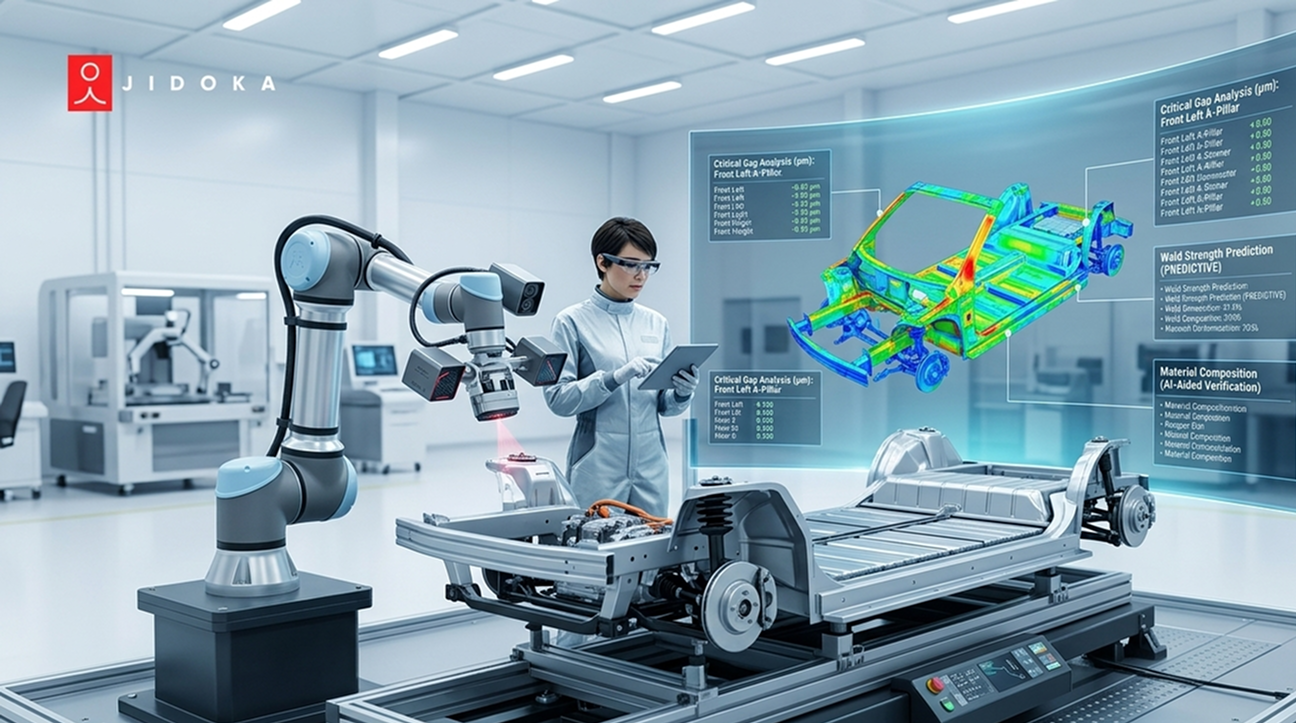
自動車製造は、ビジョンシステムにとって過酷な環境です。車体は塗装ラインを一定の速度で流れ、ロボットアームは数秒単位で重量部品を組み立てます。
過酷な環境に耐え、生産ペースに合わせて欠陥を捉えるカメラが必要です。これらのコンピュータビジョン向け高性能カメラは、自動車工場が求める耐久性と極めて高い処理速度を実現します。
5. Teledyne DALSA Linea(スピード重視モデル)
主な特徴: ラインスキャン、 TDIセンサー、裏面照射型、TurboDriveテクノロジー、ビジョンアプリケーション向け高速カメラ、超高解像度
解像度: 2k、4k、8kのオプションを用意。Linea HS2は5 µmピクセルサイズで16kに対応
フレームレート: 80 kHzラインレート(標準モデル)、1 MHzラインレート(Linea HS2 TDI)
接続性: GigE Vision、Camera Link HS、HS2モデル用デュアルCLHS CX4コネクタ
用途: 塗装工程の検査および高速表面解析。生産ラインを流れる車体の微細な塗装欠陥を検出する、マシンビジョンに最適なカメラです。
使用シーン: 高速で流れる連続的な表面の検査において、自動車部品の塗装ピンホール、傷、コーティングの欠陥などを検出する必要がある場合、ラインスキャン技術を採用したマシンビジョンカメラが不可欠です。
6. JAI Apexシリーズ(カラー検査のスペシャリスト)
主な特長: IP67準拠、優れた色再現性、堅牢な筐体、マルチスペクトル対応、自動車グレードの耐久性、産業用ビジョンカメラの標準仕様
解像度: モデル構成により5MPから12MP
フレームレート: 解像度に応じて20〜60 FPS
接続性: GigE Vision、Power over Ethernet、産業用M12コネクタ
用途: 過酷な 自動車製造 環境における色合わせおよび検査。生産ロット間での内装トリムの色味を完璧に一致させます。
推奨される使用シーン: 粉塵が多く振動の激しい自動車組立ラインで、塗装の色合わせや内装部品の一貫性を正確に検証する必要がある場合に最適です。一般的なカメラでは耐えられない環境下でも動作し、品質管理に必要な正確な色データを提供します。
7. キーエンス XGシリーズ(オールインワン型)
主な特長: スマートカメラ、画像処理機能内蔵、照明一体型、プラグアンドプレイ対応、ロボット連携対応、製造現場向けスマートビジョンカメラ、外部PC不要
解像度: モデル選択に応じて2MPから21MP
フレームレート: 低解像度モデルで最大383 FPS
接続性: Ethernet、EtherNet/IP、RS-232C、各種I/Oオプション
用途: ロボットや自動組立ラインへの容易な統合。照明、処理装置、レンズを一体化したマシンビジョンに最適なカメラで、導入を簡素化します。
推奨シーン: プラグアンドプレイのビジョンシステムが必要な場合 ロボットガイダンス またはピックアンドプレース作業。マシンビジョンの選定において、統合の複雑さを最小限に抑える必要がある自動組立ラインに最適です。カメラ内部で処理が完結するため、外部コンピュータや複雑な配線が不要で、セットアップは数分で完了します。
カテゴリーC:物流・倉庫業務に最適
倉庫業務にはスピードと正確さが求められます。コンベアベルト上を流れる荷物、損傷や回転、テープで覆われたバーコード。パレットから箱を取り出すロボットには深度データが必要です。
これらのコンピュータビジョン向けカメラは、コードの読み取りや容積計測をミリ秒単位で行う、物流現場の過酷な環境に対応します。
8. Cognex DataMan 280(コードリーダー)
特徴: バーコードリーダー、HDR技術、HSLLオートフォーカス、1DMax/2DMaxアルゴリズム、検査・追跡用産業用カメラ、マルチコード読み取り
解像度: 1.2 MP高解像度CMOSセンサー
フレームレート: 最大45 FPS(高速画像転送対応)
接続性: GigE(1 Gbpsイーサネット)、産業用プロトコル、マルチリーダー同期
用途: 高速な コンベア仕分け バーコードの損傷や印字不良による読み取りエラーが発生する環境に最適です。マシンビジョン用カメラとして、難易度の高いコードでも98%以上の読み取り率を維持します。
推奨環境: バーコード品質が一定でない倉庫の仕分けシステムに最適です。パッケージの流れを止めることなく、回転、損傷、低コントラストのコードをコンベア速度で読み取る必要がある場合に適したマシンビジョンカメラです。
9. Basler dart BCON(ロボットの目)
特徴: ボードレベルカメラ、コンパクト設計、低消費電力、組み込みビジョン、AGV/AMR最適化、産業用ビジョンカメラガイド準拠のフォームファクタ
解像度: 0.4 MPから5 MPまでのセンサーオプションを用意
フレームレート: 解像度に応じて60〜90 FPS
接続性: 組み込みシステム向けBCONインターフェース、最小限のケーブル配線
用途: スペースや電力に制約があり、カメラの選択肢が限られるモバイルロボットや自動運転車両に最適です。倉庫内を走行するAMR(自律走行搬送ロボット)に最適です。
推奨用途: スペースに厳しい制限がある無人搬送車や倉庫用ロボットを構築する場合に適しています。標準的なカメラではサイズが大きすぎる、あるいは消費電力が大きすぎるモバイルアプリケーションにおいて、マシンビジョンに最適なカメラです。この製造現場向けスマートカメラは、コンパクトかつ省電力なパッケージで、ロボットのナビゲーションや障害物検知を実現します。
10. Sony DepthSense(3Dナビゲーター)
特徴: Time-of-Flight(ToF)、RGB + 深度、3Dセンシング、リアルタイム深度マッピング、ロボット統合、深度機能付き高速マシンビジョンカメラ
解像度: VGA~1080p RGB、640 x 480 深度解像度
フレームレート: RGBおよび深度ストリームともに30~60 FPS
接続性: 高帯域幅の深度およびカラーデータ転送に対応したUSB 3.0
最適な用途: ロボットが正確な距離測定を必要とするデパレタイジングや箱のサイズ計測。RGB画像と深度データを組み合わせ、対象物を完全に把握します。
推奨用途: 倉庫でのデパレタイジングの自動化や、正確な梱包サイズの測定が必要な場合に適しています。ロボットが重なり合った箱を識別し、正確なピッキングポイントを算出する必要があります。このマシンビジョンに最適なカメラは、2Dカメラでは困難なビンやパレット内の対象物の高さや向きの特定など、ロボットによる把持に不可欠な深度情報を提供します。
| Camera Model | Type | Resolution | Speed | Best Application | Key Feature |
|---|---|---|---|---|---|
| Cognex In-Sight D900 | Smart Camera | 2.3–5 MP | 16–51 FPS | AI defect detection | Edge learning with no PC required |
| SICK Inspector 83x | Area Scan | 1.3–5 MP | Up to 200 FPS | Multi angle inspection | Multi camera synchronization |
| Basler ace2 Pro | Area Scan | Up to 24.4 MP | 15–60 FPS | High volume electronics | Global shutter with strong cost efficiency |
| FLIR Boson | Thermal | 320×256 / 640×512 | 60 Hz | Heat detection | Non contact temperature sensing |
| Teledyne DALSA Linea | Line Scan | 2k–16k | 80 kHz–1 MHz | Automotive paint inspection | Ultra high speed |
| JAI Apex Series | Area Scan | 5–12 MP | 20–60 FPS | Color matching | IP67 protection for harsh environments |
| Keyence XG Series | Smart Camera | 2–21 MP | Up to 383 FPS | Robot integration | Built in high speed processing |
| Cognex DataMan 280 | Barcode Reader | 1.2 MP | Up to 45 FPS | Warehouse sorting | Over 98 percent accuracy on damaged codes |
| Basler dart BCON | Board Camera | 0.4–5 MP | 60–90 FPS | Mobile robots | Compact and low power design |
| Sony DepthSense | 3D ToF | VGA–1080p RGB | 30–60 FPS | Depalletizing | Depth data combined with RGB imaging |
Jidoka Techによる高性能ビジョンシステムの導入方法
マシンビジョンに最適なカメラを選ぶことは、成功への道のりの半分に過ぎません。実際の製造現場で機能させることこそが、多くの導入プロジェクトが失敗する要因となっています。
Jidoka Tech は、実際の製造現場の過酷な環境下でも機能するAI検査システムを構築しています。カメラ、照明、PLCタイミング、エッジユニットを最適に調整し、あらゆるシフトで安定した稼働を実現します。マシンビジョン用カメラの選定から最終的な導入まで、すべてをトータルでサポートします。
Jidokaのシステムを導入した工場では、以下の安定したパフォーマンスが報告されています。 毎分12,000個以上 、最大で 1日あたり3億回の検査。Jidokaの強みは、産業用カメラの機能を標準的な検査の枠を超えて拡張する、2つのシステムを組み合わせている点にあります。
1. KOMPASS: 高精度検査システム
- 実稼働ラインで 99.8%以上 の精度を実現
- 各フレームを 10ミリ秒以内
- で解析 60〜70% 少ないサンプル数で新しいバリエーションを学習
- 反射する金属、印刷面、テクスチャのある部品にも対応
KOMPASS は、コンピュータビジョン用途に最適なカメラと連携し、AIを活用した欠陥検出を実現します。
2. NAGARE: 工程・組立分析システム
- トラッキング 100% の組み立て工程を既存のカメラで監視
- 部品の欠品や手順の誤りをリアルタイムで検知
- 手直しを 20~35%
NAGARE は、製造現場のビジョンシステム導入において、組み立て検証機能によりスマートカメラの性能を最大限に引き出します。Jidokaはシステム全体をローカルのエッジユニットで実行するため、ネットワーク遅延が発生しません。多くの導入事例では、死角のない完全な監視を実現するために複数のカメラタイプを組み合わせています。
Jidoka Techにお問い合わせ いただき、ビジョンシステムの導入と検査精度の最適化を実現しましょう。
結論
用途に最適なマシンビジョンカメラは必ず存在します。ハードウェアの信頼性は確立されており、CognexはAI解析を、Teledyneはメガヘルツ級の高速撮影を、Baslerはコストと性能のバランスを、Sonyはロボットに必要な深度データを提供しています。
しかし、統合を急ぐとカメラは機能しません。照明が不適切であれば誤判定が生じ、同期が不十分であればモーションブラーが発生し、レンズの選定を誤れば欠陥を見逃します。生産ラインがフル稼働していても、ビジョンシステムが問題の60%しか検知できなければ、不良品が顧客の手に渡り、リコールが発生し、品質に対する信頼が失墜します。
真の問題は、どのコンピュータビジョン用カメラを購入すべきかではありません。誰が正しく統合できるかです。 Jidoka Tech は、マシンビジョンカメラの選定から、照明設計、エッジAIの統合、そして本番環境での検証に至るまで、導入の全工程をサポートします。
Jidoka Techと共に、最適なカメラシステムを導入しましょう。
よくある質問
スマートカメラと産業用カメラの違いは何ですか?
スマートカメラは処理機能を内蔵しているため、外部PCが不要です。一方、産業用カメラは別途プロセッサが必要ですが、複雑なマシンビジョン用途に合わせてカメラを選択できる柔軟性があります。スマートカメラは基本的なタスクの統合を簡素化し、産業用カメラは高度なAIや、より高い演算能力を必要とする高速カメラビジョンアプリケーションに対応します。
エリアスキャンではなくラインスキャンを使用すべきなのはどのような場合ですか?
連続したウェブ状の対象物、円筒形の物体、または長さが無限の画像を撮影する場合は、ラインスキャンを使用してください。高速コンベア上のマシンビジョンに最適なカメラはラインスキャンであり、毎秒142,800ライン以上の速度でキャプチャ可能です。エリアスキャンは、静止した部品の検査や、産業用カメラを用いたよりシンプルなセットアップが必要な用途に適しています。
部品のバラ積みピッキング(ビンピッキング)に3Dカメラは本当に必要ですか?
はい、必要です。3Dカメラは、ロボットが正確に把持するために必要な深度データを提供します。2Dカメラでは物体の高さの特定や、ロボットによるデパレタイジングや製造ビジョン自動化のためのスマートカメラにおける衝突回避ポイントの計算ができないため、このコンピュータビジョン向け最適カメラのセグメントは年率12.5%で成長しています。
照明はカメラの選択にどのような影響を与えますか?
照明は、検査用産業カメラのセンサー感度やフレームレートに適合させる必要があります。ラインスキャンには均一な照明が必要であり、エリアスキャンにはストロボ照明が使用されます。マシンビジョンに最適なカメラに搭載されたHDR技術は、低コントラストな対象物の読み取りを可能にします。照明が不適切であれば、カメラの品質に関わらず誤判定の原因となります。