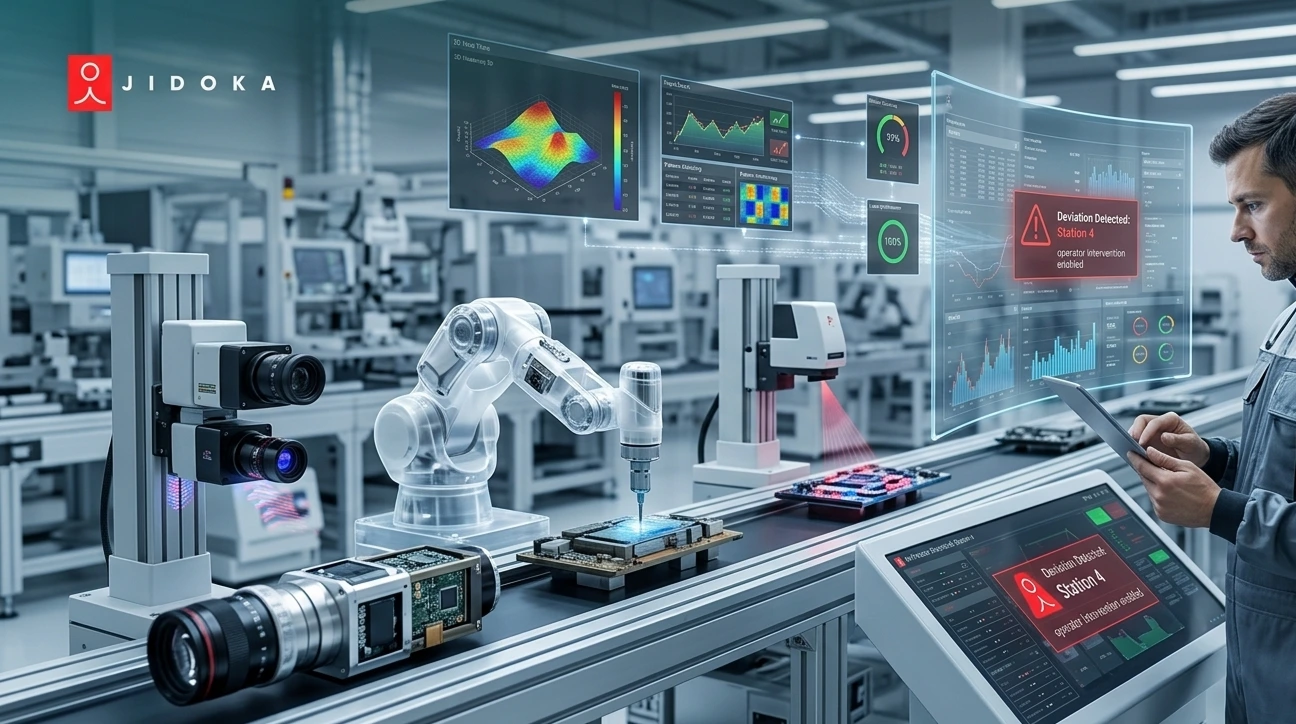
Wachten tot het einde van de lijn om de kwaliteit te controleren, leidt tot enorme financiële verspilling. In 2025 bleek het opsporen van een defect tijdens de eindmontage 10 keer duurder dan het opsporen ervan op het specifieke werkstation waar het ontstond (Industrial Quality Review 2025).
Faciliteiten die volledig vertrouwen op het sorteren van eindproducten zien hun marges continu eroderen. Deze gids beschrijft hoe u inspectiepunten inricht die uw materialen beschermen zonder de productiesnelheid te vertragen.
Belangrijkste inzicht: Een inspectie tijdens het proces evalueert onderdelen die actief door de assemblagelijn bewegen om afwijkingen direct op te sporen. Door halverwege de productie kwaliteitscontroles uit te voeren, voorkomen fabrikanten dat er waarde wordt toegevoegd aan afgekeurd materiaal, wat zorgt voor strikte naleving en proactieve foutpreventie in de gehele faciliteit (Manufacturing Engineering Institute 2025).
Wat is inspectie tijdens het proces in de productie?
Een inspectie tijdens het proces is een continue evaluatiemethode waarbij halffabricaten tussen productiestadia door worden getest. Het identificeert direct afwijkingen in machines en fouten van operators, waardoor technici apparatuur kunnen herkalibreren voordat er een grote batch defecte onderdelen ontstaat.
IPQC-kwaliteitscontrole definiëren
In-Process Quality Control (IPQC-kwaliteitscontrole) is een actieve, doorlopende strategie in plaats van een passieve eindcontrole. Elk inspectiepunt tijdens het proces fungeert als een bewaakt controlepunt waar operators meten, vergelijken en bevestigen voordat onderdelen verder gaan. De mentaliteit in de fabriek verschuift van het opsporen van defecten naar het voorkomen ervan.
Het praktische verschil is aanzienlijk. Een faciliteit die IPQC-kwaliteitscontrole toepast, merkt bij werkstation drie dat een afmeting buiten de tolerantie valt. Een faciliteit die vertrouwt op eindcontrole ontdekt dat probleem pas nadat er 400 onderdelen zijn bewerkt, geassembleerd en gefactureerd. De inspectiemethode tijdens het proces stopt de verspilling op het moment dat de afwijking optreedt. Jidoka's systemen voor verificatie van assemblage met meerdere componenten passen precies dit principe toe in elke fase van de assemblage.
Het principe van het stilleggen van de lijn
Lean manufacturing hanteert het concept jidoka: stop de productie zodra er een afwijking wordt gedetecteerd. Een machine die net buiten de specificaties draait, is niet zomaar een klein ongemak. Het is de bron van 500 niet-conforme onderdelen die voor het einde van de dienst moeten worden gesorteerd, herbewerkt of afgekeurd.
De lijn stoppen bij het eerste teken van afwijking beschermt elk onderdeel verderop in het proces. De kosten van de stilstand zijn gelijk aan de kosten voor het identificeren en corrigeren van één probleem. De kosten van niet stoppen zijn de kosten van het verergeren van dat probleem gedurende de rest van de productie. Het kwaliteitscontrolepunt tijdens het proces is het mechanisme dat stoppen praktisch maakt, zonder dat er bij elk twijfelgeval handmatig ingrijpen van een supervisor nodig is.
Inspectie van onderhanden werk bijhouden
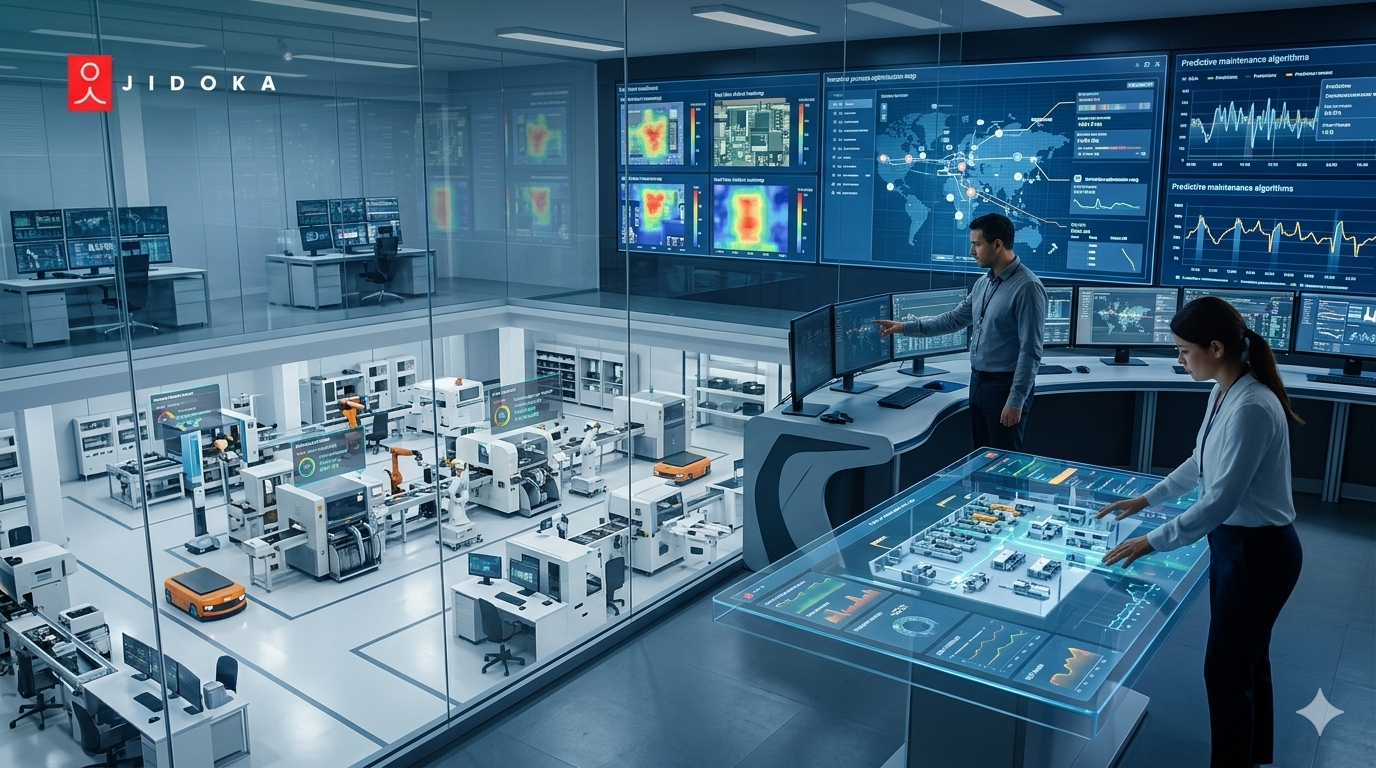
Een inspectie van onderhanden werk creëert een realtime overzicht van de status van uw faciliteit. Wanneer inspectiegegevens uit elke tussenfase binnenstromen, zien kwaliteitsingenieurs direct waar de opbrengst hoog is en waar deze afneemt. Dat overzicht vormt de basis voor gerichte procesverbetering.
Faciliteiten die actief inspecties van onderhanden werk uitvoeren, verminderen het totale volume aan afvalmateriaal met gemiddeld 41 procent per jaar (Lean Manufacturing Consortium 2024). Dat cijfer werkt cumulatief: minder afval betekent een hogere bruikbare output uit dezelfde hoeveelheid grondstoffen, wat de marge op elke geproduceerde eenheid verbetert.
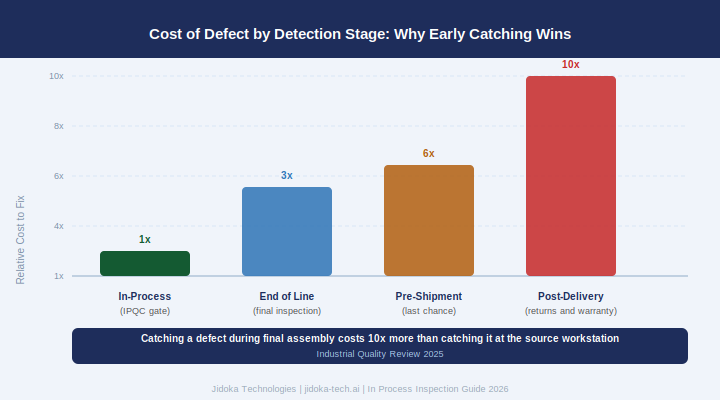
Figuur 1: Kosten van defecten per detectiefase: waarom identificatie tijdens het proces financieel voordeliger is
Waar moet u een kwaliteitscontrolepunt in het proces plaatsen?
Een kwaliteitscontrolepunt moet op risicovolle knooppunten worden geplaatst om foutpreventie te maximaliseren. Ingenieurs plaatsen deze controlepunten doorgaans direct na complexe bewerkingen, vóór onomkeerbare montagestappen en telkens wanneer het beheer van onderdelen van afdeling wisselt.
Voor meer context over hoe de plaatsing van controlepunten aansluit bij de bredere inspectiemethodiek, zie Jidoka's gids voor machine-inspectiemethoden en soorten inline productie-inspecties.
Controlepunten vóór onomkeerbare assemblage
De meest kritieke positie voor een kwaliteitscontrolepunt is direct vóór elke stap waarbij een onderdeel permanent wordt verbonden, verzegeld of gecoat. Lassen, verlijmen, inkapselen en heat staking overschrijden allemaal een grens van onomkeerbaarheid. Een onderdeel dat na een van deze bewerkingen faalt, kan niet meer worden hersteld. Het wordt afval en sleept alle voorheen goede onderdelen waarmee het was verbonden mee de afvalbak in.
De economische logica is simpel. Een bewerkte beugel die 0,2 mm buiten de tolerantie valt opvangen voordat deze in een frame wordt gelast, kost alleen de beugel. Diezelfde fout opvangen na het lassen kost de beugel, het frame, de lasuren en alle montagewerkzaamheden die na de verbinding zijn uitgevoerd. Een inspectie tijdens het productieproces bij dat controlepunt vóór het lassen voorkomt deze kostenstijging volledig. Jidoka's digitale werkinstructie- en Poka-Yoke-systemen dwingen deze controles vóór assemblage af zonder de operators te vertragen.
Integratie van hoogwaardige componenten
Voordat een dure microchip, precisiemotor of gespecialiseerde sensor in een basiseenheid wordt geïntegreerd, moet die basiseenheid worden geverifieerd. Het toevoegen van een kostbaar onderdeel aan een niet-conform basisonderdeel leidt gegarandeerd tot afval tegen maximale kosten. De inspectie tijdens het proces op dit punt beschermt het meest kostbare materiaal in de assemblage.
Dit geldt voor elektronicafabricage waar chips honderden dollars per stuk kosten, en in automobielproductie waar sensormodules worden ingekocht volgens strakke toewijzingsschema's. Een enkel afgekeurd exemplaar door een defect basiscomponent is een herstelbaar verlies. Een serie van 50 afgekeurde assemblages met geïntegreerde componenten is een probleem voor de toeleveringsketen.
Overgangen in machinegereedschap
Elk instabiel proces vereist direct na voltooiing een inspectie tijdens de productie. Thermische behandeling, chemisch etsen, koudvervormen en slijpen introduceren allemaal dimensionale en structurele variabiliteit die moet worden gemeten voordat het onderdeel verdergaat. Een machine die voor de eerste 200 eenheden goede onderdelen produceerde, kan bij eenheid 201 gaan afwijken door gereedschapsslijtage of warmteontwikkeling.
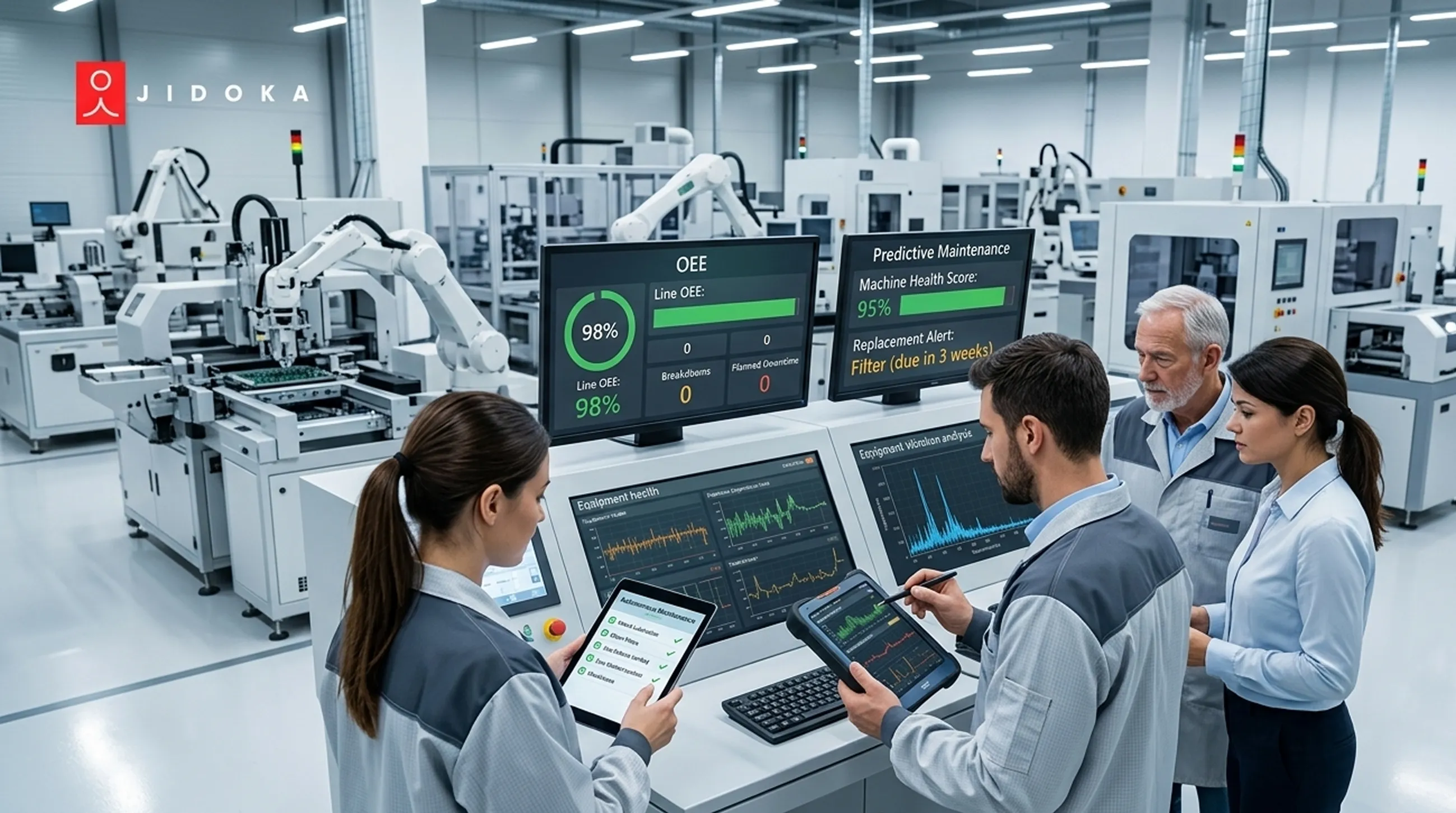
Strategische plaatsing van kwaliteitscontroles verbetert de algehele apparatuureffectiviteit (OEE) met maximaal 18 procent door het verminderen van herbewerkingscycli (Plant Engineering Network 2025). De logica: als een afwijkend proces bij eenheid 201 wordt opgemerkt, verlies je 1 onderdeel. Als het onopgemerkt doorloopt tot de sortering aan het einde van de dienst, verlies je er 50.
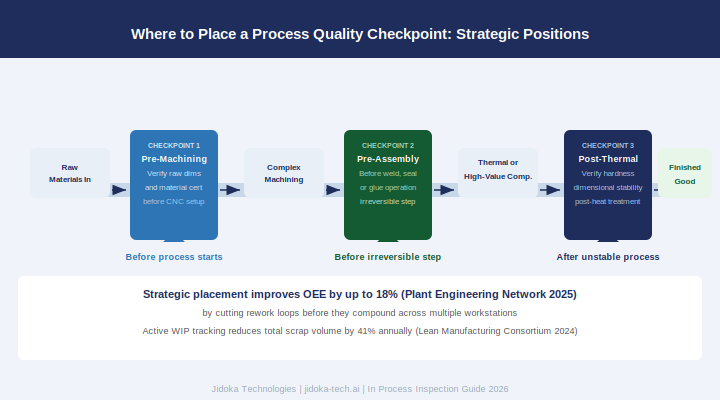
Figuur 2: Strategische plaatsing van kwaliteitscontrolepunten in het proces: drie controleposities op de assemblagelijn
Hoe voorkomt IPQC-kwaliteitscontrole verspilling?
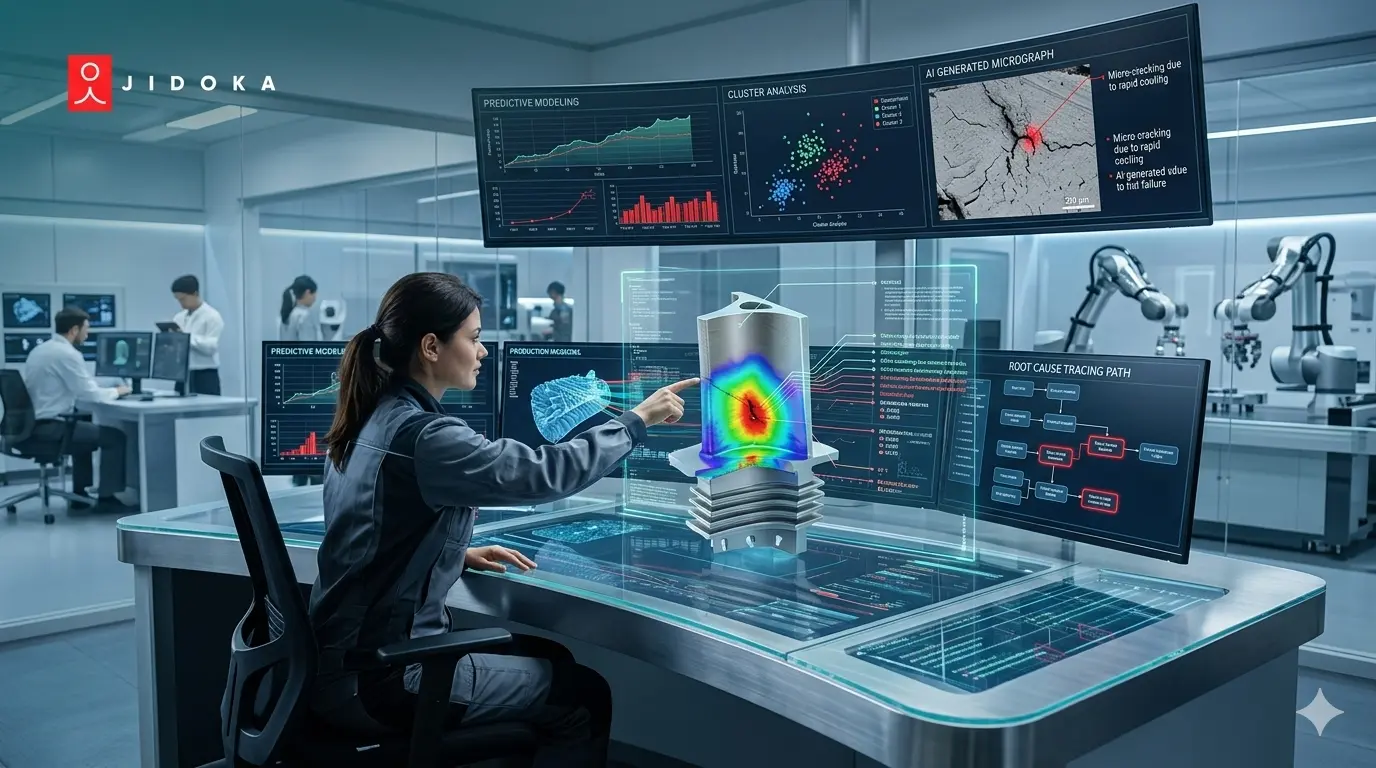
IPQC-kwaliteitscontrole voorkomt fysiek dat een defect item meer arbeid, energie en machinetijd verbruikt. Dit is het belangrijkste financiële argument voor inspectie tijdens het proces: isoleer de bronoorzaak bij het werkstation, niet nadat de batch voltooid is.
De exacte bronoorzaak isoleren
Wanneer een defect tijdens een inspectie tijdens het proces bij werkstation vier wordt gevonden, is de bronoorzaak werkstation vier. De reikwijdte van het onderzoek is één machine, één operator, één set gereedschap en één recente wijziging in de procesparameters. De correctie is gericht en snel.
Vergelijk dat met het vinden van hetzelfde defect aan het einde van de lijn. Ingenieurs moeten nu alle 12 werkstations onderzoeken, de output van meerdere diensten vergelijken en materiaalcertificaten, machinegegevens en operatorverslagen kruislings controleren. Een defect waarvoor het 20 minuten duurt om de bronoorzaak te vinden met IPQC-kwaliteitscontrole, kost 3 dagen om te achterhalen via retrospectieve analyse van een voltooide batch. Voor algemene productie en FMCG-omgevingenbepaalt de snelheid van het vinden van de bronoorzaak direct hoeveel defect materiaal de lijn verlaat voordat correcties effect sorteren.
Het voorkomen van het domino-effect
Eén afwijking in de tolerantie blijft nooit beperkt tot één onderdeel. Een as die 0,3 mm te groot is, zorgt voor een verkeerde uitlijning in het lagerhuis. Die uitlijningsfout veroorzaakt voortijdige slijtage aan het aangrenzende onderdeel. Die slijtage leidt weer tot trillingen die een derde onderdeel beïnvloeden. Tegen de tijd dat de eerste defecte eenheid de eindcontrole bereikt, zijn er per assemblage drie onderdelen aangetast in plaats van één.
Door de afwijking van de as al tijdens de bewerking te detecteren, wordt de afwijking van 0,3 mm opgevangen voordat deze in de assemblage terechtkomt. De kosten beperken zich dan tot één as. Zonder deze kwaliteitscontrole tijdens het proces zijn de kosten drie onderdelen per getroffen eenheid, vermenigvuldigd met het aantal eenheden dat is geproduceerd voordat de afwijking werd ontdekt. Zie hoe Jidoka's KOMPASS AI dimensionale en visuele afwijkingen op werkstationniveau detecteert voordat ze verderop in het proces voor problemen zorgen.
Vergroten van de verantwoordelijkheid van operators
Wanneer operators hun eigen kwaliteitscontroles tijdens het proces uitvoeren, nemen ze eigenaarschap over hun werk. Een operator die elk tiende onderdeel meet aan de hand van de controlegrenzen, begrijpt de specificaties beter dan iemand die de hele dag produceert en het werk doorgeeft aan een controleur verderop in de lijn. Dat inzicht leidt tot meer precisie.
Fabrieken met protocollen voor kwaliteitscontrole door operators zien een daling van 27 procent in terugkerende mechanische fouten (Quality Management Journal 2024). De reden: operators die hun eigen afwijkingen ontdekken, corrigeren hun eigen proces. De feedbackloop is direct en onmiddellijk. Fouten die zich herhalen, zijn fouten waarvan de operator niet wist dat hij ze maakte. Kwaliteitscontrole door de operator zelf dicht dit kennishiaat bij de bron.
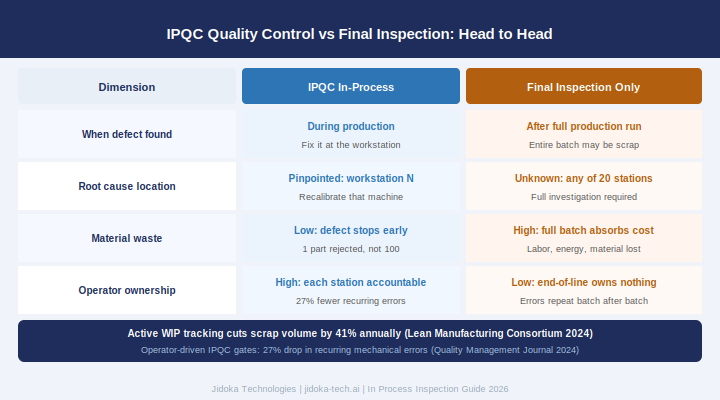
Figuur 3: IPQC-kwaliteitscontrole versus eindcontrole: vergelijking van bronoorzaak, verspilling en eigenaarschap van de operator
Hoe automatiseer je een kwaliteitscontrole tijdens de productie?
Het automatiseren van een kwaliteitscontrole tijdens de productie verwijdert de menselijke flessenhals die snelle assemblagelijnen vertraagt. Moderne faciliteiten maken gebruik van optische sensoren en digitale schuifmaten die meetgegevens rechtstreeks in het centrale kwaliteitsmanagementsysteem invoeren, waardoor papieren logboeken en vertragingen van 24 uur in de rapportage worden geëlimineerd.
Integratie van inline vision-systemen
Snelle camera's die boven of naast de transportband zijn gemonteerd, scannen onderdelen terwijl ze voorbijgaan, zonder de band te stoppen. De beeldsnelheid van de camera is hoger dan de snelheid van de transportband, waardoor elke eenheid wordt vastgelegd. AI-algoritmen vergelijken elk beeld met het goedgekeurde referentiemodel en signaleren afwijkingen in real-time.
Deze aanpak biedt FMCG-faciliteiten en elektronicaproducenten 100 procent inspectiedekking tijdens het proces zonder dat er een extra operator nodig is. Het systeem signaleert een afwijking, legt het beeld vast en activeert een uitwerpmechanisme verderop in de lijn om het afgekeurde onderdeel te verwijderen zonder de stroom van conforme onderdelen te onderbreken. Jidoka's KOMPASS AI werkt met meer dan 12.000 onderdelen per minuut met een classificatietijd van minder dan 10 milliseconden per eenheid.
Gebruik van geautomatiseerde digitale schuifmaten
Bluetooth-schuifmaten, meters en CMM-tasters uploaden meetgegevens direct naar de cloud op het moment van meting. De operator voert de meting uit; de data wordt automatisch vastgelegd. Papieren logboeken, handmatige overschrijvingen en het invoeren van gegevens in spreadsheets worden volledig uit het inspectieproces tijdens de productie verwijderd.
Dit is cruciaal omdat typefouten systematische vertekening in kwaliteitsrapporten veroorzaken. Een operator die '14,8' noteert terwijl de meter '14,3' aangeeft, creëert een onterecht goedkeuringsrapport. Automatische upload elimineert deze foutmarge. Het cloudsysteem markeert bovendien metingen die de controlegrenzen naderen voordat deze worden overschreden, waardoor de operator een waarschuwing krijgt voordat er een defect ontstaat.
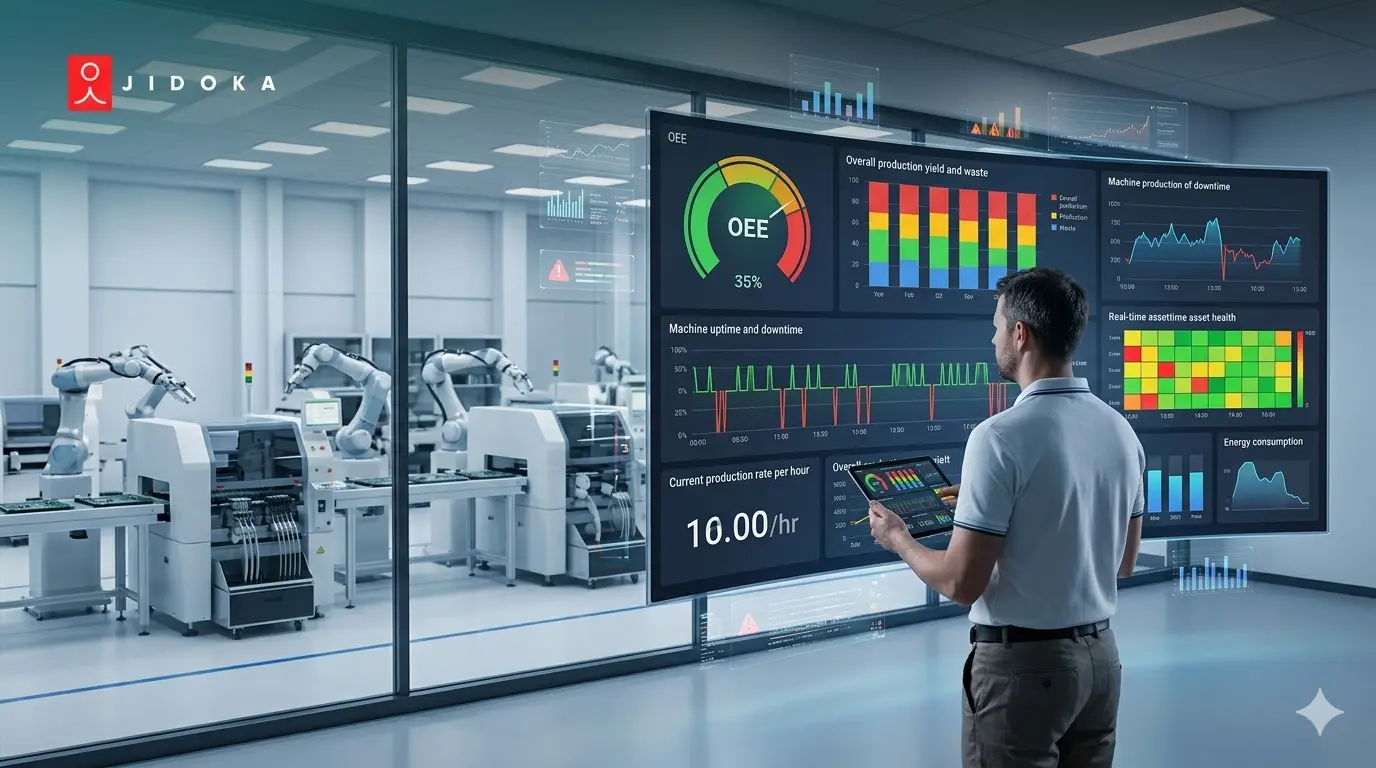
Realtime dashboardmeldingen
Wanneer een meting over vijf opeenvolgende eenheden richting de controlegrens neigt, activeert het kwaliteitsmanagementsysteem een melding op het dashboard van de floormanager voordat de zesde eenheid defect raakt. De manager grijpt in, kalibreert opnieuw en de lijn blijft draaien. Zonder geautomatiseerde trenddetectie leidt die afwijking tot defecten totdat iemand het handmatig opmerkt en escaleert.
Volledig gedigitaliseerde inspectiesystemen voor onderhanden werk verkorten de tijd die nodig is om defecte partijen in quarantaine te plaatsen van uren naar minder dan twee minuten (Smart Factory Insights 2025). Twee minuten versus drie uur is het verschil tussen het in quarantaine plaatsen van één schap met materiaal of een volledige productiebatch. Jidoka's NAGARE AI integreert met bestaande QMS-infrastructuur om dit soort realtime inzicht te bieden tijdens inspecties halverwege de productie.
Hoe Jidoka Technologies inspecties tijdens het proces ondersteunt
De Vision AI-platforms van Jidoka zijn specifiek gebouwd voor inspectieomgevingen tijdens het proces: hoge snelheid, continu en zonder enige vertraging van de productie. Zowel KOMPASS als NAGARE werken op productielijnsnelheid in automotive, elektronica, en warehousing en logistiek omgevingen.
- KOMPASS AI: Voert defectdetectie, labelcontroleen assemblagevalidatie uit met een nauwkeurigheid van meer dan 99,8% en classificeert afwijkingen in minder dan 10 milliseconden per eenheid.
- NAGARE AI: Beheert kitting en Poke-Yoke-handhaving, vaardigheidsbeoordelingen voorraadnauwkeurigheid in algemene productieomgevingen en farmaceutische lijnen.
- Schaal: Meer dan 300 miljoen dagelijkse inspecties, 48+ actieve klanten waaronder Nestlé, P&G, Maruti Suzuki en NSK Bearings. ROI behaald binnen 8 tot 12 maanden.
Plan een implementatie-assessment om te zien hoe KOMPASS en NAGARE kunnen worden geïntegreerd in uw bestaande assemblagelijn zonder dat de productie hoeft te worden stilgelegd.
Conclusie
Het opsporen van een defect tijdens de eindmontage kost 10 keer meer dan het opsporen ervan bij het bronstation. Een procesinspectie met strategisch geplaatste kwaliteitscontrolepunten lost dit kostenprobleem bij de bron op. Combineer die structurele discipline met geautomatiseerde kwaliteitscontrole tijdens de productie: inline vision, digitale schuifmaten en real-time dashboards die waarschuwen voordat defecten ontstaan, in plaats van daarna.
Breng uw assemblagelijn in kaart, identificeer de drie meest risicovolle knooppunten en installeer bij elk daarvan een kwaliteitscontrolepunt. Neem contact op met Jidoka om uw eerste geautomatiseerde IPQC-poort binnen 30 dagen te realiseren.
Veelgestelde vragen
1. Wat is een procesinspectie?
Een procesinspectie is een kwaliteitscontrole die wordt uitgevoerd terwijl een product nog wordt vervaardigd. In plaats van te wachten op het eindproduct, meten engineers het onderdeel tussen specifieke montagestappen om afwijkingen op te sporen en machineafwijkingen direct te corrigeren, waardoor wordt voorkomen dat defecten zich vermenigvuldigen in volgende bewerkingen.
2. Wat is het hoofddoel van een kwaliteitscontrole tijdens de productie?
Het primaire doel van dit type procescontrole is strikte foutpreventie. Door een defect halverwege de assemblagelijn op te sporen, voorkomt de fabrikant dat er extra arbeid, energie en dure materialen worden verspild aan een onderdeel dat al buiten de toleranties valt.
3. Hoe verschilt IPQC van een eindinspectie?
IPQC-kwaliteitscontrole evalueert het product actief tijdens de creatie om verdere fouten te voorkomen. Een eindinspectie is een reactieve procedure die het volledig afgewerkte product pas controleert vlak voordat het wordt verpakt voor verzending. Het cruciale verschil: IPQC identificeert het probleem bij het bronstation; een eindinspectie dwingt tot een volledig onderzoek in de fabriek om de oorzaak te achterhalen.
4. Waar moet ik een kwaliteitscontrolepunt plaatsen?
Plaats kwaliteitscontrolepunten direct vóór onomkeerbare stappen zoals lassen of sealen, en direct na historisch instabiele processen zoals warmtebehandeling. Voeg ook een controlepunt toe voordat een hoogwaardig onderdeel in de assemblage wordt geïntegreerd. Deze drie posities beschermen het meeste materiaal tegen de laagste inspectiekosten.
5. Kan een inspectie van onderhanden werk de productie vertragen?
Handmatige, op papier gebaseerde inspecties van onderhanden werk kunnen knelpunten veroorzaken, maar geautomatiseerde systemen elimineren dat risico. Inline vision-camera's en digitale meetinstrumenten voeren 100 procent inspectie uit zonder de lopende band te stoppen. De gegevens worden direct naar het QMS gestuurd, waardoor de lijn op volle snelheid kan blijven draaien terwijl er een volledig kwaliteitsdossier wordt gegenereerd.
6. Waarom vertrouwen premium dienstverleners op kwaliteitscontroles tijdens het proces?
Premium dienstverleners gebruiken kwaliteitscontroles tijdens het proces om op granulair niveau aan alle eisen te voldoen. Deze controles bieden zekerheid over de interne structuur en verborgen dimensies van een product, iets wat een visuele eindcontrole nooit kan evenaren. Het resultaat is een eindproduct waarbij elke fase van de assemblage is geverifieerd, en niet alleen de buitenkant.