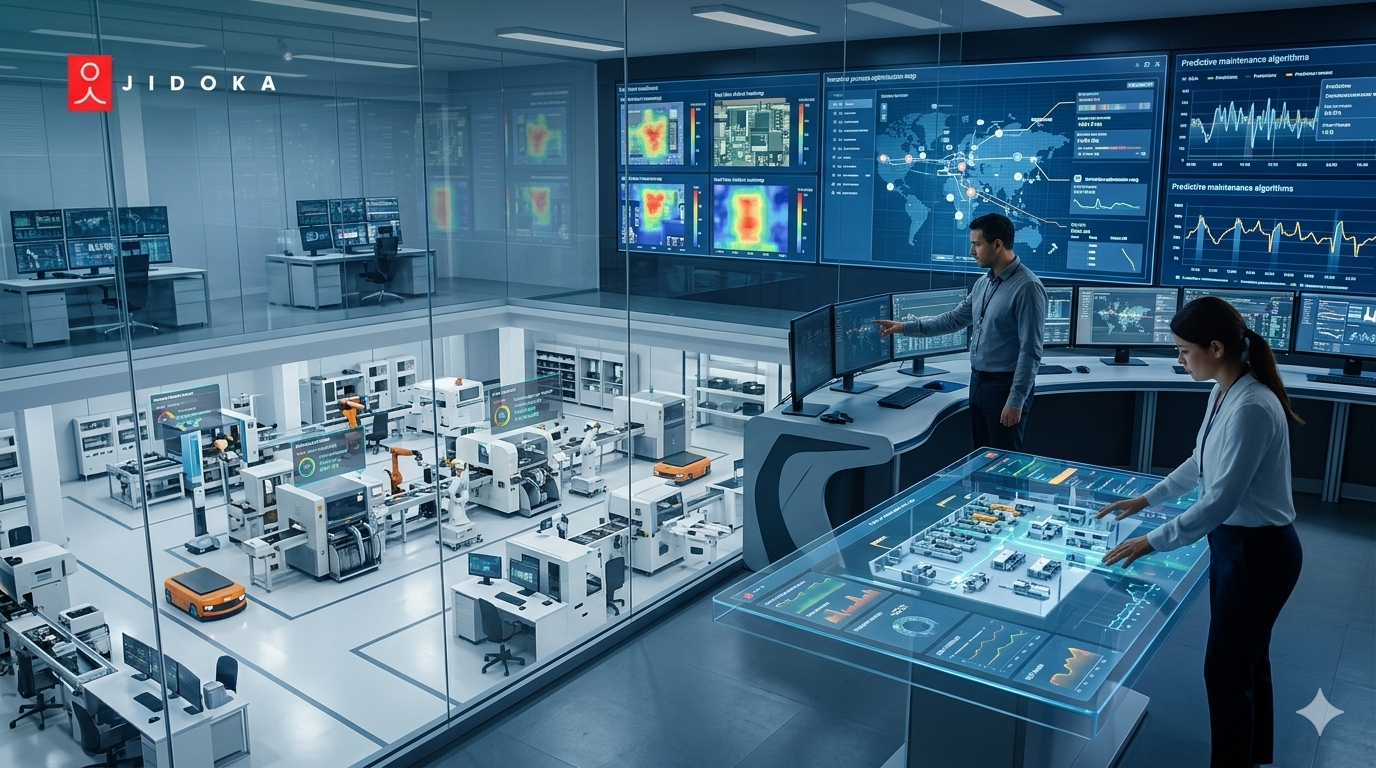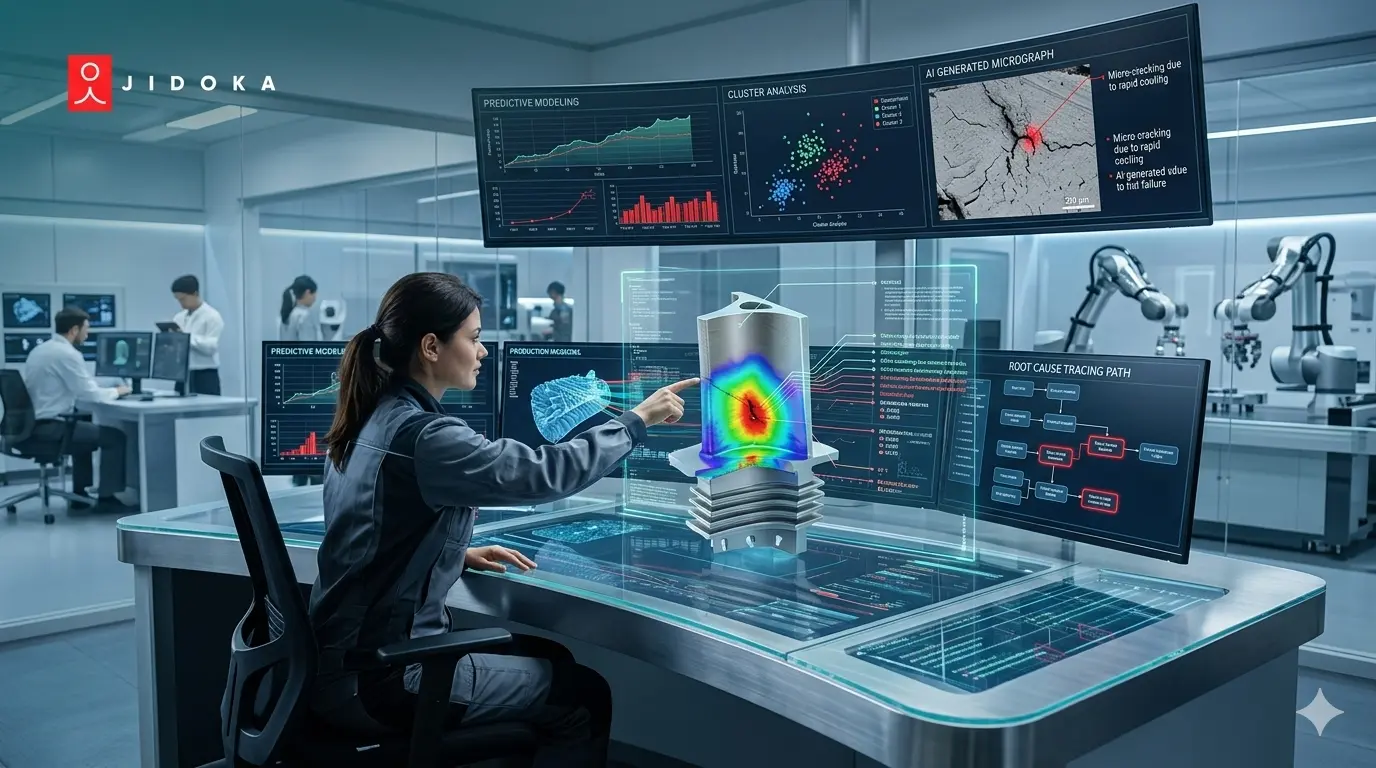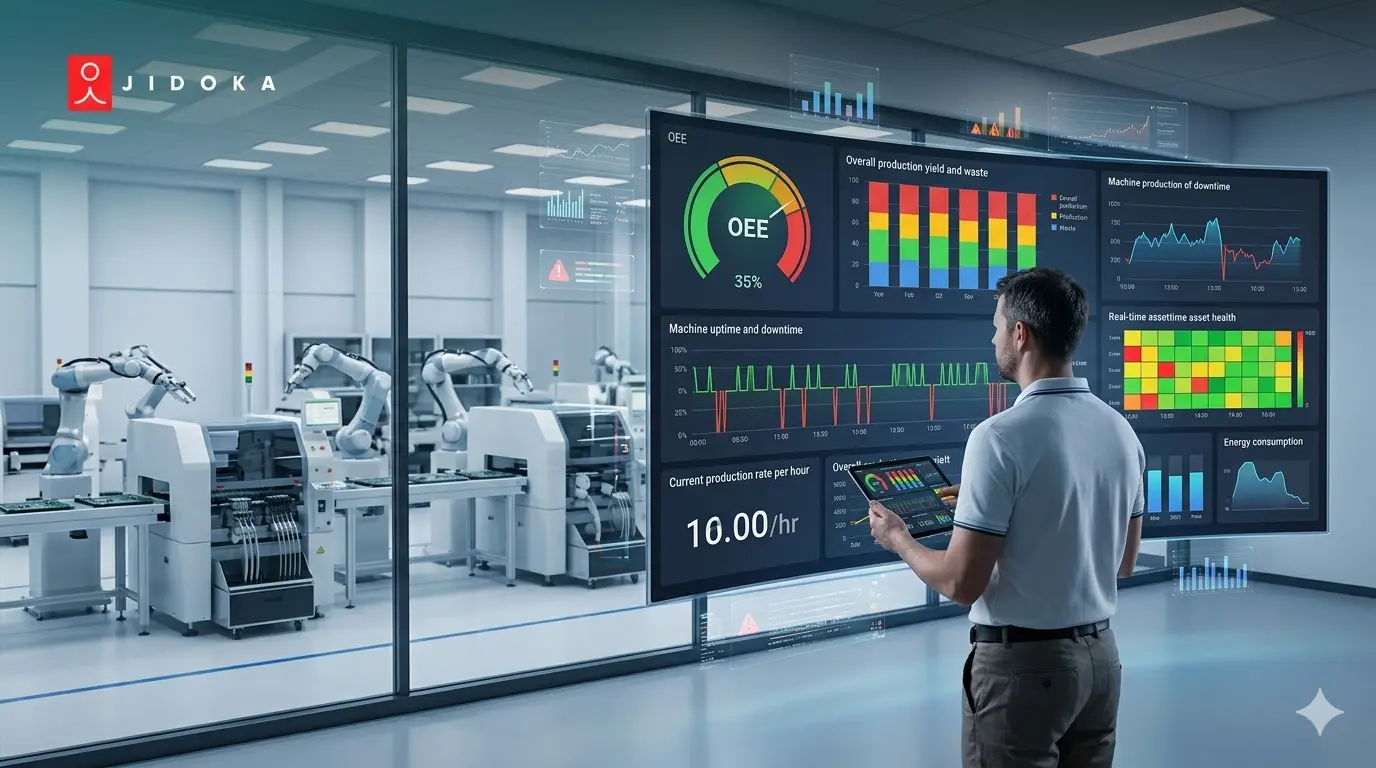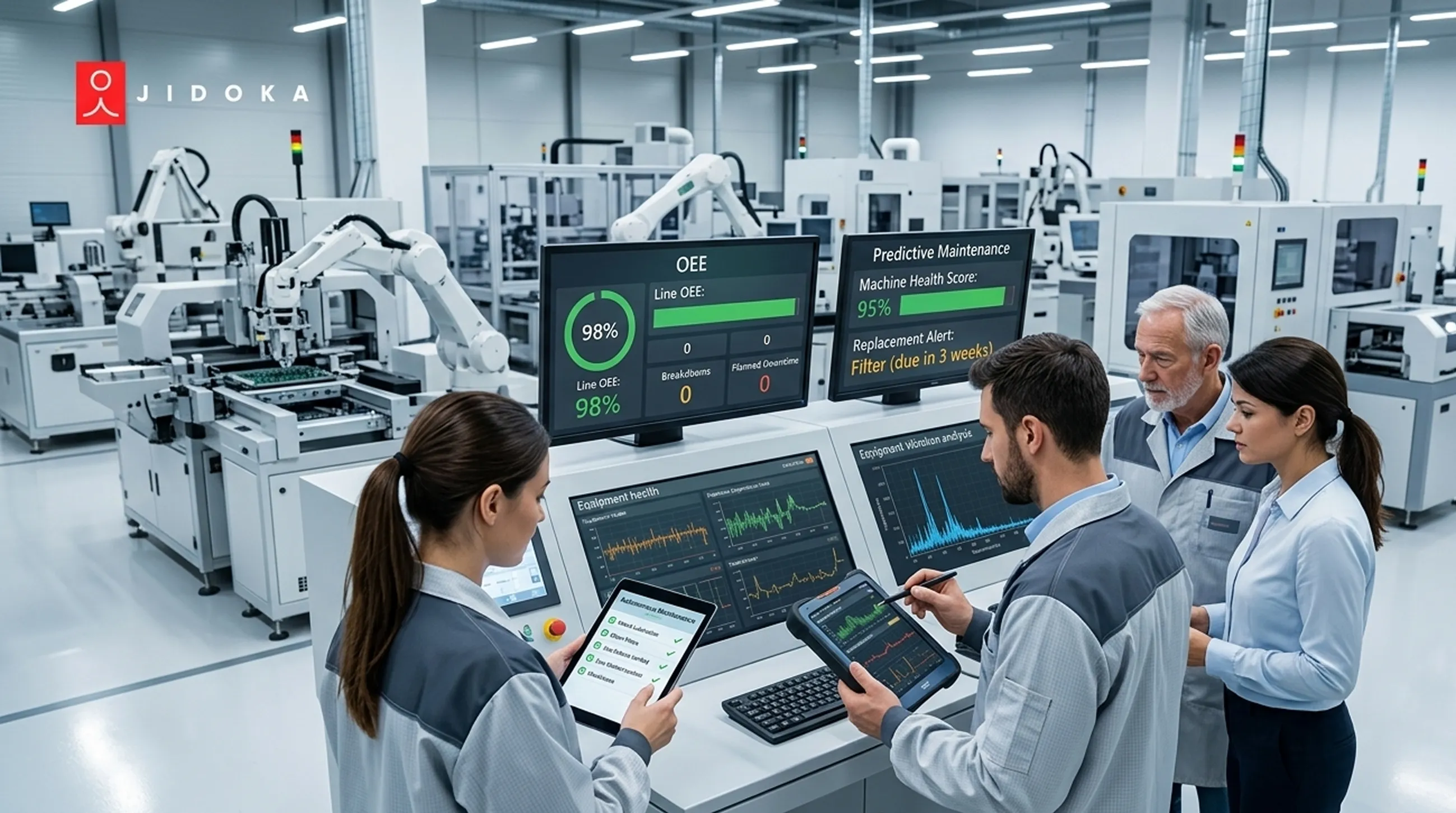
Het verzenden van defecte producten schaadt het klantvertrouwen. Internationale retourlogistiek kost fabrikanten gemiddeld 32 procent van de oorspronkelijke factuurwaarde (Logistics Management 2025). Bovendien weigeren douaneautoriteiten bijna 12 procent van de ongedocumenteerde zendingen aan internationale grenzen vanwege het niet naleven van de regels (International Trade Administration 2024).
Geen van beide scenario's is op korte termijn te herstellen. Deze gids beschrijft hoe u een checklist voor goedereninspectie opstelt die het risico op defecten elimineert voordat de containerdeuren worden gesloten.
Belangrijkste punt: Een pre-shipment inspectie is de laatste verificatie die wordt uitgevoerd voordat gefabriceerde producten de fabriek verlaten. Het uitvoeren van een strikte eindcontrole voorkomt kritieke fouten, waarborgt internationale naleving, vermijdt kostbare retourzendingen en biedt zekerheid aan de eindklant (Global Supply Chain Institute 2025).
Wat is een pre-shipment inspectie in de productie?
Een pre-shipment inspectie is een systematische kwaliteitsbeoordeling die wordt uitgevoerd wanneer de productie voor 100 procent is voltooid en ten minste 80 procent is verpakt. Het bevestigt dat de voltooide bestelling volledig voldoet aan alle contractuele specificaties en internationale veiligheidsvoorschriften.
1. De filosofie van foutpreventie
Een pre-shipment inspectie fungeert als de laatste firewall in de productieketen. Een fout op het laadperron ontdekken kost een fractie van wat het kost om deze in het buitenland te herstellen. Een container die vertrekt met 2.000 defecte eenheden dwingt de koper om retourvracht te financieren, herinspectiekosten te betalen, eventuele boeteclausules te dekken en de gemiste verkoopkansen op te vangen.
Premium fabrikanten beschouwen deze audit als niet-onderhandelbaar. Het is geen dubbele controle van de kwaliteitscontroles tijdens het proces. Het bevestigt dat de gehele bestelling, inclusief verpakking, etikettering en wettelijke markeringen, als een complete batch klaar is voor verzending. Jidoka's defectdetectiesystemen trekken dit principe door naar de continue productie, waardoor afwijkingen worden opgespoord voordat ze zich opstapelen in de uiteindelijke batch.
2. Kernobjectieven van de audit
De kwaliteitscontrole vóór verzending verifieert drie zaken: of de hoeveelheid overeenkomt met de inkooporder, of de cosmetische kwaliteit en afwerking voldoen aan het goedgekeurde monster, en of aan alle functionele en veiligheidseisen wordt voldaan in praktijktests. Wanneer aan al deze drie punten is voldaan, heeft de fabrikant aan zijn wettelijke verplichtingen jegens de koper voldaan.
Het ontbreken van een van deze onderdelen leidt tot een gedeeltelijk conformiteitsrapport. Kopers in elektronica en FMCG eisen regelmatig gedocumenteerde exportkwaliteitsrapporten voordat de laatste betaling wordt vrijgegeven. Een onvolledig rapport houdt de betaling tegen.
3. Wanneer de inspectie inplannen
De inspectie vóór verzending moet plaatsvinden voordat de pallets in zeecontainers worden geladen. Inplannen na het laden dwingt tot uitpakken en opnieuw inpakken, wat tijd kost en het risico op schade bij het herverpakken met zich meebrengt. Het ideale moment: productie 100 procent voltooid, 80 tot 100 procent verpakt, en ten minste 2 werkdagen vóór de uiterste verzenddatum.
Faciliteiten die een verplichte kwaliteitscontrole vóór verzending hanteren, verlagen het aantal afwijzingen bij de grens met 68 procent (Quality Trade Council 2025). Deze operationele discipline levert meer financieel voordeel op dan bijna elke andere kwaliteitsinvestering die een faciliteit in de verzendfase kan doen.
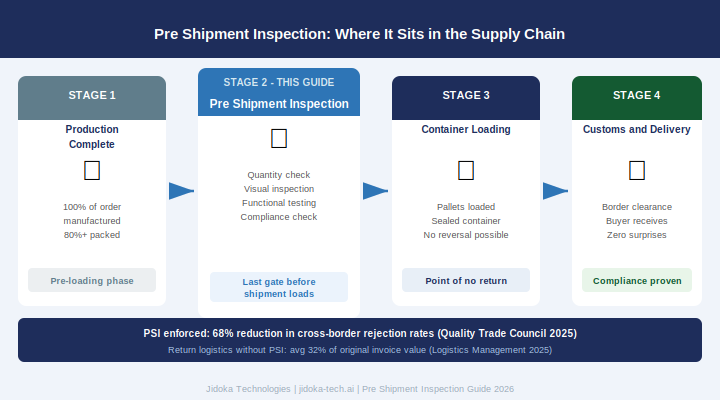
Figuur 1: Inspectie vóór verzending: positie in de toeleveringsketen van productie tot douane
Nu de timing is vastgesteld, volgt de eigenlijke inspectie in een proces van drie stappen.
Hoe voer je een inspectie van eindproducten uit?
Het uitvoeren van deze controle vereist een gestandaardiseerde aanpak om subjectiviteit van de inspecteur te voorkomen. Kwaliteitsteams gebruiken gestructureerde checklists en statistische steekproeftabellen om willekeurige dozen te selecteren en de fysieke inhoud te toetsen aan het goedgekeurde referentiemonster.
Voor meer context over hoe dit past binnen bredere productkwaliteitsinspectie -kaders, bieden de gepubliceerde bronnen van Jidoka inzicht in inspectiemethodologieën voor productieomgevingen.
Stap 1: Verifiëren van hoeveelheid en verpakking
Auditeurs controleren het aantal dozen regel voor regel aan de hand van de paklijst. Elke barcode wordt gescand en moet overeenkomen met de opgegeven SKU. Verzendmerken moeten in lijn zijn met de inkooporder. Valtests bevestigen dat de constructie van de doos bestand is tegen normaal transport.
De meest over het hoofd geziene controle in deze stap is het aantal stuks in de verpakking. Een doos die correct scant, kan nog steeds onvolledig zijn als de inhoud tijdens het inpakken verkeerd is geteld. Een leverancierscontrole waarbij de inhoud van de verpakking niet wordt geverifieerd, geeft een onterecht goedkeuringsresultaat voor de hoeveelheid. Label- en tekstherkenning en sorteren en tellen tools dekken precies dit soort verificatie tijdens het proces.
Stap 2: Visuele controles en afwerkingscontrole
Inspecteurs trekken een statistisch bepaalde steekproef van dozen aan de hand van exportkwaliteitsnormen voor inspectie. De ISO 2859-1 steekproefnorm (ISO 2859-1) bepaalt de vereiste steekproefgrootte bij elk Acceptable Quality Level (AQL). Elke getrokken eenheid wordt onder gecontroleerde verlichting vergeleken met het gouden monster.
Defecten worden ingedeeld in drie categorieën: kritiek (veiligheidsrisico of overtreding van regelgeving), groot (beïnvloedt de acceptatie door de koper) en klein (cosmetisch, binnen de tolerantie). Premium dienstverleners documenteren elk defect met foto's en nauwkeurige aantallen. Een auditrapport dat alleen 'geslaagd' vermeldt zonder defectenlogboek is onacceptabel voor internationale kopers.
Stap 3: Functionele en veiligheidstests
Producten moeten worden bediend zoals de eindgebruiker ze zou gebruiken. Sluit de elektronica aan. Laat de motor draaien. Doorloop het mechanisme. Een inspectie vóór verzending waarbij functionele tests worden overgeslagen, is slechts een visuele controle. Het detecteert krassen, maar mist de motor die na 10 minuten gebruik doorbrandt.
Strikte functionele tests tijdens de leverancierscontrole voorkomen 85 procent van de initiële garantieclaims (Consumer Product Safety Board 2024). Voor producten die de EU-markt betreden, moet CE-markering conformiteit ook in deze stap worden geverifieerd. Medische apparaten en elektronica vereisen documentatie van CE of een regionaal equivalent voordat de zending door de douane wordt vrijgegeven.
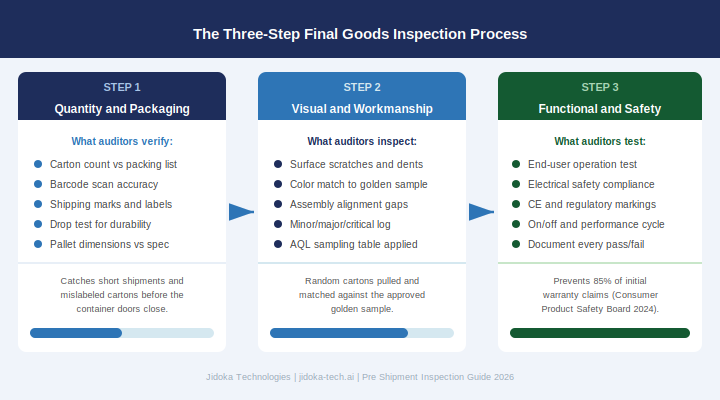
Figuur 2: Het driestappenproces voor inspectie vóór verzending: kwantiteit, visueel en functioneel
Deze drie stappen in eigen beheer uitvoeren is een optie. Een onafhankelijke partij inschakelen is een andere, met een fundamenteel ander risicoprofiel.
Waarom is een externe audit van het productieproces belangrijk?
Een externe auditdienst voor productieprocessen elimineert interne vooringenomenheid door gebruik te maken van onafhankelijke inspecteurs. Deze externe validatie zorgt voor een objectieve handhaving van nalevingsprotocollen, waardoor kopers in het buitenland zekerheid krijgen die ze niet kunnen ontlenen aan zelfrapportage door leveranciers.
1. Belangenverstrengeling elimineren
Interne fabrieksteams werken onder strakke verzenddeadlines. Wanneer een batch kleine defecten vertoont en er binnen 48 uur een schip vertrekt, is de druk om de goederen goed te keuren groot. Een onafhankelijke auditor is uitsluitend verantwoording verschuldigd aan de kwaliteitsnormen voor verzending, niet aan het productieschema. Dat onderscheid is cruciaal voor kopers die geen zicht hebben op de werkvloer.
Onafhankelijke auditors hanteren bovendien gestructureerde classificatiesystemen voor defecten die interne kwaliteitscontroleteams zelden consistent bijhouden. Het verschil is zichtbaar in de reproduceerbaarheid van audits: hetzelfde defect krijgt dezelfde ernstclassificatie, ongeacht wie de verzendinspectie uitvoert.
2. Navigeren door regels voor exportkwaliteitsinspectie
Verschillende afzetmarkten hanteren uiteenlopende nalevingseisen. De normen van de Amerikaanse Consumer Product Safety Commission verschillen van de EU CE-markeringsvereisten, die weer afwijken van het Japanse PSE-certificeringskader. De Werelddouaneorganisatie coördineert de documentatie voor internationale handelsnaleving in 183 lidstaten.
Externe inspectiebureaus voor exportkwaliteit beschikken over actuele kennis van deze regionale normen. Een fabrikant die naar vijf landen exporteert via één externe auditpartner, zorgt ervoor dat elke zending voldoet aan de specifieke wettelijke basisvereisten voor de bestemming, in plaats van aan een algemene checklist die nergens precies op aansluit.
3. Vertrouwen van kopers opbouwen
Een gecertificeerd kwaliteitsauditrapport voor verzending is een commercieel document. Het bewijst de naleving aan een derde partij in een formaat dat inkoopteams en kwaliteitsdirecteuren bij grote ondernemingen kunnen beoordelen zonder de fabriek te bezoeken. Kopers zijn 40 procent eerder geneigd opnieuw te bestellen bij leveranciers die onafhankelijke auditrapporten aanleveren (B2B Sourcing Index 2025).
Dat verschil in herhalingsaankopen loopt op. Over een periode van drie jaar bouwt een leverancier met consistente externe auditdocumentatie een kwaliteitsreputatie op die de status van voorkeursleverancier rechtvaardigt. Een leverancier die vertrouwt op zelfcertificering blijft steken in de spotmarkt, waar bij elke inkooporder moet worden geconcurreerd met goedkopere aanbieders. Ontdek hoe Jidoka automotive en algemene productie kwaliteitsprogramma's ondersteunt met continue verificatie.
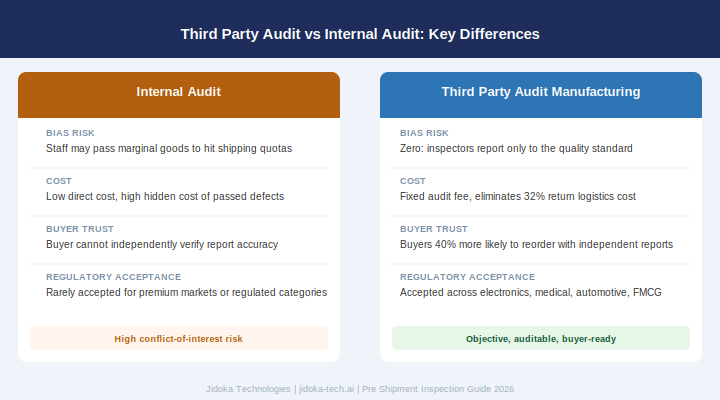
Figuur 3: Externe productie-audit versus interne audit: risico op vooringenomenheid, kosten en vertrouwen van de koper
Certificering lost het vertrouwensprobleem op. AI lost het snelheidsprobleem op.
Hoe versnelt AI de kwaliteitscontrole vóór verzending?
AI versnelt de kwaliteitscontrole vóór verzending door het volledige proces van gegevensverzameling te digitaliseren. Inspecteurs gebruiken tablet-gebaseerde tools en computer vision om defecten direct te classificeren en nalevingsrapporten te genereren, waardoor papieren formulieren die uren kosten om samen te stellen en over te typen, overbodig worden.
Om te zien hoe deze mogelijkheden aansluiten bij bredere computer vision kwaliteitsinspectie implementaties, bestrijken de bronnen van Jidoka het volledige spectrum, van inline productie-inspectie tot controles vóór verzending.
1. Computer Vision voor defectclassificatie
Inspecteurs fotograferen elk bemonsterd product. AI-algoritmen vergelijken de afbeelding met CAD-referentiebestanden en goedgekeurde referentiefoto's, waarbij maatverschillen, oppervlaktedefecten en kleurafwijkingen in minder dan 10 milliseconden per frame worden gemarkeerd.
Dit elimineert de menselijke subjectiviteit die ervoor zorgt dat resultaten van verzendingsaudits inconsistent zijn tussen auditors. Twee inspecteurs die dezelfde batch beoordelen, kunnen van mening verschillen over de vraag of een krasje een klein of een groot defect is. De AI past op elke afbeelding dezelfde classificatiecriteria toe, wat resulteert in consistente beoordelingen van de ernst van defecten, ongeacht welke inspecteur de camera vasthoudt.
2. Real-time gegevenssynchronisatie
Dankzij tablets met cloudverbinding kunnen fabrieksmanagers en inkopers de resultaten van de inspectie vóór verzending zien terwijl de audit vordert. De kwaliteitsdirecteur van de inkoper in Duitsland ziet dezelfde gegevensstroom als de auditor op de werkvloer in Shenzhen, in real-time.
Dit elimineert de standaard wachttijd van 18 tot 24 uur voor het uittypen en e-mailen van papieren rapporten. Elke kritieke defectmelding activeert een directe notificatie naar zowel het QC-team van de fabriek als de inkoper. Beslissingen over het inhouden, herwerken of verzenden van goederen worden in uren in plaats van dagen genomen.
3. Voorspellende risicoanalyse
Machine learning analyseert historische inspectiegegevens van vóór verzending om te voorspellen welke dozen de hoogste kans op defecten hebben. Een zending van een leverancier met een bekend probleem met verfhechting in batch 4 van de productie krijgt een intensievere steekproef op die specifieke dozen.
Voorspellende steekproeven verkorten de fysieke audittijd met wel 30 procent, terwijl een nauwkeurigheid van 99 procent behouden blijft (Supply Chain Technology Review 2025). Een checklist voor goedereninspectie die is gebaseerd op de geschiedenis van machine learning is wezenlijk beter dan een statische checklist die uniform op elke audit wordt toegepast.
Hoe Jidoka Technologies ondersteuning biedt bij kwaliteitscontrole vóór verzending en tijdens productie
De Vision AI-systemen van Jidoka overbruggen de kloof tussen kwaliteitscontrole tijdens de productie en verificatie vóór verzending. Door defecten direct in de lijn op te sporen, komen klanten van Jidoka met een aanzienlijk schonere batch aan bij de eindcontrole.
- KOMPASS AI: Detecteert oppervlaktedefecten, verkeerde labels en montagefouten met een nauwkeurigheid van meer dan 99,8% op actieve productielijnen, waarbij elk frame in minder dan 10 ms wordt gecontroleerd.
- NAGARE AI: Volgt 100% van de montage- en kittingstappen om kwantiteits- en configuratiefouten te voorkomen voordat de goederen het laadperron bereiken.
- Integratie: Werkt in FMCG-, elektronica-, automotive- en algemene productieomgevingen zonder de lijn stil te leggen.
Ontdek hoe KOMPASS en NAGARE verlaag het aantal afkeuringen vóór verzending. Plan een implementatiebeoordeling met het engineeringteam van Jidoka.
Conclusie
Retourlogistiek die gemiddeld 32 procent van de factuurwaarde bedraagt, is geen normale bedrijfskost. Het is de prijs die u betaalt voor het overslaan van de inspectie vóór verzending. Een gedisciplineerde eindcontrole van goederen op het gebied van kwantiteit, vakmanschap en functionele tests, uitgevoerd door een onafhankelijke externe auditpartner en versneld door AI-gestuurde classificatie, elimineert die kosten volledig.
Standaardiseer vandaag nog uw checklist voor goedereninspectie en bewijs uw naleving voordat de containerdeuren sluiten. Plan een gesprek om te zien hoe Jidoka uw kwaliteitsprogramma ondersteunt, van productie tot verzending.
Veelgestelde vragen
1. Wat is een inspectie vóór verzending?
Een inspectie vóór verzending is een kwaliteitscontroleprocedure die vlak voor de export van goederen wordt uitgevoerd. Inspecteurs nemen willekeurige monsters van afgewerkte producten om te verifiëren of de batch voldoet aan de exacte specificaties, veiligheidsvoorschriften en cosmetische normen van de koper voordat deze de fabriek verlaat.
2. Wat is een checklist voor de eindcontrole van goederen?
Een checklist voor de eindcontrole van goederen is een gestandaardiseerd document dat precies voorschrijft wat een auditor moet testen. Het bevat doorgaans de verificatie van het totale aantal dozen, de integriteit van de verpakking, verzendlabels, productafmetingen, het visuele uiterlijk en de basisfunctionaliteit.
3. Waarom zou ik een externe auditdienst voor productie gebruiken?
Het gebruik van een externe dienst garandeert objectieve, onbevooroordeelde resultaten. Onafhankelijke auditors hebben geen financieel belang bij het goedkeuren van defecte goederen, wat betekent dat hun rapporten nauwkeurige nalevingsgegevens bieden die vertrouwen opbouwen bij internationale kopers en voldoen aan inkoopvereisten.
4. Wat gebeurt er als een exportkwaliteitsinspectie mislukt?
Als een batch niet door de inspectie komt, wordt de zending stopgezet. De fabrikant moet de goederen uitpakken, een volledige controle van 100 procent uitvoeren om defecte items te verwijderen, deze herstellen of vervangen, en vervolgens een volledig nieuwe inspectie inplannen en doorstaan voordat de verzending kan doorgaan.
5. Hoe verbetert AI de controle van leverancierszendingen?
AI verbetert de controle door middel van computer vision, waarmee microscopisch kleine cosmetische defecten die door vermoeidheid aan het menselijk oog kunnen ontsnappen, direct worden opgespoord. Daarnaast automatiseert het de rapportage, waarbij gegevens over goed- of afkeuring direct worden gesynchroniseerd met het dashboard van de inkoper en er bij kritieke bevindingen automatisch meldingen worden verstuurd.
6. Is een kwaliteitscontrole vóór verzending wettelijk verplicht?
Hoewel dit niet universeel door internationaal recht wordt vereist, stellen bepaalde landen deze controles verplicht voor specifieke categorieën, zoals elektronica of medische apparatuur. Vrijwel alle grote inkopers stellen dit verplicht in hun inkoopcontracten om naleving af te dwingen en zich te beschermen tegen financieel verlies door defecte zendingen.